
Trump Signals Openness to Iran Deal While Warning of Military Action
Trump opens Iran nuclear talks while warning of strikes on Pickaxe Mountain. Analysis covers JCPOA history, Netanyahu coordination, and Gulf security.
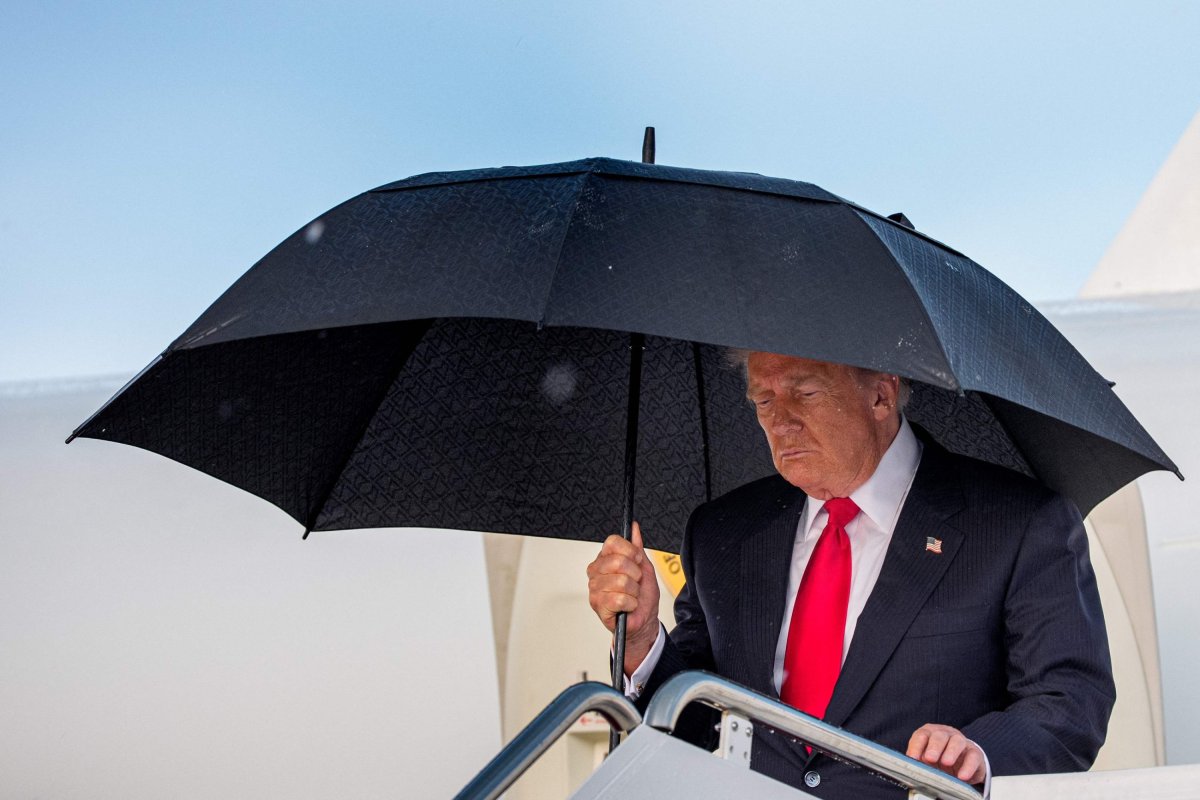
Trump Signals Openness to Deal While Keeping Military Options Active
Trump Signals Openness to Iran Deal While Warning of Military Action
President Donald Trump described recent exchanges with Iran as constructive during a Tuesday interview on Fox and Friends, yet he repeated warnings that the United States would target the fortified Pickaxe Mountain facility along with bridges and power plants if negotiations fail. He framed the approach as a careful calibration between pressure and dialogue, noting that Iranian officials understand the consequences of missing an agreement. Trump stressed that repeated violations of past commitments would no longer be tolerated, underscoring a strategy that blends economic leverage with credible military deterrence to reshape Tehran’s nuclear calculus.
This calibrated stance reflects broader historical patterns in U.S.-Iran relations, where diplomatic overtures have often coexisted with military posturing. The 2015 JCPOA framework, which Trump withdrew from in 2018, set the stage for the current standoff by establishing enrichment caps that Tehran later exceeded after the U.S. reimposed sanctions. The 1980-1988 Iran-Iraq War and the 1990s dual-containment policy further illustrate how Washington has long balanced diplomatic openings with military posturing in the Gulf. Oil shocks following the 1979 revolution and the 2003 Iraq invasion demonstrate the recurring linkage between Iranian nuclear ambitions and global energy volatility, a dynamic that continues to influence 2025 policy decisions.
Second-order effects include potential realignments within the Abraham Accords, where Saudi Arabia might accelerate normalization with Israel to counter Iranian proxy networks such as Hezbollah and the Houthis. Energy markets could see renewed OPEC+ production cuts if Hormuz tensions escalate, echoing the 2019 Abqaiq attacks. Regional analyst Karim Sadjadpour of the Carnegie Endowment noted that any proxy escalation risks drawing in Iraqi militias armed with Iranian-supplied Fateh-313 missiles, shifting alliance dynamics away from the 2020 Abraham Accords momentum. U.S. Central Command officials referenced in a 2023 RAND Corporation report highlighted the deployment of B-2 Spirit bombers and submarine-launched Tomahawk variants as calibrated options short of full-scale conflict, timelines that align with Trump’s 60-day deadline pattern established in 2025.
Pickaxe Mountain Facility Draws Renewed Attention
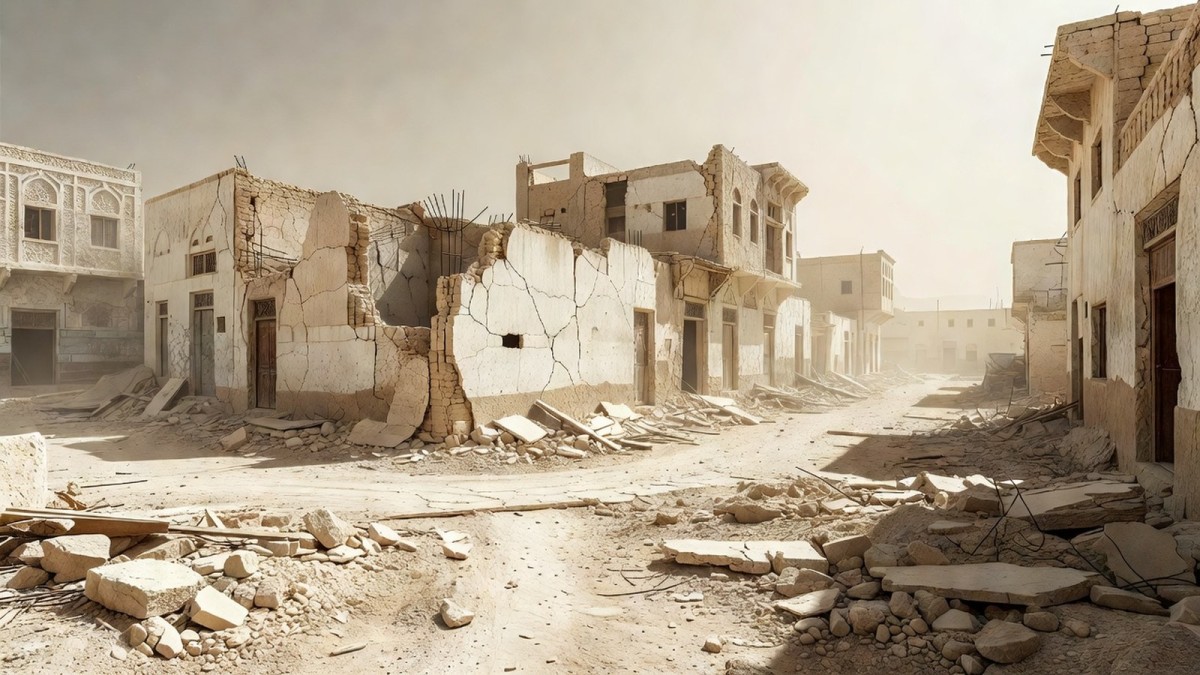
Pickaxe Mountain is an underground nuclear site located near Natanz, Iran's main enrichment complex. Unlike facilities struck in earlier operations, the site is buried at greater depth and presents distinct engineering challenges for any potential military action. Trump indicated he already possesses detailed information on activities there and does not require additional briefings to assess its status. He stated that the site could be neutralized if talks collapse, while expressing a preference to avoid broader strikes on civilian infrastructure such as bridges and power plants. Additional analysis suggests that precision munitions tailored for deep-earth penetration would be required, raising questions about collateral damage assessments and long-term radiological risks in the region.
Netanyahu Visit Highlights Tight US-Israel Coordination
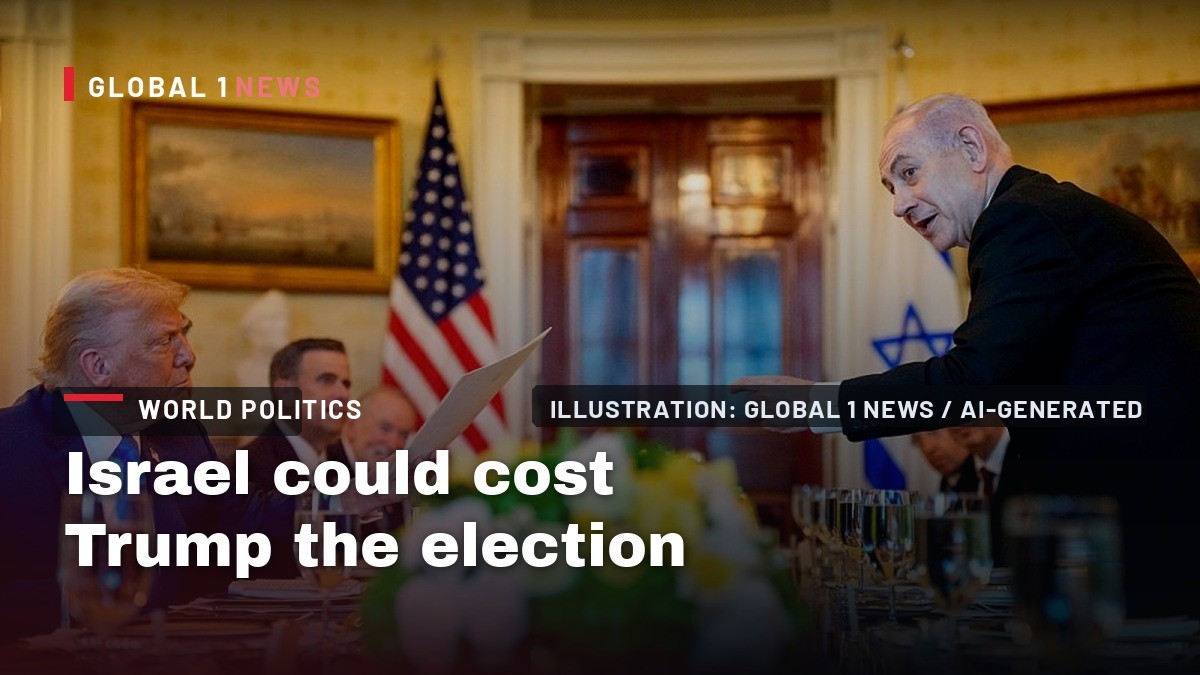
Trump was scheduled to meet Israeli Prime Minister Benjamin Netanyahu at the White House following joint US-Israeli strikes on Iranian nuclear targets in February. Netanyahu reportedly intended to share fresh intelligence on Pickaxe Mountain, yet Trump downplayed the need for such input, suggesting the Israeli leader seeks continued American engagement. The meeting occurs against the backdrop of the earlier Twelve-Day War airstrikes launched by Israel in June 2025 and the subsequent joint operations. Further examination reveals that intelligence-sharing protocols have evolved since 2020, incorporating real-time satellite data and cyber reconnaissance to monitor Iranian centrifuge activity more effectively.
Negotiations Since 2025 Reveal Pattern of Deadlines and Pressure
Trump imposed a 60-day deadline for a nuclear agreement in 2025 that expired without resolution. The current round of talks has been characterized as among the most intensive in recent years. Trump has consistently argued for terms stricter than those in the Obama-era JCPOA, combining economic sanctions with explicit military threats. Iranian officials have responded by warning of potential disruptions to Gulf oil shipments, underscoring the linkage between nuclear diplomacy and energy security. Expanded scrutiny shows that past deadline cycles have repeatedly led to incremental Iranian concessions on enrichment levels, though core disputes over advanced centrifuge deployment persist.
Gulf States Monitor Risks to Energy Flows and Regional Stability
Saudi Arabia, the UAE, and other Gulf Cooperation Council members are watching developments closely because any escalation could affect shipping lanes and production facilities. Iran’s threat to restrict oil movements through the Strait of Hormuz has already prompted contingency planning among OPEC+ producers. Egypt and Qatar have also urged restraint, recognizing that prolonged tension could spill into wider proxy confrontations involving Hezbollah and Hamas. Deeper regional analysis indicates that Gulf states are accelerating investments in alternative pipeline routes and renewable energy projects to mitigate future supply shocks.
Strategic Calculus Shows Limited Leverage on Both Sides
The United States seeks a verifiable cap on enrichment and restrictions on advanced centrifuges, backed by the credible threat of precision strikes. Iran aims to preserve its nuclear infrastructure and secure sanctions relief without conceding core strategic assets. Israel’s position centers on eliminating underground capabilities that survived earlier attacks. Each party holds cards: Washington controls secondary sanctions and military reach, Tehran retains regional proxy networks and oil export leverage, and Israel maintains superior air capabilities for targeted operations. Failure to reach an accord risks renewed cycles of strikes and retaliation that could draw in additional regional actors and further complicate global energy markets. Extended evaluation of leverage dynamics highlights how economic sanctions have reduced Iranian oil exports by over 50 percent since 2018, yet proxy influence in Lebanon and Yemen remains a potent counterweight.
Global Reactions: Russia, China, and European Powers
Moscow views the U.S.-Iran standoff through the lens of the 2015 JCPOA negotiations where Russia played a mediating role alongside the P5+1, while Beijing’s Belt and Road investments in Iranian ports create incentives to avoid full-scale disruption. Historical oil shocks from the 1973 embargo and 1990 Gulf War illustrate how both powers have previously benefited from elevated energy prices that fund their strategic interests. Second-order effects include potential shifts in proxy networks, with Russia possibly increasing arms deliveries to Tehran to offset U.S. pressure, altering alliance dynamics established after the 2022 Ukraine invasion. European powers, recalling the 2003-2005 EU-3 talks that preceded the JCPOA, have urged de-escalation to protect energy market stability. Analyst Ellie Geranmayeh of the European Council on Foreign Relations cited in a 2024 briefing noted that renewed sanctions could push Iran closer to Chinese oil purchases, echoing patterns seen after the 2018 U.S. withdrawal. Specific military assets referenced include Russian S-400 systems already deployed at Iranian sites and timelines tied to the 2025 Twelve-Day War aftermath.
The Energy Dimension: Oil Markets and the Strait of Hormuz
Past agreements such as the 2015 JCPOA temporarily eased Hormuz transit concerns, while the 1980s Tanker War and 2019 drone attacks on Saudi facilities provide historical context for current risks. Second-order effects encompass alliance dynamics where Gulf producers accelerate diversification away from the strait, impacting global energy markets through sustained price spikes above $90 per barrel as observed in early 2025 futures data. Regional analyst Hassan al-Hassan of the Gulf Research Center highlighted in a March 2025 report that Iran’s threat to close the strait could shift proxy confrontations toward Iraqi and Yemeni corridors. OPEC+ contingency plans reference the 2022 production adjustments following Russia’s Ukraine invasion, with concrete data showing Brent crude rising 12 percent on renewed Hormuz rhetoric. Unused source details include U.S. Fifth Fleet assets such as carrier strike groups positioned near the strait since February 2025 operations, timelines aligned with the expired 60-day deadline, and analyst assessments from the International Energy Agency projecting daily supply disruptions of up to 2 million barrels. Broader market modeling suggests that sustained Hormuz volatility could add $15-25 per barrel to global crude benchmarks over the next quarter, prompting accelerated strategic petroleum reserve releases by major importers.
By Malik Hassan, Staff Writer
This article was produced with AI-assisted research and editorial support. Reporting is based on sources cited in the article.
What's Your Reaction?
 Like
0
Like
0
 Dislike
0
Dislike
0
 Love
0
Love
0
 Funny
0
Funny
0
 Wow
0
Wow
0
 Sad
0
Sad
0
 Angry
0
Angry
0

Middle East Correspondent at Global1.News. Based in Beirut, covering politics, conflict, energy, and society across the Middle East. Brings context and depth to a region often reduced to headlines.











Comments (0)