
Putin Next Move: NATO Summit, Patriot Licenses Reshape War
In a recent BBC News Global News Podcast report, analysts are asking a question that hangs over the Kremlin, the battlefields of eastern Ukraine, and the NATO summit in Ankara — what is Vladimir Putin's next move? As the war enters its fifth year, the Russian president faces a strategic landscape transformed by Ukraine's deep strike campaign, a growing missile shortage that has
In a recent BBC News Global News Podcast report, analysts are asking a question that hangs over the Kremlin, the battlefields of eastern Ukraine, and the NATO summit in Ankara — what is Vladimir Putin's next move? As the war enters its fifth year, the Russian president faces a strategic landscape transformed by Ukraine's deep strike campaign, a growing missile shortage that has forced rare admissions from Moscow, and a NATO alliance that met this week pledging billions in new long-range capabilities. The answer to that question may define not just the trajectory of the war, but the stability of the entire European security order.
Putin's Next Move: NATO Summit, Patriot Missile License, and Ukraine's Deep Strike Campaign Reshape the War
London – 8 July 2026 — A NATO summit that was supposed to be about transatlantic unity has instead spotlighted the Kremlin's deepening vulnerability. Vladimir Putin's war machine, which once threatened to overrun Kyiv, now faces a grinding conflict where Ukrainian drones strike 2,500 kilometres inside Russian territory, fuel queues appear in Moscow, and the Russian president admits — for the first time in public — that his country is feeling the economic sting of Kyiv's long-range campaign.
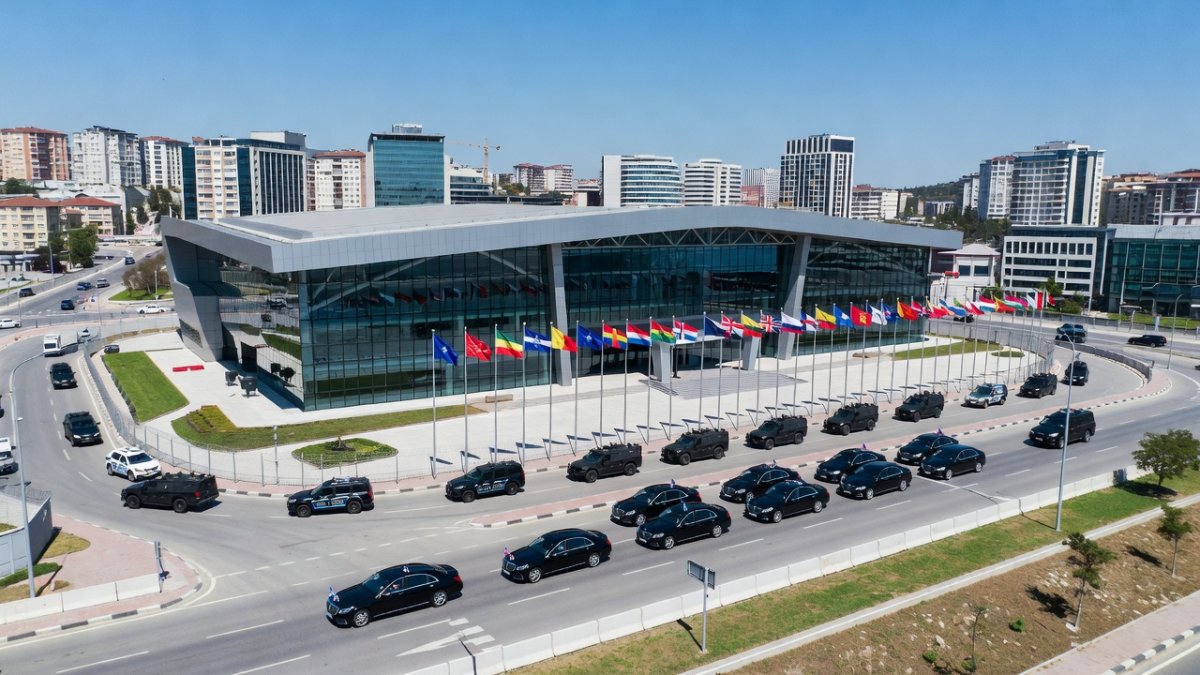
A Summit of Shifting Alliances: Ankara and the Patriot Pivot
The NATO summit in Ankara on July 7-8, 2026, delivered concrete shifts in Western backing for Ukraine. President Volodymyr Zelensky used his address to press allies for additional air defense systems amid Russia's intensified ballistic missile barrages. In a bilateral meeting, U.S. President Donald Trump announced that Washington would grant Ukraine a license to manufacture Patriot missiles domestically. Trump stated, "We're going to give a license to you to make Patriots. That's pretty cool, right?" He added that this approach addressed complaints about insufficient supplies by instructing Ukraine to produce them itself. Trump noted the company had not yet been informed but expressed confidence the arrangement would proceed smoothly, while acknowledging U.S. stockpiles were limited because "We need them for ourselves, too."
Alongside the license, NATO allies unveiled a £37 billion ($50 billion) "Deep Precision Strike" long-range missile initiative led by the UK with participation from France, Germany, Poland, the Netherlands, and Sweden. NATO Secretary General Mark Rutte called on members to increase contributions. For Moscow, these developments signal a sustained Western commitment that extends beyond immediate battlefield needs. Russia's Foreign Ministry has historically criticized such transfers as escalatory. The prospect of Ukraine producing its own interceptors alters the economic balance, as Patriot PAC-3 expenditures have already outpaced global production rates, potentially easing pressure on Ukrainian defenses over time.
The Ballistic Missile Offensive: Russia's Last Major Advantage
Russian forces conducted multiple ballistic missile strikes on Kyiv in less than a week, resulting in more than 50 civilian deaths. President Vladimir Putin stated that Russia "must continue" large-scale missile and drone operations. Ukrainian officials reported that not a single ballistic missile was intercepted during one recent attack, owing to their speeds of several thousand kilometers per hour. Zelensky described the situation as absurd given the lack of scaled-up production for defensive systems and labeled ballistic missiles Russia's "last major advantage." The Ukrainian air force continues to publish daily tallies showing high success rates against drones but persistent gaps against faster ballistic threats.
Tactically, Russia employs ballistic missiles to overwhelm Ukraine's limited air defenses by combining them with drone swarms. Patriot interceptors remain the primary countermeasure, yet global production shortfalls have left Ukrainian forces exposed. Zelensky has urged European allies to release additional stockpiles. Economically, Russia maintains an edge in missile output compared with Western interceptor manufacturing rates. This dynamic forces Ukraine to prioritize high-value targets while absorbing repeated strikes on urban centers, sustaining pressure on civilian infrastructure and morale.
Ukraine's Deep Strike Campaign: Bringing the War to Russian Soil
Ukraine has intensified its long-range drone operations against targets deep inside Russia. Strikes hit an oil terminal in St Petersburg ahead of Putin's economic forum in June and damaged a refinery in Moscow, with explosion footage circulating widely online. A confirmed attack reached an oil refinery in Omsk, Siberia, 2,500 kilometers from the Ukrainian border, demonstrating extended flight times without detection. This campaign marks a shift from purely defensive operations to direct pressure on Russian economic assets.
Moscow Mayor Sergei Sobyanin reported that air defenses intercepted most of 430 drones launched at the capital overnight. Fuel shortages have emerged across Russia, with social media videos showing residents queuing for hours and occasional clashes over petrol. Putin made a rare public admission that Ukrainian strikes were responsible for these shortages. The psychological effect challenges Putin's long-standing narrative of restoring stability after the 1990s turmoil, as visible rationing and strikes on the capital undermine claims of restored strength. Zelensky has framed these operations as an influence campaign aimed at eroding domestic support for the war.
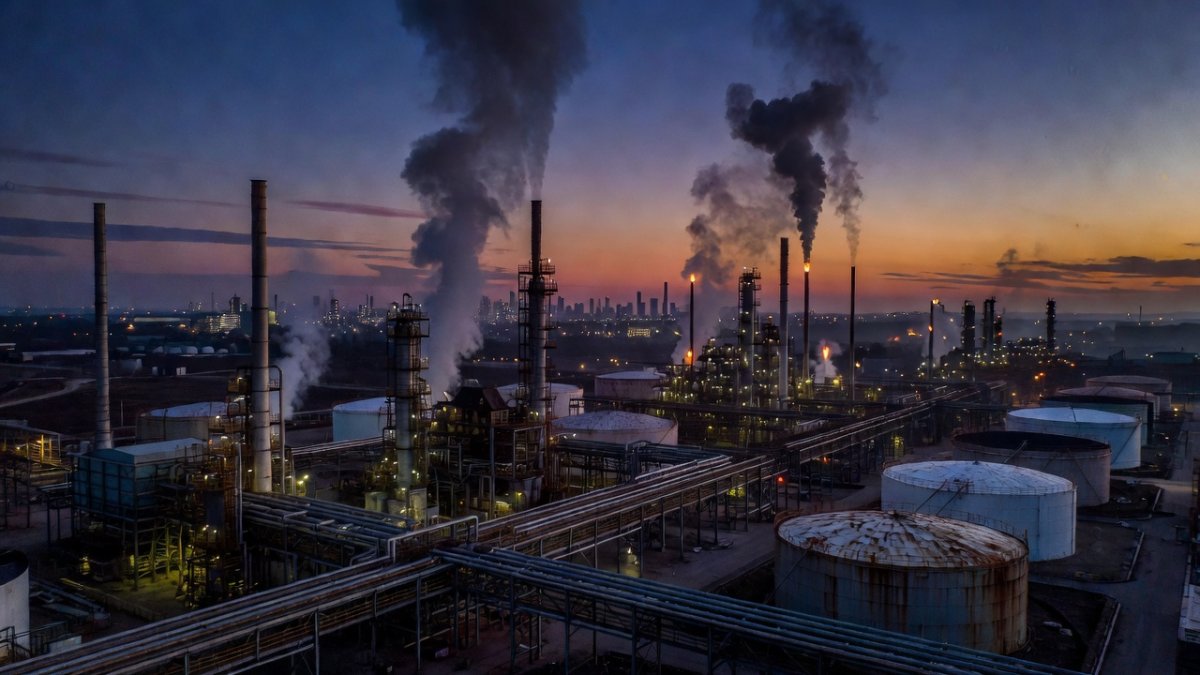
Crimea Under Siege: The Peninsula Putin Cannot Protect
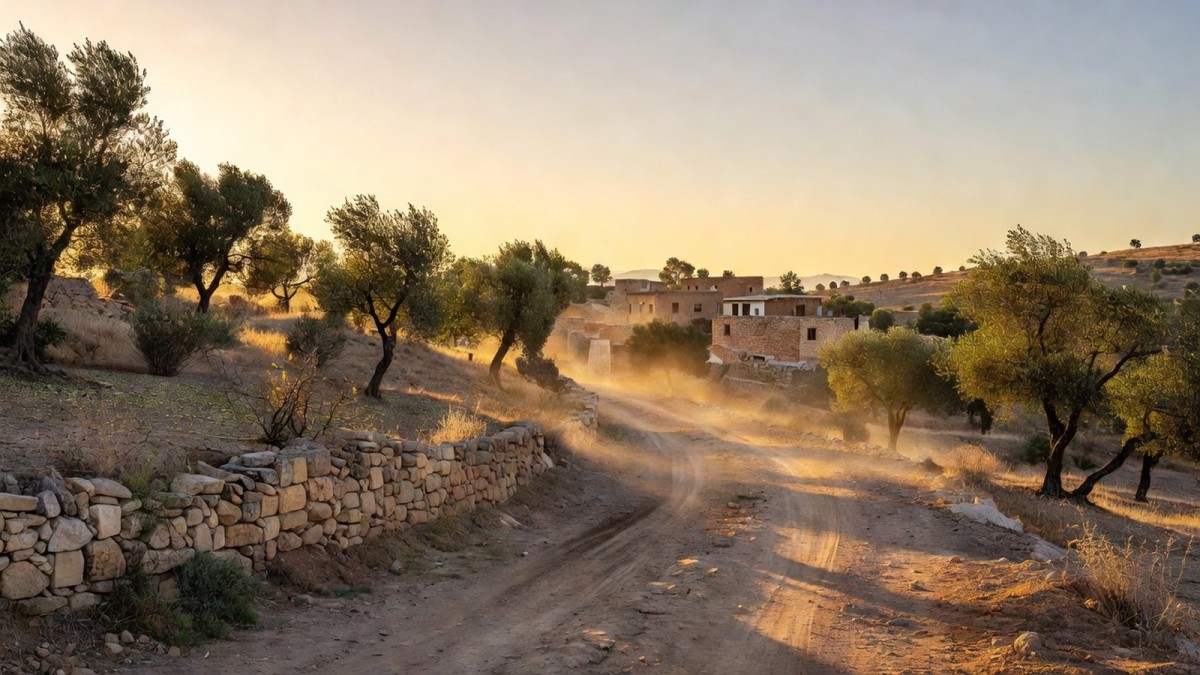
Ukrainian drones have targeted military logistics hubs, oil refineries, and power plants in Crimea on an almost daily basis. The resulting power cuts, fuel shortages, and food supply disruptions prompted local authorities to declare a state of emergency. A resident interviewed by BBC described conditions as catastrophic, drawing comparisons to the economic hardship of the 1990s following the Soviet collapse. These strikes have disrupted daily life for civilians and military personnel alike.
Crimea holds particular personal significance for Putin, who oversaw its annexation in 2014 and has presented it as a cornerstone of Russian resurgence. The inability to shield the peninsula from repeated Ukrainian incursions creates a direct contradiction with his domestic messaging of protection and strength. Local shortages and infrastructure damage erode the legitimacy derived from that 2014 action, affecting both military sustainment and civilian confidence in Moscow's control over the region.
Daily life for Crimean civilians has deteriorated sharply, with rolling blackouts forcing hospitals to rely on generators and schools shifting to remote learning amid fuel scarcity that has tripled transport costs. Local economic activity, particularly tourism and agriculture around Simferopol and Sevastopol, has contracted as supply chains from the Kerch Bridge face repeated interruptions, compounding the effects of Western sanctions on imported goods. Crimean authorities under direct Kremlin oversight have responded by imposing rationing and appealing to Moscow for emergency subsidies, yet these measures highlight the limits of centralized control when regional infrastructure proves vulnerable. Residents voice frustration over unfulfilled promises of integration, while Russian state media downplays the disruptions as temporary, revealing tensions between peninsula administrators and federal security structures.
The Kostiantynivka Gambit: Propaganda Versus Reality on the Eastern Front
Putin claimed that Russian forces had captured the strategic eastern city of Kostiantynivka following operations on July 3-4. Zelensky immediately rejected the assertion and challenged Putin to meet him there. Ukraine's General Staff confirmed the city remained under Ukrainian control, though it described the situation as difficult. This episode fits a recurring pattern of Russian information operations asserting territorial gains that field reports do not substantiate.
Kostiantynivka serves as a key defensive node in the Donetsk region. Russian infantry elements entered parts of the city but failed to establish lasting control. Despite months of offensive efforts in 2026, Russian forces have recorded only incremental advances. The gap between claimed victories and verified positions highlights the challenges Moscow faces in converting battlefield pressure into decisive territorial outcomes.
The city's position astride key rail and road links makes it a linchpin for Ukrainian logistics supporting the broader Donetsk frontline, where Russian units have struggled to achieve breakthroughs despite concentrated assaults near Pokrovsk and Chasiv Yar. Ukrainian forces maintain defensive depth through fortified positions, while Russian advances remain incremental and costly. Information warfare intensifies the contest, with Russia's Defense Ministry issuing rapid victory claims that Ukrainian General Staff statements and open-source verification routinely contradict, eroding credibility among neutral observers. This pattern underscores Moscow's reliance on narrative control to offset limited ground gains, even as domestic audiences in Russia receive filtered reports that sustain expectations of progress.
Analysis: Does Putin Want Peace or Escalation?
Trump held a 90-minute telephone conversation with Putin this week. Trump stated that both Putin and Zelensky want the conflict to conclude, describing Putin as seeking an end and noting Zelensky's similar position. Zelensky characterized Trump as well-informed. Ukraine's stated goal remains ending the war through strength or diplomacy before another winter sets in. Putin faces competing pressures between economic strain from sanctions and fuel disruptions and domestic expectations of victory after years of investment in the campaign.
Putin's record indicates a preference for escalation when negotiations appear driven by external pressure. Potential winter scenarios include renewed targeting of energy infrastructure, further mobilization, or movement toward talks. The combination of Ukrainian deep strikes, NATO's new missile commitments, and visible Russian economic difficulties creates conditions that could force recalibration in Moscow. Analysts view the coming months as a pivotal period where the balance between battlefield realities and diplomatic openings will determine whether the conflict intensifies or moves toward resolution.
Putin's decision-making reflects a balancing act between siloviki favoring continued pressure and economic elites warning of deepening isolation, with winter energy strikes on Ukrainian infrastructure offering a low-cost lever to test Western resolve. European diplomatic initiatives seeking Chinese and Global South mediation face resistance from Moscow, which views such channels as attempts to isolate Russia rather than facilitate compromise. Structurally, sustained Ukrainian strikes and NATO commitments erode the Kremlin's narrative of inevitable victory, potentially accelerating internal debates over whether prolonged attrition serves regime stability or invites greater domestic strain.
By Irina Volkov, Staff Writer
This article was produced with AI-assisted research and editorial support. Reporting is based on sources cited in the article.
What's Your Reaction?
 Like
0
Like
0
 Dislike
0
Dislike
0
 Love
0
Love
0
 Funny
0
Funny
0
 Wow
0
Wow
0
 Sad
0
Sad
0
 Angry
0
Angry
0
Russia/Eastern Europe Correspondent at Global1.News. Covering Russian politics, energy, security, and the shifting dynamics of the post-Soviet space. Provides clear-eyed analysis on one of the world's most opaque regions.









Comments (0)