
Oman's Strait of Hormuz Plan Gains Gulf Backing as Trump Holds Iran Talks, Netanyahu Pushes Escalation
The Strait of Hormuz remains the fragile artery of global energy flows, where Oman's quiet diplomacy now intersects with Washington's shifting posture toward Tehran and Israel's insistence on sustained pressure. As oil markets brace for volatility and Gulf capitals weigh their own security calculations, a new proposal for managed transit fees emerges as a potential pressure valve in a conflict that shows no sign of quick resolution.
Oman Hormuz Plan Gains Gulf Backing Amid Tensions
Muscat, Oman – July 28, 2026 —
Oman's Strait of Hormuz Proposal Gains Gulf Backing
Oman has presented Iran with a plan, supported by Gulf states, to manage transit through the Strait of Hormuz. The proposal includes voluntary fees for passage and aims to reduce tensions while generating revenue. An estimated 20-25% of global oil supply moves through the strait daily. Ship insurance costs have already risen from 0.125% to 0.2-0.4% of cargo value amid recent conflict.
Gulf capitals have quietly coordinated behind the Omani initiative, recognizing that any disruption in the narrow waterway would immediately threaten their own export revenues. Saudi Arabia and the United Arab Emirates have signaled conditional support, viewing the fee mechanism as a way to inject predictability into shipping lanes that have grown increasingly hazardous since January. Kuwait and Bahrain, more exposed to Iranian proxy activity, have also endorsed the framework in private diplomatic channels, though they remain wary of appearing too conciliatory toward Tehran.
The proposed fee structure draws on earlier precedents from the 1980s tanker war and the 2019 attacks on Saudi facilities, yet it introduces a novel revenue-sharing element intended to give Iran a stake in stable passage. Under the plan, a modest percentage of cargo value would be collected through neutral escrow arrangements, with portions allocated to maintenance of navigation aids and regional security coordination. This approach seeks to sidestep the zero-sum dynamics that have repeatedly brought the strait to the brink without addressing the underlying nuclear and proxy disputes.
Compared with past Hormuz crises, the current proposal benefits from greater Gulf unity and a U.S. administration more open to off-ramps than its predecessors. Still, implementation hinges on Iranian acceptance and the willingness of international insurers to adjust premiums once the mechanism is in place.
Trump Reports Progress in US-Iran Talks
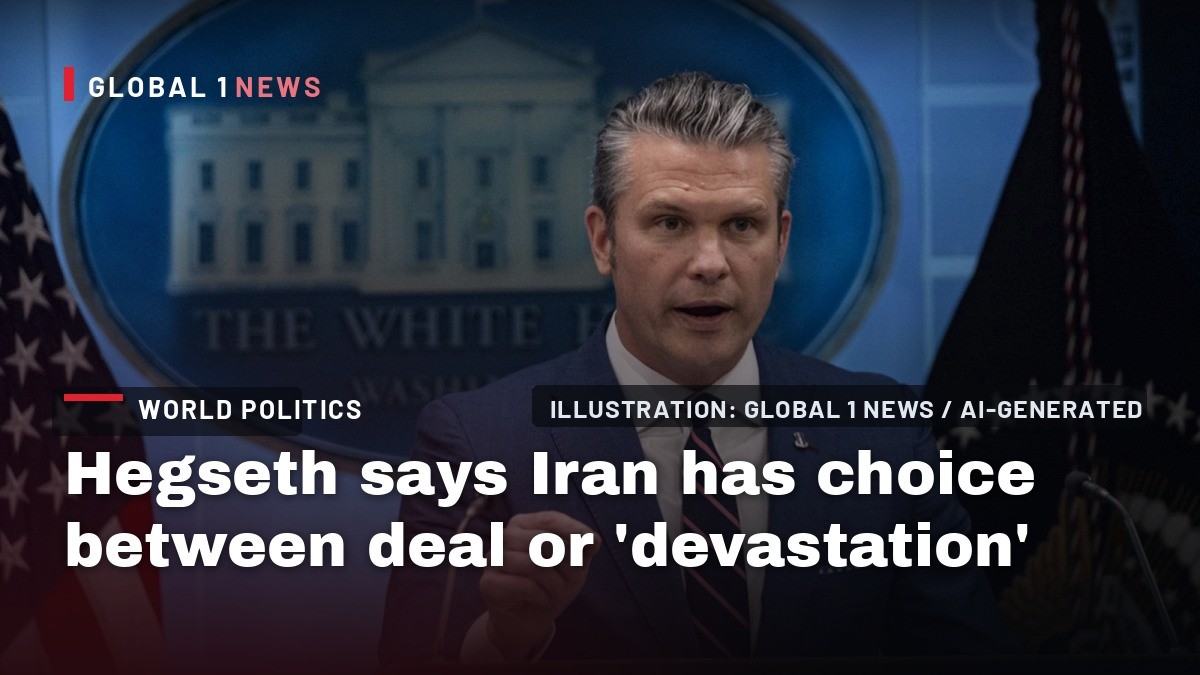
President Donald Trump stated on July 28, 2026, that talks with Iran are progressing and sees a good chance of a deal. The United States has paused strikes on Iran following advice from top military officials. Iran has not agreed to a ceasefire and shows no urgency for direct negotiations with American officials.
The conflict that began with limited exchanges in January 2026 escalated through spring as Iranian-backed groups targeted U.S. positions in Iraq and Syria. By early summer, American strikes had expanded to Iranian naval assets in the Gulf, prompting Tehran to threaten closure of the strait. Trump's decision to pause further operations reflects both military caution and a calculation that prolonged engagement risks higher oil prices ahead of the U.S. midterm cycle.
Domestically, Trump faces competing pressures from defense contractors favoring sustained operations and from energy interests concerned about price spikes. His public optimism about a deal serves to reassure markets while buying time for back-channel diplomacy conducted through Oman and Qatar. Iranian officials, for their part, have maintained that any agreement must include sanctions relief and recognition of their regional security concerns, positions that have so far prevented direct talks.
Tehran's reluctance to rush into negotiations stems from its assessment that Washington is already seeking an exit. Iranian leaders appear content to absorb limited damage while preserving leverage through proxy networks and the implicit threat of strait disruption.
Netanyahu Arrives in Washington Seeking Continued Action
Israeli Prime Minister Benjamin Netanyahu reached Washington on July 27-28, 2026, to meet Trump and advocate for sustained military pressure on Iran. Netanyahu faces domestic political pressure ahead of upcoming elections. GOP America First voices have expressed concern that Netanyahu may push for intensified attacks.
The Netanyahu-Trump relationship, forged during the first Trump term through shared skepticism of the Iran nuclear deal, now faces new tests. Netanyahu arrives seeking not only continued U.S. strikes but also diplomatic cover for Israeli operations against Iranian targets in Syria and Lebanon. His visit coincides with intelligence assessments suggesting that Iranian nuclear infrastructure has survived recent attacks largely intact.
Israel's war objectives center on degrading Iran's capacity to project power through proxies while delaying any nuclear breakout. Yet these aims increasingly diverge from American priorities focused on energy market stability and avoiding entanglement. Netanyahu's domestic position remains precarious, with coalition partners demanding visible results against Iran to justify the economic and human costs of prolonged conflict.
Within Israeli politics, opposition figures have criticized the prime minister for over-reliance on Washington, arguing that Jerusalem must prepare for scenarios in which U.S. support wanes. Netanyahu's meetings will therefore test whether personal rapport can overcome strategic divergence.
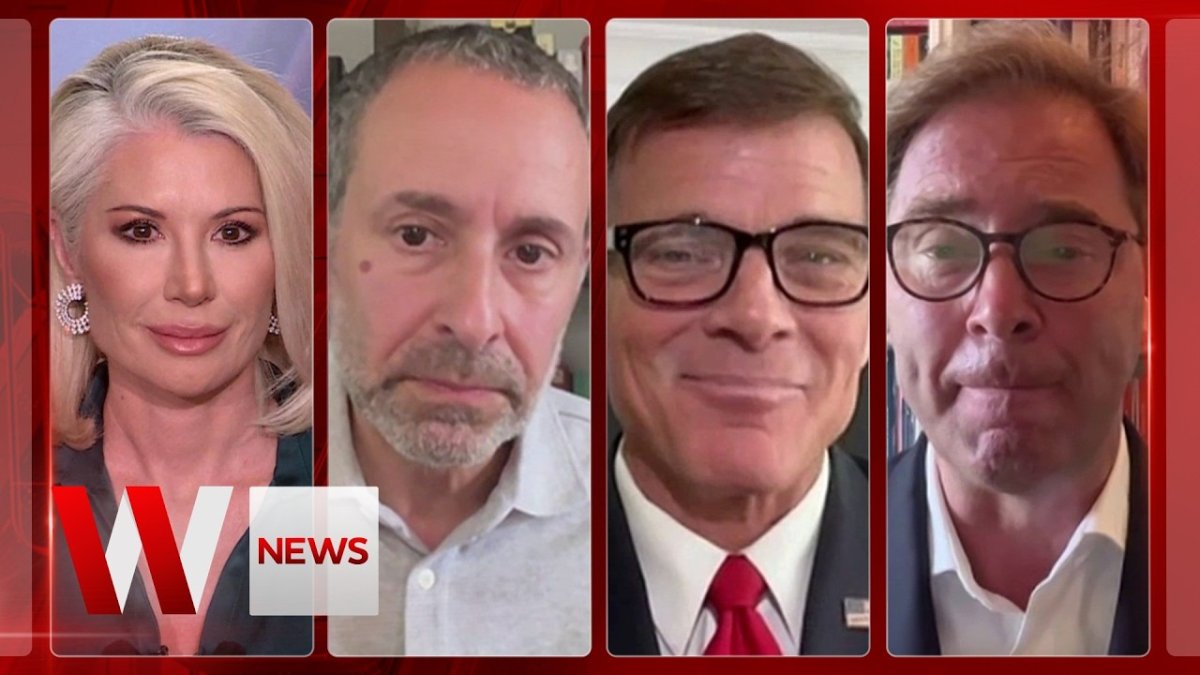
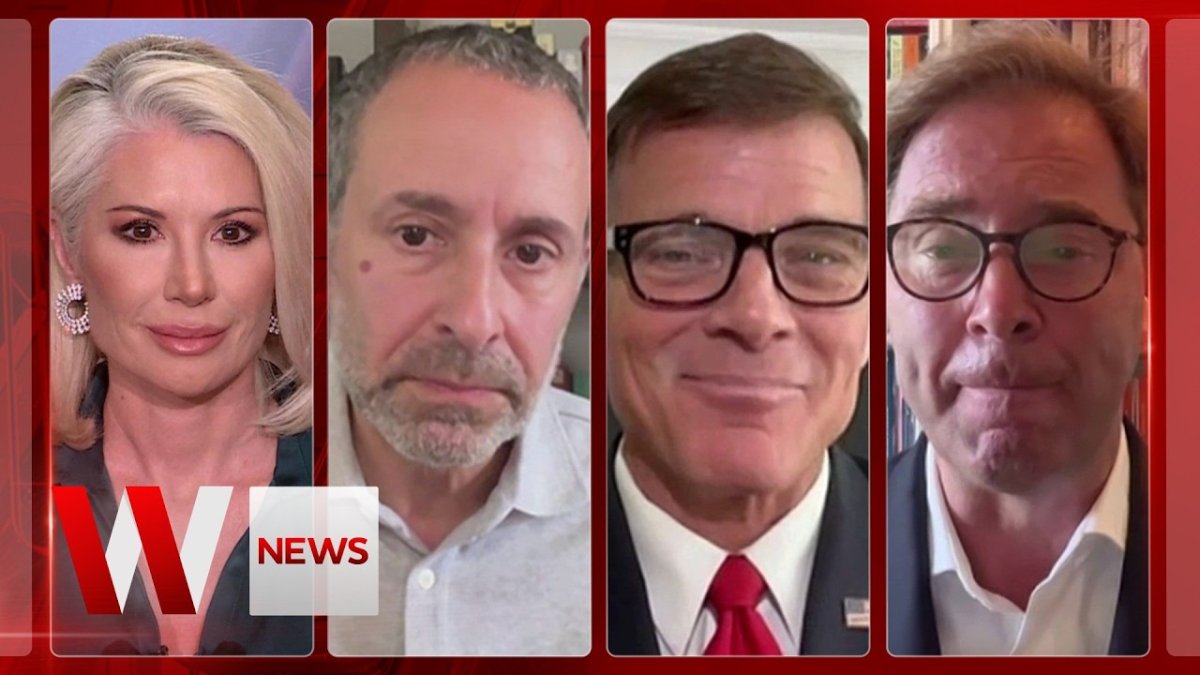
Daniel Levy Argues Trump Fights Israel's War
Israeli-British negotiator Daniel Levy stated that Trump is fighting Israel's war rather than America's. Levy's assessment highlights differing strategic priorities between Washington and Jerusalem. The comment comes as the US weighs de-escalation against Israeli preferences for continued operations.
Levy, a veteran of multiple rounds of Israeli-Palestinian negotiations and former director of the Middle East and North Africa programme at the European Council on Foreign Relations, brings a distinctive perspective shaped by decades inside and outside official channels. His critique resonates with analysts who see the current confrontation as an extension of Israeli security doctrine rather than a core U.S. national interest.
The Israel-first framing Levy articulates points to a deeper structural tension: American military resources are being calibrated to Israeli threat perceptions even as Washington pursues parallel diplomacy with Gulf states wary of escalation. This divergence has become more pronounced as Trump balances domestic political constraints against alliance commitments.
Strategic divergence also appears in differing time horizons. Israeli planners emphasize immediate degradation of Iranian capabilities, while U.S. officials focus on preventing a broader regional conflagration that could draw in additional actors and raise global energy costs.
Oil Markets React to Pause in Strikes
Oil prices fell after the pause in US-Iran strikes raised hopes for reopening the Strait of Hormuz. Saudi Arabia separately condemned a drone attack by Iran-backed groups in Iraq that targeted Riyadh and oil facilities in the Eastern Province. These developments illustrate Gulf states' calculations on energy security and diversification away from conflict-driven volatility.
Brent crude eased below $78 per barrel while WTI traded near $74 following the pause announcement, reflecting market relief that the strait might remain open. Traders remain alert, however, to any Iranian move to test the limits of the current de-escalation. Gulf sovereign wealth funds have used the recent volatility to increase allocations to non-energy assets, accelerating diversification strategies already embedded in national visions.
OPEC+ dynamics add another layer of complexity. Saudi Arabia has maintained production discipline to support prices, yet faces internal pressure to monetize reserves before long-term demand peaks. The kingdom's Vision 2030 program, which seeks to reduce oil dependence through tourism, technology, and manufacturing, gains urgency each time Hormuz tensions flare.
Insurance markets have already repriced risk in the region, with hull premiums for vessels transiting the strait remaining elevated despite the pause. Gulf energy companies are exploring alternative export routes, including expanded pipeline capacity to the Red Sea and Indian Ocean, though these projects require years to complete.
Regional Stability Calculations and Second-Order Effects
Gulf states balance support for Oman's Hormuz plan with concerns over Iranian influence and Sunni-Shia competition. Saudi Arabia's condemnation of the Iraq drone attack signals continued wariness of Iran-backed proxies. Turkey's foreign policy and Arab-Israeli normalization trends add further layers as great-power competition between the US and Iran plays out. If implemented, the Hormuz fee mechanism could ease immediate shipping risks while leaving core nuclear and proxy issues unresolved.
Sunni-Shia proxy dynamics continue to shape calculations across the Levant and Gulf. Iranian support for groups in Iraq, Syria, and Yemen remains a persistent irritant for Sunni-led governments, even as those same governments explore limited economic engagement with Tehran. The drone attack on Saudi territory underscores how proxy conflicts can escalate independently of state-to-state diplomacy.
Turkey has positioned itself as a potential mediator while expanding its own regional footprint through defense sales and energy deals. Its approach contrasts with the Abraham Accords framework, which normalized relations between Israel and several Arab states but has yet to produce a broader security architecture capable of containing Iran. Renewed U.S.-Iran talks could either reinforce or sideline these normalization gains depending on the terms reached.
Energy diversification efforts across the Gulf have accelerated in response to repeated Hormuz shocks. Investments in solar, hydrogen, and downstream petrochemicals reflect a recognition that long-term stability requires reducing exposure to any single chokepoint. The Omani proposal, if successful, may buy time for these transitions while core political disputes remain unresolved.
By Malik Hassan, Staff Writer
This article was produced with AI-assisted research and editorial support. Reporting is based on sources cited in the article.
What's Your Reaction?
 Like
0
Like
0
 Dislike
0
Dislike
0
 Love
0
Love
0
 Funny
0
Funny
0
 Wow
0
Wow
0
 Sad
0
Sad
0
 Angry
0
Angry
0

Middle East Correspondent at Global1.News. Based in Beirut, covering politics, conflict, energy, and society across the Middle East. Brings context and depth to a region often reduced to headlines.










Comments (0)