
Israel's Settlement Surge Tests Limits of Oslo Framework and Global Norms
Israel's approval of dozens of settlements and seizures in Area A signal a sharp break from past practices, drawing international condemnation and raising questions about the future of Palestinian statehood ahead of key elections.
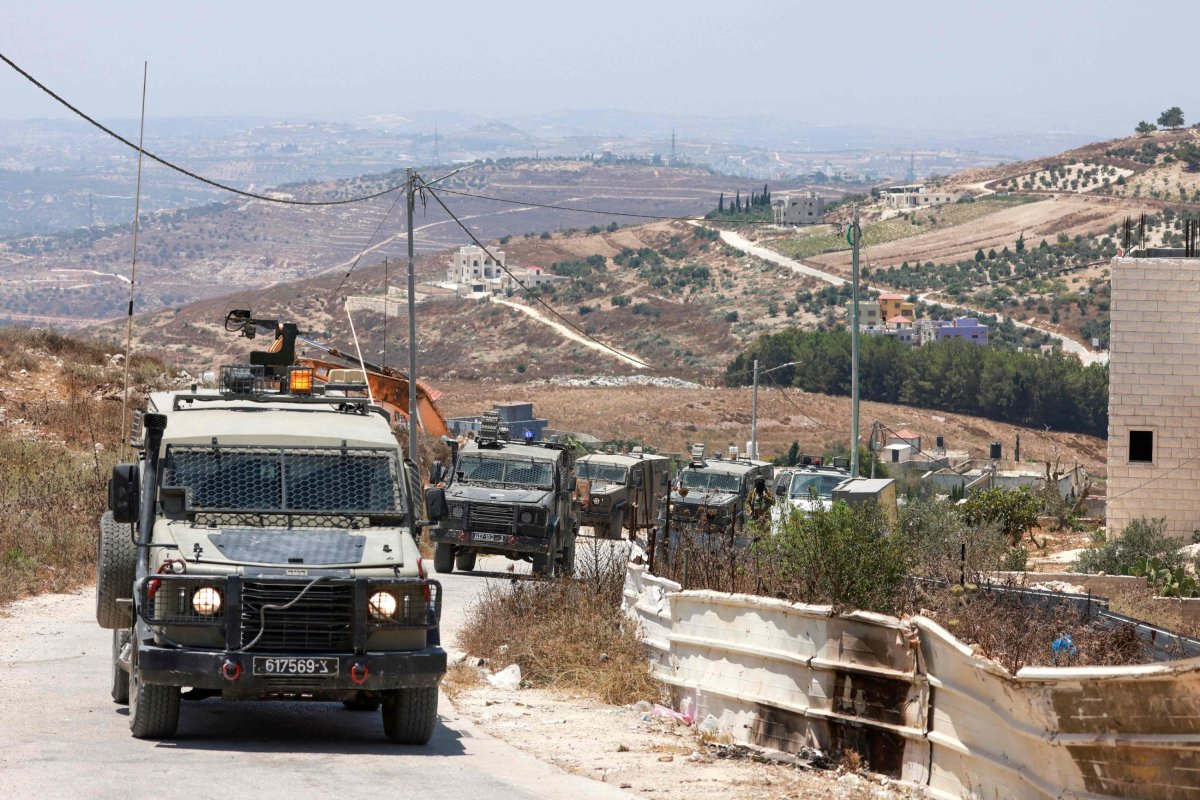
Israel's recent moves to expand settlements in the West Bank represent a significant escalation in territorial control, with new approvals and land seizures that directly challenge longstanding agreements. In April 2026 the Security Cabinet greenlit 34 settlements, followed by 13 more in July, while the IDF took the unprecedented step of seizing Palestinian Authority land in Area A. These actions, justified by officials as necessary for connectivity between outposts like Noa and Emek Dotan, have accelerated ahead of the October 2026 election. Analysts note that such steps risk further destabilizing the region by eroding the foundations of any viable two-state solution.
Area A Seizures Break New Ground
The IDF's seizure of Palestinian Authority land in Area A to link settlements Noa and Emek Dotan marks a departure from previous practices. Until now, such orders were reserved for security purposes rather than civilian settlement expansion. Kerem Navot researchers describe this as the first instance where Area A territory has been repurposed for settler infrastructure, effectively extending Israeli control into zones previously designated under Oslo for Palestinian administration. This shift has prompted warnings that the move deliberately fragments remaining Palestinian land corridors.
Dror Etkes of Kerem Navot has characterized the policy as a deliberate destruction of the Oslo Accords, arguing that it eliminates the territorial contiguity required for any future Palestinian entity. The seizures have already enabled planning for new roads and housing units that bypass traditional Area C restrictions. Observers in the region see this as a calculated test of international tolerance, with the potential to normalize further encroachments if left unchallenged by diplomatic actors.
According to a 2025 report issued by the Israeli human rights group B'Tselem, the recent Area A land orders encompass roughly 1,200 dunams previously mapped under Oslo as exclusive Palestinian civil jurisdiction. This figure exceeds the combined total of all prior temporary security requisitions recorded between 1995 and 2023. The expansion directly contravenes Annex I of the Oslo II agreement, which delineated Area A boundaries to prevent precisely such settler corridor projects. Field surveys conducted by B'Tselem volunteers in June 2026 documented bulldozer activity already underway on segments of these parcels, confirming that infrastructure work has begun without awaiting further cabinet review. Such concrete steps illustrate how administrative orders translate rapidly into irreversible physical changes on the ground.
Scale of Settlement Expansion
Peace Now documentation reveals the full extent of Israel's settlement enterprise, counting 141 illegal settlements, 360 outposts, and 15 additional sites in East Jerusalem. The April 2026 approval of 34 settlements and the subsequent July authorization of 13 more illustrate an accelerated pace that exceeds earlier periods of growth. Amnesty International has labeled the current wave an unprecedented escalation in both scale and speed, noting that construction permits and infrastructure projects are advancing simultaneously across multiple sectors of the West Bank.
These figures underscore a systematic effort to consolidate territorial gains before external pressure can mount. Each new approval adds housing units, access roads, and security perimeters that further integrate settler communities into the Israeli administrative system. The cumulative impact leaves Palestinian villages increasingly isolated, with limited access to agricultural land and water resources that once supported local economies.
Central Bureau of Statistics data released in March 2026 recorded 517,000 settlers living in the West Bank excluding East Jerusalem, marking a 4.8 percent increase from the previous year. This growth rate outpaces the national average and aligns with Finance Minister Smotrich's stated target of reaching 600,000 residents by 2028. The same dataset shows that 28 percent of new housing starts occurred in settlements approved after 2023, underscoring how recent cabinet decisions immediately translate into population shifts. Such demographic momentum creates additional political constituencies invested in maintaining the status quo, further complicating any future reversal of expansion policies.
Domestic Politics and Election Timing
Israeli officials have tied the latest approvals to domestic political calculations, with the first settlers scheduled to arrive next month in newly authorized areas. Finance Minister Smotrich stated that the 104 new settlements represent declarations that have now become reality on the ground. The timing, just months before the October 2026 election, suggests an intent to lock in facts on the ground that future governments would find difficult to reverse.
By advancing construction permits and land seizures in the pre-election period, the current coalition aims to appeal to its base while presenting opponents with a fait accompli. This strategy mirrors earlier patterns where settlement activity intensified during electoral cycles, yet the current scale appears larger and more coordinated. Regional analysts view the move as an attempt to shift the baseline of negotiations permanently in Israel's favor.
Historical precedent from the 2019 election cycle shows settlement starts rising 37 percent in the six months preceding the vote, according to Peace Now tracking. The current acceleration follows a similar calendar but involves larger contiguous blocs rather than isolated outposts. Internal polling conducted by the Israel Democracy Institute in July 2026 indicated that 62 percent of Likud voters viewed settlement expansion as a top priority, providing electoral incentive for the coalition to deliver visible results before ballots are cast.
Regional Reactions and Diplomatic Fallout
Turkish President Erdoğan condemned the expansions, stating that Israel is step by step occupying Palestinian lands while trampling international law. His remarks reflect broader regional frustration with the lack of enforcement mechanisms against settlement growth. Although major Arab states have issued statements of concern, coordinated diplomatic action remains limited, allowing the construction momentum to continue unchecked.
The absence of unified regional pushback has emboldened Israeli policymakers to proceed with plans that were once considered politically risky. Statements from Ankara highlight how settlement activity continues to strain relations across the Middle East, complicating efforts at normalization and economic cooperation. Without renewed international engagement, these tensions are likely to persist and deepen.
Jordan's foreign ministry issued a formal démarche in May 2026 citing specific violations of the 1994 peace treaty's Article 9 provisions on territorial integrity. The note referenced satellite imagery showing construction within five kilometers of the Jordan Valley border, an area previously subject to informal coordination. Egyptian officials echoed these concerns during a June meeting of the Arab League, though no collective sanctions were proposed, leaving enforcement dependent on individual state measures.
Legal Framework and International Law
UN Security Council Resolution 2334, adopted in 2016, reaffirmed that settlements have no legal validity under international law and constitute a major obstacle to peace. The International Court of Justice's July 2024 advisory opinion went further, declaring the occupation illegal and calling for the evacuation of settlements. These rulings provide a clear legal basis for challenging Israel's current trajectory, yet enforcement has proven elusive.
Israeli authorities have dismissed the ICJ findings as non-binding, continuing to authorize new construction despite the opinion. The gap between legal pronouncements and on-the-ground reality has widened, leaving Palestinian communities with few immediate remedies. Legal experts argue that sustained documentation of violations remains essential for any future accountability processes.
The 2004 ICJ advisory opinion on the separation barrier established a precedent by declaring that portions built inside the West Bank violated international humanitarian law. That ruling prompted the UN General Assembly to request quarterly reports on compliance, a mechanism still active today. Current settlement approvals in Area A extend the same legal questions to civilian infrastructure, potentially exposing additional state officials to future universal jurisdiction claims in European courts.
Implications for Palestinian Statehood
The combination of Area A seizures and rapid settlement approvals directly undermines prospects for a contiguous Palestinian state. By fragmenting territory and restricting movement, these measures reduce the viability of land swaps or border adjustments that negotiators once considered feasible. The result is a de facto annexation that leaves Palestinian leadership with diminished leverage in any future talks.
Without reversal of the current expansion trajectory, the window for a negotiated two-state outcome continues to narrow. Palestinian officials have warned that the latest actions could trigger renewed unrest, while international observers caution that prolonged inaction risks entrenching a one-state reality with unequal rights. The coming months will test whether diplomatic pressure can still alter the course set by Israel's Security Cabinet decisions.
UN OCHA mapping from late 2025 indicates that settlement blocs now divide the West Bank into 18 separate Palestinian enclaves averaging less than 40 square kilometers each. This fragmentation exceeds the threshold identified in World Bank studies as necessary for viable economic self-sufficiency. Palestinian Authority projections estimate that maintaining current growth rates would leave only 12 percent of the territory available for contiguous statehood by 2030, rendering traditional negotiation frameworks increasingly obsolete.
By Malik Hassan, Staff Writer
This article was produced with AI-assisted research and editorial support. Reporting is based on sources cited in the article.
What's Your Reaction?
 Like
0
Like
0
 Dislike
0
Dislike
0
 Love
0
Love
0
 Funny
0
Funny
0
 Wow
0
Wow
0
 Sad
0
Sad
0
 Angry
0
Angry
0

Middle East Correspondent at Global1.News. Based in Beirut, covering politics, conflict, energy, and society across the Middle East. Brings context and depth to a region often reduced to headlines.














Comments (0)