
Netherlands vs Morocco: More Than a Match — A Story of Diaspora and Identity
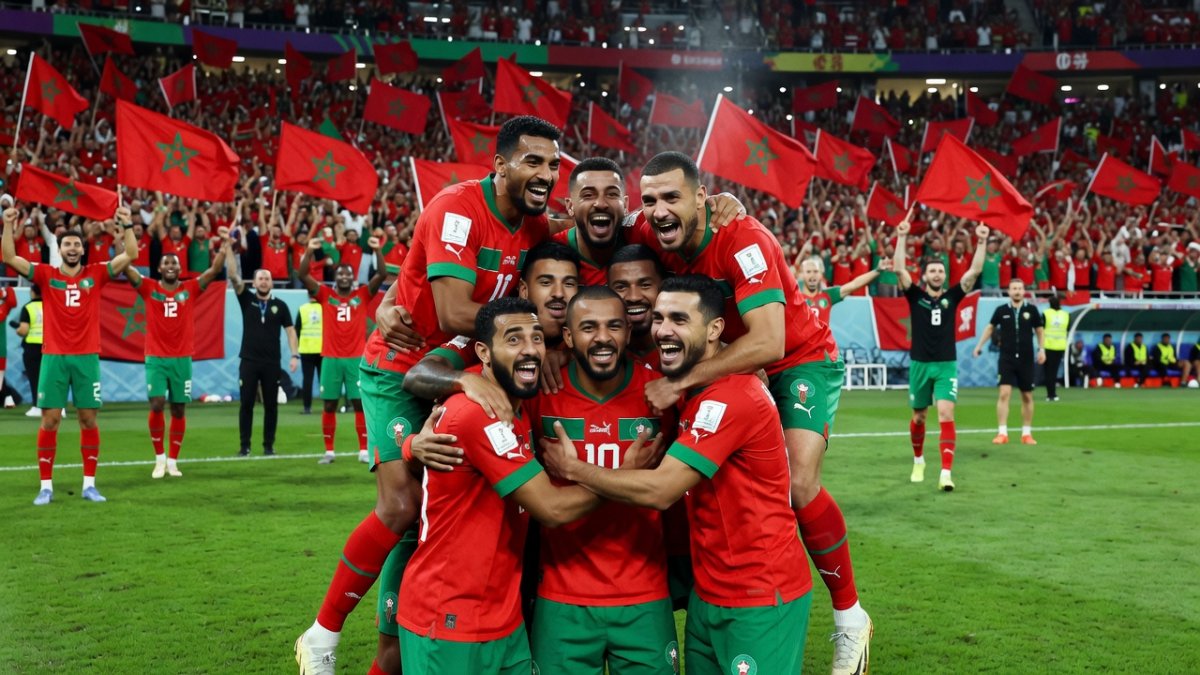
The Match That Speaks to Our Shared Journey The Netherlands against Morocco at the World Cup 2026 in Monterrey stands as more than a last-32 fixture. It brings together two sides that have both advanced undefeated from their groups. The Netherlands topped Group F with seven points and ten goals scored. Morocco finished second in their group behind Brazil on goal difference, als
The Match That Speaks to Our Shared Journey
The Netherlands against Morocco at the World Cup 2026 in Monterrey stands as more than a last-32 fixture. It brings together two sides that have both advanced undefeated from their groups. The Netherlands topped Group F with seven points and ten goals scored. Morocco finished second in their group behind Brazil on goal difference, also with seven points. For many of us across Africa, this encounter carries echoes of migration, family ties and the deep pride we feel when our people represent the continent on the world stage.
Football as a Mirror of African Diaspora Life
Manchester United defender Noussair Mazraoui forms part of a Morocco squad where nineteen of the twenty-six players were born outside the country. This reality reflects how modern football follows patterns of movement that have shaped African communities for generations. Families left for Europe seeking work and opportunity, yet the pull of heritage remains strong. In Senegal and across the Sahel, we see similar stories in our own villages where young players dream of Europe while their hearts stay rooted in the soil of home.
Early Choices and the First Shifts
The story of players deciding between the Netherlands and Morocco began decades ago. Dries Boussatta, born in Amsterdam's De Baarsjes district, became the first Dutch-born player of Moroccan heritage to represent the Netherlands in 1998 under Frank Rijkaard. Morocco did not approach him at the time. Later he switched and earned two caps for Morocco after three appearances for the Netherlands, a move allowed under the eligibility rules then in place because his Dutch games were friendlies only. Players such as Khalid Boulahrouz and Ibrahim Afellay still chose the Netherlands in the years that followed, drawn by the chance to play for one of football's established powers.
How Morocco Reached Out to Its Sons Abroad
More than ten years ago the Royal Moroccan Football Federation began sending scouts across France, Belgium, Spain and the Netherlands. Their work went beyond watching matches. Officials built relationships with young players and their families long before any senior call-up. Former technical director Pim Verbeek noted that family often mattered as much as talent in these decisions. This steady approach changed outcomes. By the 2018 World Cup five squad members had been born in the Netherlands. Four years later, when Morocco reached the semi-finals as the first African nation to do so, fourteen foreign-born players featured in their twenty-six-man group.
A Moment That Changed Everything for Ziyech
Hakim Ziyech's path captures the personal side of these choices. Born in Dronten and raised in the Dutch system, he played for Netherlands youth teams and received a senior call-up in 2015. An injury kept him from debuting. After the coaching structure changed following Guus Hiddink's departure, Ziyech felt overlooked. Morocco maintained regular contact, shared a clear sporting vision and presented him as central to the team's future. That personal connection proved decisive. Almost one in every four players at the 2026 World Cup was born outside the nation they represent, showing how migration continues to reshape the game we love.
African Teams Lighting Up the Tournament
This World Cup has already brought joy to the continent. Of the ten African nations, nine advanced past the group stage. Only Tunisia missed out. Cape Verde, Egypt, Ivory Coast, Morocco and South Africa finished as runners-up in their groups. Algeria, DR Congo, Ghana and Senegal placed third. Morocco now sits sixth in the FIFA world rankings, one place above the Netherlands. These results remind us that African football carries both vibrancy and growing strength, even as questions of identity and belonging continue to surface for players with roots on multiple shores.
Heritage, Belonging and the Heart of the Matter
Decisions about which nation to represent remain deeply personal, shaped by family, culture and opportunity. The shift in Morocco's fortunes shows what happens when a federation invests in long-term ties rather than waiting for senior level. For those of us watching from Senegal, the fixture raises honest reflections about what it means to carry African blood while living far from the homeland. Yet it also fills us with pride to see our brothers thrive, whether they wear the colours of Morocco or any other nation that honours their story. Football keeps these conversations alive in the most human way possible.
By Amara Diop, Staff WriterThis article was produced with AI-assisted research and editorial support. Reporting is based on sources cited in the article.
What's Your Reaction?
 Like
0
Like
0
 Dislike
0
Dislike
0
 Love
0
Love
0
 Funny
0
Funny
0
 Wow
0
Wow
0
 Sad
0
Sad
0
 Angry
0
Angry
0

Canada Correspondent at Global1.News. Based in Toronto, covering Canadian politics, energy, trade, and US-Canada relations. Provides the Canadian perspective on North American and global affairs.









Comments (0)