
ECOWAS Signs Nigeria-Morocco Gas Pipeline Pact 2026
In a pivotal move that could transform energy access for millions across West Africa, ECOWAS leaders and Moroccan officials have signed a landmark agreement for the Nigeria-Morocco Atlantic African Gas Pipeline. The July 19, 2026, deal in Freetown shifts the long-discussed project from planning to concrete action, promising steadier cooking fuel and electricity for coastal communities from Lagos to Dakar.
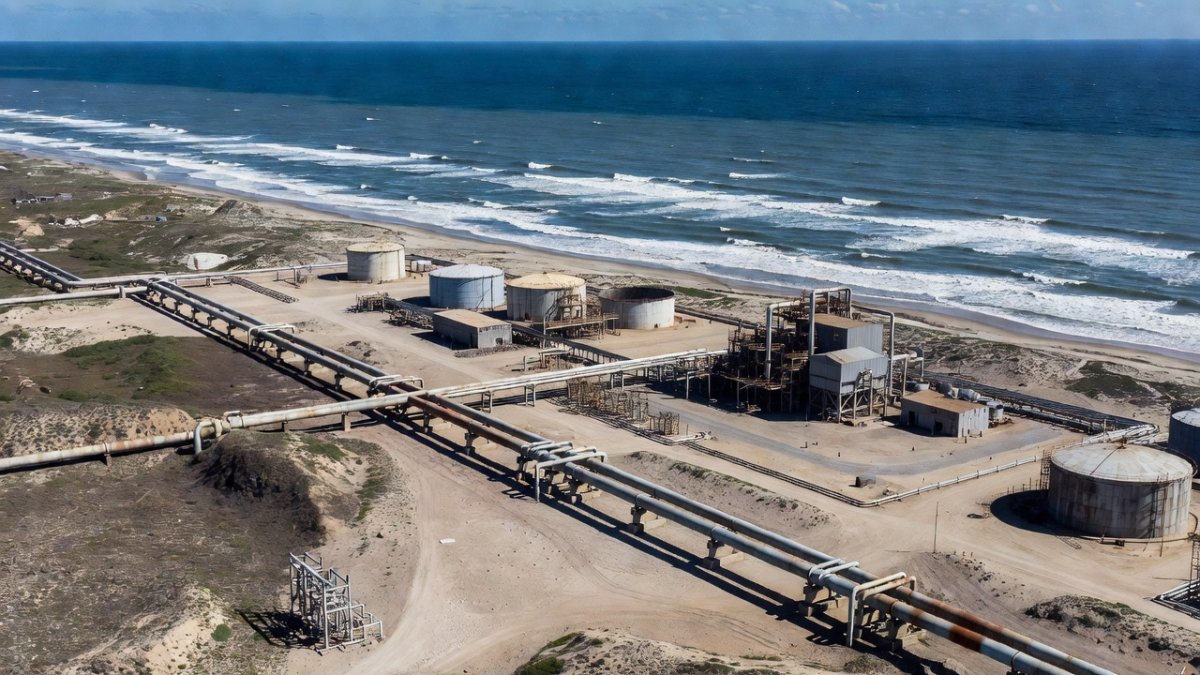
In a pivotal move that could transform energy access for millions across West Africa, ECOWAS leaders and Moroccan officials have signed a landmark agreement for the Nigeria-Morocco Atlantic African Gas Pipeline. The July 19, 2026, deal in Freetown shifts the long-discussed project from planning to concrete action, promising steadier cooking fuel and electricity for coastal communities from Lagos to Dakar. For families still relying on charcoal or costly imports, this shared infrastructure offers a path toward more reliable and affordable energy.
ECOWAS Signs Nigeria-Morocco Gas Pipeline Pact
Dakar, Senegal — On July 19, 2026, ECOWAS Commissioner for Infrastructure, Energy and Digitalization Sediko Douka joined Director General Amina Benkhadra of Morocco's National Office of Hydrocarbons and Mines to sign the intergovernmental agreement for the Nigeria-Morocco Atlantic African Gas Pipeline during the ECOWAS summit in Freetown, Sierra Leone. The moment marked a concrete step forward for a project first proposed in December 2016 by Nigeria's NNPC and ONHYM. For communities across West Africa, the signing signals that leaders are moving from studies to shared infrastructure that could reshape daily access to cooking fuel and electricity.
The Landmark Agreement Signed in Freetown
The pipeline is planned to stretch approximately 6,000 kilometres along the Atlantic coast, with estimates ranging between 5,660 and 6,800 kilometres. It will pass through thirteen countries: Nigeria, Benin, Togo, Ghana, Côte d'Ivoire, Liberia, Sierra Leone, Guinea, Guinea-Bissau, Gambia, Senegal, Mauritania and Morocco. A possible extension onward to Cádiz, Spain, would link the system to European markets. The route keeps the line close to coastal populations, where many households still rely on charcoal or imported fuels for cooking and small businesses struggle with unreliable power.
Route, Length and Participating Nations
Once complete, the pipeline is designed to carry 30 billion cubic metres of natural gas per year. The overall project is estimated at 25 billion dollars. Feasibility studies were finished in 2019, and front-end engineering and design work has continued since then under a contract awarded to WorleyParsons through its Intecsea division. Construction is expected to begin in 2028. These technical milestones give governments and investors clearer timelines for planning local connections and training technicians who will one day maintain the line.
Capacity, Cost and Technical Preparation
The OPEC Fund for International Development provided 14.3 million dollars specifically for the second phase of front-end engineering and design. The United Arab Emirates has also joined the funding effort. These contributions reduce the immediate burden on the thirteen participating states and demonstrate that external partners see long-term value in West African energy integration. For Senegal, where new gas discoveries are still being developed, such shared financing models could help local producers connect to a larger network without bearing the full cost alone.
International development finance has long underwritten African infrastructure because single governments rarely cover multi-billion-dollar costs alone. The OPEC Fund's contribution is modest beside the overall estimate, yet it signals coordinated backing that can unlock further loans from larger institutions. The UAE's growing footprint in African energy adds another layer. Abu Dhabi has already taken stakes in Senegal's offshore blocks and Mauritania's hydrogen plans. Its participation here reflects a broader strategy of securing long-term supply routes while building political goodwill across the Sahel and coastal states. If the full amount proves difficult to raise at once, a phased approach remains realistic. Early segments linking Nigeria to Benin and Ghana could begin with partial funding, generating revenue that later finances extensions northward. This staged model has worked on other corridors and would let Senegal connect its own fields without waiting for every kilometre to be financed upfront.
Financing Partners and Study Support
The pipeline is intended to improve energy access across West Africa while cutting gas flaring in Nigeria. In Senegal, many rural families still cook with wood or expensive LPG cylinders whose prices swing with global markets. If the line eventually accepts gas from Senegal's own offshore fields, households in Thiès or Saint-Louis could see steadier supplies and lower costs. Mauritania's deposits offer a similar opportunity. The project therefore ties together national resources rather than treating each country's energy challenges in isolation.
Nigeria has flared gas for more than six decades, releasing over 7 billion cubic metres annually in recent years according to World Bank data. The practice has scorched farmland, polluted waterways and raised respiratory illnesses across the Niger Delta. Successive governments pledged to end routine flaring by 2030, yet progress remains slow. The Atlantic pipeline offers one concrete outlet for that gas, turning waste into a resource that could reach households hundreds of kilometres away. For families in Thiès or Saint-Louis, reliable gas supply would mean fewer expensive LPG cylinders and less time gathering firewood. Small restaurants and tailors could run cleaner stoves and generators without constant price shocks. Neighbouring projects such as Ghana's Jubilee gas infrastructure show how even modest volumes can stabilise local markets when distribution reaches towns rather than stopping at export terminals. Regional comparisons matter. The West African Power Pool has struggled with cross-border electricity trade because supply remains fragmented. A shared gas line could complement those efforts by feeding both power plants and direct household connections, giving communities a steadier alternative to charcoal markets that still dominate daily life.
Energy Access, Gas Flaring and Local Realities
From a Senegalese perspective, the Atlantic route offers a coastal corridor that aligns with existing ports and growing urban centres. Morocco has reportedly encouraged Nigeria to pursue this path instead of the inland Trans-Saharan Gas Pipeline. The choice carries implications for trade routes, security arrangements and future industrial zones along the coast. Dakar's policymakers will weigh how the pipeline affects plans to monetise local gas while maintaining strong ties with both Abuja and Rabat.
Senegal's offshore discoveries at Grand Tortue Ahmeyim and Yakaar-Teranga hold an estimated 40 trillion cubic feet of gas. These fields are already under development with partners including BP and Kosmos. The Atlantic pipeline gives Dakar a ready route to move some of that gas southward or northward, rather than relying solely on LNG export terminals that require massive cooling infrastructure. The choice of the coastal route over the inland Trans-Saharan option reflects both security and commercial logic. Morocco has quietly supported the Atlantic alignment because it passes through ports and cities where new industrial zones can be planned. For Senegal this means potential processing hubs near Dakar and Saint-Louis, strengthening ties with Rabat while keeping Abuja engaged as the main supplier. Regional politics will still require careful balancing. Senegal must ensure its domestic gas monetisation plans are not overshadowed by transit revenues. Neighbouring Mauritania, which shares the Grand Tortue field, will also seek fair access. The pipeline therefore becomes both an energy project and a test of how coastal states coordinate on shared resources.
Senegal's Position and Regional Politics
Since the 2022 disruption of Russian supplies, Europe has actively sought new gas sources. West African volumes delivered through the Cádiz link would diversify supply away from any single region. The volumes on offer—up to 30 billion cubic metres—represent a meaningful but not overwhelming share of European demand, allowing gradual integration rather than sudden dependence. A 25-year construction timeline means the first gas may not reach Spain until the mid-2030s at best. Delays are common on such projects, yet the long horizon also allows countries to train local engineers and build regulatory frameworks step by step. Early segments serving West African markets could begin operating well before the European extension is complete.
For a typical family in Dakar or Accra, success would look modest but tangible: a reliable gas cooker replacing charcoal, a small generator that runs without constant fuel shortages, and perhaps a son or daughter employed maintaining the line. Those everyday improvements, repeated across thousands of households, would mark the real measure of whether the pipeline delivers on its promise. The planned link to Cádiz, Spain, would give West African gas a direct path to European buyers. This dimension adds geopolitical weight to the project, positioning the thirteen nations as collective suppliers rather than individual exporters. For ordinary citizens, the promise lies in jobs during construction, skills transfer in operations, and the possibility that cheaper, cleaner domestic energy gradually replaces charcoal markets that still dominate many neighbourhoods. The July 2026 signing in Freetown has set these possibilities in motion, but steady follow-through by ECOWAS members will determine how widely the benefits reach.
European Extension and Long-Term Outlook
By Amara Diop, Staff WriterThis article was produced with AI-assisted research and editorial support. Reporting is based on sources cited in the article.
What's Your Reaction?
 Like
0
Like
0
 Dislike
0
Dislike
0
 Love
0
Love
0
 Funny
0
Funny
0
 Wow
0
Wow
0
 Sad
0
Sad
0
 Angry
0
Angry
0

West Africa/Sahel Correspondent at Global1.News. Dakar-based journalist covering politics, security, climate, and development across Francophone and Anglophone West Africa. Tells the stories of a region undergoing profound transformation.











Comments (0)