
Could Fake Pills Unlock Real Gains for Aging Minds and Bodies?
Could Fake Pills Unlock Real Gains for Aging Minds and Bodies? Imagine popping a pill every day for three weeks, knowing full well it contains nothing but sugar or starch, and still feeling sharper, stronger, and less stressed. That is exactly what happened for some older adults in a recent Italian study, and the results are prompting fresh questions about how our expectations
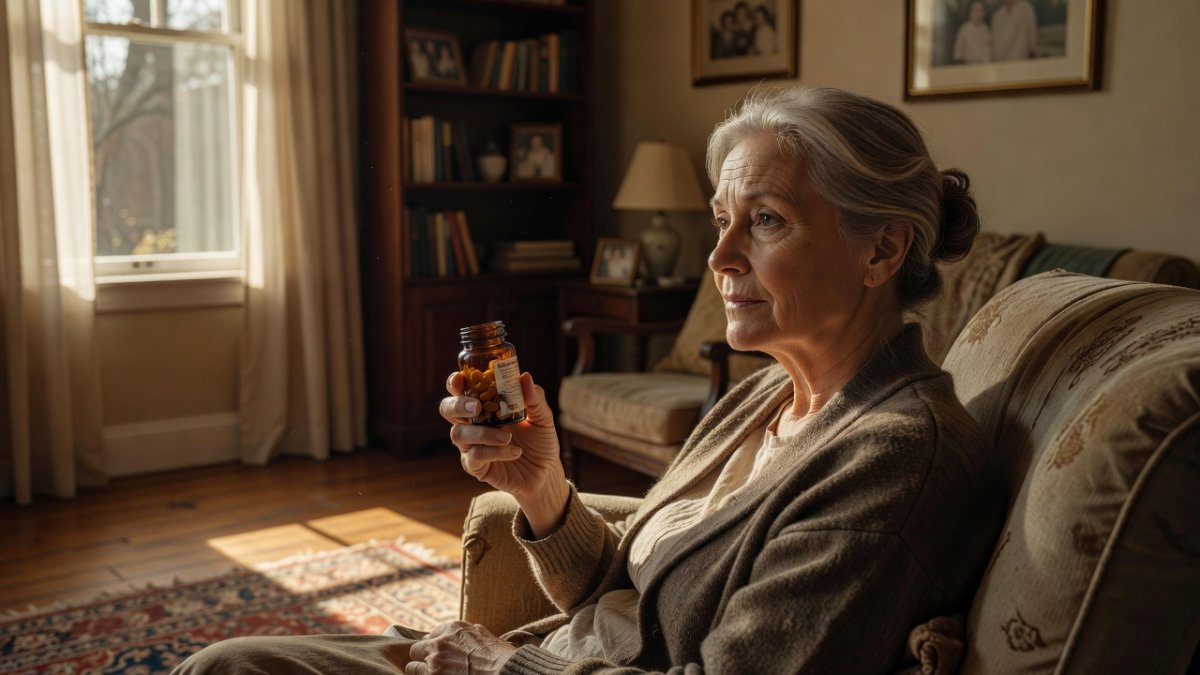
Imagine popping a pill every day for three weeks, knowing full well it contains nothing but sugar or starch, and still feeling sharper, stronger, and less stressed. That is exactly what happened for some older adults in a recent Italian study, and the results are prompting fresh questions about how our expectations shape the aging process.
Placebos Without the Deception
Most of us picture a placebo as a sugar pill given in secret during a clinical trial. The classic setup relies on people believing they might be getting real medicine. Yet researchers at Università Cattolica in Milan wondered what would happen if the secret were dropped entirely. They focused on open-label placebos, inactive pills that participants know contain no active ingredients. The team, led by Diletta Barbiani, Alessandro Antonietti, and Francesco Pagnini, published their findings in the International Journal of Clinical and Health Psychology with support from PNRR grants through the Age-IT project.
Why does this matter for older adults? Many people in later life take supplements hoping to protect memory or maintain mobility, even when evidence for those products remains limited. If simply taking a pill with transparent information can produce measurable changes, the implications reach beyond any single supplement bottle.
Designing a Three-Week Experiment with 90 Volunteers
The researchers recruited 90 healthy older adults and divided them randomly into three groups. One group received no pills at all and served as the control. A second group took placebo pills while being told the capsules held active ingredients meant to improve well-being and physical function. The third group received identical inactive pills but was told upfront that the capsules were placebos with no active ingredients.
After three weeks, the team measured stress levels, short-term memory, physical performance, and drowsiness. Because the study used standard assessments rather than experimental equipment, the results reflect changes that could appear in everyday clinical settings. The design also allowed direct comparison between people who believed they were taking something “real” and those who knew they were taking nothing.
Physical and Cognitive Changes Observed Across Groups
Physical performance rose by 7 percent in the group that believed the pills were active and by 9.2 percent in the open-label placebo group. Cognitive performance improved between 12.6 percent and 14.6 percent among participants who thought they were receiving a real supplement. Those who knowingly took placebos showed gains ranging from 6.9 percent to 21.5 percent. Short-term memory also improved noticeably in the open-label group.
Stress levels dropped most clearly among participants who knew they were taking placebos, and this group outperformed both the deceptive placebo group and the no-treatment control. Reductions in drowsiness appeared across the placebo arms, though the open-label condition again showed particular strength. These patterns suggest that transparency did not erase the benefits and, in some measures, may have enhanced them.
Why Knowing the Truth Might Still Matter
One might expect that removing the element of belief would wipe out any placebo response. Instead, the openly informed participants often fared as well as or better than those who were misled. The study does not explain the exact pathways, yet the findings align with earlier work showing that expectations and ritual can influence outcomes even when people understand the mechanism.
Because the source material does not detail biological or psychological mechanisms, any deeper interpretation remains speculative. What the data do show is a consistent pattern: three weeks of pill-taking, whether deceptive or transparent, coincided with measurable shifts in both body and mind among these healthy older adults.
What This Could Mean for Everyday Aging
For individuals curious about supporting healthy aging, the study offers a gentle reminder that daily routines and expectations can shape how we feel. A simple, transparent pill ritual is not a substitute for exercise, sleep, or medical care, yet it may complement those foundations in ways researchers are only beginning to explore.
Future studies will need to test larger and more diverse groups, track longer time frames, and examine whether similar effects appear in people already experiencing mild cognitive changes. Until then, the Milan findings invite us to consider how much of our well-being might be influenced by the simple act of showing up for ourselves, even when we know the tool is modest.
By Allan Ali, Global1.News CorrespondentThis article was produced with AI-assisted research and editorial support. Reporting is based on sources cited in the article.
What's Your Reaction?
 Like
0
Like
0
 Dislike
0
Dislike
0
 Love
0
Love
0
 Funny
0
Funny
0
 Wow
0
Wow
0
 Sad
0
Sad
0
 Angry
0
Angry
0

Publisher of Global1.News. Automation architect, systems builder, and the guy making sure the truth gets published.















Comments (0)