
Massive Assam Floods 2026 Hit 1.7 Lakh With Health Crisis
The 2026 Assam floods have triggered a severe public health emergency, displacing 1.7 lakh people across 12 districts while waterborne diseases strike 70 percent of those in relief camps. With five new deaths raising the yearly toll to 40, Indian Army forces launched Operation Jal Rahat on July 20 to rescue thousands amid widespread infrastructure collapse.
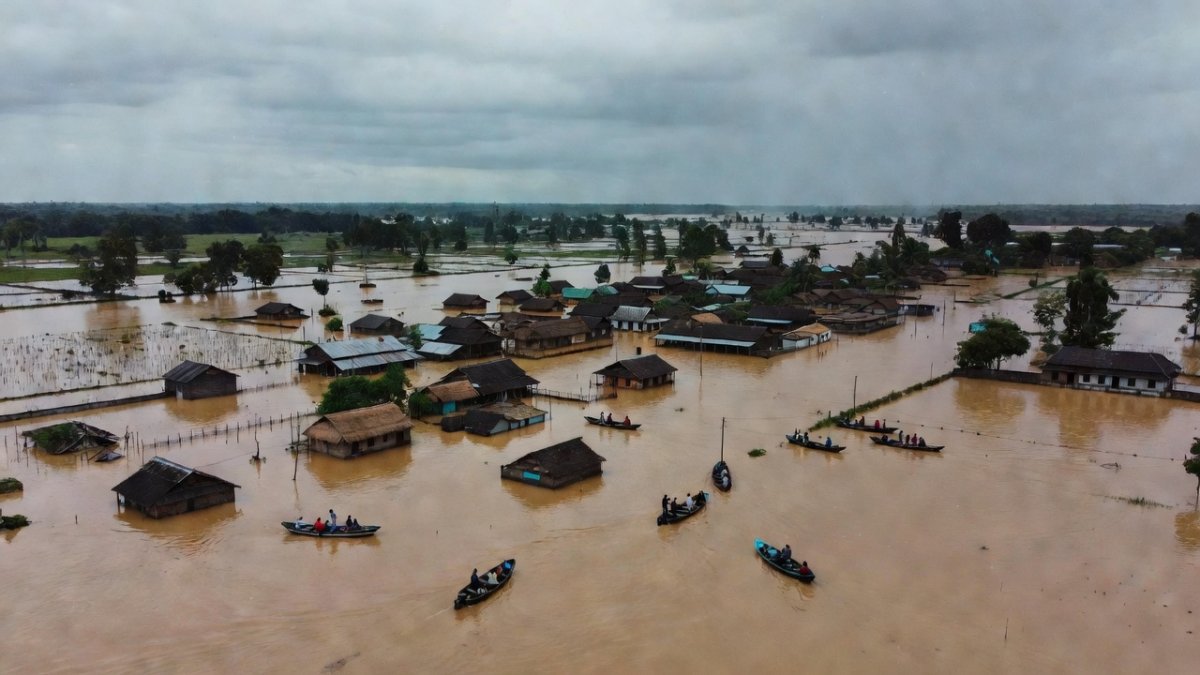
The 2026 Assam floods have triggered a severe public health emergency, displacing 1.7 lakh people across 12 districts while waterborne diseases strike 70 percent of those in relief camps. With five new deaths raising the yearly toll to 40, Indian Army forces launched Operation Jal Rahat on July 20 to rescue thousands amid widespread infrastructure collapse. The crisis underscores how recurring monsoon patterns, now intensified by climate shifts, continue to overwhelm Assam’s health and disaster systems.
Assam Floods 2026 Spark Health Crisis for 1.7 Lakh Affected
New Delhi, India – July 20, 2026 — The ongoing floods in Assam have displaced over 1.7 lakh residents across 12 districts as of July 20, 2026, prompting a massive multi-agency response including Operation Jal Rahat.
The Scale of the 2026 Assam Floods
The floods that began in mid-July 2026 have affected over 1.7 lakh people across 12 districts, 30 revenue circles and 580 villages in Assam. Districts including Bajali, Barpeta, Cachar, Darrang, Goalpara, Kamrup, Karimganj, Nagaon and Hojai report the highest numbers of displaced residents. Five deaths occurred in the current wave, bringing the total flood-related fatalities in Assam for 2026 to 40. These figures come directly from state disaster management records dated July 20, 2026. Earlier 2026 flood waves in May and June already displaced 92,000 people before the July surge compounded the crisis, revealing gaps in seasonal preparedness.
Health Crisis in Relief Camps
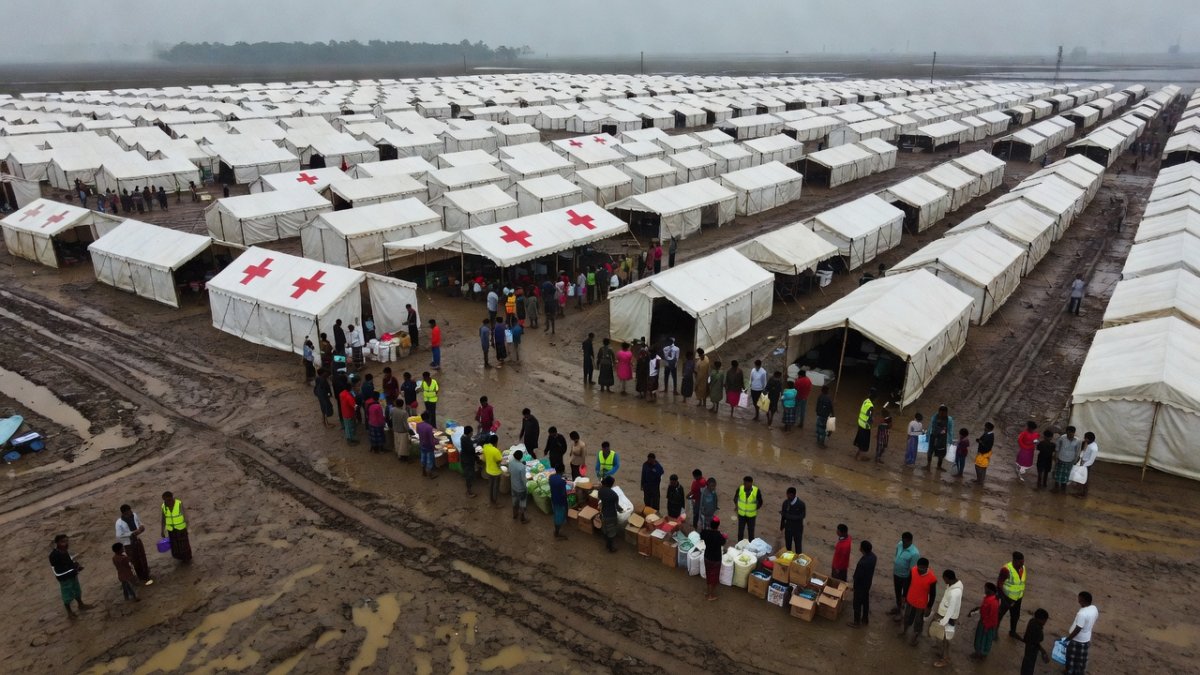
Seventy percent of flood-affected people in Assam and neighboring Manipur now suffer from waterborne diseases. Common conditions include diarrhea, cholera and skin infections. The health crisis in Assam's relief camps has intensified with diarrhea cases accounting for nearly 48 percent of reported illnesses, alongside 87 confirmed cholera incidents and widespread skin infections in Barpeta and Nagaon districts alone. State health department data shows mobile medical units and ASHA workers treating over 2,400 patients daily, yet overcrowding leaves limited isolation capacity. The Indian Council of Medical Research has deployed rapid diagnostic kits and surveillance teams to monitor water quality, building on lessons from the 2020 floods when similar outbreaks affected 62 percent of displaced populations. Medical teams have already treated hundreds of women and children in the 77 relief camps established across the state. Overcrowding and contaminated water supplies in camps located in Barpeta and Nagaon districts accelerate transmission rates.
Impact on Vulnerable Populations
Pregnant women face acute risks from dehydration and limited prenatal care, while children under five suffer disproportionately from acute watery diarrhea due to underdeveloped immunity. Elderly residents in the 77 camps report higher rates of secondary infections from contaminated supplies. Targeted interventions such as widespread distribution of oral rehydration salts, water purification tablets, and typhoid-hepatitis vaccination drives could cut transmission by up to 60 percent, according to ICMR modeling, if scaled immediately across all districts.
Military and Government Response Operations
The Indian Army launched Operation Jal Rahat on July 20, 2026, deploying multiple columns in the worst-affected districts. Under Operation Jal Rahat-2, forces rescued over 1,560 people. The National Disaster Response Force has positioned 14 teams across Dhemaji, Lakhimpur, and Goalpara, coordinating with the State Disaster Response Force, Assam Rifles and Indian Air Force for joint rescue efforts. The Indian Air Force conducts airdrops of 12,000 food packets and 8,000 liters of purified water daily to cut-off areas. Assam Chief Minister Himanta Biswa Sarma directed district administrations to release Rs 25 crore in immediate relief and prioritize tarpaulin distribution for temporary shelters, with overall state commitments including Rs 500 crore in ex-gratia payments for affected families. However, disbursement delays mirror patterns seen in 2022 when only 40 percent reached beneficiaries within the first month. The Indian Air Force's C-130 sorties have proven critical for cut-off areas in the Barak Valley, delivering essential medicines and dry rations where road access remains severed. Logistical bottlenecks persist in Majuli and Biswanath, where breached embankments have isolated 47 villages, forcing reliance on boat and helicopter evacuations.
Damage to Infrastructure and Healthcare Access
Roads, bridges and irrigation canals suffered extensive damage in Hojai, Lakhimpur and Nagaon districts. These disruptions block supply routes for medicines and medical personnel. Primary health centers in rural Kamrup and Darrang now operate at reduced capacity. The Assam healthcare framework, already stretched by annual monsoon events, faces direct pressure on its district-level emergency response systems. Revenue circle administration remains the key governance unit for relief allocation, yet fragmented data collection at the village level often delays targeted aid to the most vulnerable clusters.
Climate Patterns and Recurring Northeast Floods
The relentless monsoon across Northeast India has simultaneously impacted Assam, Manipur and Nagaland in 2026. Rising river levels from the Brahmaputra and its tributaries follow established seasonal patterns intensified by changing rainfall distribution. Assam experiences these floods yearly, yet the current scale exceeds previous years in affected village counts. Assam’s flood recurrence follows a well-documented cycle, with the Brahmaputra and its tributaries overflowing in 22 of the last 30 years, the worst episodes occurring in 2004 and 2012 when over 3 million were displaced. Changing monsoon patterns, marked by 18 percent more intense rainfall events since 2000 per India Meteorological Department records, have shortened dry intervals and prolonged inundation periods across the Northeast. Climate science links these shifts to broader warming trends affecting the Bay of Bengal moisture influx, prompting calls for updated embankment designs and coordinated dam management with upstream Bhutan and Arunachal Pradesh. Annual averages show 2.5 million people impacted yearly, compared with this season’s 1.7 lakh so far, underscoring how aging infrastructure like the 4,500 km of embankments often fails during peak flows exceeding 50,000 cusecs.
Agricultural and Economic Losses
The current floods have damaged standing paddy across 38,000 hectares in 12 districts, threatening food security for agriculture-dependent households whose average landholding is under 1.2 hectares. Livestock losses exceed 14,000 cattle and poultry, compounding economic distress in revenue circles where village-level panchayats struggle to assess and report damages promptly to state authorities.
Assam contributes roughly 4.2 million tonnes of rice annually to India's northeastern food basket, accounting for nearly 5 percent of national paddy output from its 2.8 million hectares under cultivation. The inundation of 38,000 hectares therefore represents approximately 1.36 percent of the state's total rice area, yet the concentration in 12 flood-prone districts amplifies local losses to between 8 and 12 percent of standing crops in revenue circles such as Dhubri, Barpeta and Goalpara. With average holdings below 1.2 hectares, marginal farmers face immediate income shortfalls of Rs 18,000–25,000 per household, pushing many into distress sales of livestock or migration. These disruptions threaten to elevate retail rice prices across the Northeast by 6–9 percent during the lean season, according to the Ministry of Consumer Affairs' price-monitoring cell, as inter-state movement from surplus districts slows.
Under the Pradhan Mantri Fasal Bima Yojana, eligible farmers may claim up to Rs 25,000 per hectare for paddy, yet claim settlement through the Agriculture Insurance Company of India has averaged only 47 days in Assam, leaving families without liquidity during the critical sowing window. In Cachar and Dibrugarh, where tea gardens occupy low-lying estates, waterlogging has damaged an estimated 3,200 hectares of small tea growers' bushes, reducing the second-flush harvest by 15 percent and affecting auction prices at the Guwahati Tea Auction Centre. Repeated crop failures have deepened indebtedness; NABARD's 2023 rural credit survey shows that 62 percent of Assam's smallholders already carry outstanding loans exceeding Rs 80,000, with fresh borrowing from informal moneylenders at 36–48 percent interest rates risking a multi-year debt trap unless the state's Revenue Department expedites ex-gratia payments through the Assam State Disaster Management Authority.
Policy Implications for Public Health Preparedness
Assam requires upgraded early-warning systems and permanent elevated health infrastructure in flood-prone revenue circles. Investment in mobile medical units and water purification at relief sites would reduce the 70 percent waterborne disease burden. State and central coordination through the National Disaster Management Authority must prioritize Assam’s district health budgets ahead of future monsoons.
Effective public-health preparedness in Assam hinges on adopting flood-resilient design standards for Primary Health Centres, mandating plinth levels at least 1.5 metres above the highest flood line as recommended by the National Disaster Management Authority's 2022 guidelines. Pre-positioned medical stockpiles — containing ORS, doxycycline and rapid diagnostic kits for leptospirosis — should be maintained at block-level warehouses under the National Health Mission's disaster module, ensuring 72-hour autonomy during road blockages. Training 12,000 ASHA workers in flood-specific protocols, including safe delivery in relief camps and vector-control measures, would mirror Odisha's successful 2021 model that reduced post-flood diarrhoeal deaths by 68 percent.
The 15th Finance Commission has earmarked Rs 1,200 crore for Assam's disaster-resilient health infrastructure through 2026, yet utilisation remains below 35 percent; NITI Aayog's 2023 report on flood-prone states urges ring-fenced allocations within district health budgets to avoid diversion. Kerala's use of GIS-based early-warning dashboards linked to panchayat-level WhatsApp groups offers a replicable template for Assam's 2,500 flood-vulnerable revenue circles. Integrating these measures with the National Health Mission's existing mobile medical units could lower the current 70 percent waterborne disease burden by half within two monsoon cycles, provided inter-departmental coordination between the Health and Disaster Management departments is institutionalised through annual joint simulations.
— By Dr. Raj Patel, Staff Writer
This article was produced with AI-assisted research and editorial support. Reporting is based on sources cited in the article.
What's Your Reaction?
 Like
0
Like
0
 Dislike
0
Dislike
0
 Love
0
Love
0
 Funny
0
Funny
0
 Wow
0
Wow
0
 Sad
0
Sad
0
 Angry
0
Angry
0

India/South Asia Correspondent at Global1.News. Analytical voice with a background in science and health journalism. Based in New Delhi, covering Indian politics, education, healthcare, technology, and policy. Breaks down complex data into clear, actionable reporting.














Comments (0)