
Japan Ink Shortage Drives Packaging Innovation
Japan's packaging landscape is undergoing a visible transformation as Middle East instability disrupts naphtha supplies, compelling major food manufacturers to adopt monochrome designs while the printing industry pivots toward synthetic alternatives and digital technologies.
Japan's packaging landscape is undergoing a visible transformation as Middle East instability disrupts naphtha supplies, compelling major food manufacturers to adopt monochrome designs while the printing industry pivots toward synthetic alternatives and digital technologies. This supply shock, rooted in the Strait of Hormuz chokepoint, has rippled from petrochemical feedstocks to supermarket shelves, exposing structural vulnerabilities yet accelerating innovation in pigments and production methods. The result is a dual narrative of constraint and adaptation that may redefine Japanese manufacturing resilience.
Japan Ink Shortage Spurs Packaging and Tech Shifts
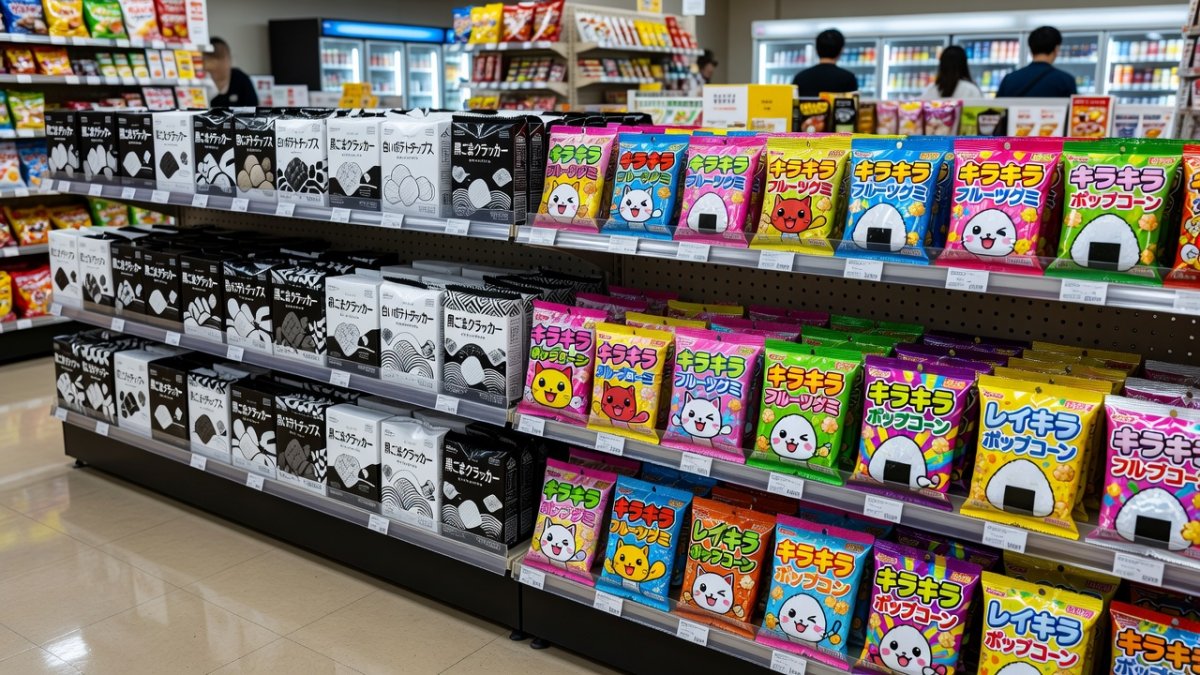
Tokyo, Japan — Middle East instability is reshaping product appearances on Japanese shelves as companies confront ink shortages stemming from disrupted naphtha imports. Food manufacturers including Calbee and Kagome have simplified packaging to black-and-white formats to stabilize costs, while the sector accelerates investment in synthetic inks and digital printing. METI monitoring highlights broader risks to supply chains that link regional energy flows directly to consumer goods.
Background: The Ink Supply Crisis
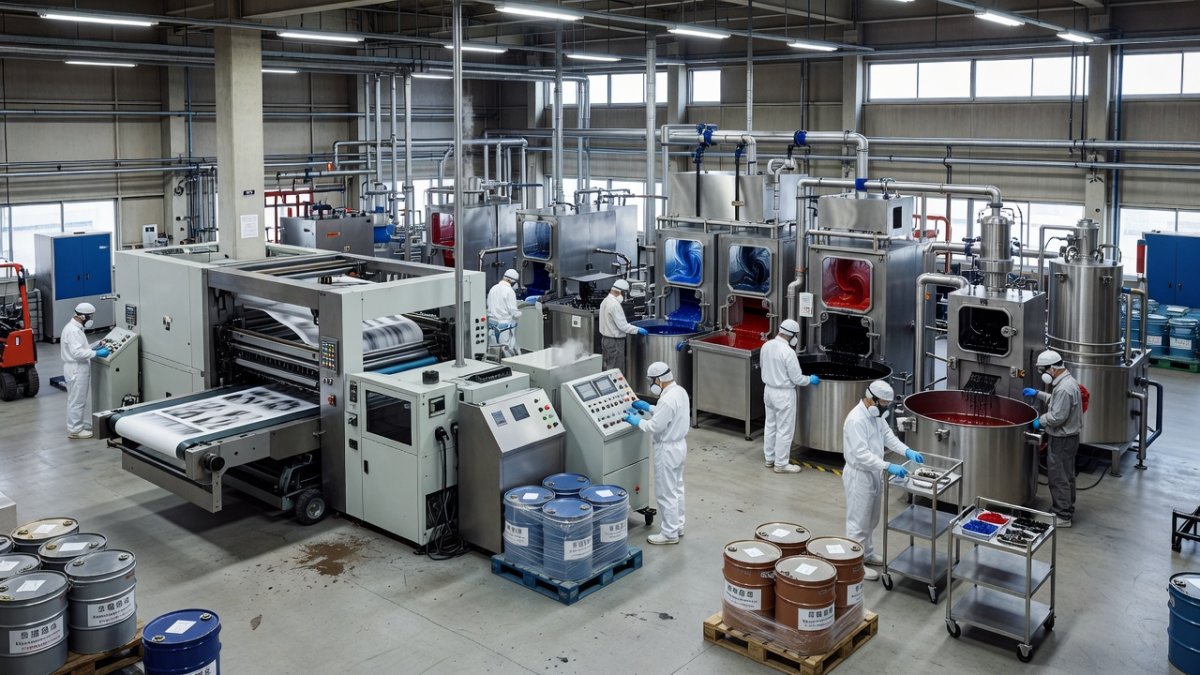
Japan imports approximately 40 percent of its naphtha, a primary feedstock for printing inks, from the Middle East. Disruptions in this flow have reduced availability of pigments and related chemicals, forcing packaging producers to limit color usage. The situation has prompted food companies to simplify designs rather than increase retail prices, illustrating the direct link between regional energy flows and everyday consumer goods. The disruption in naphtha flows through the Strait of Hormuz has exposed the fragility of Japan's petrochemical feedstock supply, where roughly 40 percent originates from the Middle East. Naphtha undergoes steam cracking to yield key intermediates such as ethylene and propylene, which are then processed into aromatic compounds that serve as precursors for both solvents and pigment binders in printing inks. When these supply lines tightened between late 2025 and mid-2026, downstream shortages first manifested in reduced availability of toluene and xylene solvents, followed by constraints on organic pigments essential for color reproduction. This sequence quickly rippled outward from food packaging into commercial printing and magazine production, where lead times lengthened and spot prices for finished inks rose sharply. Publishers and advertising agencies faced immediate decisions on run lengths and color pages, illustrating how a single upstream bottleneck can cascade across multiple sectors. The timeline of shortages aligned with seasonal demand peaks for summer packaging campaigns, amplifying the effect on companies already operating with lean inventories. METI's subsequent monitoring of the entire supply chain underscored the recognition that printing inks, though a small fraction of total petrochemical output, sit at a critical node linking energy imports to everyday consumer goods.
Corporate Response: From Calbee to Kagome
Calbee, Japan’s largest snack maker, switched 14 product variants to black-and-white packaging in May 2026. The company later announced plans to restore full-color printing on eight of those items beginning the week of July 27, 2026. Kagome, a leading producer of ketchup and other food products, similarly reduced the number of colors on its packaging. Additional food manufacturers have followed comparable strategies to manage costs while maintaining stable shelf prices. Beyond the initial moves by Calbee and Kagome, other food manufacturers adopted comparable strategies of reducing color complexity on secondary packaging while preserving essential branding elements. These adjustments typically involved shifting non-critical graphics to single-color or line-art treatments and consolidating multiple SKUs onto shared monochrome templates. Consumer sentiment on social media platforms showed a split reaction: some users expressed nostalgia for simpler designs reminiscent of earlier decades, while others voiced mild frustration over perceived reductions in product appeal, though measurable sales declines remained limited in the short term. Rough calculations suggest that ink and associated color-separation costs can represent between 3 and 7 percent of total flexible packaging expenses for high-volume items. By eliminating multi-station printing passes, firms achieved modest but cumulative savings that helped offset rising raw-material volatility. The restoration of color on select Calbee lines after July 2026 indicated that partial recovery was feasible once alternative solvent allocations were secured, providing a template for phased reversion rather than permanent simplification.
Japan's Supply Chain Vulnerability
The current shortage underscores Japan’s exposure to Middle East supply routes, particularly shipments passing through the Strait of Hormuz. Naphtha dependency remains a structural feature of the domestic chemical industry, and any prolonged interruption quickly affects downstream sectors such as printing and packaging. METI has been monitoring these supply-chain effects to assess potential broader impacts on manufacturing. Japan's heavy reliance on imported energy feedstocks creates structural exposure that extends well beyond any single commodity. With limited domestic hydrocarbon resources, the country maintains strategic reserves of crude and refined products, yet naphtha's specialized role in chemical manufacturing means these buffers offer only partial protection during prolonged disruptions. Historical episodes of supply stress have repeatedly prompted policy reviews focused on diversification, yet the concentration of naphtha sourcing continues to mirror patterns seen across Northeast Asia. Comparisons with South Korea and China reveal similar import dependencies, though Japan's downstream manufacturing base tends to hold smaller buffer stocks of finished intermediates. This configuration leaves limited room for substitution when pigment and solvent deliveries are curtailed. The current episode therefore serves as a reminder that even mature industrial economies remain tethered to geographically concentrated supply routes for materials that appear minor in aggregate trade statistics but prove indispensable to daily production.
Turning Crisis into Opportunity
Some Japanese printing and packaging companies are directing resources toward alternative pigment technologies, synthetic inks, and digital printing solutions. These investments aim to reduce reliance on imported naphtha-derived materials. The crisis has also intensified interest in expanding domestic ink production capacity and diversifying supplier networks beyond traditional sources. Japanese chemical producers have accelerated evaluation of bio-based and recycled solvents that could reduce dependence on imported naphtha derivatives. Parallel efforts in corporate laboratories focus on developing high-opacity inorganic pigments that require fewer printing passes, thereby lowering overall ink consumption. Adoption of digital printing technologies, already higher in certain commercial segments than the global average, offers another pathway by enabling on-demand color without large preprint inventories. University research programs are examining synthetic routes to azo and phthalocyanine pigments using domestically available intermediates, with pilot-scale trials projected to inform feasibility within the next investment cycle. These initiatives collectively aim to shorten the distance between feedstock and finished ink, mitigating the effects of future maritime chokepoint events. Early movers in packaging design are also exploring minimalist aesthetics that align with both cost and sustainability objectives.
Expert Perspectives
METI officials continue to track the situation for signs of sustained pressure on small and medium-sized packaging firms. Industry analysts note that the shift toward digital printing could align with broader goals under the Green Transformation (GX) initiative by lowering solvent use. Supply-chain specialists emphasize that diversification efforts may gradually lessen vulnerability, although full substitution of Middle East naphtha volumes will require coordinated policy support.
Implications for Asia Pacific
Regional supply chains that serve Japanese manufacturers are experiencing secondary effects as orders for conventional inks decline. Countries supplying alternative chemical inputs may see increased demand, while digital printing equipment providers are positioning themselves for expanded adoption across East Asia. The Japanese experience offers a case study in how energy-linked disruptions can accelerate technology transitions in adjacent markets.
What to Watch For
Attention will focus on whether Calbee completes its planned restoration of color printing on schedule and whether other firms maintain reduced-color formats. Further announcements on domestic ink facilities and METI-supported diversification projects are expected. Continued progress in synthetic ink development and digital printing deployment will indicate how effectively the sector converts the current challenge into lasting technological capability. METI is expected to outline a phased support framework that could include targeted incentives for domestic capacity in pigment intermediates and solvent recovery. Any such measures would likely prioritize technologies that also advance recycling targets, linking ink supply security to broader circular-economy goals. Exporters of Japanese food products will need to verify that simplified or alternative packaging continues to meet destination-market labeling and shelf-life standards. Over a longer horizon, sustained pressure on color printing costs may reinforce consumer acceptance of restrained packaging designs, potentially shifting baseline expectations away from elaborate multicolor graphics. Observers will track whether these adaptations become entrenched or whether restored supply conditions prompt a return to previous visual standards.
By Kenji Tanaka, Staff Writer
This article was produced with AI-assisted research and editorial support. Reporting is based on sources cited in the article.
What's Your Reaction?
 Like
0
Like
0
 Dislike
0
Dislike
0
 Love
0
Love
0
 Funny
0
Funny
0
 Wow
0
Wow
0
 Sad
0
Sad
0
 Angry
0
Angry
0

Japan Correspondent at Global1.News. Tokyo-based voice covering Japanese politics, technology, economy, and culture. Tracks the intersection of tradition and innovation in one of the world's most dynamic societies.















Comments (0)