
Spain Conquer the World Again: Ferran Torres' Extra-Time Strike Dethrones Argentina in Epic World Cup Final
In a dramatic extra-time clash at the 2026 World Cup, Spain dethroned defending champions Argentina with a single Ferran Torres strike in the 106th minute, securing their second men's title and becoming the first nation to hold both men's and women's crowns simultaneously. Spain Wins World Cup: Torres Goal Beats Argentina New York/New Jersey, USA — Article continues with the dateline...
In a dramatic extra-time clash at the 2026 World Cup, Spain dethroned defending champions Argentina with a single Ferran Torres strike in the 106th minute, securing their second men's title and becoming the first nation to hold both men's and women's crowns simultaneously.
Spain Wins World Cup: Torres Goal Beats Argentina
New York/New Jersey, USA — Article continues with the dateline...
Ferran Torres Delivers in the 106th Minute
Spain defeated Argentina 1-0 in extra time on July 19, 2026, at MetLife Stadium in East Rutherford, New Jersey, to claim the FIFA World Cup. Ferran Torres scored the only goal in the 106th minute with his first strike of the entire tournament. The Barcelona forward turned in a cross from the right after Spain maintained pressure following Enzo Fernandez's dismissal.
The match formed part of the first 48-team World Cup, which produced over 300 goals across the tournament. More than 80,000 spectators filled MetLife Stadium while an estimated 2 billion viewers watched globally. Spain's victory marked their second men's title and made them the first nation to hold both men's and women's World Cup titles at the same time after the women's team won in 2023.
Spain's Total Dominance Exposed Argentina
Spain recorded 20 shots on goal before Argentina managed their first attempt. The Spanish side also claimed nine of the first ten corners. Argentina goalkeeper Emiliano Martinez set a World Cup final record with 12 saves, yet Spain still created enough chances to win without needing a shootout.
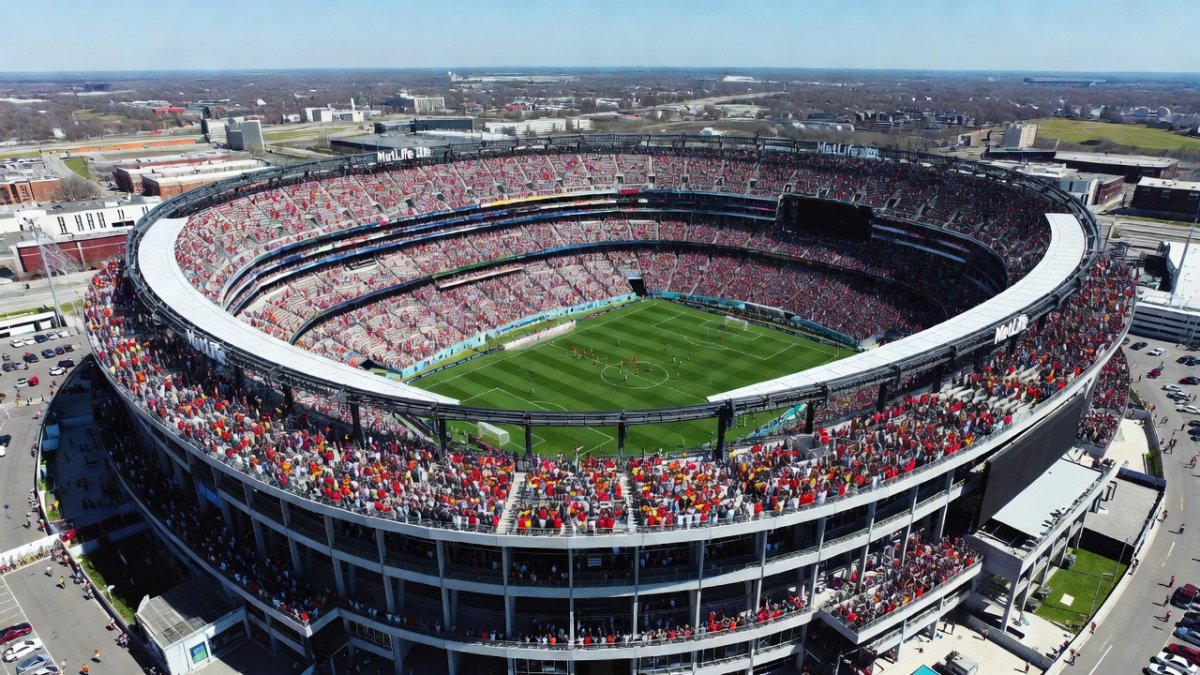
Nico Williams had a first-half goal disallowed for offside in a decision that drew immediate protests from the Spanish bench. Despite the setback, Spain controlled possession and territory throughout the 120 minutes. Their defensive record stood at just one goal conceded across eight matches, the fewest by any champion in World Cup history.
Red Cards and Post-Match Chaos End Argentina's Reign
Enzo Fernandez received a second yellow card in the 90+3 minute for a reckless tackle on 19-year-old Pau Cubarsi. Leandro Paredes was sent off after the final whistle during scuffles involving both sets of players. These dismissals left Argentina with nine men on the pitch for the closing stages of extra time.
The incidents capped a tense evening that included a star-studded halftime show featuring Madonna, Justin Bieber, BTS, Shakira, Burna Boy and Ted Lasso. FIFA President Gianni Infantino and former United States President Donald Trump jointly presented the trophy to Spain captain Rodri on the MetLife pitch.
Individual Awards Highlight Spanish Excellence
Rodri collected the Golden Ball as the tournament's best player. Pau Cubarsi, aged 19, won the Young Player of the Tournament award after anchoring Spain's back line. Coach Luis de la Fuente, 65, became the oldest manager to win a World Cup.
Spain entered the final unbeaten in 38 matches with a record of 29 wins and nine draws, the longest streak by any European men's national team. Lionel Messi, 39, likely played his final World Cup match and left the field in tears after Argentina's elimination.
What Bafana Bafana Can Take from Spain's System
South African football can draw direct lessons from Spain's collective approach and academy pathway. The Spanish model relies on short passing, positional discipline and youth integration rather than individual superstars. Bafana Bafana under Hugo Broos must study how Spain built this structure through consistent under-17 and under-20 competition.
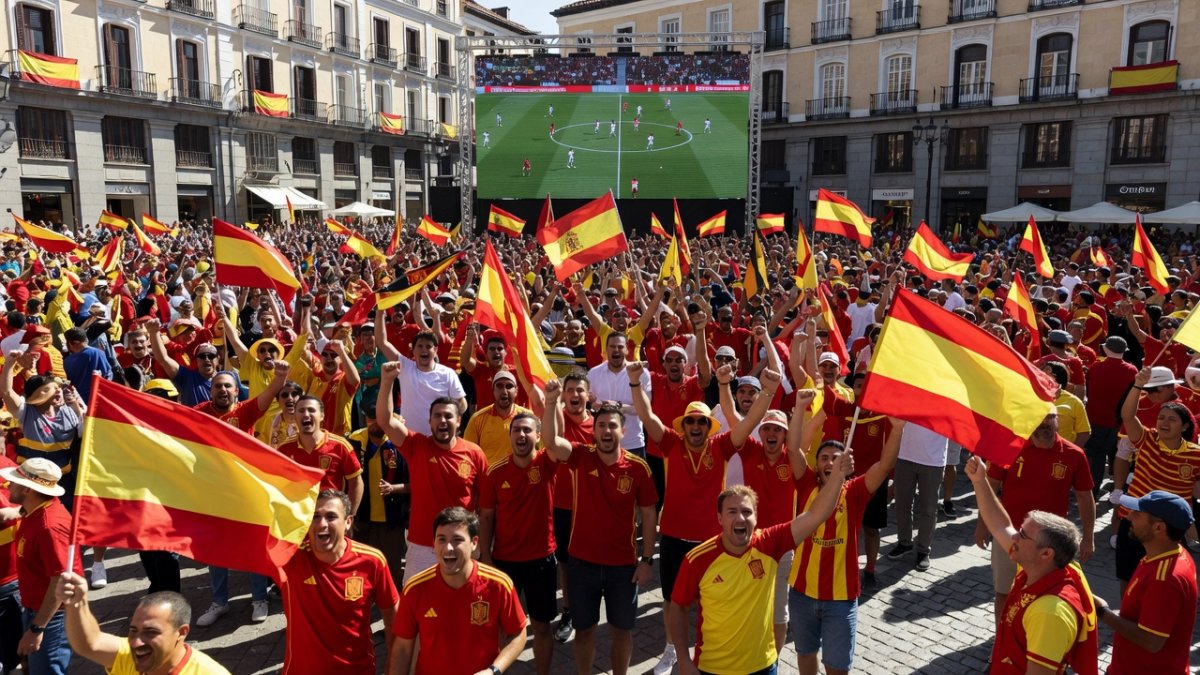
SAFA and the MultiChoice Diski Challenge already provide platforms for young PSL players, yet South Africa lacks the coordinated tiki-taka style drills that Spain's regional academies enforce from age eight. The 2010 World Cup hosted on South African soil showed the nation can stage global events, but the on-field legacy remains limited without similar youth investment.
African Teams and the Messi Farewell
Lionel Messi's exit carries particular weight for African supporters who followed his career through multiple World Cups. His tears at MetLife Stadium closed an era that inspired countless young players across the continent. African sides can still learn from Spain's rise without relying on one genius, focusing instead on squad depth and tactical cohesion.
Bafana Bafana's trajectory toward the 2030 World Cup requires the same patience Spain showed after earlier disappointments. Hugo Broos has emphasised defensive organisation and quick transitions, elements that mirrored Spain's approach in New Jersey. Domestic clubs in the PSL must now prioritise technical training over physical attributes alone if South Africa hopes to close the gap with European and South American nations.
Spain's success proves that structured development produces sustained results. South African football administrators at SAFA and SASCOC hold the responsibility to replicate that long-term planning rather than chasing short-term results. The 2026 final offered a clear blueprint for any nation willing to invest in its next generation of players.
In an electrifying moment that lit up MetLife Stadium, Ferran Torres rose like a true South African hero chasing glory, pouncing on that bouncing ball in the box during the 106th minute and burying it with his left foot just under the crossbar. The second-half substitute delivered the goal of his life, denying Argentina any chance at back-to-back titles and sending the Spanish bench into absolute pandemonium. "It was a goal scored by 47 million people," Torres roared afterward, capturing the pride of an entire nation in one unforgettable strike.
That finish not only sealed Spain's second men's World Cup crown but also highlighted the collective spirit that carried them through extra time against a resilient Argentina side. With Messi watching from the other end, Torres stayed calm under pressure and showed exactly why Spain's system triumphs time after time. The roar from over 80,000 fans echoed globally to nearly 2 billion viewers, proving football's magic knows no borders.
Spain's dominance was on full display from the opening whistle, as they unleashed the first 20 shots on goal before Argentina even managed a single attempt in the second half of extra time. Goalkeeper Emiliano Martinez stood tall with a World Cup final record 12 saves, keeping the 2022 champions alive despite Spain claiming nine of the first 10 corners. A first-half strike from Nico Williams was controversially disallowed, yet Spain's rock-solid defense conceded just one goal across eight matches, setting a new benchmark for champions.
This unbeaten run now stretches to 38 matches with 29 wins and nine draws, the longest streak by any European men's team ever. The 48-team tournament produced over 300 goals, but Spain's disciplined approach proved that collective football beats individual brilliance every single time. What a masterclass from a side that refused to let up even when the pressure mounted in New Jersey.
Tempers exploded after Enzo Fernandez earned his second yellow card in the 90+3 minute for a reckless tackle that sent 19-year-old Pau Cubarsi cartwheeling through the air, leaving Argentina down to ten men. Post-match scuffles erupted involving players from both sides and coach Lionel Scaloni, yet Spain responded with class by forming an honor guard for their opponents to walk through on the way to receive runner-up medals from President Donald Trump and FIFA President Gianni Infantino. The drama only added to the spectacle of this massive final.
Leandro Paredes was also sent off after the final whistle amid the chaos, but Spain kept their cool and focused on the victory. These moments showed the fine line between passion and discipline in the world's biggest game. In the end, the European champions handled the intensity with the same poise that defined their entire campaign.
Rodri claimed the Golden Ball as the tournament's standout performer, while young Pau Cubarsi lifted the Young Player of the Tournament award after his standout displays. At 65, coach Luis de la Fuente became the oldest manager to win a World Cup, proudly stating he felt nothing but pride accompanying his players on this historic journey. Lionel Messi, 39, left the field in tears after what he indicated was his final World Cup match, denied a second straight title by Spain's relentless system.
De la Fuente's men celebrated holding both men's and women's titles simultaneously after their 2023 women's triumph, a feat no other nation has achieved. These individual honors perfectly complemented the team's collective success in the expanded 48-team format that delivered more goals than any previous edition. What an era for Spanish football under this wise old coach.
From a South African perspective, Bafana Bafana can draw massive inspiration from Spain's academy system that produced stars like Cubarsi and Torres, building depth that lasted an incredible 38 matches unbeaten. SAFA should study how Spain turned youth development into back-to-back global dominance, especially as we reflect on our own 2010 hosting legacy where the world first saw Africa's passion for the game. The lessons in discipline and collective play could transform our local structures if applied with the same energy.
Spain's record of conceding just one goal across eight matches shows what focused coaching and academy investment can achieve, something our federation can replicate to elevate African football. Comparing this to 2010, when South Africa brought the World Cup home for the first time, reminds us that hosting greatness sparks long-term growth. Let's channel that same fire to build our own unbeaten streaks.
The 48-team expansion proved the World Cup belongs to everyone, opening doors for more African nations to dream big just as Spain showed that smart systems beat star power alone. Messi's tearful farewell after 104 matches in the biggest tournament ever leaves a legacy that inspires fans across our continent, proving age is no barrier when passion burns bright. Africa's future looks brighter with these expanded opportunities and Spain's blueprint for success.
With over 300 goals scored and nearly three per match on average, the tournament highlighted how global football is evolving, and South Africa must position itself to host or compete at the highest level again. Messi's journey from 2010 hero to 2026 farewell reminds every young African player that dedication pays off. The time is now for our continent to rise with the same honor and grit Spain displayed in New Jersey.
By Dante Williams, Staff WriterThis article was produced with AI-assisted research and editorial support. Reporting is based on sources cited in the article.
What's Your Reaction?
 Like
0
Like
0
 Dislike
0
Dislike
0
 Love
0
Love
0
 Funny
0
Funny
0
 Wow
0
Wow
0
 Sad
0
Sad
0
 Angry
0
Angry
0

Breaking News and Investigations Correspondent at Global1.News. Based in London, covering global breaking news, security, and investigative stories. Known for digging deeper and connecting the dots across continents.









Comments (0)