
Rohingya Sea Tragedies Highlight Andaman Dangers
In the quiet monsoon months when Thai fishing families along the Andaman coast light lanterns for safe returns, news of lost boats carrying hundreds of Rohingya travelers reminds us how the same waters connect our shared Southeast Asian fates. Two vessels that departed Myanmar in recent weeks have vanished or sunk, leaving families across borders waiting in anguish. These tragedies echo the compassion rooted in our Buddhist traditions of metta, urging us to see the human s...
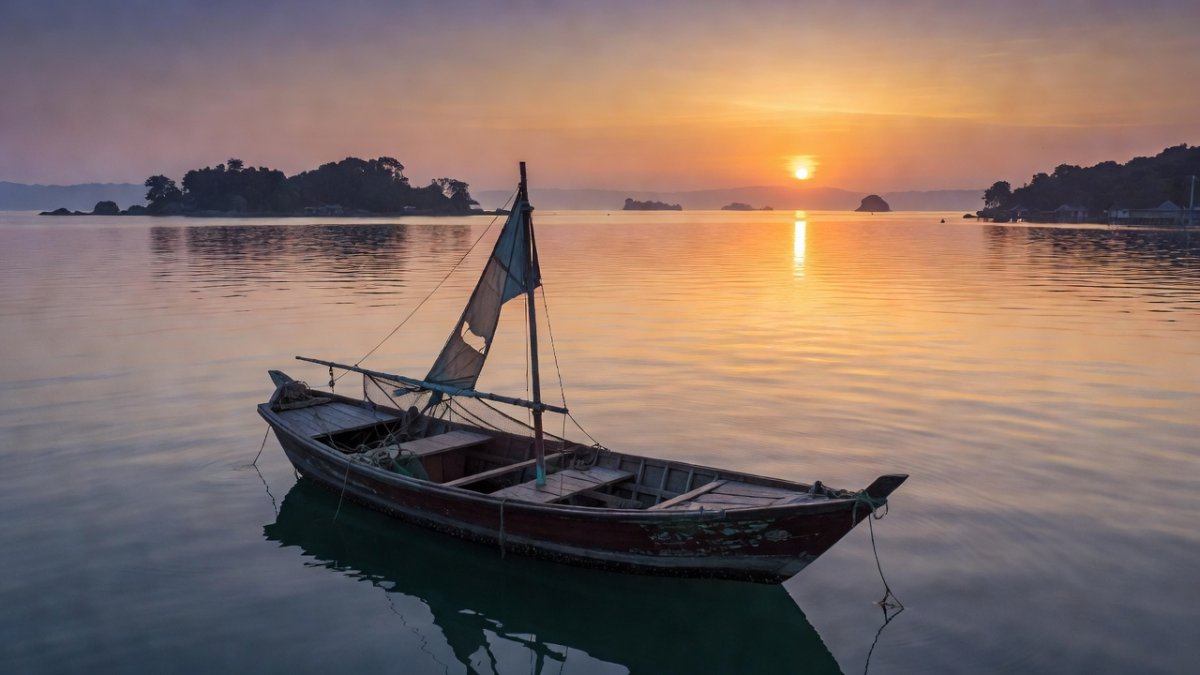
In the quiet monsoon months when Thai fishing families along the Andaman coast light lanterns for safe returns, news of lost boats carrying hundreds of Rohingya travelers reminds us how the same waters connect our shared Southeast Asian fates. Two vessels that departed Myanmar in recent weeks have vanished or sunk, leaving families across borders waiting in anguish. These tragedies echo the compassion rooted in our Buddhist traditions of metta, urging us to see the human stories behind the headlines.
Rohingya Sea Tragedies Highlight Andaman Dangers
Bangkok, Thailand — This Week — Two boats carrying Rohingya passengers from Myanmar have disappeared or sunk in the Andaman Sea and Bay of Bengal, adding to a rising toll of lives lost this year. International agencies now fear more than 500 people may be missing or dead as a result of these journeys. The incidents underscore the urgent need for regional cooperation to protect those forced onto dangerous maritime routes.
The Recent Boat Disasters Unfold
The first vessel carrying around 250 people lost contact after leaving Rakhine State in late June. Families in Cox's Bazar camps waited anxiously for any word as days turned into weeks. The second boat with about 280 passengers sank off the Ayeyarwady coast on 8 July, its wreckage scattered by strong currents. If verified, these losses bring the total of missing or dead in the Andaman Sea and Bay of Bengal close to 500 this year alone.
Passengers on both boats included Rohingya refugees who had sought shelter in Cox's Bazar camps in Bangladesh. Many had lived there for years amid overcrowding and monsoon flooding that makes daily life precarious. Limited aid and few opportunities pushed some to risk everything on the open water. UNHCR and IOM have documented how such journeys often begin with hope but end in heartbreak.
Thai coastal communities in places like Phuket and Krabi understand these waters well. Local fishing crews have rescued survivors in past seasons and know the sudden storms that can turn a voyage deadly. Their quiet acts of compassion reflect the gentle spirit many Thais hold toward those in distress at sea.
Verification of the numbers remains difficult because Myanmar's restricted information environment and military censorship limit what reaches the outside world. Still, the pattern of loss grows clearer with each passing week. Regional observers note that these recent cases fit a longer history of perilous crossings.
Navigating the Perilous Ayeyarwady Coast
The Ayeyarwady coast presents a complex delta geography filled with shifting sandbars and monsoon currents that challenge even experienced mariners. Limited navigational aids mean small boats often lose their way once they enter these waters. The second vessel sank here on 8 July, its passengers caught in conditions that change rapidly during the rainy season.
Thai sailors who ply similar routes in the Andaman Sea recognize how quickly weather can shift. Many remember the mass graves discovered in Thailand and Malaysia in 2015 that turned the region into a maritime graveyard for desperate travelers. Those memories linger in coastal villages where families still speak of the human cost.
Monsoon winds and hidden reefs make rescue operations especially hard in these waters. Without stronger coordination, boats can drift for days before help arrives. The geography itself becomes another silent factor in the rising toll.
Local knowledge passed down through generations in southern Thailand offers lessons in reading the sea. Sharing such insights across borders could help prevent future losses. The Andaman remains both a lifeline and a threat for those who must cross it.
Life in Overcrowded Cox's Bazar Camps
Nearly one million Rohingya now live in Cox's Bazar camps where overcrowding and monsoon flooding create daily hardships. Aid cuts have reduced food rations and medical support, leaving many families with few choices. For some, the dangerous sea journey appears as the only remaining path toward safety or work.
Children born in these camps have known little beyond the crowded shelters and muddy paths. Parents weigh the risks of staying against the unknown dangers of the water. The limited opportunities inside the camps push more people toward smugglers each season.
Thai readers familiar with refugee stories from neighboring countries understand how prolonged displacement wears on the spirit. The Rohingya situation in Bangladesh mirrors challenges seen elsewhere in Southeast Asia. Compassionate responses remain essential even when solutions feel distant.
Community leaders in the camps report rising desperation as the monsoon season intensifies. Flooded pathways and damaged shelters add pressure that drives risky decisions. International agencies continue to appeal for sustained support to ease these conditions.
Myanmar's Conflict Fuels Desperate Voyages
Worsening conflict in Myanmar, especially intensified military operations in Rakhine State, has forced more people onto the water. The Arakan Army's expanding control has created further instability that leaves civilians caught between sides. Many Rohingya see no future on land and turn to the sea instead.
Post-coup civil war has deepened the sense of uncertainty across Myanmar. Families who once hoped for peace now weigh the slim chances of survival at sea against certain hardship at home. The pattern repeats with each new wave of departures.
Thailand has long served as a primary transit point for those fleeing Myanmar. Maritime routes remain porous despite efforts to monitor them. This reality places Thai authorities and communities at the center of the response.
Buddhist teachings on compassion encourage many Thais to view these travelers with empathy rather than fear. The shared history of movement across Southeast Asia reminds us that borders have never fully contained human stories. Gentle understanding can guide better policies.
Thailand's Compassionate Response and Challenges
Thailand's refugee policy balances detention centers with occasional humanitarian gestures that allow temporary shelter. Coastal communities in Phuket and Krabi have shown quiet kindness by aiding survivors when boats reach shore. These local efforts reflect values many Thais hold dear.
Yet the porous nature of maritime routes continues to test resources. Fishing crews sometimes find themselves first on the scene when distress calls go unanswered. Their willingness to help echoes the Buddhist emphasis on relieving suffering wherever it appears.
Thailand could expand coordinated maritime patrols and share vessel tracking data with neighbors. Such steps would strengthen search and rescue without closing the door on those in need. Bilateral channels already exist that could support this work.
Humanitarian corridors through ASEAN or direct agreements offer another path forward. Thai diplomats have experience navigating these regional conversations. Building on that experience could save lives in the seasons ahead.
Regional Calls for Stronger Maritime Protection
UNHCR and IOM have urged stronger search and rescue operations along with decisive action against smuggling networks. These calls come as the number of missing or dead approaches 500 in the Andaman Sea and Bay of Bengal this year. Coordinated patrols could make a real difference.
Thailand stands in a position to lead by example through expanded vessel tracking and joint exercises. Sharing information with Myanmar and Bangladesh would help locate boats before they vanish. The technical capacity already exists in Thai ports.
ASEAN mechanisms for humanitarian corridors remain underused but hold promise. Regular dialogue among member states could turn good intentions into practical rescue plans. The sea does not respect borders, so neither should our response.
In the end, the gentle strength of Southeast Asian communities lies in remembering our common humanity. When lanterns glow along Thai shores for returning fishers, they can also symbolize hope for all who travel these waters. Compassionate action today may prevent tomorrow's losses.
By Ann Srisawat, Staff Writer
This article was produced with AI-assisted research and editorial support. Reporting is based on sources cited in the article.
What's Your Reaction?
 Like
0
Like
0
 Dislike
0
Dislike
0
 Love
0
Love
0
 Funny
0
Funny
0
 Wow
0
Wow
0
 Sad
0
Sad
0
 Angry
0
Angry
0

Southeast Asia Correspondent at Global1.News. Based in Bangkok, covering Thai and Southeast Asian politics, economy, technology, and culture. Deep regional perspective on one of the world's most dynamic regions.















Comments (0)