
Gaza Kidney Patients Die Slow Deaths as Ceasefire Fails
In the shadowed corridors of Gaza's few remaining hospitals, kidney patients fight for each breath as toxins build unchecked in their blood, their survival hinging on supplies that never arrive. Even after the October 2025 ceasefire was celebrated as a lifeline, the blockade's grip has tightened, turning dialysis into a lottery where missing a session means cardiac arrest or death within days. This is the human cost of broken promises and a healthcare system deliberately dism
In the shadowed corridors of Gaza's few remaining hospitals, kidney patients fight for each breath as toxins build unchecked in their blood, their survival hinging on supplies that never arrive. Even after the October 2025 ceasefire was celebrated as a lifeline, the blockade's grip has tightened, turning dialysis into a lottery where missing a session means cardiac arrest or death within days. This is the human cost of broken promises and a healthcare system deliberately dismantled.
Gaza's Kidney Patients Dying Slow Deaths as Ceasefire Fails to Deliver Medical Supplies
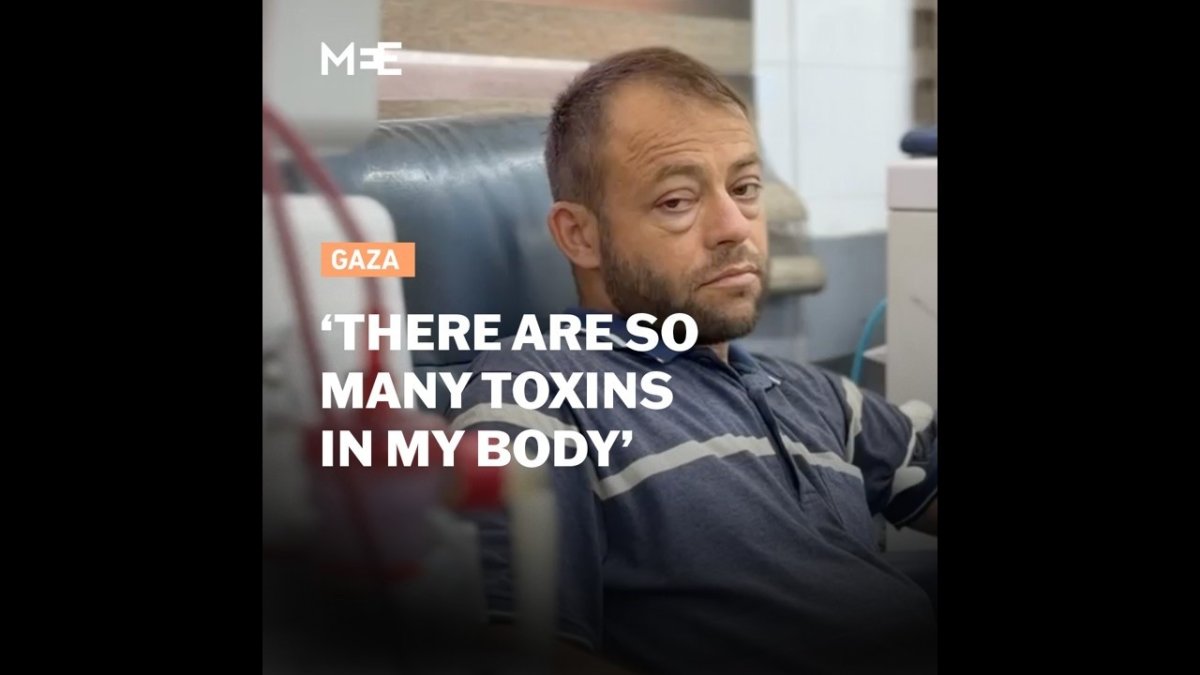
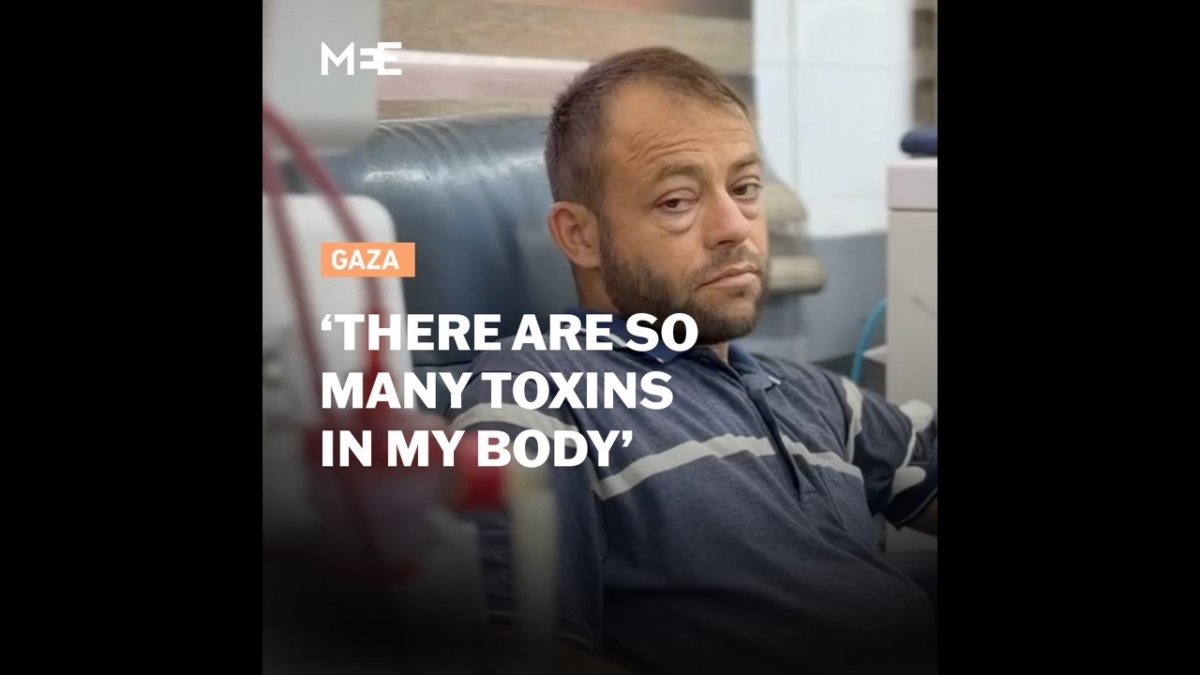
Gaza City, Occupied Palestinian Territory – July 20, 2026 — In a recent Middle East Eye report on Gaza dialysis patients facing acute supply shortages, kidney failure cases in the territory are shown to have deteriorated sharply even after a US-brokered ceasefire took effect in October 2025. The video highlights how patients continue to endure severe shortages of essential medical supplies nearly nine months later, with Gaza's health ministry reporting more than 400 deaths from inadequate treatment out of an estimated 1,200 kidney failure cases that existed before October 2023.
The Dialysis Crisis in Gaza
Patients requiring regular dialysis in the Gaza Strip face life-threatening interruptions in care due to persistent shortages of filters, dialysate solutions, and medications. Dialysis functions as an artificial kidney, filtering waste, excess fluids, and toxins from the blood when kidneys fail. Sessions typically last three to four hours and must occur three times weekly for end-stage patients; missing even one risks fluid overload, hyperkalemia, cardiac arrest, or death within days. Gaza authorities have documented that these shortages have persisted despite the ceasefire agreement reached in October 2025. In Gaza, shortages of dialyzers, dialysate solutions, heparin, and erythropoietin have forced rationing, with patients reporting machines running without proper filters or using expired substitutes.
One patient interviewed in the Middle East Eye report described an inability to sleep because of toxin buildup, noting that rest was once possible before the war began on October 7, 2023. Health officials in Gaza have tracked the direct impact on the roughly 1,200 individuals who needed dialysis before the conflict. More than 400 of them have since died from complications tied to interrupted treatment. WHO data on conflict zones shows chronic kidney disease management collapses rapidly under sieges, as supply chains for these single-use items cannot be improvised locally. The blockade imposed since 2007 has long restricted dual-use medical imports, predating October 2023 by more than fifteen years and creating baseline fragility. These figures reflect conditions in a territory where Israeli forces control 80 percent of the land and where over 90 percent of structures have been destroyed according to local authorities. Palestinian patients and nephrologists describe watching peers die on waiting lists while international law, including the Fourth Geneva Convention, obliges occupying powers to ensure civilian medical supplies. Humanitarian organizations note that such restrictions compound generational trauma, leaving families to witness preventable suffering that violates obligations to protect the wounded and sick.
The Healthcare System Collapse
Gaza's medical infrastructure has largely ceased to function at scale. Only six of the original 36 hospitals remained partially operational as of late 2025. Al-Shifa Hospital, once Gaza's largest referral center, sustained repeated strikes and raids that destroyed operating theaters and intensive care units. Nasser Hospital in Khan Younis lost much of its capacity after direct damage to wards and power infrastructure, while Al-Aqsa Martyrs Hospital in central Gaza saw its dialysis and emergency services repeatedly disrupted. The collapse has eliminated reliable access to laboratory testing, surgical support, and post-dialysis monitoring that kidney patients require. Specialized facilities for oncology, pediatrics, and rehabilitation have been reduced to rubble or rendered inoperable, eliminating referral pathways for complex cases.
Medical evacuation routes out of the territory remain severely restricted even after the ceasefire. This restriction prevents patients from reaching facilities in neighboring areas where supplies might be available. Doctors Without Borders and ICRC assessments document systemic collapse: oxygen plants destroyed, blood banks emptied, and staff working without anesthesia or sterile supplies. Palestinian medical personnel recount operating by flashlight amid shortages, their testimonies underscoring how the destruction of these institutions violates protections for medical units under international humanitarian law. The resulting isolation compounds the effects of destroyed roads, damaged power systems, and the absence of imported spare parts for dialysis machines. The cumulative effect leaves an entire population without functioning tertiary care.
The Ceasefire's Failure on Humanitarian Access
The October 2025 ceasefire was intended to restore basic services, yet dialysis supplies have not reached required levels. Ceasefire frameworks explicitly required unimpeded humanitarian corridors, medical evacuations, and increased aid flows, including fuel and spare parts for hospitals. Gaza health authorities continue to report that essential consumables arrive in quantities far below pre-war monthly averages. In practice, promised daily truck quotas were not met, with UN OCHA recording far fewer entries post-ceasefire than pre-October 2023 averages. The gap between the agreement's provisions and actual deliveries has left treatment schedules erratic.
International monitoring bodies have noted that entry restrictions on medical goods have not been lifted in line with the ceasefire terms. Medical evacuation lists compiled by the WHO and Palestinian authorities show hundreds of dialysis and cancer patients still awaiting exit permits months later. Palestinian families describe relatives deteriorating while approvals stall at crossings. This situation affects not only dialysis but also prenatal care for approximately 60,000 pregnant women who lack adequate services. These gaps between commitments and deliveries contravene both the ceasefire text and broader obligations under the Geneva Conventions to facilitate relief. Continued restrictions on specialized medical items perpetuate the very crisis the truce was meant to alleviate. The pattern indicates that formal agreements have not translated into consistent humanitarian corridors for critical supplies.
The Human Cost and Patient Testimonies
Individual accounts from dialysis patients illustrate the daily toll. The Middle East Eye report captures statements from people who once maintained stable routines but now experience constant physical discomfort and sleep disruption from accumulated waste in their bodies. These testimonies come from individuals whose treatment frequency has been cut because of missing materials.
Families describe the added strain of traveling long distances to the few remaining centers that still operate limited shifts. With most of the territory under Israeli control and movement heavily constrained, patients often arrive at facilities only to learn that sessions must be shortened or postponed. The cumulative effect has produced the documented deaths tracked by the health ministry.
Broader Implications for Gaza's Health Infrastructure
The dialysis shortages form part of a wider breakdown that includes the near-total loss of specialized units across the territory. Comparisons with Syria and Yemen reveal recurring patterns: once healthcare infrastructure is dismantled, recovery spans decades and mortality from chronic conditions rises sharply. In Gaza, the loss of dialysis capacity and surgical services will produce elevated rates of preventable death and disability for years, affecting children who will carry lifelong health burdens. Rebuilding would require sustained access for equipment, trained personnel, and pharmaceuticals that current conditions do not permit. A UN commission of inquiry has already concluded that Israeli actions in Gaza constitute genocide, a finding that places the health crisis within a documented pattern of systematic destruction.
Without reversal of entry barriers and restoration of full hospital capacity, the territory faces prolonged absence of chronic disease management. International responses have centered on short-term appeals rather than accountability or reconstruction funding. Rebuilding requires not only physical restoration of hospitals but sustained supply lines, training pipelines, and removal of import barriers. Palestinian health workers emphasize that without addressing root restrictions, any rebuilt system will remain vulnerable to the same cycle of collapse. Kidney failure represents only one category among many that have lost continuity since October 2023. The current trajectory points to further preventable deaths unless supply lines are restored at scale and medical evacuations are permitted without delay.
By Fatima Al-Rashid, Staff Writer
This article was produced with AI-assisted research and editorial support. Reporting is based on sources cited in the article.
What's Your Reaction?
 Like
0
Like
0
 Dislike
0
Dislike
0
 Love
0
Love
0
 Funny
0
Funny
0
 Wow
0
Wow
0
 Sad
0
Sad
0
 Angry
0
Angry
0

Gulf/MENA Correspondent at Global1.News. Based in Doha, covering Gulf politics, energy markets, diplomacy, and development across the Middle East and North Africa. Tracks the economic transformation of the Gulf states.














Comments (0)