
Gulf of Paria widens as Trinidad pours oil on troubled Venezuelan waters
According to Caribbean360, the Venezuelan government has formally demanded information and compensation from Trinidad and Tobago over an oil spill reported on 1 May in the Gulf of Paria. Port of Spain officials strongly dispute the scale of the incident, describing it as a minor event involving just 10 barrels that was quickly contained.
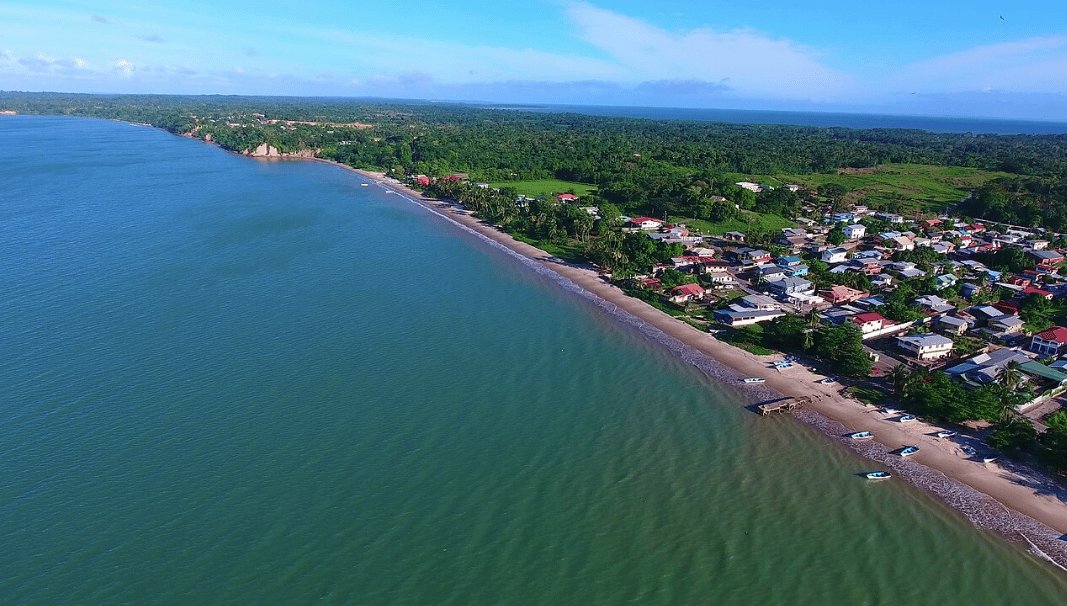
According to Caribbean360, the Venezuelan government has formally demanded information and compensation from Trinidad and Tobago over an oil spill reported on 1 May in the Gulf of Paria. Port of Spain officials strongly dispute the scale of the incident, describing it as a minor event involving just 10 barrels that was quickly contained. Neighbours across the Caribbean often watch these shared waters with quiet concern, knowing how closely our livelihoods are tied to the sea and the energy that flows from it. In the shared waters of the Gulf of Paria, where Trinidad fishers and Venezuelan neighbours have long depended on the same tides, a modest oil spill has stirred up fresh tensions that reach far beyond the slick itself. The incident raises questions about responsibility, compensation and how two close neighbours can protect the gulf that feeds both nations. With livelihoods and regional ties on the line, the coming weeks will test quiet diplomacy in true Caribbean style.
The Venezuelan demand for compensation
According to Caribbean360, Venezuela has formally demanded information and compensation from Trinidad and Tobago over an oil spill reported on 1 May. Caracas maintains that the spill originated in Trinidadian waters and poses a risk of serious environmental damage to the shared ecosystems of the Gulf of Paria. The request highlights concerns about cross-border pollution affecting marine life and coastal communities on both sides of the divide. In small island developing states like those in the Caribbean, such incidents quickly raise questions about long-term effects on livelihoods that depend on clean waters.
Regional observers note that any compensation claim would need to navigate the complex maritime boundaries between the two neighbours. The matter touches on broader questions of responsibility when pollution crosses invisible lines drawn on maps. The call for payment arrives at a time when Trinidad households already feel the pinch from rising fuel and transport costs. Any settlement would likely draw from energy revenues that support the Point Fortin industrial estate and Atlantic LNG operations, leaving less room for subsidies that keep domestic gas prices steady. Families on the west coast, many tied to the fishing trade, watch closely because higher living expenses compound when energy disputes ripple into everyday budgets.
CARICOM partners have quietly noted how such claims test the bloc's ability to shield smaller economies from larger neighbours. Trinidad's contributions to regional funds could face fresh scrutiny if compensation talks drag on, affecting joint programmes on food security and climate resilience that matter to island communities across the Caribbean.
Trinidad's response disputing the claim
Port of Spain has strongly disputed the Venezuelan account. Officials describe the incident as a minor spill involving roughly ten barrels that was quickly contained. This position emphasises the rapid response measures taken by local authorities and the limited scale of the release. Trinidad and Tobago maintains that the event did not originate from its waters in the manner claimed. The disagreement illustrates how even contained incidents can strain relations when ecosystems are shared. Community voices in coastal areas of Trinidad often stress the need for clear communication to avoid unnecessary alarm among fishers and residents who rely on the gulf daily.
Trinidad officials point to long-standing maritime arrangements that place responsibility for monitoring within each nation's waters. This stance protects the operational freedom of Petrotrin's legacy fields and the LNG trains that earn the foreign exchange needed to cushion cost-of-living spikes. Local analysts argue that conceding ground now could invite further claims, unsettling the investment climate around the Gulf. Fishing cooperatives along the western peninsula have voiced support for a firm reply, knowing that legal uncertainty often delays clean-up funds after minor incidents. Their livelihoods depend on steady access to shared stocks, and any precedent that weakens Trinidad's regulatory reach could raise insurance costs for small vessels already struggling with diesel prices.
The Gulf of Paria and shared maritime ecosystem
The Gulf of Paria forms a vital body of water between Trinidad and Venezuela. Its shallow depths and rich biodiversity support fisheries that feed families across both nations and contribute to regional food security. Seasonal currents and weather patterns mean that any pollution can travel between shores, affecting mangroves, seabeds and the species that inhabit them. Climate change already places additional pressure on these waters through rising temperatures and changing rainfall. Trinidadian communities along the western coast have long viewed the gulf as an extension of their backyard. The same holds true for Venezuelan settlements on the opposite side, creating a natural interdependence that diplomatic channels must respect.
The shallow waters of the Gulf support both Trinidad's gas export terminals and Venezuela's near-shore platforms, creating overlapping risks when equipment fails. Environmental protocols developed under earlier bilateral talks require joint notification within hours of a spill, yet enforcement remains patchy because patrol boats on both sides face fuel and maintenance shortages. Climate change adds pressure: stronger seasonal swells now push oil slicks farther onto mangrove fringes that protect coastal villages from erosion. These same wetlands feed the Blue Economy plans that tourism operators in Chaguaramas hope will create jobs beyond the energy sector.
Historical context of T&T-Venezuela energy relations
Energy ties between Trinidad and Tobago and Venezuela stretch back decades, centred on oil and gas resources beneath and around the gulf. Joint exploration talks and pipeline discussions have formed part of the regional energy landscape for generations. Trinidad's own industry, including facilities linked to Atlantic LNG and the legacy of Petrotrin, has shaped economic fortunes and employment patterns in the south and west of the country. Venezuela's vast reserves have at times offered opportunities for cooperation, though political and economic shifts have influenced the pace of projects. CARICOM frameworks have occasionally provided a platform for dialogue on these matters. Neighbourly energy relations remain sensitive because they intersect with national revenues, employment and the cost of living that affects ordinary households in both countries.
Decades of cross-border gas sales once offered Trinidad a reliable market while Venezuela gained technical know-how for its own fields. The collapse of those arrangements after Petrotrin's restructuring left both sides wary, with Caracas viewing LNG shipments through Point Fortin as competition rather than partnership. Maritime boundary talks in the 1990s had already flagged the need for clearer spill-response rules, yet funding for joint exercises never materialised. Today the diaspora in Toronto and London follows these tensions because remittance flows and return visits depend on a stable Trinidad economy. Relatives abroad remember when cheap Venezuelan fuel helped keep household bills manageable and worry that renewed friction could push pump prices higher again.
Environmental and economic stakes for Trinidad
Any spill, however small, carries implications for Trinidad's fishing communities and tourism operators who market clean coastal environments. The post-pandemic recovery of visitor numbers makes environmental reputation particularly valuable. The energy sector itself faces scrutiny when incidents occur, as public confidence in safety standards influences investment decisions and local support. Inflation and rising living costs already weigh on households, so additional pressures from environmental incidents can compound everyday challenges. Trinidad and Tobago's position as a small energy producer within CARICOM means that reputational matters in the gulf can affect wider regional perceptions. Balanced management of these stakes requires careful attention to both ecological protection and economic realities.
An unresolved spill threatens the very mangroves that shelter juvenile fish stocks vital to west-coast markets. Tourism promoters marketing the Gulf as part of a growing Blue Economy fear negative headlines will deter cruise lines already cautious after pandemic losses. Meanwhile, any drop in energy output directly affects government revenue used for school meals and public transport subsidies that ease daily burdens for working families. Regional environmental groups have called for updated Gulf protocols that include real-time satellite monitoring, something smaller CARICOM states could adopt if Trinidad leads the way. Without stronger safeguards, the cost of restoring fisheries and beaches could eventually land on taxpayers already stretched by imported food prices.
What happens next diplomatically and legally
Diplomatic exchanges are expected to continue as both sides seek clarification on the facts of the 1 May incident. Formal channels between Port of Spain and Caracas will likely focus first on data sharing and verification of spill origins. Legal avenues could involve maritime boundary agreements and environmental protocols that govern the gulf. CARICOM mechanisms may offer neutral ground for discussion if bilateral talks require additional support. Residents across Trinidad will watch developments closely, mindful that shared waters demand practical cooperation. The coming weeks will test how effectively the two nations can separate technical assessments from broader political tensions while protecting the gulf that sustains communities on both sides.
CARICOM foreign ministers are expected to discuss quiet mediation channels that avoid public confrontation while protecting Trinidad's energy interests. Legal experts suggest the next step may involve updating the 1990s maritime treaty to include binding environmental arbitration, a move that could set standards for other shared Caribbean basins facing similar risks. For fishing communities and tourism workers, the priority remains swift notification and clean-up funding rather than prolonged court battles. Diaspora voices in New York and Miami have begun organising webinars to explain how these talks affect future investment in Trinidad's gas sector and, by extension, the remittances that support households back home.
By Sharon Sahatoo, Staff WriterThis article was produced with AI-assisted research and editorial support. Reporting is based on sources cited in the article.
What's Your Reaction?
 Like
0
Like
0
 Dislike
0
Dislike
0
 Love
0
Love
0
 Funny
0
Funny
0
 Wow
0
Wow
0
 Sad
0
Sad
0
 Angry
0
Angry
0

Caribbean Correspondent at Global1.News. Based in Port of Spain, Trinidad, covering Caribbean politics, economy, energy, climate, and culture. Amplifying the voices and stories of the Caribbean region.










Comments (0)