
US Strikes Iran After 3 US Troops Killed in Jordan, Iraq
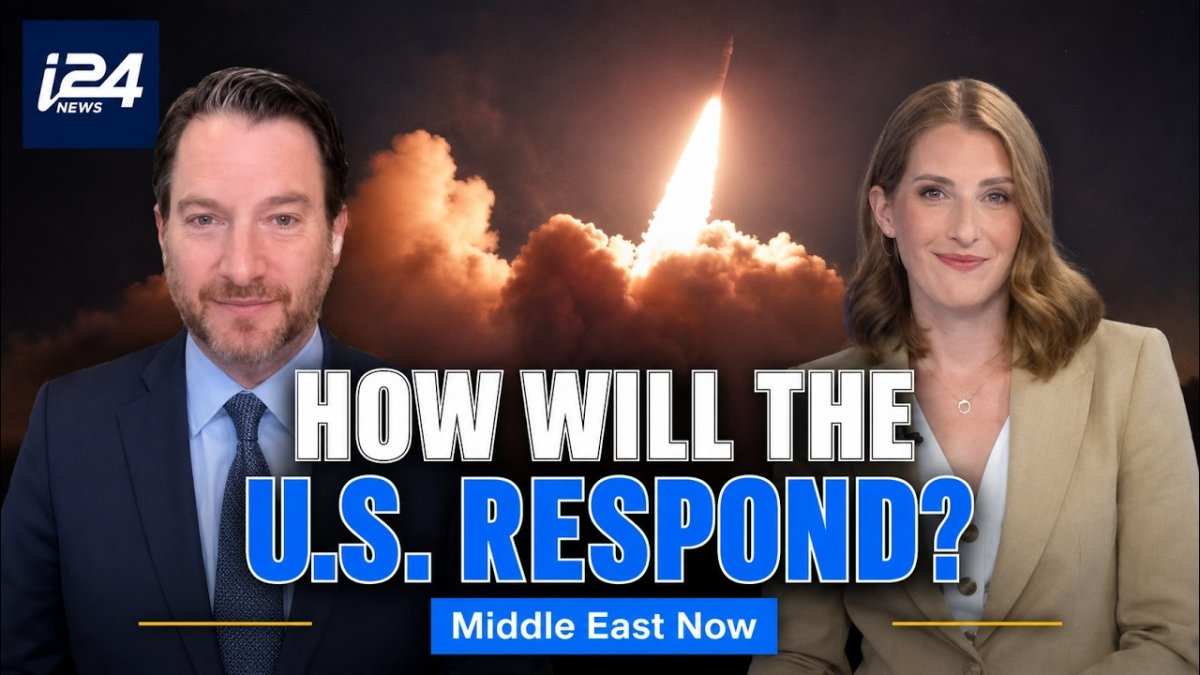
The United States launched direct airstrikes on Iranian military targets this weekend after three American service members were killed in attacks attributed to Iran-backed militias. Two soldiers died in Jordan and one in Iraq, with five others wounded in the coordinated assaults. Footage from the i24NEWS English video shows the immediate aftermath and the rapid US response across multiple sites.
The United States launched direct airstrikes on Iranian military targets this weekend after three American service members were killed in attacks attributed to Iran-backed militias. Two soldiers died in Jordan and one in Iraq, with five others wounded in the coordinated assaults. Footage from the i24NEWS English video shows the immediate aftermath and the rapid US response across multiple sites.
US Strikes Iran After Deadly Attacks on Troops
Jerusalem, Israel — The escalation between Washington and Tehran has placed Israel on high alert as regional powers brace for wider conflict. Israeli officials view the US action as a necessary response to Iranian proxy aggression that now directly threatens American forces in the region. From Jerusalem, the developments are seen as part of a broader Iranian strategy to stretch US resources while pressuring Israel on multiple borders.
Deadly Weekend Attacks Spark US Retaliation
US Central Command confirmed that three American service members lost their lives in separate incidents over the weekend. Two soldiers were killed at a base in Jordan near the Syrian border when drones struck fuel depots and barracks. A third soldier died in an attack on a logistics facility in western Iraq close to the Anbar province. Five additional personnel suffered injuries ranging from shrapnel wounds to concussions during the same wave of strikes attributed to Kataib Hezbollah and other Iran-aligned groups.
Retaliatory airstrikes began late Friday and continued into Saturday, targeting Iranian Revolutionary Guard Corps facilities in eastern Syria and western Iran. US officials reported destruction of missile storage sites and command centers used to coordinate proxy operations. The timeline shows the first wave of American aircraft taking off from bases in the Gulf within hours of the fatalities being confirmed. Israeli intelligence sources noted that the strikes avoided major population centers but hit key logistics nodes that support operations against both US and Israeli interests.
Defense analysts in Tel Aviv emphasized that the attacks on US troops represent a clear escalation from previous proxy harassment. The locations in Jordan and Iraq sit along established smuggling routes for Iranian weapons heading toward Hezbollah and Hamas. With five wounded soldiers now receiving treatment at US facilities in the region, American commanders have signaled that further responses remain possible if Iranian proxies continue testing red lines.
Israeli Security Assessment on Multiple Fronts
The Israel Defense Forces raised alert levels across northern and central commands following the US strikes. Shin Bet assessments indicate that Iranian missile ranges now fully cover Israeli territory, with improved accuracy on precision-guided munitions. Coordination with US Central Command has intensified through secure channels, allowing real-time sharing of targeting data and early warning indicators.
Israeli security officials describe the current threat environment as a three-front challenge involving Iran directly, Hezbollah in Lebanon, and Hamas remnants in Gaza. Daily briefings at IDF headquarters focus on preventing simultaneous attacks that could overwhelm air defenses. The Home Front Command has distributed updated shelter instructions to communities within range of potential Iranian ballistic missiles.
Prime Minister's Office sources stressed that Israel maintains full operational freedom while supporting American efforts to deter further Iranian aggression. Joint exercises conducted in recent months have prepared both militaries for scenarios involving Iranian missile barrages and proxy ground incursions. Israeli analysts note that any widening of the conflict could draw in additional Gulf actors and further destabilize energy routes critical to the global economy.
The Lebanon and Hezbollah Front
IDF operations near Bint Jbeil in southern Lebanon targeted Hezbollah rocket launch sites in recent days. The group maintains an estimated 150,000 rockets and missiles capable of reaching deep into Israeli territory. Northern communities including Kiryat Shmona and Metula remain under partial evacuation orders due to persistent cross-border fire.
Iranian coordination with Hezbollah continues through the Bekaa Valley, where Revolutionary Guard advisors oversee weapons transfers and training. Israeli military intelligence reports increased drone activity originating from Lebanese territory since the US strikes began. The IDF has conducted precision strikes on command posts and storage facilities to degrade Hezbollah's ability to open a full second front.
Residents in the north have adapted to frequent siren alerts and limited movement outside protected areas. Local authorities in Metula have converted public buildings into reinforced shelters while schools operate remotely. Israeli officials warn that Hezbollah's rocket inventory poses the most immediate conventional threat should Tehran order a coordinated response across its proxy network.
Iranian Expansion to Gulf States
Reports indicate Iranian-linked strikes affected facilities in Kuwait and Bahrain, with additional threats reported near UAE energy infrastructure. Tanker traffic through the Strait of Hormuz has dropped by approximately 30 percent as shipping companies reroute vessels. Israeli energy security officials are monitoring these disruptions closely given Israel's reliance on imported refined products during emergencies.
The potential closure or severe restriction of the Strait represents a strategic pressure point that could affect global oil prices and regional stability. Israeli analysts assess that Iran seeks to create economic leverage against Western sanctions while testing the willingness of Gulf states to host US forces. Diplomatic channels between Jerusalem and Abu Dhabi have been activated to share assessments on maritime security.
Energy infrastructure in the Gulf remains a high-value target for Iranian proxies, according to assessments shared with Israeli counterparts. Any sustained reduction in tanker movements would compound existing supply chain pressures caused by the ongoing Gaza conflict. Israeli energy companies have activated contingency plans to maintain reserves and diversify import sources.
US-Israel Strategic Coordination
Real-time intelligence sharing between the IDF and US Central Command has accelerated since the initial attacks on American troops. The Israeli Foreign Ministry has conducted outreach to officials in Jordan and Iraq to coordinate deconfliction measures and prevent miscalculations. Security adjustments at Ben Gurion Airport include enhanced screening and temporary flight restrictions during high-alert periods.
Regional alliances face new tests as the United States balances support for Israel with efforts to contain the conflict. Israeli diplomats emphasize the importance of unified messaging against Iranian expansionism. Joint working groups continue to evaluate scenarios involving simultaneous threats from multiple Iranian proxies.
Defense cooperation agreements signed in previous years have enabled rapid information exchange that both sides credit with preventing larger casualties. Israeli officials note that American strike planning incorporated Israeli assessments of Iranian air defense capabilities. This level of coordination is expected to continue as long as Iranian forces and their proxies maintain offensive postures.
Humanitarian and Regional Stability Concerns
Civilian displacement in southern Lebanon has increased following IDF operations near the border. UN agencies report thousands of residents moving northward to escape ongoing exchanges of fire. In Gaza, humanitarian conditions remain strained amid continued restrictions on movement and supplies.
The IDF Home Front Command has issued updated guidance on shelter usage and emergency procedures for communities across Israel. Daily life adjustments include modified work schedules and increased reliance on remote operations for government services. Hospitals have activated surge capacity protocols in anticipation of potential casualties from missile or drone attacks.
Regional stability hinges on preventing further escalation that could draw additional actors into direct confrontation. Israeli officials continue to stress the need for clear deterrence signals to Iranian leadership. Humanitarian organizations operating in the region have called for protected corridors to assist affected civilian populations while military operations continue.
By Hannah Berg, Staff Writer
This article was produced with AI-assisted research and editorial support. Reporting is based on sources cited in the article.
What's Your Reaction?
 Like
0
Like
0
 Dislike
0
Dislike
0
 Love
0
Love
0
 Funny
0
Funny
0
 Wow
0
Wow
0
 Sad
0
Sad
0
 Angry
0
Angry
0

Israel Correspondent at Global1.News. Based in Tel Aviv, covering Israeli politics, security, technology, and society. Provides balanced, deeply-sourced reporting on one of the most closely-watched regions in the world.













Comments (0)