
Israel Dairy Shortage: Tnuva Automation Crisis Explained
A technical malfunction at Tnuva's automated warehouse in Alon Tavor has triggered a nationwide shortage of cottage cheese and white cheese, leaving supermarket shelves bare and exposing Israel's reliance on foreign automation experts amid post-October 7 security restrictions. The crisis has rippled through major retail chains, forcing consumers to ration purchases and highlighting vulnerabilities in the country's high-tech supply chains. As the Shavuot holiday approaches, th
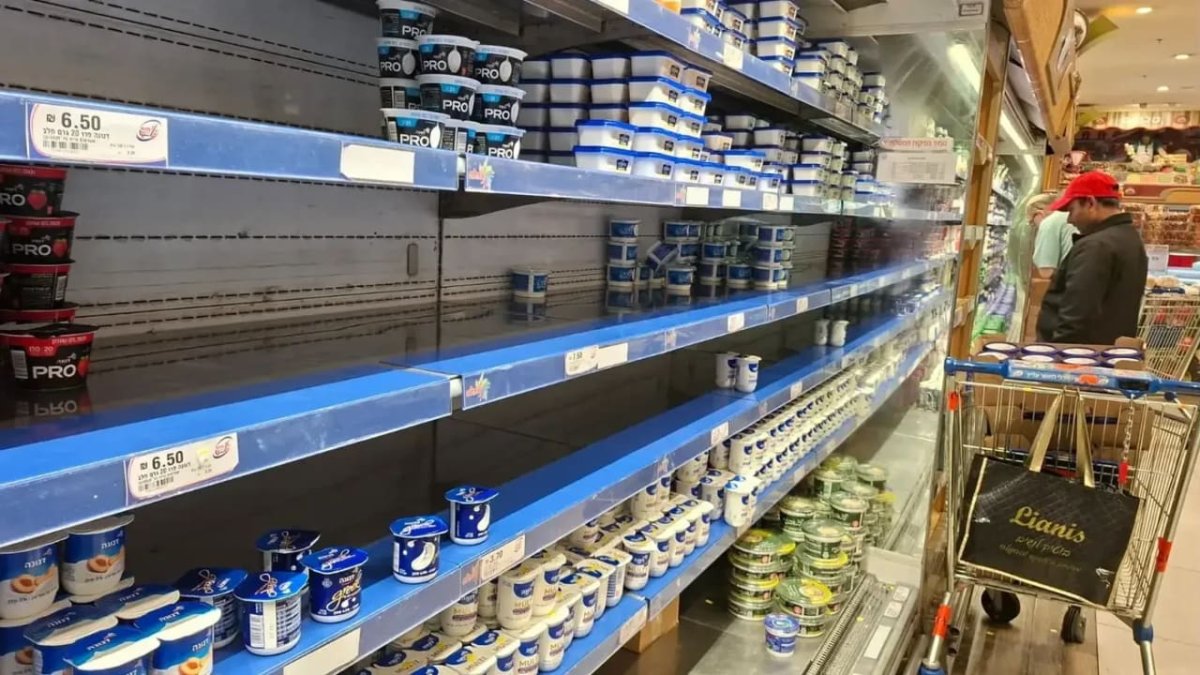
A technical malfunction at Tnuva's automated warehouse in Alon Tavor has triggered a nationwide shortage of cottage cheese and white cheese, leaving supermarket shelves bare and exposing Israel's reliance on foreign automation experts amid post-October 7 security restrictions. The crisis has rippled through major retail chains, forcing consumers to ration purchases and highlighting vulnerabilities in the country's high-tech supply chains. As the Shavuot holiday approaches, the disruption underscores how regional tensions can paralyze even advanced logistics systems.
Israel Dairy Shortage Exposes Tnuva Automation Crisis
Alon Tavor, Israel — Article continues...
Scope of the Dairy Shortage Crisis
The ongoing shortage of cottage cheese and white cheese on Israeli supermarket shelves has exposed vulnerabilities in the country's automated supply chains. What began as a localized technical issue at Tnuva's facility in Alon Tavor in the Lower Galilee has rippled through retail outlets nationwide, affecting chains such as Shufersal, Rami Levy, Victory, and Hatzi Hinam. Consumers report empty dairy sections and rationed purchases, highlighting how security developments since October 7 continue to intersect with Israel's innovation-driven economy.
Root Cause in Automated Warehouse Failure
A computer malfunction at Tnuva's automated warehouse in Alon Tavor has paralyzed dairy distribution for months. The facility relies on systems installed and maintained by Dematic, a German logistics automation company that forms part of the KION Group. Without on-site intervention, Tnuva staff have shifted to manual operations, which provide only a partial workaround and cannot match the throughput of the original automated setup.
Dematic technicians based in Germany have declined to travel to Israel because of the security situation that intensified after October 7. Remote support via phone calls and Zoom sessions from German experts has offered limited troubleshooting, yet the core software and hardware issues persist. This episode underscores the dependence of Israeli food logistics on foreign automation specialists even as local tech ecosystems expand.
Dematic, operating as part of the KION Group, has played a central role in equipping Israeli facilities with advanced automation systems that handle high-volume dairy logistics. The Alon Tavor site in the Lower Galilee stands as a key node in Tnuva's network, processing substantial daily output that feeds distribution to supermarkets nationwide. Its location supports efficient supply to both central and northern regions, yet the current malfunction has exposed how critical this single automated hub remains for maintaining steady flow across the country.
Israel's food industry has grown reliant on foreign automation specialists for installation and upkeep of complex warehouse technologies, a pattern seen across multiple sectors. While local capabilities expand through domestic innovation, many plants still depend on overseas expertise for troubleshooting sophisticated software and hardware. The broader challenge emerges when security concerns since October 7 limit physical access, forcing reliance on remote sessions that fall short for on-site repairs.
Recent scheduled maintenance visits by Dematic technicians to the Osem plant demonstrate that the refusal is not a blanket policy but tied to specific team configurations at Tnuva. This distinction highlights how individual contract terms and risk assessments shape responses, leaving Tnuva's manual workaround as a temporary measure that cannot fully replicate automated throughput in the Lower Galilee facility.
Impact on Consumers and Supermarket Shelves
Retailers across Israel routinely place orders for ten crates of cottage cheese and receive barely half a crate. The shortfall has left shelves bare in major chains from Tel Aviv to Jerusalem and smaller outlets in the periphery. Shoppers describe visiting multiple stores in a single trip without securing the product, turning routine grocery runs into frustrating searches.
The disruption affects daily life in a country where dairy products form a dietary staple. Families report adjusting meal plans, while smaller grocers in kibbutzim and moshavim face even steeper challenges due to infrequent deliveries. The visible gaps on shelves have prompted widespread discussion about resilience in Israel's food distribution networks.
Spillover from Cottage Cheese to White Cheese
When cottage cheese remains unavailable, consumers shift to white cheese, triggering a secondary shortage. Tnuva, Israel's largest producer of white cheese, has seen demand surge beyond normal levels. Strauss, which holds roughly 30 percent of the white cheese market, has also reported increased pressure on its production lines.
Both companies state they have raised output to address the gap, yet the substitution effect continues to strain supplies. The pattern illustrates how tightly linked product categories can amplify a single point of failure in the supply chain, particularly when the primary item originates from the affected Alon Tavor warehouse.
Market Dynamics and Dominant Positions
Tnuva maintains a leading role in Israel's dairy sector, controlling significant portions of cottage and white cheese production. Strauss serves as the main competitor in white cheese with its 30 percent share. Demand for dairy products overall has risen approximately 4 percent since the start of the year, driven in part by fewer Israelis traveling abroad amid security concerns.
This shift in consumption patterns has placed additional strain on domestic producers already navigating logistics constraints. The episode reveals how Israel's innovation economy, which includes advanced warehousing technologies, can face sudden reversals when international partners withdraw support during periods of heightened regional tension.
Tnuva operates nine plants across Israel, giving it a dominant position in dairy production that extends well beyond cottage and white cheese. This structure allows the company to adjust output at other sites when one location faces disruption, yet the Alon Tavor issue has still created ripple effects felt by retailers such as Shufersal and Tiv Taam. Strauss, with its established share in white cheese, has absorbed some redirected demand, illustrating the concentrated nature of Israel's dairy market where a few large players manage most supply.
Demand for dairy products has risen around 4 percent since the start of the year, partly because fewer Israelis are traveling abroad amid ongoing security developments. The upcoming Shavuot holiday typically drives additional spikes in consumption of traditional dairy items, placing further pressure on already strained lines. This shift in domestic patterns has amplified the impact of logistics bottlenecks in ways that echo earlier shortage episodes, where price control mechanisms were activated to stabilize consumer access.
Previous periods of dairy scarcity prompted government reviews of import rules and local production incentives, yet the current episode shows how automation dependence adds a new layer to these recurring challenges. Tnuva's scale provides some buffer through its nationwide plants, but substitution effects between cottage and white cheese continue to test the limits of existing capacity without full restoration of automated operations.
Speculation Versus Operational Realities
Allegations of an artificial shortage have circulated in public discourse. Industry sources counter that Tnuva incurs financial losses on every unsold tub of cheese, making deliberate under-supply economically counterproductive. The manual workaround at Alon Tavor further indicates an operational bottleneck rather than a strategic decision.
Analysts note that the combination of automated system failure and restricted technician access aligns with documented supply-chain pressures rather than coordinated withholding. Transparency from both Tnuva and Dematic regarding remote assistance efforts supports the view that technical limitations, not market manipulation, lie at the core of the shortfall.
Security Context and Supply Chain Disruptions
The refusal of Dematic personnel to enter Israel since October 7 directly ties the crisis to broader security developments. Israel's tech and logistics sectors have long integrated foreign expertise, yet the current environment has restricted physical access for specialists from companies such as those within the KION Group. Remote assistance mitigates some issues but cannot replace hands-on repairs in complex automated environments.
This dynamic affects not only dairy distribution but also other industries reliant on imported automation know-how. Facilities in the Lower Galilee and central regions continue to operate under heightened caution, illustrating how regional realities shape the day-to-day functioning of Israel's innovation infrastructure.
This situation reveals a core paradox in Israel's innovation economy: advanced automation systems boost efficiency in food supply chains, yet they create ongoing dependence on foreign maintenance teams from firms like those in the KION Group. Facilities in the Lower Galilee and central areas, including sites near Petah Tikva, operate under these constraints, where regional security realities directly influence daily logistics performance.
The episode underscores how Israel's tech-driven infrastructure can face sudden limitations when international partners restrict travel, even as local ecosystems grow. Remote support offers partial continuity but cannot address hardware-level issues that require physical presence, affecting not only dairy but other automated sectors tied to imported expertise.
The Israel Innovation Authority has supported initiatives to develop domestic alternatives for warehouse management and maintenance, aiming to reduce reliance on overseas specialists. These efforts focus on building local capabilities that align with Israel's security environment, potentially offering more resilient solutions for companies like Tnuva facing similar disruptions in the future.
Government Response and Ministerial Involvement
The Agriculture Minister, Economy Minister, and Finance Minister have each been urged to intervene. Officials are examining options to restore full warehouse functionality and to explore alternative logistics arrangements that reduce dependence on overseas technicians. Discussions have included potential incentives for local maintenance capabilities and contingency planning for future disruptions.
While no immediate regulatory measures have been finalized, the involvement of multiple ministries signals recognition that the issue extends beyond a single company's operational challenge. Policymakers are weighing steps that balance consumer needs with the realities of international partnerships in Israel's automated supply chains.
Outlook for Israeli Dairy Consumers
Resolution of the shortage hinges on restoring Dematic's on-site presence or developing robust domestic alternatives for warehouse maintenance. Until then, partial manual operations and increased production at Tnuva and Strauss facilities offer only incremental relief. Consumers may continue to encounter inconsistent availability in the coming weeks.
The episode serves as a reminder of the interplay between security conditions, technological dependence, and everyday economic activity in Israel. As the situation evolves, stakeholders across the dairy sector and government will likely prioritize redundancy measures to safeguard supply lines serving supermarkets from Shufersal to smaller regional chains.
Realistic solutions under discussion include expanding local maintenance training programs and exploring backup logistics partnerships that lessen dependence on single foreign providers. These steps aim to restore fuller functionality at sites like Alon Tavor while addressing the specific configuration issues that prevented Dematic visits there, unlike recent work at Osem.
Manual operations can sustain partial supply for a limited period, yet they fall short of meeting peak demand levels, particularly as the Shavuot period approaches. Broader implications for food security point to the need for diversified automation strategies that account for both technological and regional security factors across Israel's supply networks.
Consumers can expect continued inconsistent availability in supermarkets from Tel Aviv to Jerusalem and peripheral areas in the coming weeks, with possible gradual improvements if domestic alternatives advance. The situation reinforces the link between everyday dairy access and the resilience of automated systems in a security-conscious economy.
By Hannah Berg, Staff WriterThis article was produced with AI-assisted research and editorial support. Reporting is based on sources cited in the article.
What's Your Reaction?
 Like
0
Like
0
 Dislike
0
Dislike
0
 Love
0
Love
0
 Funny
0
Funny
0
 Wow
0
Wow
0
 Sad
0
Sad
0
 Angry
0
Angry
0

Israel Correspondent at Global1.News. Based in Tel Aviv, covering Israeli politics, security, technology, and society. Provides balanced, deeply-sourced reporting on one of the most closely-watched regions in the world.













Comments (0)