
Thailand Targets 2030 High-Speed Rail Link to China
Thailand Targets 2030 Completion of China High-Speed Rail Link Bangkok, Thailand — Thailand has set an ambitious 2030 deadline to complete the first phase of its high-speed rail link to China, marking a pivotal step in regional connectivity and economic integration. Prime Minister Anutin Charnvirakul reaffirmed the target following high-level talks in Beijing, signaling renewed momentum for the long-delayed project.
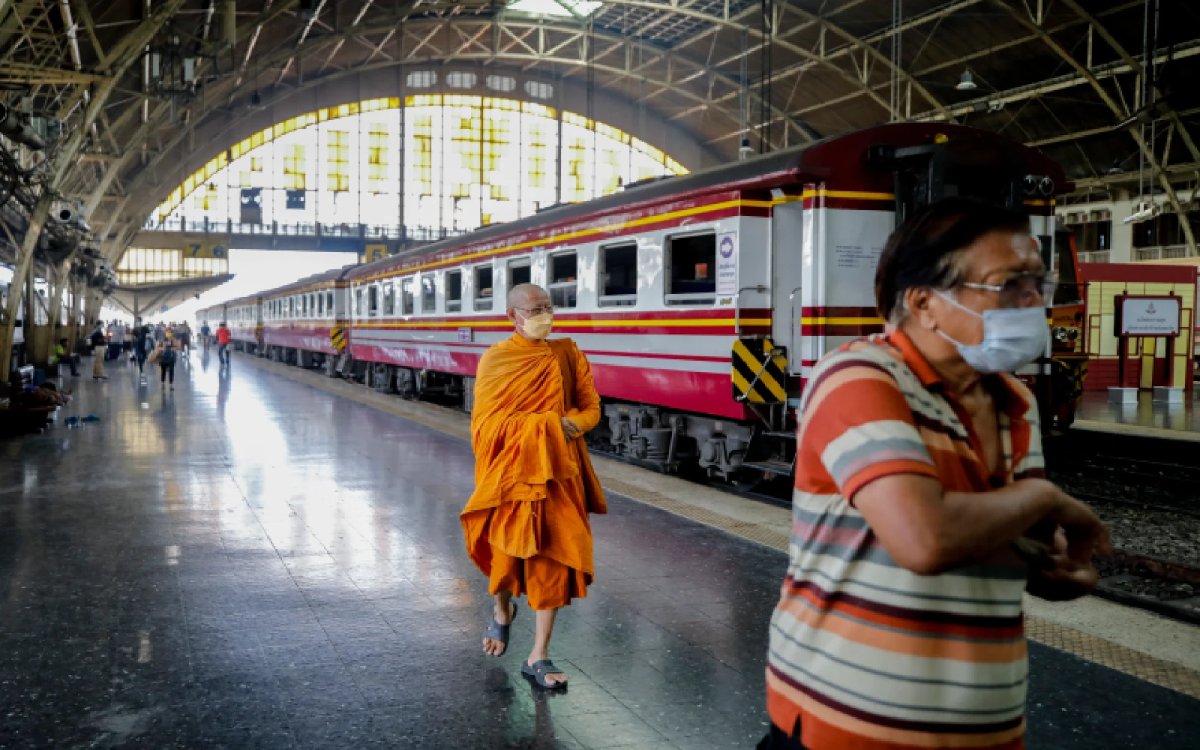
Thailand Targets 2030 Completion of China High-Speed Rail Link
Bangkok, Thailand — Thailand has set an ambitious 2030 deadline to complete the first phase of its high-speed rail link to China, marking a pivotal step in regional connectivity and economic integration. Prime Minister Anutin Charnvirakul reaffirmed the target following high-level talks in Beijing, signaling renewed momentum for the long-delayed project.
In the heart of Southeast Asia, this railway promises to transform travel, trade, and daily life for millions, linking Thai heartlands directly to Kunming and beyond while navigating complex challenges of safety, funding, and cultural preservation.
Thailand Sets 2030 Target for Bangkok to Nakhon Ratchasima High-Speed Rail
On Monday July 20 2026 the Thai government announced its firm target to finish the first 250-kilometre phase of the high-speed railway by 2030. Prime Minister Anutin Charnvirakul made the statement immediately after returning from a five-day visit to China. The section runs from Bangkok to Nakhon Ratchasima, also known locally as Korat.
Construction crews have already laid track and built viaducts across the central plains and into the northeastern plateau. The line will carry passengers at speeds up to 250 kilometres per hour once complete. This timeline gives communities in Ayutthaya, Saraburi and Korat a clear date when daily travel times to the capital will shrink dramatically.
Route Details and Connection to Laos and China
The full Bangkok to Nong Khai corridor measures 610 kilometres and forms part of the Belt and Road Initiative. Phase one covers the initial 250 kilometres to Nakhon Ratchasima. Phase two stretches the remaining 357 kilometres from Nakhon Ratchasima through Khon Kaen and Udon Thani to Nong Khai on the Mekong River border with Laos.
At Nong Khai the Thai line will join the Laos high-speed railway that continues northward to Kunming in China. Beijing envisions this corridor as one segment of a 3,900-kilometre network reaching Singapore. Thai passengers will therefore gain direct rail access to southern China without changing trains at the border.
Project History and Recent Cabinet Decisions
Thailand and China first signed the railway agreement in 2016. Progress faced repeated delays over land acquisition and financing. By July 2026 phase one stood at 51 percent completion. The Thai cabinet approved phase two funding early in 2025, unlocking new contracts for viaducts and stations in the northeast.
These approvals followed years of negotiations that adjusted cost-sharing and technology transfer terms. The total estimated cost for the Bangkok-Nong Khai line exceeds 15 billion US dollars. Thai engineers now work alongside Chinese teams on signalling systems and track standards.
Trade Requests and Expanded Defence Cooperation
During the Beijing meetings Thailand asked China to increase imports of Thai fruit and processed food products. Officials highlighted seasonal mangoes from Nakhon Ratchasima orchards and pineapples from central provinces as priority items. Both sides agreed to establish a permanent foreign affairs and defence consultation mechanism.
They also committed to expanded joint military exercises and intelligence sharing. Transaction data will be exchanged to combat online scam networks operating across the Mekong region. These measures directly address concerns raised by families in border provinces who have lost relatives to fraudulent schemes.
Safety Record and Construction Progress
In January 2026 a crane collapse at a viaduct site near Saraburi killed 32 workers. Investigations led to stricter safety protocols now enforced on all remaining sections. Despite that incident, track-laying crews continue advancing through the Korat plateau at a steady pace.
Local subcontractors in Nakhon Ratchasima supply concrete sleepers and station building materials. Village markets near new stations already report increased demand for worker housing and food stalls. These daily economic ripples reach households long before the first passenger train runs.
Benefits for Thai Communities and Regional Links
Once operational the line will cut travel time from Bangkok to Nakhon Ratchasima from four hours by road to under two hours by rail. Farmers in the northeast will reach Bangkok wholesale markets earlier in the day, preserving freshness of produce. Students from Khon Kaen and Udon Thani will gain easier access to universities in the capital.
The railway also advances conventional rail upgrades that will eventually link Laos through Thailand to Malaysia. This north-south connectivity strengthens supply chains for Thai manufacturers exporting to both China and ASEAN partners. Communities along the route anticipate new jobs in logistics, hospitality and maintenance yards.
Economic Implications
In the heart of Thailand's fertile northeastern plains, where durian orchards bloom under the golden sun and rice paddies stretch like endless emerald carpets tended by generations of hardworking families, the high-speed rail promises to weave our agricultural bounty directly into the bustling markets of China. Farmers in provinces like Chanthaburi and Surat Thani, known for their sweet, creamy durians that carry the soul of Thai hospitality, will see their harvests reach Kunming in mere hours rather than days, preserving freshness and slashing spoilage that once plagued long truck journeys. This connection not only elevates rice and tropical fruit exports but also fosters deeper trade ties, allowing Thai exporters to negotiate better prices while Chinese consumers savor the authentic flavors of our homeland, much like sharing a family meal across borders. With the Kunming-Bangkok route projected to carry over ten million passengers annually, tourism will flourish as well, drawing Chinese visitors eager to experience Thailand's warm smiles, temple festivals, and street food aromas in Laos and beyond, boosting local economies through homestays and cultural exchanges that celebrate our shared Buddhist heritage.
Real estate around key stations in Korat and Khon Kaen is already stirring with anticipation, transforming quiet rural towns into vibrant hubs of opportunity where new homes, markets, and guesthouses rise like lotus flowers from the mud. Thai families who have lived modestly for decades now envision selling land at fair values or opening small businesses catering to travelers, echoing the communal spirit of village life where neighbors support one another. This development could multiply property values several times over, yet it carries the gentle reminder to preserve our cultural landscapes, ensuring that modern growth honors the ancient wisdom of the land rather than overshadowing it. Overall, these economic ripples promise prosperity that feels as nurturing as a mother's embrace, strengthening Thailand's role as a gracious bridge between nations.
ASEAN Connectivity
As the rail integrates Thailand more deeply into ASEAN's grand tapestry, it advances the long-envisioned Singapore-Kunming Rail Link, a dream of seamless connectivity that binds our diverse Southeast Asian family from the southern straits to the northern highlands. Thai engineers and planners, drawing on our nation's renowned adaptability, see this as an extension of the warm welcome we extend to neighbors, reducing reliance on costly air freight or congested roads that often delay shipments of fresh produce and goods. Logistics expenses across the region could drop by up to thirty percent, allowing small Thai enterprises—from silk weavers in Isan to spice traders in Bangkok—to compete more confidently in wider markets while fostering cross-border friendships through easier travel for festivals and trade fairs.
Competition with existing transport modes will encourage innovation, much like how Thai markets thrive on friendly rivalry, pushing operators to blend rail efficiency with the personal touch of river ferries or scenic highways. In this way, the network not only cuts costs but also nurtures regional harmony, reminding us that true progress lies in lifting all ASEAN voices together, from the bustling ports of Singapore to the misty mountains of Yunnan.
Challenges
Yet as we look toward the 2030 target with hopeful hearts, challenges like potential budget overruns and delicate land negotiations in Nong Khai remind us of the patience our ancestors taught when tending rice fields through monsoon seasons. Acquiring plots for stations requires the same respectful dialogue that defines Thai community life, ensuring farmers receive not just compensation but opportunities to thrive nearby, preserving the sacred bond between people and soil. Technology transfer discussions with Chinese partners must balance progress with our commitment to local skills, avoiding disputes that could echo like distant thunder before a cleansing rain.
Safety concerns following the unfortunate crane collapse call for renewed vigilance, drawing on Thailand's resilient spirit to implement stricter protocols that protect workers and travelers alike, much as we safeguard our temples during festivals. Should Phase 2 encounter further delays, the outlook remains one of quiet determination; we Thais have long known that great journeys unfold at their own pace, ultimately strengthening the rail's foundation so it serves future generations with the enduring grace of our cultural heritage.
Why the Timeline Matters for Thai and Southeast Asian Readers
The 2030 target aligns with Thailand’s existing twelve-year transport master plan. Meeting it requires steady funding releases and continued coordination with Chinese contractors. Delays beyond that date would push back connections to the Laos line and reduce the competitive advantage Thai ports hold against Singapore and Vietnam.
For readers across Southeast Asia the project demonstrates how one completed segment can unlock wider regional movement of people and goods. Thai families planning visits to relatives in southern China or business trips to Kunming now have a concrete year to prepare for faster journeys.
By Ann Srisawat, Staff WriterThis article was produced with AI-assisted research and editorial support. Reporting is based on sources cited in the article.
What's Your Reaction?
 Like
0
Like
0
 Dislike
0
Dislike
0
 Love
0
Love
0
 Funny
0
Funny
0
 Wow
0
Wow
0
 Sad
0
Sad
0
 Angry
0
Angry
0

Southeast Asia Correspondent at Global1.News. Based in Bangkok, covering Thai and Southeast Asian politics, economy, technology, and culture. Deep regional perspective on one of the world's most dynamic regions.














Comments (0)