
Flood and Furnace: Latin America's July 2026 Extreme Weather Crisis
Latin America is living through a climate paradox this July. On the western slope of the Andes, a historic winter storm has killed three people, cut power to over 590,000 homes, and triggered landslides that swallowed entire communities. On the eastern side of the same mountain range, temperatures have soared to 40 degrees Celsius in the depths of winter, shattering hundreds of records. This simultaneous assault of flood and furnace is not a coincidence — it is the signatu...
Latin America is living through a climate paradox this July. On the western slope of the Andes, a historic winter storm has killed three people, cut power to over 590,000 homes, and triggered landslides that swallowed entire communities. On the eastern side of the same mountain range, temperatures have soared to 40 degrees Celsius in the depths of winter, shattering hundreds of records. This simultaneous assault of flood and furnace is not a coincidence — it is the signature of a strengthening El Nino supercharged by climate change, and it is testing whether Latin American nations are prepared for the extremes to come.
Flood and Furnace: Latin America's July 2026 Extreme Weather Crisis
Santiago, Chile — July 19, 2026 — The stark weather divide across the Andes reflects a continent grappling with back-to-back climate shocks that strain infrastructure, threaten public health, and expose the growing gap between the scale of the crisis and the resources available to address it.
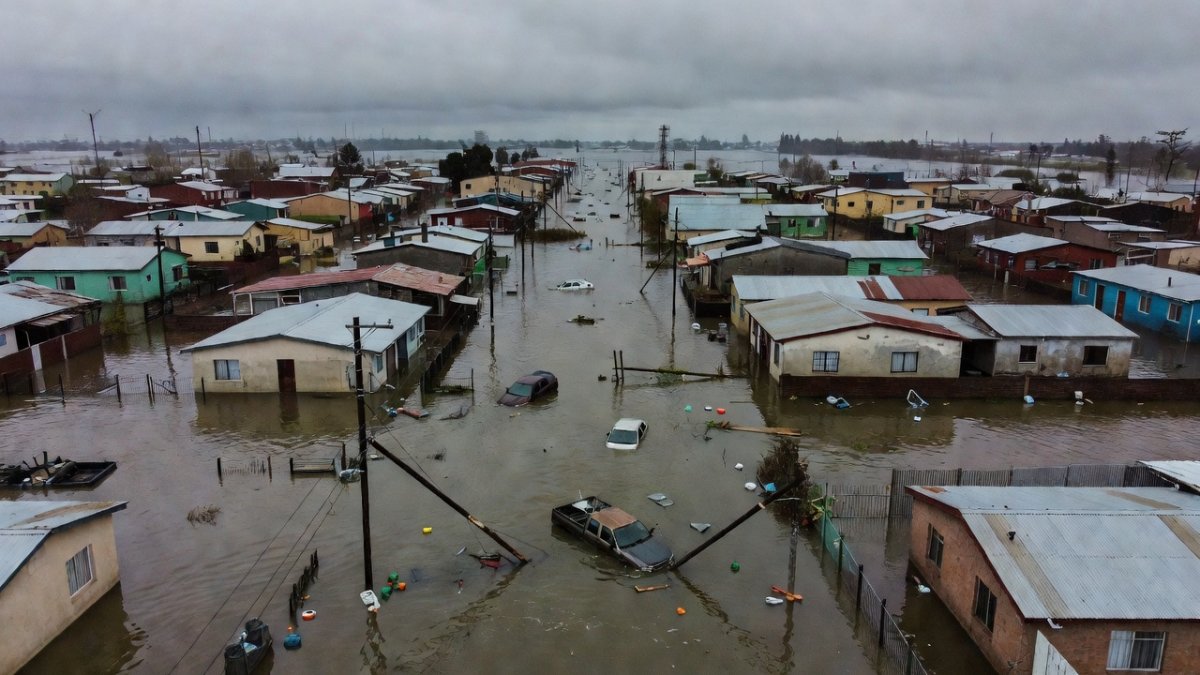
In July 2026, Latin America confronts a brutal convergence of extremes that threatens lives, livelihoods, and ecosystems across the continent.
Chile's Winter Storm
Chile’s central and southern regions endured the worst storm in two decades as heavy rain, landslides, and gale-force winds battered Valparaíso, Biobío, Santiago, and Atacama. Three people lost their lives and more than 590,000 residents awoke without electricity after power lines collapsed under the weight of historic July rainfall. The government declared a state of emergency in ten regions while Dirección Meteorológica de Chile recorded rainfall totals that shattered records dating back to the 1990s. Rural communities in the Andean foothills watched rivers of mud swallow roads and homes, cutting off access to medical care and food supplies for days. Urban neighborhoods in greater Santiago faced flooded metro stations and overwhelmed drainage systems that turned streets into dangerous torrents. Agricultural losses mounted quickly in the fertile valleys of Biobío, where fruit orchards and vineyards stood submerged. SENAPRED coordinated evacuations and shelter openings, yet the scale of the deluge exposed gaps in hillside stabilization projects that had been promised after previous winters. The human cost extended beyond immediate deaths; families lost livestock, small businesses closed indefinitely, and school calendars were disrupted across affected municipalities. This single event demonstrated how even a wealthy Latin American nation can be brought to its knees when atmospheric rivers collide with aging infrastructure and steep terrain already destabilized by years of drought and wildfire.
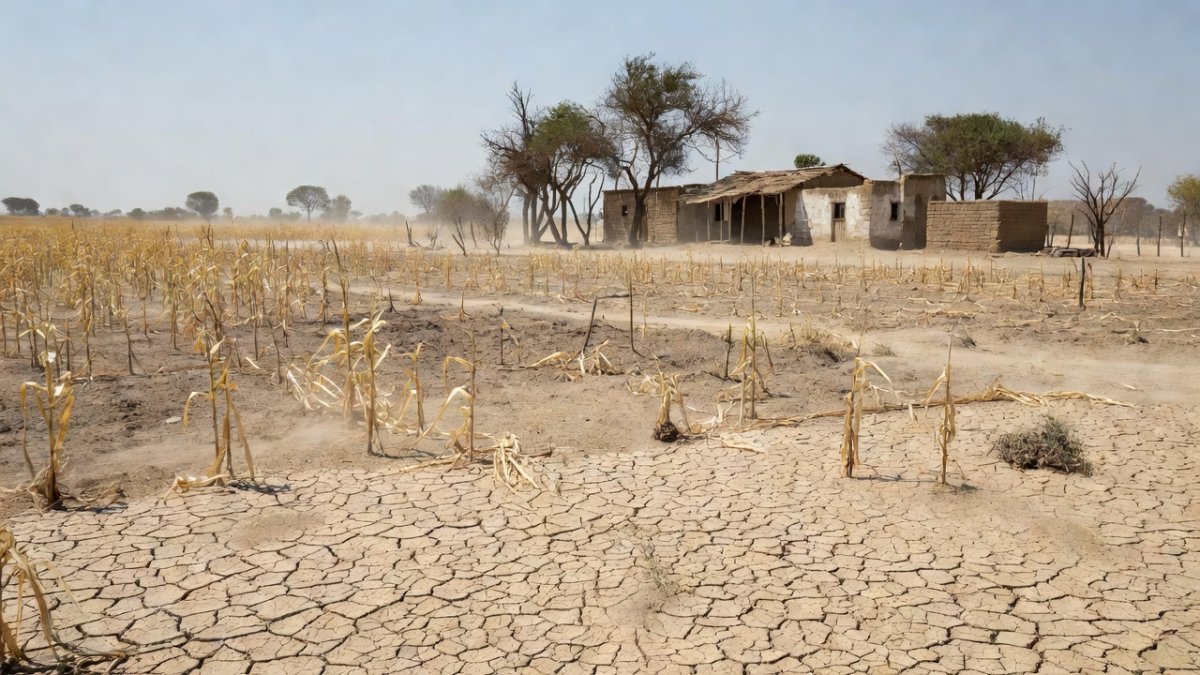
Record-Breaking Winter Heat East of the Andes
While Chile drowned, temperatures east of the Andes soared to 40°C in parts of Argentina, shattering hundreds of winter records across Argentina, Paraguay, Uruguay, Peru, Bolivia, and southern Brazil. The Servicio Meteorológico Nacional in Argentina logged unprecedented overnight lows that never dropped below 28°C in several provinces, turning what should have been the coolest month into a dangerous heat marathon. In Paraguay and Uruguay, hospitals reported spikes in heat-related admissions among the elderly and outdoor workers. Southern Brazil’s soybean and maize belts experienced accelerated crop stress at a moment when soil moisture was already declining. Peruvian communities in the highlands watched glaciers melt faster than usual, threatening future water supplies even as lowland areas faced different extremes. The simultaneous occurrence of Chile’s deluge and this heat dome illustrated the continent’s fractured climate reality: one side of the Andes receiving months of rain in days while the other baked under relentless sun. Energy grids strained under record air-conditioning demand, forcing rolling blackouts that compounded public health risks. Indigenous communities in Bolivia’s Chaco region, already marginalized, found traditional coping mechanisms inadequate against temperatures that exceeded anything in living memory. The economic toll on livestock and poultry operations mounted daily as feed costs rose and animals suffered.
The El Niño Connection
NOAA’s latest forecast points to a developing “Super El Niño” with sea-surface temperature anomalies potentially reaching +4.55°C in the central Pacific. The World Meteorological Organization has warned that such conditions pour fuel on the fire of an already warming world, amplifying both rainfall intensity and heat extremes across Latin America. Historical patterns show that strong El Niño events shift the South Pacific Convergence Zone and strengthen subtropical highs, producing precisely the dual pattern observed in July 2026. Scientists note that background warming from greenhouse gases has raised baseline temperatures, so each additional degree from El Niño translates into more dangerous outcomes for communities already living near physiological limits. In the Amazon basin, drier conditions linked to the event are drying fuels and priming forests for the wildfires now being fought by over 4,600 personnel in Brazil. Coastal Peru faces heightened flood risk as warmer waters fuel atmospheric rivers. Regional meteorological services are racing to update seasonal outlooks, yet the speed of the anomaly’s rise has outpaced many models. The combination of natural variability and human-driven warming creates a new normal in which July can simultaneously deliver historic floods and historic heat, testing every assumption built into national disaster plans.
Country-by-Country Impacts
Brazil deployed more than 4,600 wildfire personnel across the Amazon and Cerrado as El Niño-driven dryness accelerated fire spread. Peru advanced the school calendar in Piura and other northern departments to avoid peak flood season, yet many rural families still lack safe evacuation routes. Colombia intensified water-basin monitoring along the Magdalena and Cauca rivers, fearing contamination and supply disruptions for millions. Argentina’s agricultural ministry warned of excess moisture risks to maize and soy in the Pampas, where saturated soils could delay planting and reduce yields critical to export revenues. In Mexico, flash flooding in Nogales overwhelmed arroyos and damaged cross-border trade infrastructure. These country-specific shocks ripple through regional supply chains: Brazilian beef prices rise when pasture burns, Peruvian avocado exports stall when roads wash out, and Argentine grain traders face uncertainty that affects global food markets. Smallholder farmers and informal workers bear the brunt, lacking insurance or savings to recover from repeated hits. The patchwork of national responses reveals both ingenuity and chronic underfunding that leaves the most vulnerable exposed.
Health and Public Safety
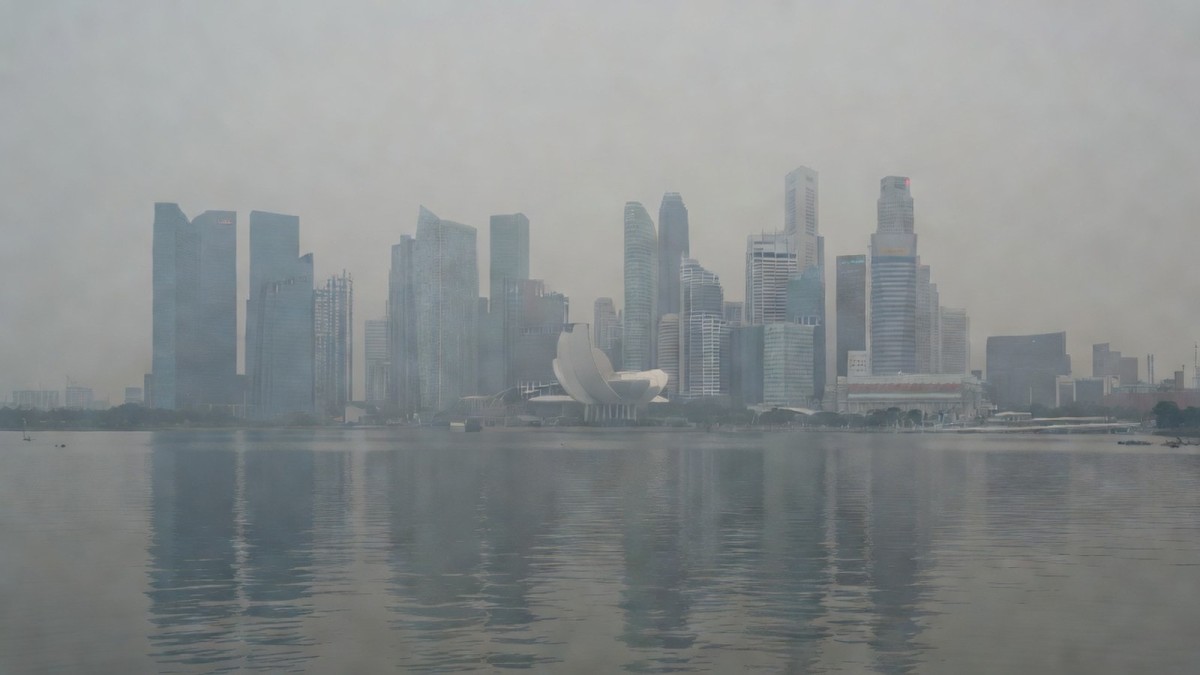
Respiratory illnesses surged in Brazil and the Amazon as wildfire smoke blanketed cities and villages, overwhelming clinics already short on medication. East of the Andes, heat-related emergency visits climbed among construction workers, street vendors, and the elderly whose homes lack cooling. In Chile, floodwaters contaminated wells and municipal supplies in Valparaíso and Biobío, raising fears of waterborne disease outbreaks in shelters housing thousands. Infrastructure strain appeared everywhere: overloaded hospitals, disrupted ambulance routes, and power failures that shut down refrigeration for medicines and food. Mental health impacts from displacement and loss of livelihoods compound physical threats, yet psychological support remains scarce outside major capitals. Indigenous and low-income neighborhoods suffer most because they often sit in flood zones or lack tree cover to mitigate heat. Public health systems across the region, still recovering from pandemic-era budget cuts, face a climate-driven disease burden they were never designed to handle at this scale or frequency.
Are Governments Prepared?
SENAPRED in Chile activated emergency protocols swiftly, yet the storm’s intensity exceeded even updated risk maps. National weather services from SMN Mexico to Argentina’s Servicio Meteorológico Nacional issued timely alerts, but early-warning systems reach only a fraction of rural and Indigenous populations. The question now is whether Latin American countries possess the infrastructure, trained personnel, and fiscal space for a climate-disrupted future that arrives faster than models predicted. Many nations still rely on post-disaster aid rather than sustained investment in resilient housing, drainage, and cooling centers. Regional cooperation remains limited despite shared river basins and atmospheric patterns that ignore borders. International climate finance pledged years ago has arrived slowly, leaving adaptation projects underfunded. The July 2026 events serve as a stress test that many governments are failing, not from lack of knowledge but from insufficient political will and resources allocated to the most exposed communities.
The Bottom Line
Climate change and a strengthening El Niño have created a double threat that will define the coming decades for Latin America. The most vulnerable communities—small farmers in Piura, favela residents in Brazil, Indigenous groups in the Chaco—stand to lose the most while contributing the least to global emissions. Regional cooperation on early warning, data sharing, and joint infrastructure investment is no longer optional. Without rapid scaling of adaptation finance and equitable policies that prioritize the poor, repeated cycles of flood, heat, and fire will erode development gains and deepen inequality. The July 2026 extremes are not anomalies; they are the new baseline demanding urgent, collective action before the next storm or heat wave arrives. By Elena Vasquez, Staff Writer
This article was produced with AI-assisted research and editorial support. Reporting is based on sources cited in the article.
What's Your Reaction?
 Like
0
Like
0
 Dislike
0
Dislike
0
 Love
0
Love
0
 Funny
0
Funny
0
 Wow
0
Wow
0
 Sad
0
Sad
0
 Angry
0
Angry
0

Latin America Correspondent at Global1.News. Based in Mexico City, covering politics, economics, energy, and culture across the region. Brings an on-the-ground perspective to stories spanning from the Rio Grande to Patagonia.













Comments (0)