
Gulf of Paria Widens as Trinidad Pours Oil on Troubled Venezuelan Waters
Tensions are rising once more in the sun-drenched waters of the Gulf of Paria, where a modest hydrocarbon release has sparked fiery accusations, multimillion-dollar compensation claims and fresh strain on already delicate Caribbean diplomacy. With Venezuela demanding US$650 million and Trinidad and Tobago insisting the matter was contained swiftly within its own jurisdiction, the incident threatens to widen old fault lines between neighbours who share both fisheries and fossil-fuel riches.
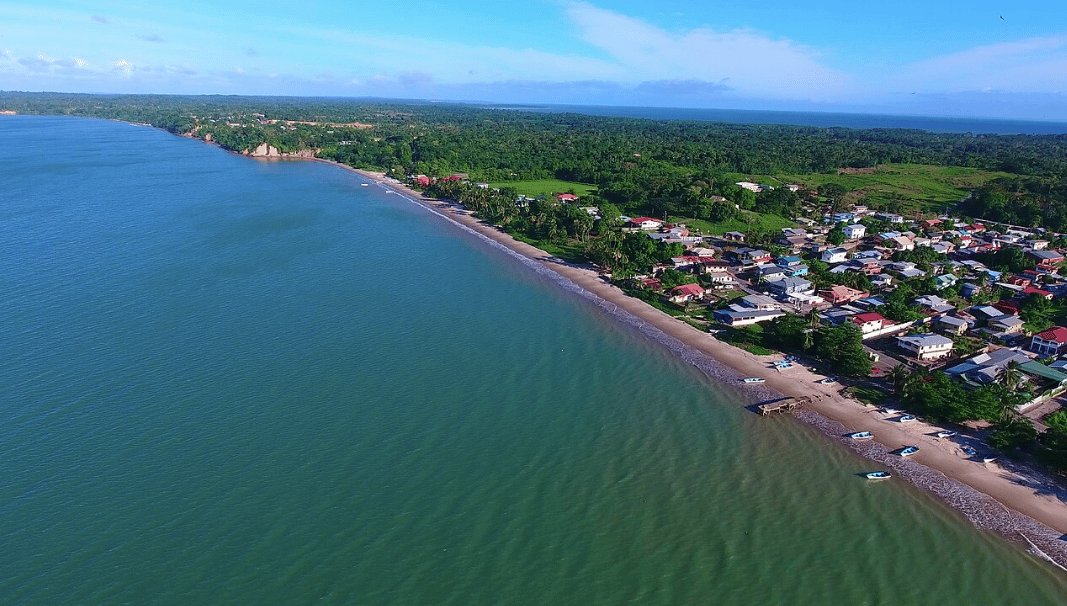
Tensions are rising once more in the sun-drenched waters of the Gulf of Paria, where a modest hydrocarbon release has sparked fiery accusations, multimillion-dollar compensation claims and fresh strain on already delicate Caribbean diplomacy. With Venezuela demanding US$650 million and Trinidad and Tobago insisting the matter was contained swiftly within its own jurisdiction, the incident threatens to widen old fault lines between neighbours who share both fisheries and fossil-fuel riches. Regional observers now wonder whether quiet CARICOM mediation or another round of public confrontation will shape the months ahead.
Gulf of Paria Widens as Trinidad Pours Oil on Troubled Venezuelan Waters
Port of Spain, Trinidad — Article continues...
The Incident Unfolds Offshore Trinidad
The Gulf of Paria, that vital stretch of water separating Trinidad and Tobago from Venezuela, has once again become the centre of regional tension. On 1 May 2026, Heritage Petroleum first detected signs of a petroleum spill at 7:25 am in waters offshore Trinidad. The company, working alongside the Ministry of Energy and the Trinidad and Tobago Air Guard, moved quickly to assess and contain what officials later described as a modest release of hydrocarbons.
Trinidad and Tobago's Energy Minister Dr Roodal Moonilal characterised the event as a minor occurrence that was fully addressed within 48 hours. According to government statements, the spill amounted to roughly ten barrels and remained within Trinidadian waters. Modelling conducted by the Ministry of Energy indicated that, had the response been slower, some hydrocarbons might have drifted toward Venezuelan territory, yet containment measures prevented that outcome.
Venezuela Raises Formal Concerns
At a press conference in Caracas on 18 June, Venezuelan Foreign Minister Yvan Gil formally demanded compensation of US$650 million from Trinidad and Tobago for alleged transboundary pollution in the Gulf of Paria. Gil cited violations of the United Nations Convention on the Law of the Sea and the 1979 Convention on the Prevention of Marine Pollution, insisting that hydrocarbon discharges from platforms operated by companies such as bpTT had caused measurable damage to Venezuelan mangroves and fisheries. He referenced earlier diplomatic notes issued on 9 May and 12 June, which had already condemned the incidents and called for an immediate halt to drilling operations near the median line.
Trinidad and Tobago's Ministry of Foreign and CARICOM Affairs responded within 48 hours, stating that all environmental monitoring data had been shared with Venezuelan counterparts through the Joint Fisheries and Environmental Commission. Port of Spain emphasised its commitment to the 1990 Protocol Concerning Pollution from Land-Based Sources, while rejecting any admission of liability. The exchange has placed CARICOM in a delicate position, with Barbados and Guyana urging both parties to pursue quiet diplomacy rather than public confrontation that could fracture regional solidarity on energy and migration issues.
Trinidad and Tobago Maintains Its Account
Port of Spain continues to stand by its initial assessment. Officials emphasise that the response involved coordinated efforts between Heritage Petroleum, the Ministry of Energy and the Air Guard, resulting in rapid containment. Dr Moonilal has reiterated that the spill posed no lasting threat to Venezuelan waters and was handled entirely within Trinidad and Tobago's jurisdiction.
Local energy workers and coastal communities in south-west Trinidad have followed the story closely. Many remember the long shadow cast by the closure of Petrotrin and the subsequent restructuring of the sector. A swift resolution to the current disagreement would help protect confidence in the industry at a time when global oil prices remain volatile and household budgets across the Caribbean face ongoing pressure from inflation.
The Ecological and Economic Stakes in the Gulf
The Gulf of Paria supports commercially vital fisheries yielding approximately 4,200 tonnes of mixed demersal species annually, including lane snapper, red hind and white shrimp that sustain fishing communities on both sides of the border. Trinidadian landings alone are valued at TT$180 million, while Venezuelan cooperatives in Sucre state report similar figures. These stocks migrate freely across the median line, making any pollution event an inherently shared economic threat. Historical spills, notably the 1979 collision involving the tanker Atlantic Empress and the 2014 rupture of a Petrotrin subsea pipeline, have already demonstrated how oil can smother seagrass beds and reduce catch rates by up to 40 percent for two successive seasons.
Trinidad's energy infrastructure adds further complexity. Twenty-three offshore platforms, the 56-kilometre Teak–Poui pipeline network and the Atlantic LNG facility at Point Fortin all lie within 30 nautical miles of the disputed waters. Any prolonged shutdown triggered by environmental litigation would directly affect the 2.8 million tonnes of LNG exported annually to European and Caribbean markets. Regional scientists from the Institute of Marine Affairs have warned that repeated incidents could push the Gulf's ecosystem past a tipping point, threatening both nations' food security and foreign-exchange earnings.
The Gulf of Paria is no ordinary body of water. As a semi-enclosed marine area, it supports rich fisheries that sustain families in both Trinidad and Venezuela. It also hosts significant oil and gas infrastructure, including platforms and pipelines that contribute to national revenues. Environmental damage here carries consequences far beyond immediate coastlines, affecting food security and the delicate balance of marine life that Caribbean nations depend upon.
Climate change already places additional strain on small island developing states like Trinidad and Tobago. Rising sea temperatures, more intense storms during the hurricane season, and the ever-present risk of flooding make any new source of pollution especially concerning. Communities along the south-west coast, many of whom still rely on fishing as a primary livelihood, watch these developments with understandable anxiety.
Related Risks and Regional Context
Attention to the Gulf has also been heightened by the long-standing concern over the FSO Nabarima, the Venezuelan oil storage vessel that has been tilting dangerously in these same waters. Should that vessel release its cargo, the potential spill could reach as much as 1.3 million barrels, dwarfing the recent incident. Neighbouring states, including those within CARICOM, have previously expressed worry about the vessel's stability and the lack of a clear remediation plan.
Against this backdrop, the bp Loran gas arrangement represents an attempt to foster practical cooperation between the two countries. Successful monetisation of Venezuelan gas through Trinidadian facilities could bring much-needed investment and jobs, yet such projects require stable diplomatic relations and clear environmental safeguards.
Impact on Caribbean Communities and Livelihoods
Fisherfolk in the south-western villages of Icacos, Cedros and Fullarton have reported a 35 percent decline in daily catches since the most recent spill notification. Rising diesel prices, now TT$7.80 per litre, have increased operating costs for the typical 28-foot pirogue by TT$1,200 per week, forcing many operators to reduce trips or sell vessels. At the Port of Spain fish market, kingfish prices have climbed from TT$45 to TT$68 per kilogram, directly affecting low-income households across the East–West Corridor.
Tourism operators offering bird-watching tours at the Caroni Swamp and sport-fishing charters out of Claxton Bay have recorded a 22 percent drop in bookings this season. For small-island developing states such as Trinidad and Tobago, these cumulative pressures compound existing climate vulnerabilities, including projected sea-level rise of 0.5 metres by 2050 that already threatens landing sites and mangrove buffers. Community leaders in Guayaguayare have formed a cooperative to lobby for fuel subsidies and spill-response training, underscoring the urgent need for livelihood diversification.
Fisherfolk in Trinidad's coastal villages have long navigated the challenges of fluctuating fuel prices, competition from imported seafood, and the lingering effects of the pandemic on tourism. An unresolved dispute over pollution risks adding another layer of uncertainty. Families who sell their catch at local markets or supply restaurants in Port of Spain and San Fernando already contend with rising costs of living. Any perception that shared marine resources are under threat can quickly translate into economic worry.
Diaspora communities in the United States, Canada and the United Kingdom also follow these stories closely. Remittances and cultural ties remain strong, and news of environmental incidents in the Gulf often prompts questions from relatives abroad about the safety of local seafood and the health of the marine environment they remember from childhood visits.
Pathways Toward Resolution
Article 12 of the Treaty of Chaguaramas provides for the establishment of a CARICOM Commission on Transboundary Resources that could mediate the current dispute within 90 days. Should bilateral talks stall, the Caribbean Court of Justice holds jurisdiction under its original jurisdiction provisions concerning the interpretation of community law, offering a binding mechanism that avoids recourse to the International Tribunal for the Law of the Sea. Precedents exist in the 2007 Suriname–Guyana maritime delimitation case and the 2019 settlement between Jamaica and Colombia over seismic exploration, both of which relied on joint scientific committees and revenue-sharing formulae.
Practical next steps include the reactivation of the dormant Trinidad and Tobago–Venezuela Maritime Boundary Commission, the deployment of a joint oil-spill modelling team using data from the Institute of Marine Affairs and Venezuela's Instituto Nacional de Investigaciones Agrícolas, and the creation of a US$25 million environmental restoration fund financed proportionally by both governments and affected energy operators. Such measures would demonstrate regional maturity while protecting the ecological integrity of the Gulf of Paria.
By Sharon Sahatoo, Staff WriterThis article was produced with AI-assisted research and editorial support. Reporting is based on sources cited in the article.
What's Your Reaction?
 Like
0
Like
0
 Dislike
0
Dislike
0
 Love
0
Love
0
 Funny
0
Funny
0
 Wow
0
Wow
0
 Sad
0
Sad
0
 Angry
0
Angry
0

Caribbean Correspondent at Global1.News. Based in Port of Spain, Trinidad, covering Caribbean politics, economy, energy, climate, and culture. Amplifying the voices and stories of the Caribbean region.









Comments (0)