
Burnham's Reshuffle Reshapes Labour Government
Andy Burnham's swift ascent to No 10 has triggered one of the most sweeping cabinet reshuffles in recent Labour history, sidelining key Starmer allies in favour of a Manchester-inflected vision of public ownership and regional renewal. Burnham's Reshuffle Reshapes Labour Government London, UK — Article continues...
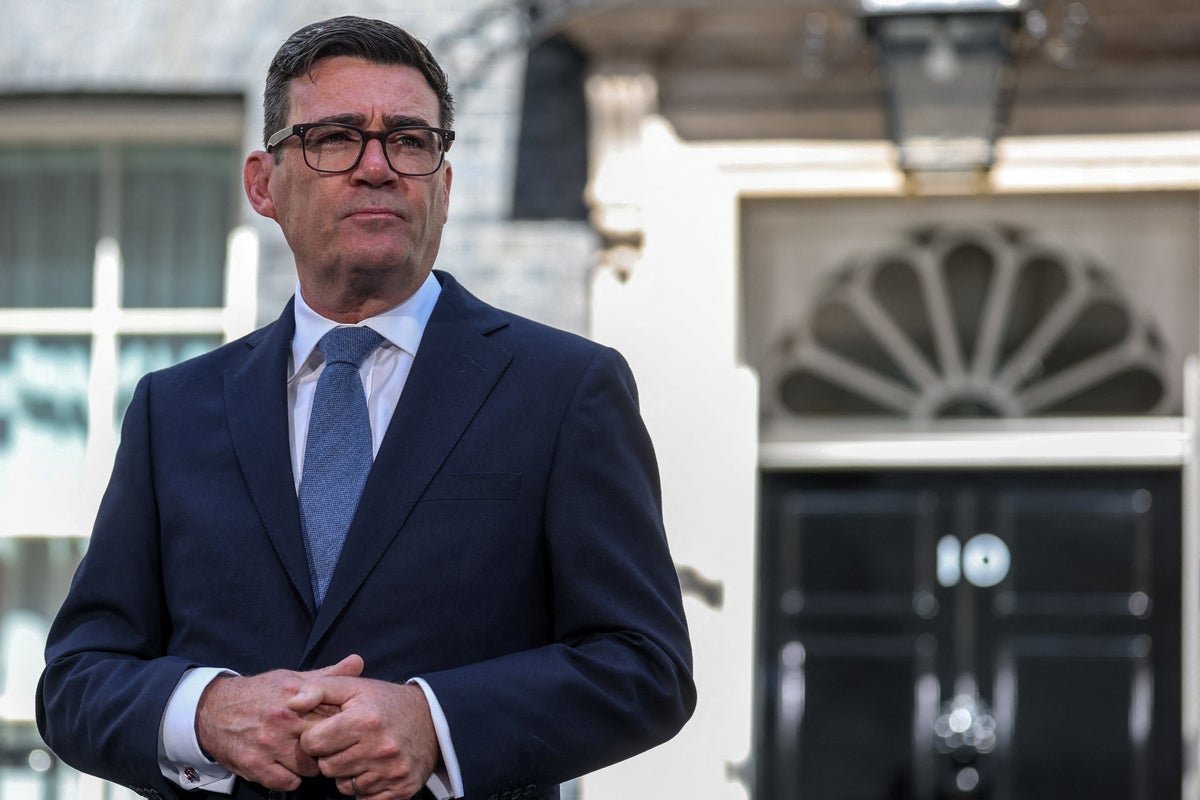
Andy Burnham's swift ascent to No 10 has triggered one of the most sweeping cabinet reshuffles in recent Labour history, sidelining key Starmer allies in favour of a Manchester-inflected vision of public ownership and regional renewal.
Burnham's Reshuffle Reshapes Labour Government
London, UK — Article continues...
Burnham Takes the Reins at Downing Street
Andy Burnham became prime minister on Monday after the traditional ceremony of kissing hands with King Charles at Buckingham Palace. The former Manchester mayor and one-time frontbencher in Gordon Brown's government moved swiftly to assert control over a divided parliamentary party. His arrival at No 10 marked the end of Sir Keir Starmer's leadership and the beginning of an administration determined to reshape both personnel and policy direction.
Whitehall officials noted the speed with which Burnham assembled his team. Briefings to journalists on Monday evening confirmed that several senior figures from the previous cabinet had already received calls informing them their services were no longer required. The transition, conducted against the backdrop of Westminster's summer recess preparations, carried an unmistakable message of renewal.
A Decisive Reshuffle Removes Starmer Allies
Rachel Reeves was among the first to be told she would not continue as chancellor of the Exchequer. In a statement released after her departure, she described the role as the privilege of her life and defended the economic record of the past two years. Burnham offered her an alternative senior position, yet she declined, choosing instead to return to the backbenches.
David Lammy, who had served as deputy prime minister and justice secretary, was also removed. He acknowledged that a new prime minister must be free to select his own team while expressing pride in his previous service. Steve Reed, the housing secretary, chose to resign rather than remain, citing loyalty to Sir Keir Starmer as the reason for his decision. Peter Kyle, business secretary, was informed by BBC reports that his tenure had ended.
These departures represent more than routine adjustments. They signal a deliberate break from the personnel and approach associated with the previous leadership, clearing space for ministers aligned with Burnham's priorities on public ownership and social cohesion.
Reeves inherited a challenging fiscal position following the pandemic and energy crisis, with inflation peaking above ten per cent and sluggish growth constraining her options as chancellor. Her tenure saw efforts to stabilise public finances through targeted spending reviews, yet critics within Labour argued these measures lacked the boldness needed to address regional inequalities. Burnham's decision to offer her a senior alternative role, which she declined in favour of the backbenches, underscores the personal loyalty many Starmer allies retain to the former leader, echoing the factional tensions that marked the Gordon Brown era when similar reshuffles tested party unity.
Lammy brought extensive foreign policy experience to his roles as deputy prime minister and justice secretary, having previously shadowed foreign affairs and engaged in high-level diplomacy on issues from Ukraine to climate accords. His removal, alongside Steve Reed's resignation over loyalty to Starmer, highlights a deliberate purge of figures tied to the previous administration's centrist approach. This contrasts with past Labour reshuffles, such as those under Tony Blair, where continuity often preserved stability; Burnham appears to prioritise a clean slate to advance his Manchester-rooted vision of social cohesion over incremental change.
Burnham's First Speech Sets a Tone of Unity
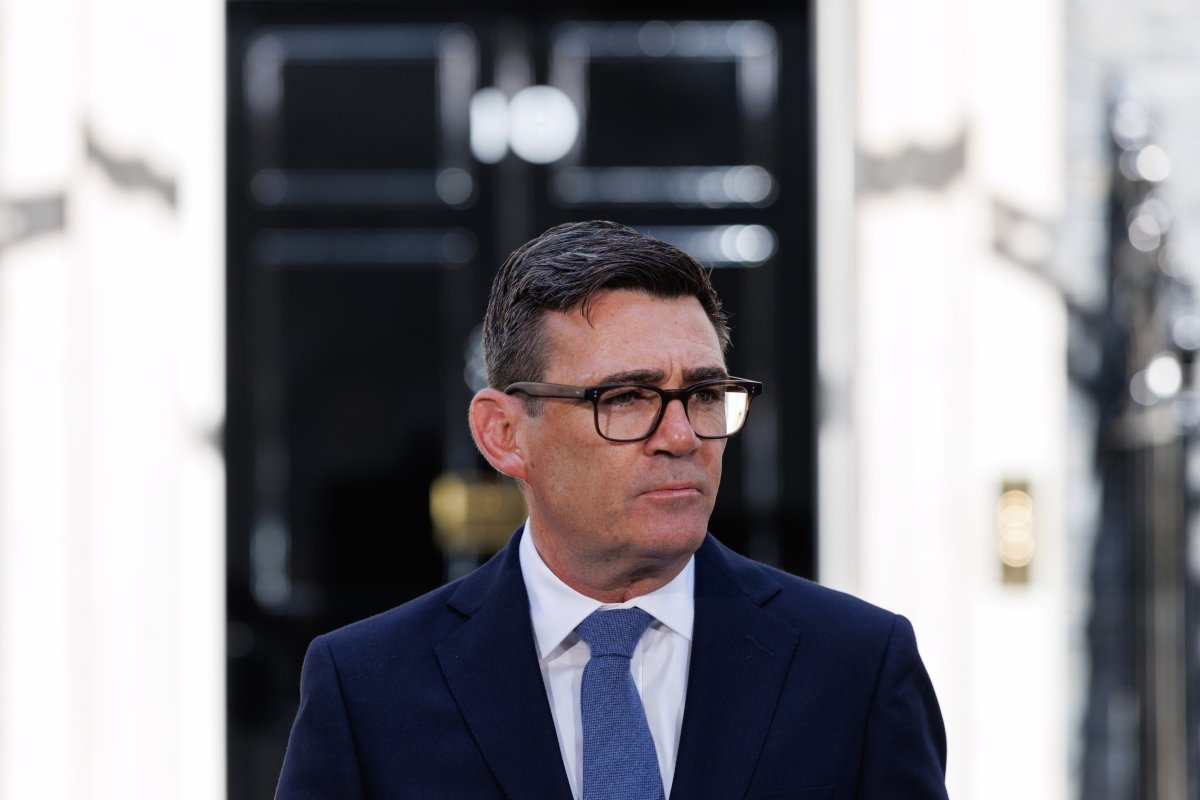
Standing outside No 10, Burnham delivered his opening address to the country. He called on the public to make this the moment Britain starts to believe again and to bring back hope. The new prime minister pledged to give the task his full commitment and urged citizens to pull together in pursuit of common purpose.
His remarks emphasised national unity over partisan division. Observers at Westminster noted the contrast with more technocratic language used in recent years. Burnham also confirmed that he had already spoken with Donald Trump in his first hours in office, underlining the immediate demands of international diplomacy alongside domestic renewal.
Policy pledges outlined in the speech included bringing life's essentials under stronger public control to improve affordability and a renewed drive to end rough sleeping. These commitments echo Burnham's earlier work as Manchester mayor and signal an intention to place practical outcomes above abstract targets.
Burnham's address outside No 10 struck a markedly different chord from Sir Keir Starmer's often measured, technocratic deliveries, invoking themes of national renewal and shared purpose that recalled the hopeful rhetoric of earlier Labour leaders during the Gordon Brown transition period. By urging Britain to "believe again," he positioned his premiership as a break from internal divisions, drawing on his own career trajectory from a Brown-era frontbencher to Manchester mayor, where practical governance trumped abstract ideology. This tonal shift signals an intent to foster cross-party and public buy-in amid economic pressures.
The pledge to bring life's essentials under stronger public control translates in practice to greater state oversight of energy, water and rail sectors, potentially reversing elements of privatisation to enhance affordability for households facing rising bills. Such measures echo Burnham's Manchester initiatives on homelessness, where targeted local funding reduced rough sleeping through integrated support services rather than punitive targets. His renewed drive to end rough sleeping nationwide builds directly on those successes, prioritising visible outcomes in deprived communities over distant Whitehall benchmarks.
The early phone call with Donald Trump underscores a pragmatic foreign policy stance, signalling Burnham's willingness to engage major powers swiftly despite domestic focus. Observers note this could temper any interventionist impulses with diplomatic realism, particularly as international reactions from European allies watch for shifts in Britain's post-Brexit positioning.
The Significance of Removing Starmer Loyalists
The scale of the changes has prompted discussion across Labour circles about the balance of power inside the parliamentary party. By removing several figures closely identified with Sir Keir Starmer, Burnham has reduced the immediate influence of that faction within cabinet. The move carries risks, particularly among MPs who valued continuity after the last general election.
Yet the prime minister appears to have calculated that a clean break offers the best route to restoring public confidence. Local councillors and regional mayors, many of whom worked with Burnham during his time in Manchester, have welcomed the emphasis on visible delivery over internal positioning. The approach mirrors tactics used by previous prime ministers who sought to reset the tone of government early in their tenure.
The dynamics reveal deeper risks for Burnham, as MPs who valued the post-election continuity now feel sidelined, potentially fracturing the parliamentary party along North-South lines. Regional mayors from the North have quietly welcomed the shift, seeing it as an opportunity to elevate voices from traditional heartlands rather than Westminster insiders.
Mahmood and Miliband Take Prominent Roles
Shabana Mahmood, currently home secretary, is widely tipped to move to the Treasury as the next chancellor. Her reputation for steady management of the Home Office has positioned her as a credible successor to Reeves. The appointment would place one of the party's most experienced operators at the heart of economic decision-making.
Ed Miliband is expected to be promoted to foreign secretary. His return to a senior international role would bring long-standing expertise in climate and energy policy into the diplomatic arena. Both moves suggest Burnham intends to combine political reliability with proven departmental experience in the new cabinet.
Further appointments are still being finalised, with sources close to the prime minister indicating that several junior ministers from the North and Midlands will receive promotions. This regional emphasis reflects Burnham's own political base and the party's need to maintain support in traditional heartlands.
Shabana Mahmood's background as a Birmingham MP with deep roots in the Midlands equips her for the Treasury role, where her steady Home Office record managing immigration and security challenges has earned cross-party respect for pragmatic decision-making. Transitioning to chancellor presents hurdles, including navigating inherited economic constraints while advancing Burnham's public ownership agenda, yet her experience handling contentious portfolios positions her to bridge regional divides. This appointment reflects Burnham's Manchester connections, favouring operators attuned to Northern and Midlands concerns over Southern-centric figures.
Ed Miliband's return as foreign secretary revives a figure whose earlier leadership of Labour from 2010 to 2015 navigated the post-Brown era with emphasis on climate and energy policy, expertise he now brings to international diplomacy. His promotion combines political reliability with departmental acumen, potentially strengthening Britain's stance on global sustainability amid shifting alliances. Further junior promotions from the North and Midlands aim to consolidate support in heartlands where Burnham's local record resonates strongly.
These choices deepen the regional implications of the reshuffle, countering perceptions of London dominance by elevating voices from beyond the South.
Implications for Labour's Future Direction
The events of Monday point to a Labour government shifting emphasis toward greater public intervention in essential services and a more interventionist social agenda. Burnham's background in local government and his record on homelessness suggest these themes will receive sustained attention rather than rhetorical treatment alone.
Within the wider party, the reshuffle has clarified lines of authority. MPs who remain loyal to the previous leadership now operate from a diminished position inside government. The test for Burnham will be whether this consolidation translates into legislative progress once Parliament returns and whether the public responds to the renewed focus on affordability and unity.
Bank of England briefings and Treasury handover documents are already being reviewed by the incoming team. Early decisions on spending priorities and regulatory reform will reveal how far the new prime minister intends to depart from the fiscal framework inherited from his predecessor. The coming weeks will show whether the rhetoric of common purpose can be matched by concrete results in communities across the United Kingdom.
Burnham's interventionist philosophy marks a departure from New Labour's market-oriented legacy, aligning more closely with Gordon Brown's emphasis on public intervention during economic turbulence. This reshuffle consolidates authority around figures favouring greater state involvement in essentials, yet it risks alienating MPs who favour the continuity of Starmer's approach, complicating parliamentary arithmetic in a potentially slim majority scenario.
Challenges ahead include rebuilding public trust eroded by recent leadership transitions and managing economic constraints that limit bold spending. Comparisons to past resets, such as Brown's early tenure, suggest Burnham must deliver tangible results quickly to avoid internal revolt.
For the next election, this direction could energise traditional voters if public control measures yield visible improvements, though sustained economic pressures may test whether the rhetoric of unity translates into lasting electoral gains across the United Kingdom.
By Erica Thornton, Staff Writer
This article was produced with AI-assisted research and editorial support. Reporting is based on sources cited in the article.
What's Your Reaction?
 Like
0
Like
0
 Dislike
0
Dislike
0
 Love
0
Love
0
 Funny
0
Funny
0
 Wow
0
Wow
0
 Sad
0
Sad
0
 Angry
0
Angry
0

US Politics and Policy Correspondent at Global1.News. Based in Washington DC, covering American politics, policy, elections, and the courts. Knows how the system works and tells you what it actually means.















Comments (0)