
Nuits d'Afrique Marks 40 Years as Montreal's Premier African Music Festival
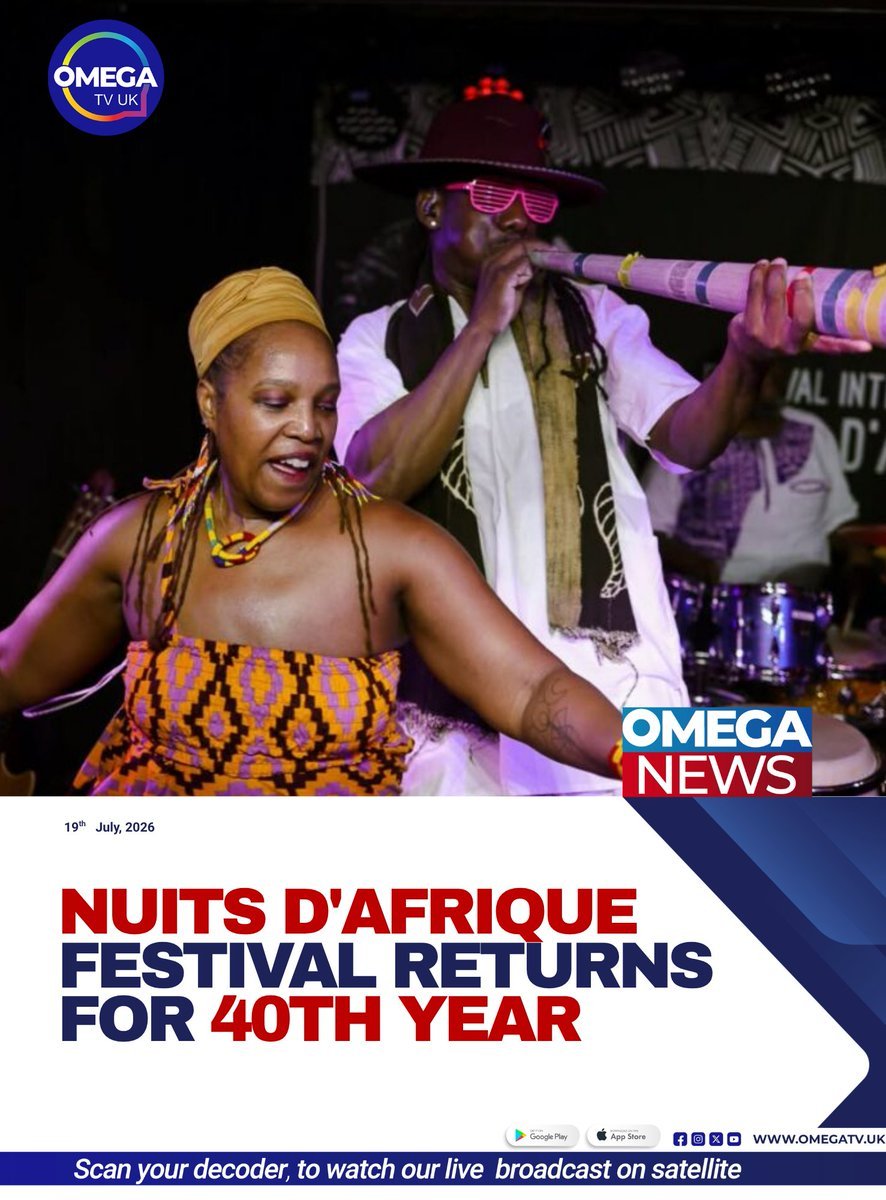
Montreal's celebrated Festival International Nuits d'Afrique has wrapped up its landmark 40th edition, bringing together thousands of music lovers, artists, and cultural ambassadors from across Africa, the Caribbean, and Latin America in a two-week celebration that ran from July 7 to 19, 2026. Founded four decades ago by Ivorian-born club owner Lamine Touré and Suzanne Rousseau, the festival has grown from the intimate atmosphere of the legendary Club Balattou into one of North America's premier
Montreal's celebrated Festival International Nuits d'Afrique has wrapped up its landmark 40th edition, bringing together thousands of music lovers, artists, and cultural ambassadors from across Africa, the Caribbean, and Latin America in a two-week celebration that ran from July 7 to 19, 2026. Founded four decades ago by Ivorian-born club owner Lamine Touré and Suzanne Rousseau, the festival has grown from the intimate atmosphere of the legendary Club Balattou into one of North America's premier showcases for African and world music.
Nuits d'Afrique Marks 40 Years as Montreal's Premier African Music Festival
Montreal, Canada — As the final chords of Tiken Jah Fakoly's reggae anthems echoed across Place des Festivals on Sunday evening, the 40th Festival International Nuits d'Afrique came to a close after 13 days of music, dance, and cultural celebration that reaffirmed Montreal's status as a vibrant crossroads of the African diaspora.
A Vision Born at Club Balattou
The festival traces its roots directly to 1986 when Ivorian-born Lamine Touré, owner of the legendary Club Balattou in Montreal, partnered with Suzanne Rousseau to launch the first edition. Their shared goal was to create a platform that would celebrate the full spectrum of African, Caribbean, and Latin American rhythms in one gathering.
The name Balattou itself carries deep meaning, translating to "a dance for everyone" in the Mandinka and Malinké languages spoken across West Africa. This spirit of inclusion shaped every decision from the outset, ensuring no single tradition would dominate the programming.
Suzanne Rousseau later reflected on the founding idea with clarity: "Nuits d'Afrique is the Balattou formula on a grand scale. When he came up with the name Le Balattou—which means 'a dance for everyone'—everyone—all the rhythms, all the cultures, everything from Africa, the entire African continent, the Caribbean, and Latin America—was to be represented through the performances."
Lamine Touré emphasized the importance of reaching younger generations who grew up far from their ancestral homes. He stated plainly that the festival existed so children born in Canada could reconnect with their cultural roots without needing to travel overseas.
Club Balattou, the intimate venue where the idea first took shape, continues to host performances during the festival each summer, preserving the original connection between the small club nights and the large-scale event that now draws international attention.
Over four decades, this 40-year journey from a single club to a major international festival has remained faithful to that original vision of unity across continents and generations.
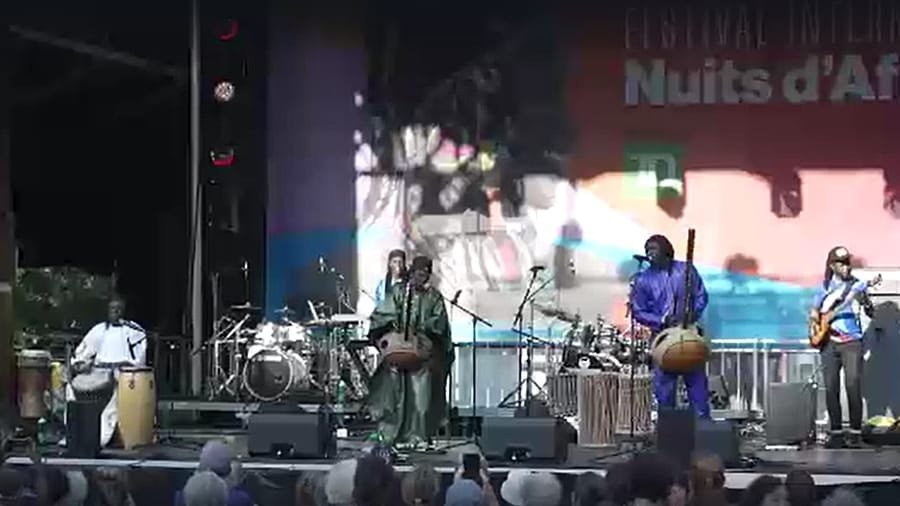
Over 700 Artists and 120 Shows Across Montreal
The 40th edition delivered more than 120 shows featuring over 700 artists, creating one of the densest concentrations of African and diaspora music anywhere in North America during those two weeks. Audiences moved between free outdoor stages and ticketed indoor venues without losing the festival's welcoming energy.
Free outdoor concerts took place daily at Place des Festivals in the Quartier des Spectacles, drawing thousands of Montrealers and international visitors who filled the public square from afternoon into the night. These open-air events formed the heart of the celebration for many families.
Paid indoor performances unfolded at historic venues including the original Club Balattou, Le National, and MTelus, where ticket holders experienced more intimate sets that highlighted specific artists and genres. The mix of free and ticketed options kept the event accessible while supporting the artists.
The atmosphere remained distinctly family-friendly throughout, with dedicated spaces for music, dance workshops, traditional food stalls, and cultural activities that welcomed children alongside elders. Montreal's summer calendar now treats Nuits d'Afrique as an essential annual gathering.
Local media outlets such as PAN M 360, Le Devoir, Cult MTL, and La Presse provided extensive coverage, noting how the festival has become a reliable anchor for the city's cultural life each July.
International visitors arrived from across Canada, the United States, and Europe, many of them returning specifically for the 40th edition to experience the expanded programming that has grown steadily since 1986.
Oumou Sangaré Opens, Tiken Jah Fakoly Closes the Festivities
Malian Wassoulou legend Oumou Sangaré opened the 40th edition with a commanding performance at MTelus that set a powerful tone for the days ahead. Her set drew on deep Malian traditions while resonating with audiences familiar with her decades-long career.
Ivorian reggae icon Tiken Jah Fakoly closed the festival on July 19 at Place des Festivals, his anthems ringing out across the square as thousands sang along under the summer sky. The choice of closing artist honored both his long association with the event and the political depth of his music.
Haitian kompa legends Tabou Combo, active since 1968, delivered a high-energy performance on the TD stage that bridged generations and reminded listeners of the festival's Caribbean connections. Their presence underscored the longstanding ties between Haitian and African musical communities in Montreal.
Algerian-Canadian band Labess performed at Le National on July 12, bringing their distinctive fusion to an enthusiastic crowd. Other notable acts across the two weeks included Wesli, Joyce N'Sana, Kizaba, and the emerging collective Zalam Kao, each adding fresh voices to the established lineup.
Reviewers from PAN M 360, Le Devoir, and Cult MTL highlighted the careful diversity of the programming, noting how the festival balanced legendary figures with newer artists without losing its core identity.
The combination of opening and closing performances created a clear narrative arc that carried audiences through the full 13 days of the event.
Sissokho Brothers and the Montreal-African Connection
The Sissokho brothers, Montreal-based artists originally from Senegal, performed during the festival and spoke movingly about what it means to represent their heritage on Canadian stages. Their presence highlighted the deep Senegalese roots within Montreal's African diaspora.
One brother captured the weight of their role with these words: "We represent not only our family, but also Senegal, where we come from; we represent West Africa; and we represent our culture—and that's a source of pride."
The festival serves as a vital homecoming space for those who cannot easily travel back to their countries of origin, allowing families to maintain living connections to Senegalese griot traditions and kora music that might otherwise fade across generations.
Senegalese mbalax rhythms featured prominently alongside other West African styles, giving Montreal audiences direct exposure to the music that continues to evolve in Dakar and other cities across the region.
Many Senegalese families in Montreal attend Nuits d'Afrique each year as a way to pass cultural knowledge to their children, creating a living bridge between the continent and the diaspora community.
The brothers' performances reminded listeners that African music in Canada is not a static import but an active, growing expression of identity that changes with each new generation.
A Cultural Bridge Between Continents
The festival stands at the crossroads of Africa, the Caribbean, and Latin America, showcasing the musical traditions and cultural exchanges shaped by centuries of migration and movement. Over four decades it has introduced Montreal audiences to genres ranging from mbalax to soukous, kompa to afrobeats, and reggae.
These musical forms carry histories of resilience and creativity that resonate deeply with African communities worldwide. The programming deliberately places artists from different regions side by side so listeners can hear the conversations between traditions.
Nuits d'Afrique has earned a reputation as a destination for international visitors seeking authentic encounters with African and diaspora music, contributing to Montreal's growing profile in cultural diplomacy.
The festival's model has influenced other events across Canada and North America, demonstrating how sustained commitment to African cultural heritage can build lasting audiences and artistic networks.
Forty years after its founding at Club Balattou, the event continues to present African, Caribbean, and Latin American music as living, interconnected expressions rather than isolated traditions.
This ongoing work of cultural bridging matters especially for younger African Canadians who encounter their heritage through performance rather than through direct experience of the continent.
What the Future Holds for Nuits d'Afrique
The success of the 40th edition, marked by record attendance, demonstrates a growing appetite for African cultural events across North America. Organizers now face the welcome challenge of sustaining and expanding this momentum.
Festivals like Nuits d'Afrique play an essential role for African diaspora communities in Canada by providing regular, high-profile spaces where cultural identity can be celebrated publicly and passed to the next generation.
The legacy of Lamine Touré and Suzanne Rousseau's original vision remains visible in every edition, from the continued use of Club Balattou as a venue to the consistent emphasis on representing all rhythms and cultures.
Nuits d'Afrique serves as a working model for how African cultural festivals can bridge continents and generations while remaining rooted in specific communities and histories.
Looking ahead to the 41st edition, the festival's organizers are considering ways to deepen international partnerships and reach new audiences without losing the intimate spirit that began in a single Montreal club.
For Senegalese and other African families in Montreal, the event continues to represent both celebration and continuity, a place where the sounds of home remain alive year after year.
By Amara Diop, Staff Writer
This article was produced with AI-assisted research and editorial support. Reporting is based on sources cited in the article.
What's Your Reaction?
 Like
0
Like
0
 Dislike
0
Dislike
0
 Love
0
Love
0
 Funny
0
Funny
0
 Wow
0
Wow
0
 Sad
0
Sad
0
 Angry
0
Angry
0
West Africa/Sahel Correspondent at Global1.News. Dakar-based journalist covering politics, security, climate, and development across Francophone and Anglophone West Africa. Tells the stories of a region undergoing profound transformation.










Comments (0)