
Atlanta Bets on Film Future Amid Industry Slowdown
Atlanta has long been known as the "Hollywood of the South," a magnet for blockbuster superhero films and hit TV series. But now the city faces its biggest challenge as production spending plummets and studios look overseas. This is a story about resilience, adaptation, and what it means for African diaspora filmmakers who have made Atlanta their home. Atlanta Bets on Its Film Future Amid Industry Slowdown Dakar, Senegal — From my vantage point here in Dakar, Atlanta’s film c
Atlanta has long been known as the "Hollywood of the South," a magnet for blockbuster superhero films and hit TV series. But now the city faces its biggest challenge as production spending plummets and studios look overseas. This is a story about resilience, adaptation, and what it means for African diaspora filmmakers who have made Atlanta their home.
Atlanta Bets on Its Film Future Amid Industry Slowdown
Dakar, Senegal — From my vantage point here in Dakar, Atlanta’s film community feels like an extension of our own African storytelling circles, where diaspora voices carry the rhythms of home across oceans. The city’s studios and soundstages have long welcomed African and African American creators seeking space to craft narratives that honor our shared heritage. As production slows, the lessons of adaptation and community strength echo what we know well from building Nollywood and other resilient African industries with limited resources.
From Hollywood of the South to Survival Mode
Atlanta has long been known as the "Hollywood of the South," drawing major productions with its versatile landscapes and welcoming crews. Blockbuster superhero films and popular television series found a reliable home here, turning the metro area into a bustling hub that employed thousands. The energy felt like a lively market square, full of promise and creative exchange.
Yet recent years have brought a sharp reversal. Georgia film spending fell from $4.4 billion in 2022 to $2.6 billion in 2024, while film permits in Atlanta dropped roughly by half in the past year. Production in Georgia is down nearly 50% from the 2022 peak, leaving stages quieter than they have been in a decade.
The 2023 strikes left lingering effects that slowed momentum across the board. Streaming economics favoring fewer, higher-profile projects meant many mid-tier shows simply disappeared from schedules. National film industry employment is down roughly 30% from late-2022 highs, a change felt deeply in neighborhoods that once buzzed with activity.
Major franchises have shifted elsewhere, with new Avengers films now filming in London instead. The potential Paramount-WBD merger adds further uncertainty, with reports suggesting it could trigger up to 6,000 layoffs. WBD’s Techwood campus may even be listed for sale as part of restructuring.
Despite these pressures, the city’s infrastructure remains formidable. Facilities such as Trilith Studios, Assembly Studios, and Shadowbox continue to stand ready, their empty soundstages waiting for the next wave of stories. Georgia still offers uncapped film tax credits that cover above-the-line costs, a policy that has historically drawn productions from around the world.
Shadowbox Studios and the Bet on Creative Talent
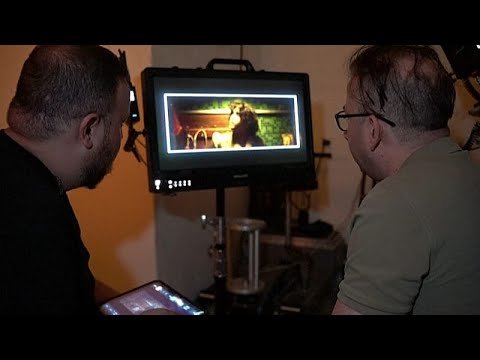
Shadowbox Studios stands as one of metro Atlanta’s largest soundstage operators, choosing to invest in the city’s future even during lean times. Their leadership sees the current slowdown as a temporary season rather than an ending. The company continues to market Atlanta’s unmatched ability to stand in for distant locations.
Jeremiah Cullen, Director of Global Sales at Shadowbox Studios, often reminds visitors that the region’s diversity is its greatest asset. “You might need Russia or the Himalayas or even LA, but you can do it here in Atlanta with Georgia locals,” he says with quiet confidence. His words reflect a deep belief in the local workforce’s adaptability.
Seth Hauer, Manager of Workforce Development at Shadowbox, spends his days building bridges between classrooms and sets. He teaches practical skills that turn eager students into reliable crew members. From understanding call sheets to mastering walkie-talkie etiquette, these lessons prepare young people for real production life.
The company’s partnership with the Entertainment Industry College Outreach Program, known as EICOP, extends this work across Atlanta’s historically Black colleges and universities. Through hands-on workshops, students gain exposure to every department on a film set. This deliberate focus on below-the-line roles helps create lasting local employment.
Even as national numbers decline, Shadowbox maintains its training calendar and outreach efforts. The team believes that when productions return, a prepared Atlanta workforce will be ready. Their commitment feels rooted in the same communal spirit that sustains African film industries through uncertain periods.
Atlanta's African Diaspora and Nollywood Connections
Atlanta has earned the affectionate title of “Black Hollywood,” anchored by Tyler Perry Studios, one of the largest film studios in the United States and fully owned by an African American filmmaker on a former Army base. This landmark facility has become a gathering place for diaspora talent seeking authentic representation. Its presence reminds many of the powerful storytelling traditions carried from the continent.
The African Film Festival Atlanta, or AFFATL 2026, organized by the African Film & Arts Foundation, brings together filmmakers from across the diaspora each year. Screenings and discussions create space for cultural exchange that feels like extended family gatherings. These events strengthen ties between African cinema and its American counterparts.
The Nollywood-Africa in Diaspora Film and Food Festival celebrates this connection through food, music, and film. Nigerian, Ghanaian, and Senegalese stories find enthusiastic audiences alongside works by Atlanta-based creators. The festival underscores how migration and creativity continue to shape both continents.
Ghanaian director Frank Rajah Arase has spoken openly about the challenge of talent leaving Ghana for opportunities in Nigeria. He notes that many skilled professionals seek the larger infrastructure and market access Nollywood provides. This pattern mirrors the movement of African filmmakers toward Atlanta’s established facilities.
These connections run deeper than economics. They reflect a shared desire to tell stories that honor ancestry while reaching global audiences. Atlanta’s diaspora community keeps these cultural threads alive even when production calendars grow thin.
Lessons for African Film Industries
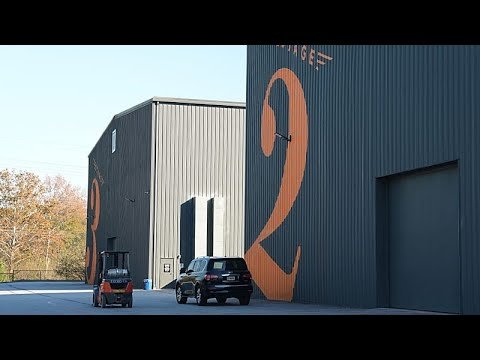
Atlanta’s current slowdown offers valuable perspective for Nollywood, Ghallywood, and other African film sectors. The importance of building durable infrastructure, such as the facilities at Tyler Perry Studios and Shadowbox, becomes clear when external funding fluctuates. African industries have long understood that resilience comes from within communities rather than distant studios.
Talent retention programs like those run through EICOP demonstrate the value of deliberate workforce development. By training grips, electricians, and sound technicians locally, Atlanta creates a foundation that survives boom-and-bust cycles. African filmmakers have practiced similar grassroots approaches for decades, often without state support.
Georgia’s uncapped film tax credits remain a powerful tool, yet they also highlight the risks of depending too heavily on incentives. When productions move overseas or merge, the credits alone cannot guarantee stability. African industries have thrived by focusing on lower-budget, high-volume storytelling that keeps crews working year-round.
The contrast between Hollywood’s cycles and Africa’s steady output is instructive. While major franchises relocate and streaming services reduce orders, Nollywood continues releasing hundreds of titles annually. This consistency builds loyal audiences and keeps skills sharp across generations.
Atlanta’s experience encourages African filmmakers to strengthen local partnerships and diversify revenue streams. The same spirit of adaptation that carried Senegalese cinema through economic shifts can guide the next chapter for diaspora creators in Georgia.
Training the Next Generation Through HBCU Partnerships
The EICOP program has become a vital pipeline connecting Atlanta’s film industry with students at Spelman College, Morehouse College, and Clark Atlanta University. These historically Black institutions have long nurtured leaders across many fields, and now they are preparing the next generation of film professionals. Partnerships with studios like Shadowbox bring real-world experience directly to campus.
Workshops cover essential below-the-line skills that keep productions running smoothly. Students learn lighting, sound recording, and set safety alongside the language of walkie-talkies and call sheets. This practical training transforms abstract dreams into concrete career paths.
Julian Williams, an aspiring filmmaker participating in the program, speaks for many when he says, “I just love Atlanta… I wanna stick with the Atlanta film scene.” His words capture the deep attachment young people feel toward the city that has welcomed their creativity. Such loyalty helps sustain the local industry through difficult seasons.
These HBCU collaborations also open doors for African diaspora students who might otherwise look abroad for training. By building pathways at home, the programs strengthen both the American and African film communities. The emphasis on community and mentorship echoes traditional African approaches to passing down knowledge.
As more graduates enter the workforce, Atlanta gains a more diverse and skilled crew base. This investment in people rather than only infrastructure ensures that when productions rebound, the talent will already be in place and ready to contribute.
What's Next for Atlanta and African Cinema
The outlook for late 2026 remains mixed yet hopeful. Industry observers point to a potential theatrical rebound and stronger box office performance that could draw productions back to Georgia. Green shoots are already visible, including the start of Man of Tomorrow filming in Atlanta beginning April 2026.
South African production company Both Worlds has partnered with Freeli Films on transatlantic micro-dramas featuring Taye Diggs. These cross-continental projects illustrate how Atlanta continues to serve as a bridge between African and American storytelling. Such collaborations keep cultural exchange alive even during slower periods.
Georgia continues its aggressive marketing as a top production hub, highlighting the state’s diverse locations and experienced crews. The combination of uncapped tax credits and world-class facilities like Trilith, Assembly, and Shadowbox positions the region for recovery. Local leaders remain confident that the current lull will pass.
For African filmmakers watching from afar, Atlanta’s story reinforces the value of community-rooted resilience. The same determination that built thriving industries in Nigeria, Ghana, and Senegal can help diaspora creators navigate uncertainty. Diversity and culturally resonant stories remain Atlanta’s greatest strengths.
As we in Dakar follow these developments, we see reflections of our own journeys. Atlanta’s filmmakers, like their African counterparts, understand that true success lies in preserving voice and connection across generations. The bet on the future continues, grounded in faith and shared heritage.
By Amara Diop, Staff Writer
This article was produced with AI-assisted research and editorial support. Reporting is based on sources cited in the article.
What's Your Reaction?
 Like
0
Like
0
 Dislike
0
Dislike
0
 Love
0
Love
0
 Funny
0
Funny
0
 Wow
0
Wow
0
 Sad
0
Sad
0
 Angry
0
Angry
0
West Africa/Sahel Correspondent at Global1.News. Dakar-based journalist covering politics, security, climate, and development across Francophone and Anglophone West Africa. Tells the stories of a region undergoing profound transformation.









Comments (0)