
China Coast Guard Baton Strike Wounds Philippine Navy Sailor at Ayungin Shoal
On July 20, 2026, Philippine Navy personnel on a routine resupply run to the BRP Sierra Madre at Ayungin Shoal in the West Philippine Sea faced another tense encounter when a China Coast Guard member struck one of their sailors on the head with a wooden baton.
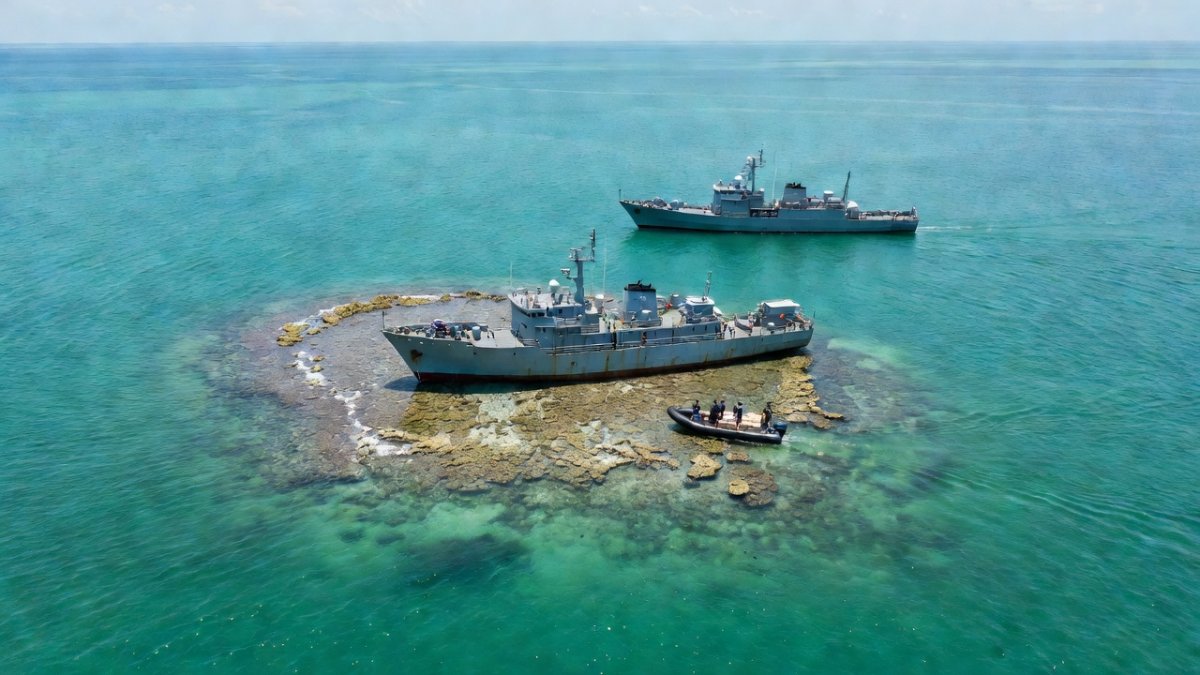
On July 20, 2026, Philippine Navy personnel on a routine resupply run to the BRP Sierra Madre at Ayungin Shoal in the West Philippine Sea faced another tense encounter when a China Coast Guard member struck one of their sailors on the head with a wooden baton. PhilStar first reported the injury, which occurred as the crew tried to deliver food, water, and other essentials to the Marines stationed aboard the grounded vessel. Bloomberg and Manila Times later confirmed the details through official Armed Forces of the Philippines statements, noting that the same action also damaged the rigid-hull inflatable boat used in the approach. The incident came just weeks after the June 17 ramming that cost Seaman First Class Jeffrey Facundo his thumb, underscoring a continuing pattern of interference during these critical missions. Behind the headlines are sailors who leave families in ports across the country to carry out what Manila views as sovereign duties, with loved ones waiting anxiously for news each time a boat heads out. The human cost of these repeated close calls weighs heavily on the small crews who keep the outpost supplied despite the risks.
The July 20 Incident at Ayungin Shoal
Philippine Navy personnel conducting a resupply mission to the BRP Sierra Madre at Ayungin Shoal in the West Philippine Sea reported an injury on Monday, July 20, 2026. According to PhilStar reporting, a China Coast Guard member struck a Philippine Navy service member on the head with a wooden baton during the operation. The Armed Forces of the Philippines confirmed the incident occurred while the crew attempted to deliver supplies to the grounded vessel.
Bloomberg and Manila Times coverage noted that the encounter took place near the Philippine outpost, where routine rotations and resupply efforts have occurred for years. The Philippines formally accused China Coast Guard personnel of aggressive conduct that wounded the Navy serviceman and damaged the service's rigid-hull inflatable boat. Video footage of the event was later published by WION.
Details of the Reported Injury and Equipment Damage
The strike caused a head injury to the Philippine Navy sailor, according to statements from the Armed Forces of the Philippines. AFP sources indicated that the China Coast Guard vessel crew used a wooden baton during close-quarters contact with the Philippine rigid-hull inflatable boat. The same action reportedly damaged the Navy vessel's equipment.
Manila Times and Arab News accounts described the sequence as part of efforts to block the resupply approach. No further medical details were released by Philippine authorities at the time of reporting. The incident was documented on video, which circulated among international outlets including Anadolu Agency and Newsmax.
Background on Ayungin Shoal and Resupply Operations
Ayungin Shoal, also known as Second Thomas Shoal, lies within the West Philippine Sea and has been the site of repeated maritime encounters. The BRP Sierra Madre, a Philippine Navy vessel deliberately grounded there in 1999, serves as a forward outpost. Regular resupply missions maintain the presence of a small Marine detachment aboard the ship.
Philippine officials have described these missions as standard logistical operations under sovereign jurisdiction. China maintains overlapping claims in the area. International reporting from Bloomberg has tracked the pattern of vessel interactions at the shoal over multiple years.
Comparison to the June 17, 2026 Encounter
Philippine records show a prior incident on June 17, 2026, in which Seaman First Class Jeffrey Facundo lost his thumb during a China Coast Guard ramming of Philippine rubber boats. AFP Chief statements at the time characterized the actions as involving bolos and the seizure of disassembled firearms, likening the conduct to piracy.
Manila Times and Inquirer reporting placed the June event in the same operational area. The July 20 incident followed a similar resupply route. No direct connection between the two events has been established by investigators, though both involved China Coast Guard vessels interacting with Philippine craft.
Philippine Military and Government Response
The Armed Forces of the Philippines issued a condemnation of the reported baton strike. President Ferdinand Marcos Jr. has directed the AFP to pursue de-escalation measures in the West Philippine Sea while continuing resupply operations. Official statements emphasized adherence to established protocols during maritime activities.
AFP spokespersons confirmed that documentation of the July 20 event, including video, was compiled for internal review. No immediate changes to mission schedules were announced. Philippine institutions continue to monitor vessel movements in the area through standard surveillance channels.
China's Position and Upcoming Diplomatic Meetings
As of the latest reports from Bloomberg and Anadolu Agency, China has not issued a public comment on the July 20 allegations. Philippine diplomats have raised the matter through established bilateral channels. A meeting between the top diplomats of the Philippines and China is scheduled for later this week.
Manila Times coverage noted that both sides have previously used such meetings to address maritime concerns. The agenda for the upcoming session has not been detailed publicly. Philippine officials stated they will present evidence collected from the incident.
International Media Coverage and Regional Context
Outlets including WION, Arab News, Newsmax, and Anadolu Agency carried reports on the July 20 event, citing Philippine government sources and available video. Bloomberg provided additional context on the pattern of encounters at Ayungin Shoal. Coverage has remained focused on documented actions rather than broader policy interpretations.
Regional observers note that resupply missions to the BRP Sierra Madre have continued despite periodic interference. Philippine authorities have maintained that these operations fall within recognized maritime zones. No new restrictions on media access to official statements were reported following the incident.
Economic and Community Ripple Effects
Filipino fishermen from Palawan, Zambales, and other coastal provinces have seen their traditional fishing grounds shrink as tensions at Ayungin Shoal and nearby features persist. Many now avoid areas they once reached in a day’s sail, citing safety concerns after reports of water cannon use and vessel ramming. Reduced catches directly cut into household incomes that depend on daily hauls of fish and squid sold at local markets. Families in these communities describe the added cost of fuel for longer, safer routes and the emotional toll of watching relatives head out each morning unsure of what they may encounter. The situation has forced some younger fishermen to seek work on commercial vessels or move to urban centers, slowly changing the makeup of once tight-knit coastal villages.
Local government units and barangay officials play a central role in helping coastal communities manage these risks. Mayors and captains coordinate with the Philippine Coast Guard to set up regular radio briefings and designate safe transit lanes for small boats. In Palawan towns, officials have organized community drills and distributed life vests funded through municipal budgets, while barangay tanods assist in relaying real-time alerts about vessel movements. These grassroots efforts complement national maritime patrols and give residents a direct channel to voice concerns. The collaboration has helped maintain a measure of daily normalcy even as larger diplomatic talks continue in Manila.
Overseas Filipino workers scattered across the Middle East, Europe, and Asia closely follow West Philippine Sea developments through group chats and video calls with relatives back home. Many send remittances that support siblings in school or parents in fishing villages, and any sign of heightened instability raises quiet worries about future job security and regional peace. Families that rely on steady dollar inflows often adjust spending plans when news of confrontations spreads, setting aside extra savings in case tensions affect shipping routes or overseas employment contracts. While most OFWs remain focused on their work abroad, the shared concern for loved ones in the Philippines keeps the maritime situation a recurring topic in family conversations and hometown association meetings.
Impact on Philippine Navy Personnel
The injured sailor received medical attention following the reported strike. AFP statements indicated that the service member returned to duty after initial treatment, though full details remain limited. Routine rotation schedules for personnel at the shoal have not been altered.
Previous incidents, such as the June 17 injury to Seaman First Class Facundo, have prompted internal reviews of protective equipment and operational procedures. Philippine Navy leadership continues to assess risks associated with close-proximity vessel interactions during resupply tasks.
Life aboard the BRP Sierra Madre tests the endurance of every sailor assigned there. The World War II-era landing ship, deliberately grounded in 1999, offers cramped quarters where Marines and Navy personnel share limited space, sleep in shifts, and rely on rainwater collection and generator power for basic needs. Tours typically last several weeks, with resupply missions serving as the only regular link to the mainland. Morale often hinges on small comforts such as fresh food deliveries and brief radio calls home, yet the constant presence of Chinese vessels nearby keeps tension high. Sailors describe the routine as a mix of vigilance and monotony, where every approach to the shoal carries the possibility of confrontation. Despite these conditions, many speak of quiet pride in maintaining the Philippine flag at the edge of the country’s exclusive economic zone.
Incidents like the July 20 baton strike ripple outward to affect recruitment and family life across the Philippine Navy community. Potential recruits and their parents now weigh the added physical risks when considering service in the West Philippine Sea, prompting some families to discourage enlistment in maritime units. Spouses and children of deployed sailors form informal support networks through social media groups and local parish gatherings, sharing updates and offering emotional help during long separations. These pressures also reach active-duty personnel who worry about how repeated confrontations may influence future assignments or promotions. The broader Navy family feels the strain through increased requests for counseling and adjustments to leave schedules so sailors can reconnect with loved ones after high-stress missions.
Support systems available to today’s sailors have grown noticeably stronger than those in previous decades. The Armed Forces of the Philippines now provides dedicated medical teams for immediate post-incident care, expanded family assistance programs that include stipends during deployments, and regular mental health check-ins coordinated through base hospitals. In earlier eras, sailors returning from similar missions often relied mainly on unit camaraderie and limited civilian medical access, with little structured follow-up for stress or injuries. Current programs also connect families with barangay-level support and veteran organizations that help navigate benefits. While gaps remain, these improvements reflect a deliberate effort by AFP leadership to sustain personnel welfare amid ongoing maritime challenges.
By Bella Reyes, Staff WriterThis article was produced with AI-assisted research and editorial support. Reporting is based on sources cited in the article.
What's Your Reaction?
 Like
0
Like
0
 Dislike
0
Dislike
0
 Love
0
Love
0
 Funny
0
Funny
0
 Wow
0
Wow
0
 Sad
0
Sad
0
 Angry
0
Angry
0

Philippines/Southeast Asia Correspondent at Global1.News. Manila-based journalist covering Philippine politics, environment, maritime security, and social issues. Passionate about marine conservation and the communities protecting the Philippines' natural heritage.













Comments (0)