
Mexico Balances World Cup Festivities With Ongoing Disappearances Crisis Under Plan Kukulkán
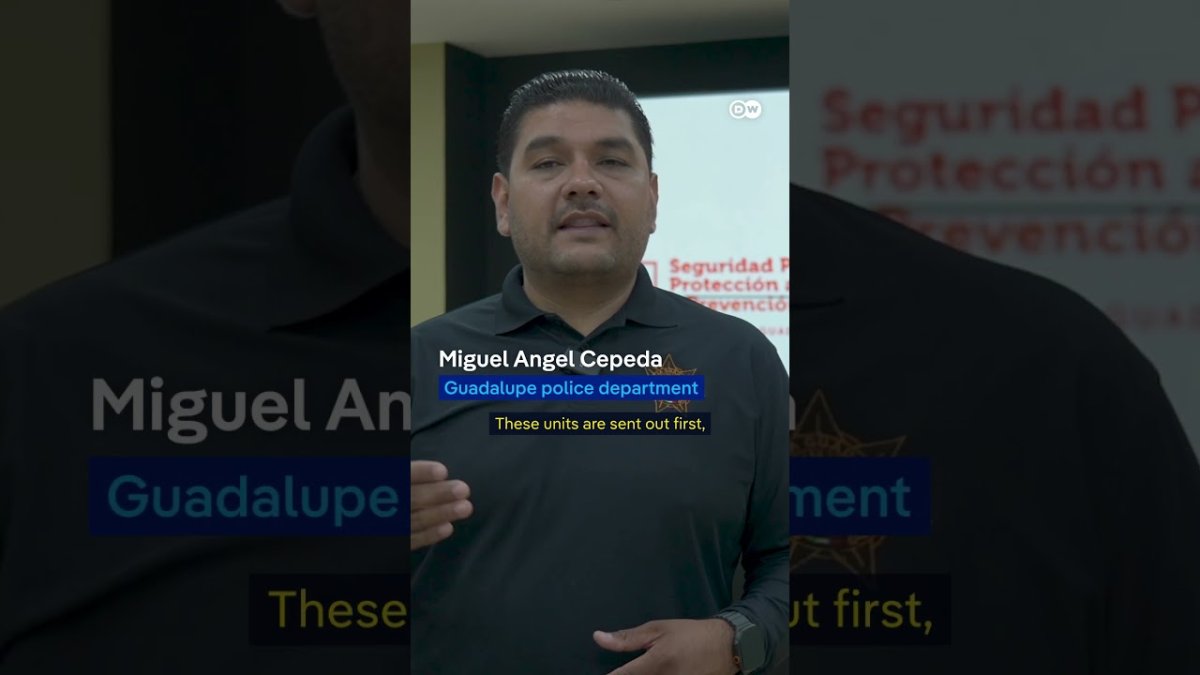
In a recent DW News report on Mexico ramping up security ahead of World Cup games, authorities announced the mobilization of nearly 100000 military and police personnel. SSPC Secretary Omar García Harfuch presented Plan Kukulkán in March to coordinate with SEDENA, SEMAR, Guardia Nacional, state forces, FIFA, the United States and Canada. The plan creates three rings of security
In a recent DW News report on Mexico ramping up security ahead of World Cup games, authorities announced the mobilization of nearly 100000 military and police personnel. SSPC Secretary Omar García Harfuch presented Plan Kukulkán in March to coordinate with SEDENA, SEMAR, Guardia Nacional, state forces, FIFA, the United States and Canada. The plan creates three rings of security with drone surveillance around Estadio Azteca in Mexico City, Akron Stadium in Zapopan and venues in Monterrey for the June 11 opening match between Mexico and South Africa.
Mexico Balances World Cup Festivities With Ongoing Disappearances Crisis Under Plan Kukulkán
Mexico City, this week — President Claudia Sheinbaum will watch the opening match from the Zócalo fan festival after giving her ticket to 21-year-old Indigenous woman Yolett Cervantes Cuaquehua from Veracruz. The 48-team tournament runs through July 19. Plan Kukulkán places 11219 officers and more than 1000 vehicles in Mexico City alone while families of the disappeared continue pasting posters in Guadalajara's Zócalo.
Plan Kukulkán Coordination Across Forces
SSPC Secretary Omar García Harfuch unveiled Plan Kukulkán with three security rings, drone surveillance and intelligence sharing among SEDENA, SEMAR, Guardia Nacional and municipal police. The plan also involves FIFA and officials from the United States and Canada. Nearly 100000 personnel will cover Estadio Azteca, Akron Stadium in Zapopan and Monterrey venues.
The deployment targets terrorism and crime risks listed in the current U.S. State Department travel warning for Mexico. Local rights groups protested the scale of the operation during the DW News coverage. Families in colonias near the stadiums say the focus on event security leaves daily safety concerns unaddressed.
Deployments in Mexico City, Guadalajara and Monterrey
In Mexico City, 11219 officers and over 1000 vehicles will secure Estadio Azteca and surrounding areas. Guadalajara's Akron Stadium in Zapopan receives coordinated coverage from state and federal forces under the same plan. Monterrey venues follow identical three-ring protocols with drone monitoring.
These cities host matches through July 19. Small business owners near the stadiums report increased checkpoints that slow deliveries of goods to tianguis markets. Teachers from the CNTE union note that police presence has already risen ahead of their salary protests at the Zócalo.
Clandestine Graves Discovered Near Akron Stadium
Authorities recovered 456 bags of human remains from clandestine graves near Akron Stadium in Zapopan, Jalisco. In the past eight years, 242 clandestine graves have been documented across Jalisco. Letizia Ramirez's search collective found a mass grave near Guadalajara airport containing 60 bags of remains so far.
Jorge Luis Reyes, a local farmer, sells pajaretes made with raw milk and moonshine near one of the grave sites. He says the discoveries have changed daily life for families who once gathered there for community events. The remains continue to be processed by forensic teams while World Cup fan zone construction proceeds nearby.
Families of the Disappeared Demand Answers
Hector Flores, father of 19-year-old Danny who disappeared five years ago after being picked up by local authorities in Guadalajara, stated: "We say the families of the disappeared die every night, only to be reborn every morning." More than 130000 Mexicans remain reported missing nationwide. Over 130000 posters have been placed by relatives in public spaces including Guadalajara's Zócalo.
Ruth Alejandrina and other family members continue weekly searches in rural areas around the host cities. Darwin Franco, a Guadalajara journalist, said: "The government has bet on a lie instead of reality." Nine times more public funds have gone to the Zócalo fan festival than to expanded searches for the disappeared.
CNTE Teacher Protests and Increased Police Presence
CNTE teachers marched at the Zócalo demanding salary increases and reversal of pension reforms. The demonstrations coincide with fan festival preparations for the Sheinbaum administration. Police presence has been increased around the historic center to manage both protests and World Cup crowds.
SEGOB and SSPC officials have stated that security for the tournament will not interfere with lawful assembly. Teachers from Oaxaca and other states say the added officers create an atmosphere of surveillance rather than protection for working families. The marches continue on a regular schedule through the tournament period.
International Warnings and Local Economic Effects
The U.S. State Department maintains its travel warning for Mexico citing terrorism, crime and kidnapping risks. Plan Kukulkán includes intelligence coordination with U.S. and Canadian partners to address these concerns during the tournament. Maquiladora workers and migrant families in border regions say the warnings affect remittances and cross-border travel plans.
Andres Fabregas, an anthropologist, noted that football has the power to unite communities, citing examples from Chiapas teams. Yet nine times more spending on fan festivals than on disappearances searches leaves many rural and indigenous groups questioning priorities. CONEVAL data shows persistent poverty rates in Jalisco colonias surrounding the stadiums.
Human Impact on Communities Hosting Matches
Farmers and small vendors near Zapopan grave sites report fewer customers as security checkpoints multiply. Indigenous students from Veracruz, like the young woman invited to the opening match, represent the cultural face of the tournament while their communities still lack basic search resources. IMSS and ISSSTE clinics in host cities have been placed on alert for potential crowd-related incidents.
The tension between celebration at the Zócalo and ongoing searches in nearby colonias defines daily life for thousands of Mexican families. Plan Kukulkán moves forward with its 100000 personnel while relatives of the disappeared paste new posters each week.
What to Watch For
The opening match on June 11 will test whether Plan Kukulkán can balance crowd safety with the ongoing human rights concerns raised by families of the disappeared. CNTE teacher protests are expected to continue at the Zócalo throughout the tournament. Congress may face renewed scrutiny over budget allocations for disappearances searches versus event security. Sheinbaum's decision to watch from the fan zone rather than the stadium sends a deliberate message of accessibility, but critics argue the real test is whether search resources increase after the final whistle on July 19.
For the families who paste new posters in Guadalajara's Zócalo each week, the World Cup is not a distraction from their search — it is the backdrop against which they continue demanding the truth. The question Mexico faces is whether a nation can celebrate its global moment while refusing to look at what lies beneath the surface.
By Rosa Martinez, Staff Writer
This article was produced with AI-assisted research and editorial support. Reporting is based on sources cited in the article.
What's Your Reaction?
 Like
0
Like
0
 Dislike
0
Dislike
0
 Love
0
Love
0
 Funny
0
Funny
0
 Wow
0
Wow
0
 Sad
0
Sad
0
 Angry
0
Angry
0
Latin America/Andes Correspondent at Global1.News. Based in Bogota, covering politics, environment, energy, and social movements across the Andean region. Passionate about environmental journalism and communities protecting their land.











Comments (0)