
Cayetano Questions Retroactive Impeachment at Duterte Trial
In a recent ANC 24/7 report, Senator Pia Cayetano pressed House prosecutor Chel Diokno on whether a 60-year-old president or ombudsman could face impeachment for acts committed at age 20, directly citing the Duterte v. House of Representatives Supreme Court ruling during Day 7 proceedings.
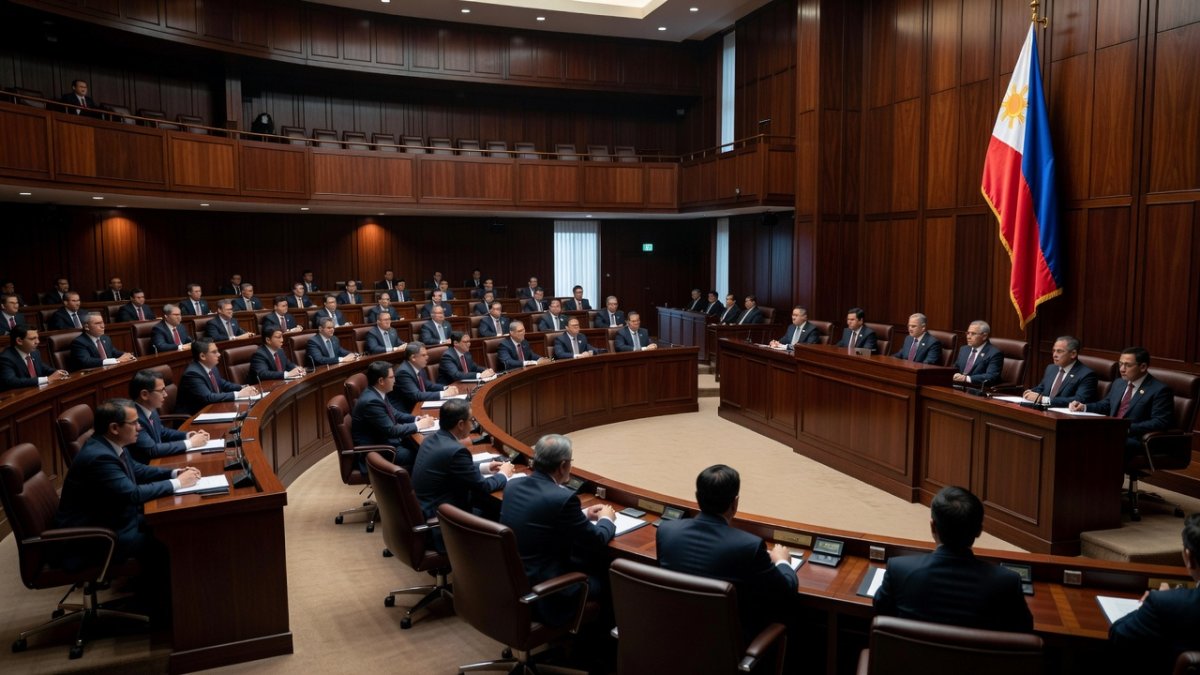
Senate Impeachment Court Debates Pre-Office Acts as Bank Records Subpoena Looms in Sara Duterte Trial
Manila, Philippines — The Senate impeachment court under Chief Justice Alexander Gesmundo convened today to tackle core questions about the scope of impeachment power in the case against Vice President Sara Duterte. The historic trial, now in its third week, has entered a critical phase as senators weigh fundamental questions about the limits of their authority.
Cayetano Raises Landmark Question on Timing of Alleged Acts
Senator Pia Cayetano asked whether impeachment could reach back to actions taken decades before an official assumes office, referencing the Supreme Court decision in Duterte v. House of Representatives. She noted that many congressmen could face similar charges if the standard applied broadly. This line of questioning directly challenged the prosecution's push to review records spanning years before Vice President Duterte took office in 2022.
The query carries weight for families in Davao City and across Mindanao, where supporters of the Duterte political dynasty worry that shifting legal standards could destabilize future leadership transitions. Cayetano further asked what would happen if the same scrutiny applied to leaders five years from now, underscoring risks to political continuity in the 2028 presidential race.
The exchange drew directly from the 2015 Supreme Court ruling in Duterte v. House of Representatives, where the Court clarified that impeachment remains a political process rather than a criminal trial, allowing Congress to define its own standards. Senator Cayetano stressed that if pre-office acts from age 20 could trigger removal for a 60-year-old official, the principle would upend political stability, especially with the 2028 presidential race already shaping alliances between the Marcos and Duterte camps. Families in Davao and across Mindanao see this as more than legal theory, fearing it could chill young leaders from entering public service.
Legal analysts note the timing issue also tests how far the Senate impeachment court can reach into private conduct before an official assumed the vice presidency in 2022. Cayetano warned that applying the standard retroactively risks turning every future impeachment into a fishing expedition, a concern echoed by Mindanao lawmakers who worry about selective enforcement against political rivals ahead of the next national elections.
Bank Records Subpoena Request Remains Unresolved
The House prosecution panel, led by Chel Diokno, renewed its request for subpoenas covering Vice President Sara Duterte's bank records, tax returns, and Anti-Money Laundering Council documents. Senators deferred final action on the Day 6 request, leaving the matter open into this week. The court must weigh bank secrecy laws against its authority to access evidence in an impeachment proceeding.
Residents in Quezon City barangays and Cebu communities have followed these financial disclosure fights closely, as public trust in leaders directly affects local infrastructure projects funded through national budgets. Delays in resolving the subpoena could extend uncertainty for OFW families who rely on stable governance for remittance policies.
The unresolved subpoena request revives memories of the 2012 impeachment of Chief Justice Renato Corona, when the Senate first pierced bank secrecy under Republic Act 1405 to examine dollar accounts. House prosecutors led by Diokno argue the same exception applies here, citing the impeachment court's constitutional power to compel evidence. Senators such as Juan Miguel Zubiri and Alan Peter Cayetano have signaled openness to limited access, while others like Robin Padilla lean toward stricter protections for pre-term records.
RA 1405's secrecy provisions remain in tension with the Senate's authority under Article XI of the Constitution, forcing the court to decide whether bank documents from 2016 onward can be examined without violating privacy laws. Community leaders in Cebu and Quezon City note that prolonged delays affect public confidence in how national budgets reach local projects, especially for OFW families dependent on steady remittance policies.
Prosecution Argues for Full Access to Evidence
Diokno told the court that the impeachment body holds unique power to examine financial records to reach a decision based on the whole truth. The panel trimmed its witness list to focus testimony on the eight articles of impeachment, which include grave threats against President Ferdinand Marcos Jr., corruption, and betrayal of public trust. This approach aims to streamline proceedings while maintaining pressure on the defense.
Diokno outlined the eight articles, highlighting Article I on grave threats made in November 2024 against President Marcos Jr., alongside charges of corruption and betrayal of public trust tied to confidential funds. The panel presented AMLC data showing P6.7 billion flowing through Vice President Duterte's accounts between 2019 and 2024, arguing these records are essential to prove or disprove misuse. Streamlining the witness list to focus on these articles aims to keep proceedings focused while still pressing for accountability.
Farmers in the Cordillera and sari-sari store owners in Manila follow these financial details closely because corruption findings at the national level directly shape rice subsidies and market regulations. The prosecution's push reflects voter demands for transparency that carried over from the 2022 elections, where communities across the archipelago voiced hopes for cleaner governance.
Defense Insists on Confidentiality Protections
Defense lawyers maintained that bank secrecy and confidentiality laws shield the records from court review. They argued the impeachment court lacks authority to override these protections, especially for documents predating Vice President Duterte's term. The position echoes earlier objections raised on Day 6.
Defense counsel led by Atty. Vic Rodriguez and Atty. Jose Joel Mendoza insisted that RA 1405 and related confidentiality statutes bar the court from accessing records predating the vice president's 2022 term. They quoted the bank secrecy law's explicit prohibition on disclosure without the depositor's consent, arguing the impeachment court cannot unilaterally override these protections. The defense further contended that allowing such access would set a dangerous precedent for future officials.
This stance creates a direct clash between statutory privacy rights and the Senate's impeachment powers under the Constitution. Observers in Davao note the argument resonates with families who value financial privacy, yet it also raises questions about how far any sitting official can shield records when facing removal proceedings.
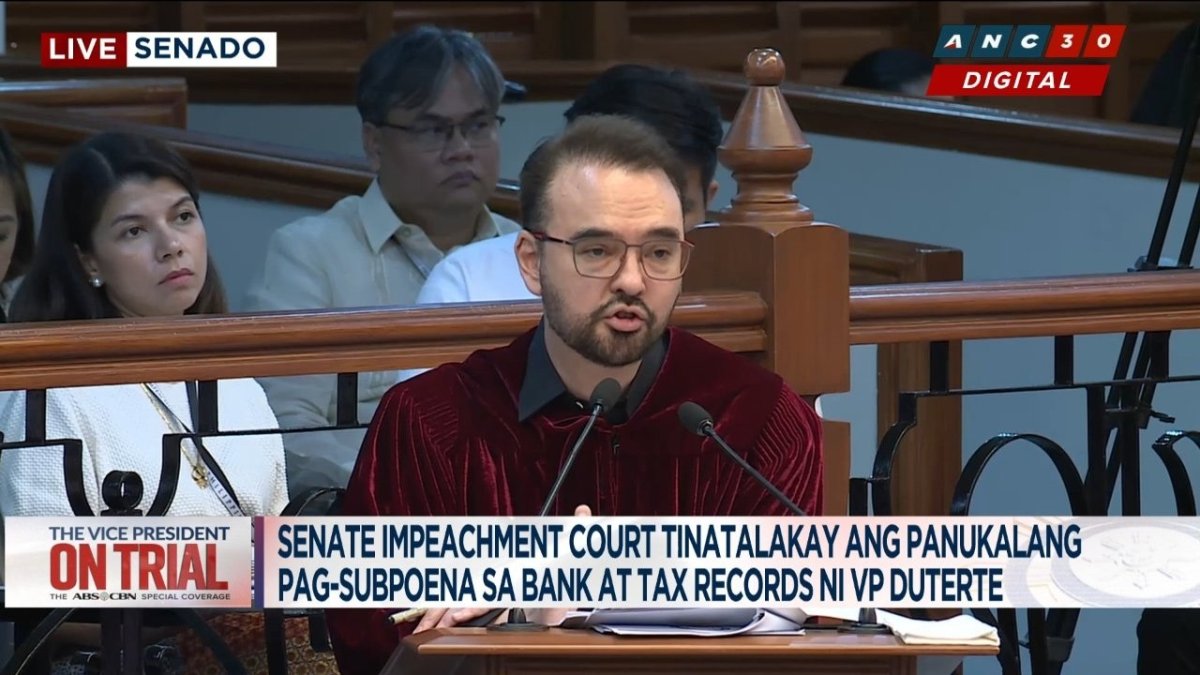
Cayetano: Mukhang Maraming Congressman Makakasuhan
Senator Cayetano's remark that "mukhang maraming congressman makakasuhan" underscored how the timing debate could boomerang on the very House members who filed the complaints against Vice President Duterte. She pointed out that many signatories to the impeachment articles held local posts before 2022, meaning their own earlier acts could face similar scrutiny if the standard is applied broadly. The comment drew chuckles in the gallery but highlighted real political risks for lawmakers eyeing higher office.
The statement shifts attention back to the House's role in initiating the case, reminding observers that impeachment complaints often carry partisan motives. Political analysts in Manila suggest the line may cool enthusiasm among some congressmen for pursuing additional articles, especially those from Mindanao districts aligned with the Duterte camp.
Padilla on ICC and Ombudsman
Senator Robin Padilla reminded the court that the International Criminal Court's earlier drug-war investigation already tested Philippine sovereignty, and he warned against letting foreign bodies influence domestic impeachment matters. He contrasted this with the Ombudsman's parallel probe into Vice President Duterte's confidential funds, arguing that local institutions should handle accountability without external pressure. Padilla's comments drew nods from colleagues wary of repeating past sovereignty disputes.
His intervention framed the trial within broader debates over national independence, noting that the Ombudsman's ongoing case could produce findings that either support or contradict the Senate's work. Communities in Mindanao view the distinction as important, preferring Philippine courts to settle questions about their leaders rather than international forums.
NBI Chief to Testify on Grave Threats Charge
NBI Director Melvin Matibag canceled his participation in a Thailand summit to appear before the impeachment court and testify on Article IV regarding the November 2024 grave threats allegations. Prosecutors expect him to detail intelligence reports linking the vice president's statements to potential security risks against the president. The testimony is seen as pivotal for establishing whether the threats meet the threshold for betrayal of public trust.
Matibag's appearance marks the first major law enforcement witness in the trial, shifting focus from legal arguments to factual evidence. Residents in Metro Manila and Davao alike are watching closely, aware that security-related charges can reshape public perceptions of leadership stability heading into the 2025 midterm season.
Senators Move to Tighten Trial Rules
Several senators, including Senate President Francis Escudero and Majority Leader Juan Miguel Zubiri, moved to limit repetitive arguments and impose time limits on both prosecution and defense presentations. The proposed rules aim to prevent the proceedings from dragging beyond the current session, with votes expected early next week. Tightening procedures reflects concern that prolonged debates could distract from legislative work on the 2025 national budget.
The move has been welcomed by observers who fear endless delays would exhaust public attention. By streamlining witness schedules and evidence presentation, the Senate hopes to deliver a clearer timeline while still addressing the constitutional questions raised on Day 7.
What to Watch For
The impeachment court faces a critical week ahead. The bank records subpoena decision will test whether the Senate can compel financial disclosure over statutory secrecy objections. NBI Director Matibag's testimony on Tuesday, July 21, will move the trial from legal arguments to evidentiary proceedings on the grave threats charge. And Cayetano's question about retroactive impeachment standards could shape the rules for every future impeachment in Philippine history.
Beyond the courtroom, this trial is reshaping the country's political landscape ahead of the 2025 midterm elections and the 2028 presidential race. For ordinary Filipinos from the barangays of Quezon City to the fishing villages of Cebu, the outcome will determine not just Vice President Duterte's political future, but the boundaries of accountability for every elected official in the country.
Whatever the Senate decides in the coming days, this much is certain: the first impeachment trial of a sitting Philippine vice president has already established that no elected official is beyond the reach of constitutional accountability. The only question now is how far that accountability extends.
By Bella Reyes, Staff Writer
This article was produced with AI-assisted research and editorial support. Reporting is based on sources cited in the article.
What's Your Reaction?
 Like
0
Like
0
 Dislike
0
Dislike
0
 Love
0
Love
0
 Funny
0
Funny
0
 Wow
0
Wow
0
 Sad
0
Sad
0
 Angry
0
Angry
0

Philippines/Southeast Asia Correspondent at Global1.News. Manila-based journalist covering Philippine politics, environment, maritime security, and social issues. Passionate about marine conservation and the communities protecting the Philippines' natural heritage.














Comments (0)