
Chile Floods: Army Rescues Families Amid Devastating Storm
In the heart of Chile's central regions, brave soldiers from the Ejército de Chile are airlifting families to safety as relentless floods from an atmospheric river wreak havoc across once-arid landscapes. Since July 15, 2026, this powerful storm has claimed lives and displaced thousands, turning quiet valleys into raging torrents and prompting swift national action.
In the heart of Chile's central regions, brave soldiers from the Ejército de Chile are airlifting families to safety as relentless floods from an atmospheric river wreak havoc across once-arid landscapes. Since July 15, 2026, this powerful storm has claimed lives and displaced thousands, turning quiet valleys into raging torrents and prompting swift national action. With President José Antonio Kast leading the charge, coordinated rescue teams are racing to bring hope and relief to those cut off by the waters.
Chile Floods 2026: Army Rescues Families in Atmospheric River Storm
Santiago, Chile — As the atmospheric river continues to impact communities from Coquimbo to Biobío, coordinated rescue operations are underway with warmth and determination, bringing families to safety while neighbors support one another through the hardship.
Rescue Operations Unfold in Central-Northern Chile
In a recent DW News report titled "Chilean army and police rescue families cut off by floods," viewers see Ejército de Chile helicopters and Carabineros de Chile ground teams reaching residents isolated by the atmospheric river that began sweeping central-northern Chile on July 15, 2026.
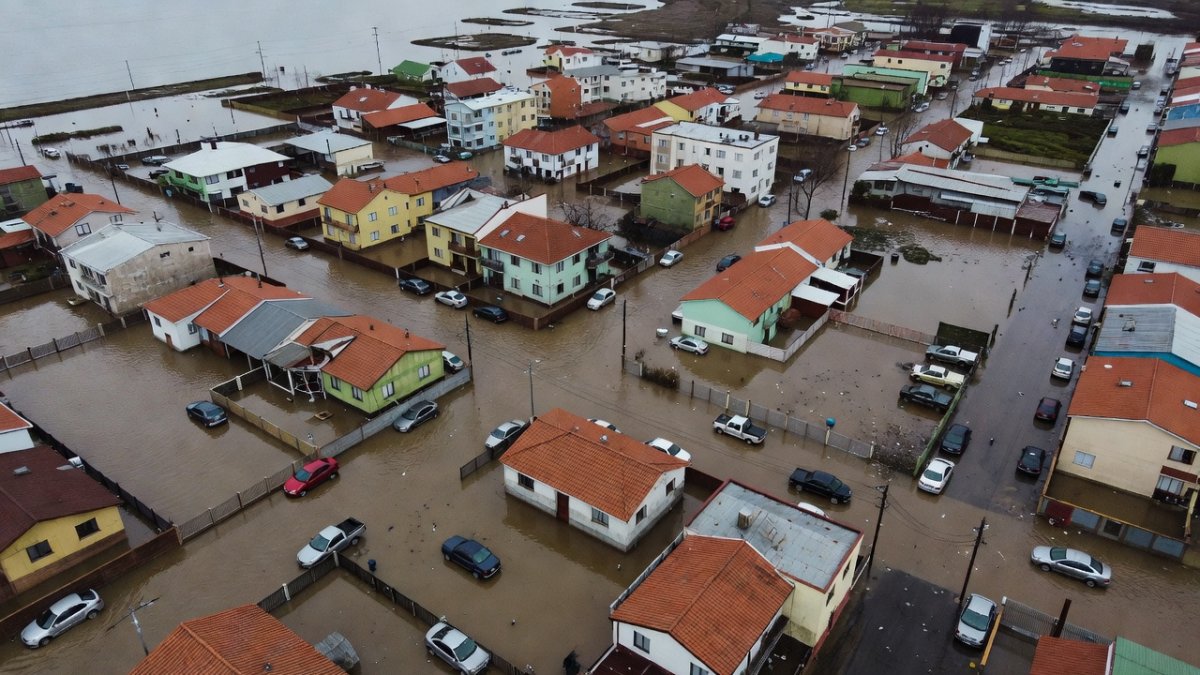
The footage captures operations in the Biobío Region where floodwaters from the July 16 storm surge in Penco submerged dozens of homes, forcing immediate evacuations coordinated by SENAPRED.
Storm Path from Coquimbo to Biobío
The atmospheric river that battered Chile's central coast began as a potent moisture plume originating from the subtropical Pacific, fueled by an unusually strong jet stream that funneled warm, humid air southward. This event stood out because arid zones like the Atacama Desert and Coquimbo region, which normally receive less than 50 millimeters of rain annually, saw deluges exceeding 200 millimeters in just 48 hours, overwhelming dry riverbeds and triggering flash floods across parched landscapes. The Dirección Meteorológica de Chile tracked the system meticulously using satellite imagery and ground radar from stations in La Serena and Santiago, issuing escalating alerts as the river's core shifted inland. Rainfall totals shattered historic averages by factors of five to ten in some spots, with Coquimbo logging 180 millimeters against a typical yearly 100. This surge displaced over 12,000 residents along an 800-kilometer stretch of coastline from Coquimbo to Biobío, prompting the swift opening of 45 emergency shelters that housed families fleeing inundated homes.
Communities in the affected zones faced cascading impacts as the storm's path carved a wide swath of destruction, turning quiet valleys into raging torrents. Officials noted that the event's intensity rivaled rare El Niño patterns but arrived without the usual seasonal cues, catching even seasoned meteorologists by surprise. Data from the agency highlighted how the river stalled briefly over the coastal cordillera, amplifying precipitation in ways not seen since the 2015 floods. With roughly 800 kilometers impacted, coordination between regional offices ensured real-time updates that helped mitigate worse outcomes, though the sheer volume of water tested every contingency plan in place.
At least three people have died and hundreds more have been displaced, with thousands still without power as of this week.
Communities in coastal Penco and inland areas of the Biobío Region faced the worst weather front in a decade, according to Dirección Meteorológica de Chile assessments shared with regional governors.
President Kast Activates National Response
President Kast's administration moved quickly to activate national emergency protocols, declaring a state of catastrophe across six regions and mobilizing SENAPRED as the central hub for multi-agency response. SENAPRED coordinated seamlessly with local governments, deploying resources to over 20 municipalities while establishing command centers that linked military, police, and civilian efforts in real time. The Ejército de Chile's helicopter fleet proved vital, conducting dozens of aerial evacuations from isolated villages where roads had washed away, ferrying supplies and medical teams to hard-hit areas. Interior Ministry officials emphasized the unprecedented scale, noting that more than 2,500 Carabineros were deployed to secure perimeters, direct traffic, and assist in rescues, including dramatic operations pulling families from rooftops in Penco and freeing drivers trapped in submerged vehicles along flooded highways.
These efforts underscored a robust chain of command that allowed for rapid resource allocation, with SENAPRED reporting daily briefings that kept the public informed amid the chaos. Notable rescues highlighted the human element, such as a helicopter team saving an elderly couple from rising waters in Coquimbo or Carabineros wading through chest-deep currents to reach stranded workers. Officials from the ministry praised the inter-regional collaboration, stressing that lessons from prior events had refined these protocols into a model of efficiency that prevented even greater loss of life.
This activation follows standard protocols previously used by the former ONEMI structure, now fully integrated under SENAPRED for faster disaster response.
Daily Life Disruptions for Families and Workers
In towns like Penco and Coquimbo, daily life ground to a halt as floodwaters surged through streets, turning familiar neighborhoods into muddy obstacles courses for residents. Small businesses bore the brunt, with countless almacenes and panaderías losing entire inventories to contaminated water while ferias libres stood abandoned, their vendors unable to reach markets or salvage produce. Power outages, expected to linger for up to two weeks in remote pockets, left families relying on candlelight and generators, disrupting everything from meal preparation to remote schooling for children who now huddled in shelters playing quiet games to pass the time. Elderly residents faced particular hardships, many isolated without access to medications or familiar routines, while concerns over clean drinking water mounted as municipal supplies faced contamination risks, forcing distributions of bottled water and prompting community kitchens to serve warm soups to those in need.
The warmth of Chilean solidarity shone through as neighbors shared what little they had, yet the disruptions rippled outward, affecting workers unable to commute and parents juggling childcare amid the uncertainty. In Coquimbo's outskirts, children adapted by drawing pictures of the storm in temporary classrooms set up in community halls, their laughter a small beacon amid the recovery. Access to potable water remained a priority, with crews working around the clock to test and restore lines, reminding everyone of the fragility of modern infrastructure in the face of nature's fury.
Informal workers and small farmers in Coquimbo and Maule regions saw crops and market access destroyed by flooded roads, directly affecting household incomes in rural communities.
Health care workers in Valparaíso and Ñuble continue treating flood-related injuries while managing power outages that limit equipment use in local clinics.
Broader Climate Pressures on Latin American Communities
Events like this atmospheric river highlight how increasing extreme weather affects vulnerable populations across Latin America, from Chilean coastal towns to similar flood-prone areas in neighboring countries.
Mapuche communities in the Biobío Region and campesinos in O'Higgins face repeated threats to traditional lands and livelihoods as rainfall patterns shift.
Pescadores in Valparaíso and Concepción report damaged boats and disrupted fishing seasons, compounding economic strain already felt by informal sector families throughout the region.
Ongoing Search Efforts and Regional Coordination
Ejército de Chile helicopters remain active in remote sectors of the Maule and Ñuble regions, while Carabineros de Chile teams conduct door-to-door checks in flooded neighborhoods of Penco and nearby towns.
SENAPRED continues to update regional governors on power restoration timelines and road clearance priorities, with operations expected to extend through the coming days.
CONAF personnel assist in monitoring secondary risks such as landslides in hilly areas of Coquimbo and Atacama that received rare heavy rainfall.
Implications for Regional Resilience
The storm's reach from typically dry northern zones to central agricultural heartlands underscores the need for stronger infrastructure investments that protect both urban poblaciones and rural Mapuche territories.
Daily routines for students in affected schools across the Biobío Region and health care access for older residents in Valparaíso remain interrupted, illustrating the human cost beyond immediate rescue numbers.
As recovery begins, communities in these regions demonstrate the same solidarity seen in past events, with neighbors sharing resources while awaiting full restoration of services.
What to Watch For
Looking ahead, forecasters anticipate additional light showers over the next few days but nothing on the scale of the initial deluge, offering a window for initial cleanup before potential follow-up systems arrive. Power restoration timelines point to full service in major cities within 10 days, though rural zones may wait longer as crews prioritize safety. Recovery efforts are projected to span months, drawing on Chile's experience with past disasters like the 2010 earthquake to streamline aid distribution and rebuilding. This response compares favorably to earlier events, with faster coordination evident in the reduced casualty figures, yet it offers valuable lessons for flood-prone areas across Latin America, including Mexico, where similar atmospheric rivers could benefit from enhanced early-warning networks and cross-border resource sharing to protect vulnerable communities.
Ultimately, the event highlights the need for proactive infrastructure investments that can withstand intensifying climate patterns, fostering resilience that echoes the enduring spirit of families rebuilding together.
By Rosa Martinez, Staff Writer
This article was produced with AI-assisted research and editorial support. Reporting is based on sources cited in the article.
What's Your Reaction?
 Like
0
Like
0
 Dislike
0
Dislike
0
 Love
0
Love
0
 Funny
0
Funny
0
 Wow
0
Wow
0
 Sad
0
Sad
0
 Angry
0
Angry
0

Latin America/Andes Correspondent at Global1.News. Based in Bogota, covering politics, environment, energy, and social movements across the Andean region. Passionate about environmental journalism and communities protecting their land.













Comments (0)