
Inside the Mossad Pager Operation: How Israel Infiltrated Hezbollah's Communications
In a recent i24NEWS English report titled "An inside look how the Mossad pager operation against Hezbollah was planned," details emerged about the coordinated explosions that struck Hezbollah communication devices across Lebanon on September 17, 2024. The operation involved thousands of pagers detonating simultaneously in locations including Beirut, southern Lebanon, and the Be
In a recent i24NEWS English report titled "An inside look how the Mossad pager operation against Hezbollah was planned," details emerged about the coordinated explosions that struck Hezbollah communication devices across Lebanon on September 17, 2024. The operation involved thousands of pagers detonating simultaneously in locations including Beirut, southern Lebanon, and the Bekaa Valley, followed by walkie-talkie blasts on September 18. Israeli security sources confirmed the devices had been modified during manufacturing to include small amounts of explosives, resulting in at least 37 deaths, including two children, and between 3,000 and 4,000 injuries treated at hospitals in Beirut and Tyre.
Inside the Mossad Pager Operation: How Israel Infiltrated Hezbollah's Communications
Jerusalem, Israel -- June 2026 -- The September 2024 pager operation against Hezbollah marked one of the most sophisticated intelligence operations in modern history, demonstrating Mossad's ability to penetrate the inner circles of Israel's most formidable adversary. The operation, which saw thousands of communication devices explode across Lebanon over two days, reshaped the security landscape along Israel's northern border and sent shockwaves through the region.
Operation Details
The September 17 pager detonations occurred at 3:30 p.m. local time, hitting Hezbollah members in markets, hospitals, and residential buildings in southern Lebanon and Beirut suburbs. The IDF monitored the blasts through signals intelligence units based in northern Israel, noting immediate secondary explosions from stored ammunition in some Hezbollah facilities near the Litani River. On September 18, additional walkie-talkie devices exploded in similar patterns, targeting mid-level commanders in the Hezbollah Radwan Force.
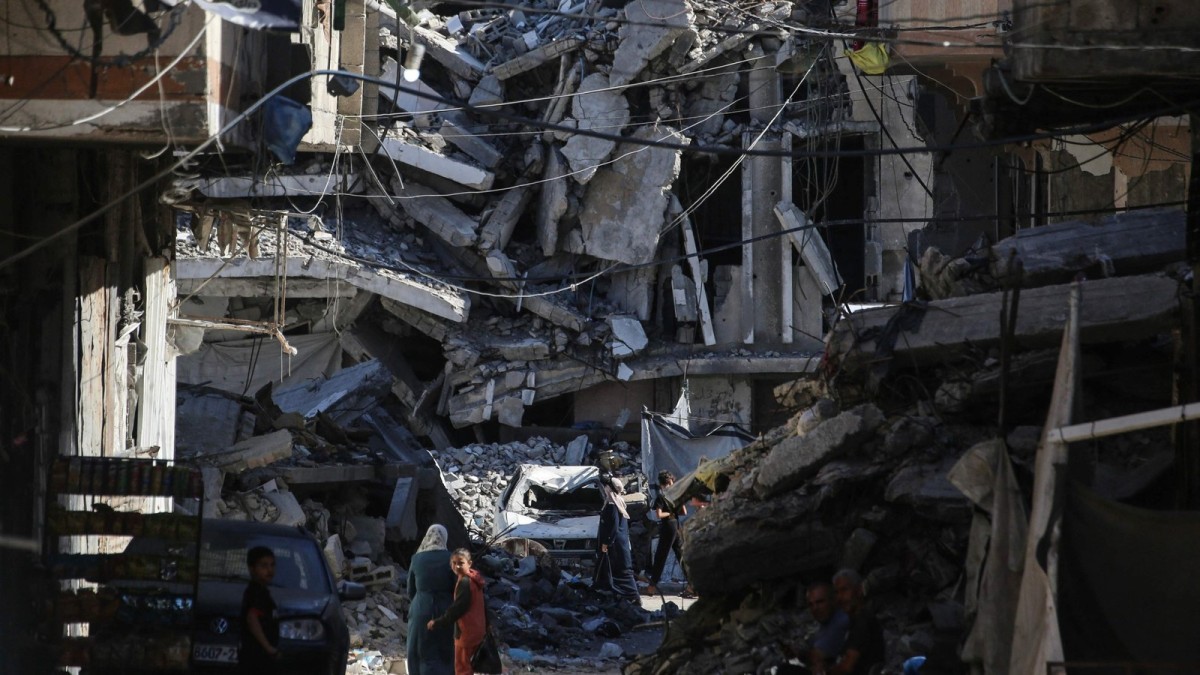
Civilian casualties mounted in facilities such as the American University of Beirut Medical Center and clinics in Nabatieh, where medical staff reported treating burns and shrapnel wounds from the devices. The operation preceded a series of Israeli airstrikes on Hezbollah rocket launchers in the Tyre district and command centers near the Syrian border, conducted by the Israeli Air Force on September 20.
How Hezbollah Used Pagers
Hezbollah leadership directed operatives to switch from mobile phones to pagers in 2023 after Shin Bet intercepts revealed Israeli tracking of cellular networks in southern Lebanon. The group purchased thousands of AR-924 model pagers through a Lebanese import company with ties to Iran-backed suppliers, distributing them to fighters in the 1st and 2nd Brigades operating along the Blue Line.
These devices allowed Hezbollah to coordinate movements between positions in villages such as Khiam and Marjayoun without triggering Israeli SIGINT collection. The pagers operated on a closed network managed from a facility in Beirut's southern suburbs, which Israeli intelligence identified as a key node in Hezbollah's internal communications structure.
The Mossad Planning Process
Mossad operatives infiltrated the supply chain of the pager manufacturer over a period of 18 months, inserting explosive components into devices destined for Hezbollah orders. The agency coordinated with defense industry partners in Israel to ensure the modifications remained undetected during quality checks in Europe and Asia before shipment to Lebanon.
Planning involved multiple divisions within the Prime Minister's Office, including coordination with the IDF's Military Intelligence Directorate to map Hezbollah distribution networks. The operation was approved at the highest levels in Jerusalem after assessments showed Hezbollah's pager adoption had created a single point of failure in their command structure.
Regional Fallout and Implications
The explosions triggered immediate Hezbollah rocket fire from southern Lebanon toward Israeli communities in the Galilee, including Kiryat Shmona and Metula, prompting the IDF to activate additional Iron Dome batteries and deploy ground forces along the border. Hezbollah Secretary General Hassan Nasrallah addressed supporters from an undisclosed location in Beirut, vowing retaliation against Israeli targets.
In the days after September 18, Israeli strikes expanded to include Hezbollah weapons depots in the Bekaa Valley and training camps near Baalbek. The operation shifted the balance in the ongoing conflict that had displaced over 60,000 Israelis from northern communities since October 2023, forcing Hezbollah to reassess its low-tech communication protocols.
Diplomatic Reactions
The United Nations Security Council convened an emergency session on September 19, with representatives from the United States and European Union expressing concern over civilian casualties in Lebanese hospitals and markets. The Lebanese government in Beirut filed complaints through diplomatic channels, while the Palestinian Authority in Ramallah issued statements linking the events to broader regional tensions.
Foreign Ministry spokespeople in Jerusalem maintained Israel's right to target Hezbollah infrastructure without confirming operational details. International organizations documented the use of modified commercial devices, raising questions about supply chain security for groups operating in Lebanon and Gaza.
Analysis of Israel's Security Doctrine
The pager operation reinforced Israel's emphasis on long-term intelligence penetration over immediate kinetic responses, demonstrating Mossad's ability to exploit Hezbollah's procurement channels linked to Iranian suppliers. This approach aligns with prior operations targeting Iranian nuclear facilities and aligns with directives from the Prime Minister's Office to prioritize disruption of enemy command systems.
For Israeli security planners in Tel Aviv, the success highlighted the value of supply chain operations in countering groups like Hezbollah and Hamas that adapt to electronic surveillance. The events also underscored risks to civilian populations in mixed areas of southern Lebanon, influencing future targeting protocols by the IDF's Northern Command. The operation's scale has prompted Hezbollah to revert to even more rudimentary methods, potentially increasing its exposure to further Israeli intelligence collection.
By Hannah Berg, Staff WriterThis article was produced with AI-assisted research and editorial support. Reporting is based on sources cited in the article.
What's Your Reaction?
 Like
0
Like
0
 Dislike
0
Dislike
0
 Love
0
Love
0
 Funny
0
Funny
0
 Wow
0
Wow
0
 Sad
0
Sad
0
 Angry
0
Angry
0

Israel Correspondent at Global1.News. Based in Tel Aviv, covering Israeli politics, security, technology, and society. Provides balanced, deeply-sourced reporting on one of the most closely-watched regions in the world.












Comments (0)