
Yemen Displaced Women Face Harassment in Rural Camps
Displacement and Dignity: How War Robs Yemeni Women of Freedom and Safety TAIZ — When Afnan al-Soroori, 22, fled her home in Taiz as Houthi rebels advanced, she left behind more than her family's furniture and appliances. She left behind the freedom to move through her own city without fear, the ability to study at university, and the simple dignity of deciding when to step out
Displacement and Dignity: How War Robs Yemeni Women of Freedom and Safety
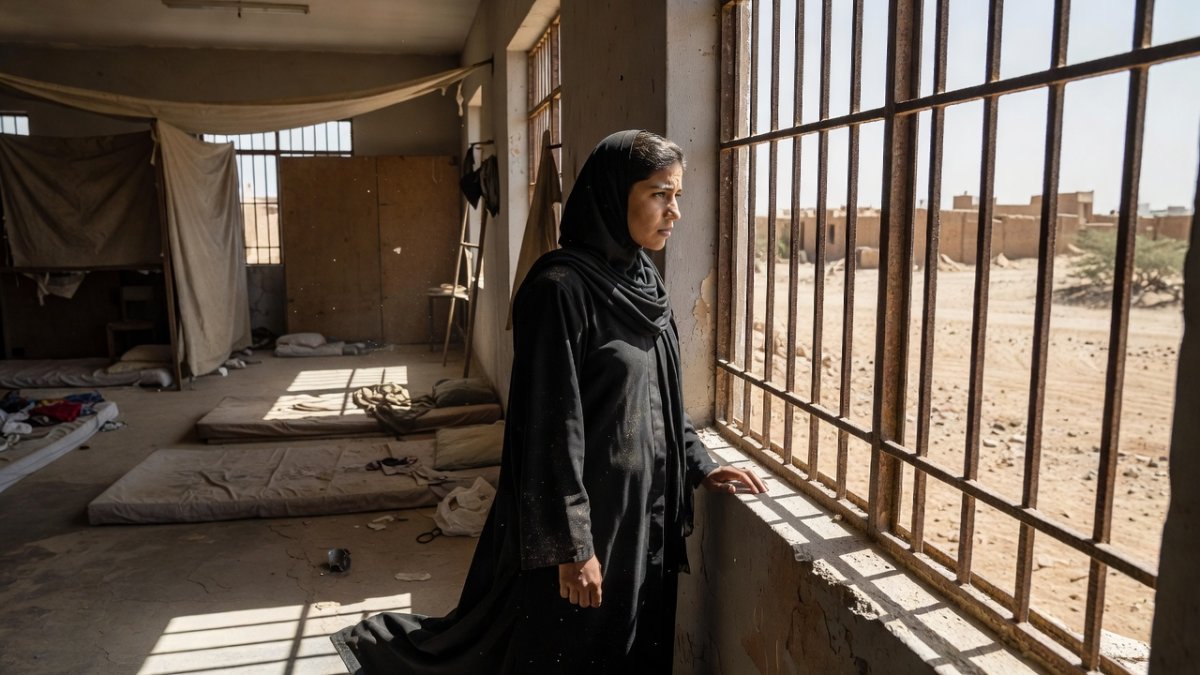
TAIZ — When Afnan al-Soroori, 22, fled her home in Taiz as Houthi rebels advanced, she left behind more than her family's furniture and appliances. She left behind the freedom to move through her own city without fear, the ability to study at university, and the simple dignity of deciding when to step outside her door. A year later, confined to a makeshift camp in a school building 65 kilometres from home, Soroori describes her life as one defined by restriction — not just by displacement, but by the harassment that awaits her every time she tries to leave.
Soroori's story is not unique. Across Yemen, women displaced by the country's decade-long war face a double burden: the loss of home and livelihood, compounded by the loss of safety and autonomy in the communities where they seek shelter. For women who once moved freely through Yemen's cities, the transition to conservative rural areas has meant trading one form of insecurity for another.
The Life Left Behind in Taiz
Afnan al-Soroori, 22, from Taiz, Yemen's third-largest city, once lived as part of a middle-class family. As the eldest of five siblings, she wore fashionable abayas and studied at Taiz University. Her days involved the routines of urban life where women could move with relative freedom in their attire and activities. The arrival of conflict changed everything when Houthi rebels approached her home one year ago.
The decision to flee came suddenly as the family sought safety away from advancing forces. They left all possessions behind, carrying only what they could manage in haste. This abrupt departure severed ties to education, social circles, and the comforts of their previous existence. Soroori's family had no choice but to seek shelter far from the city they knew.
For a young woman accustomed to university studies and fashionable clothing, the shift represented a profound loss of identity. The middle-class background that allowed access to education and modern living stood in stark contrast to the conditions that followed. This background shaped expectations that could no longer be met in the new reality of displacement.
The Flight and Arrival in al-Safia
After leaving Taiz, the family took shelter in a makeshift camp inside a school in the al-Safia area, 65 km from their home. The location placed them among rural communities with different customs and expectations. Soroori's father could not find work, and the family had no remaining resources from their previous life. The camp became their only option for survival amid ongoing conflict.
The distance from Taiz meant complete separation from familiar support networks. Without possessions or income, daily survival depended on basic provisions in the school building. The family joined other displaced people in this temporary arrangement that offered little privacy or stability. This new setting introduced immediate challenges beyond the loss of home.
Women in the camp faced restrictions that extended beyond physical displacement. The move to al-Safia exposed them to social pressures absent in their urban environment. Soroori and her family quickly learned that their presence required adjustments they had not anticipated. The camp represented both refuge and confinement from the start.
Daily Realities of Camp Life
Soroori cooks on a makeshift oven built from two stones and firewood. She washes clothes by hand in the courtyard, tasks that have made her hands grow hard from the work. These activities replaced her previous studies and urban routines. The absence of electric appliances added physical strain to every household chore.
The father remains unable to work, leaving the family dependent on limited aid in the camp. All possessions left behind in Taiz meant starting from nothing in terms of household items. This situation forced every family member into manual labor patterns unfamiliar to their middle-class origins. The school building offered basic shelter but little else.
Life in the camp required constant adaptation to scarcity. Soroori noted the difficulty of adjusting to domestic work without modern tools. The physical demands of cooking and cleaning by hand became a daily reminder of what had been lost. These routines consumed time that once went toward education and social activities.
Harassment That Prevents Leaving the Camp
Soroori cannot leave the camp without facing harassment from local youths. She stated, "I'm finding it hard to adapt to domestic work without electric appliances, but the worst thing is that I cannot leave the camp." The threat of verbal abuse and gestures keeps her inside the school grounds at all times. This restriction compounds the isolation already created by displacement.
She explained further, "If you leave the camp, especially in the afternoon, you will hear bad words and see obscene gestures. Once this happens, it forces you to stay in the camp and not leave again." The pattern of harassment occurs regularly enough to dictate movement. Women learn quickly that venturing out carries predictable risks.
The inability to enjoy the surrounding green land adds to the sense of loss. Soroori observed, "I know there is a beautiful bit of green land outside, but I cannot go out to enjoy it." Harassment transforms the area around the camp into forbidden territory. This confinement affects mental well-being as much as physical safety.
Appeals to Local Authorities and Rejection
Soroori's father appealed to tribal elders and went to mosques seeking protection for the women. All rejected his pleas. The father reported, "We went to the mosques in the village and told the religious people about this problem, but all of them were against the women and criticised their fashionable clothes and loud voices." No assistance came from community leaders.
The rejections left the family with no external support against the harassment. The father instructed his wife and three daughters to remain inside the camp until they could return to Taiz. This directive reflected the complete lack of options available after the appeals failed. The family accepted confinement as the only immediate protection.
Without allies in the village, the displaced women had nowhere to turn for intervention. The father's efforts highlighted the gap between the needs of newcomers and the responses of established local structures. The outcome reinforced the isolation already imposed by the camp setting and the surrounding attitudes.
Clothing Differences and Cultural Expectations
City women like Soroori wore abayas that left the face exposed, often in colours and designs. Rural women in al-Safia cover the entire face. This visible difference marked the displaced women as outsiders from the moment of arrival. The contrast in dress became a point of tension with local residents.
Soroori accepted that her family had no choice but to follow the cultural norms of the rural area. She stated, "This is not our area, so we have no choice but to be confined by the cultural norms of the rural areas. No one can help us here, so I have decided to stay in the camp at all times." The decision to remain inside stemmed directly from this recognition of powerlessness.
The clothing distinction contributed to the targeting of displaced women. Local youths used these differences to identify and approach the newcomers. The resulting harassment made any attempt to blend in ineffective. Women remained visible as outsiders regardless of efforts to adapt.
Mariam Abdul-Qader's Attempts at Adaptation
Mariam Abdul-Qader, 23, lives in the same camp and tried to change her dress to match rural women. Despite this effort, she remained targeted. She said, "I tried to wear the same dress as the women in the al-Safia area, but the awful young men seem to recognise us just from the way we walk and even from the sandals we wear." Recognition persisted through other markers.
Even going out in large groups failed to stop the harassment. The pattern affected all displaced women regardless of precautions taken. Abdul-Qader expressed deep frustration with the situation created by the war. She stated, "I hate this atrocious war that drove us away from our houses and forced us to accept life among these savage people who don't appreciate our suffering."
The shared experience between Soroori and Abdul-Qader shows the consistent nature of the problem across individuals. Attempts to conform through clothing changes proved insufficient against the hostility. The women found themselves defined by their displacement status rather than personal choices.
Local Perspectives on the Harassment
Sheikh Mohammed Gobah stated that sexual harassment became a problem only after the displaced arrived. He blamed the women's "immodesty" for the issue. Gobah claimed, "I had never heard of sexual harassment in this area and it was not a problem before the displaced people arrived." This view placed responsibility on the newcomers rather than local behaviour.
The sheikh's position reflected broader community attitudes encountered by the displaced families. Earlier appeals to religious figures had produced similar criticism of the women's clothing and voices. The narrative that the problem originated with the arrival of displaced people ignored the experiences reported by the women themselves.
Such perspectives left no room for protection or dialogue. The women received messages that their presence and appearance provoked the harassment. This framing reinforced the decision to stay confined within the camp boundaries. The local response offered no path toward safer movement or acceptance.
The Lasting Confinement and Its Human Cost
The combination of displacement, failed appeals, and ongoing harassment has created permanent restrictions for the women in the camp. Soroori and Abdul-Qader both describe lives limited to the school grounds. The inability to leave without facing abuse removes basic freedoms that existed before the war.
Fathers and families have accepted this confinement as the only available protection. The rejection from elders and mosques closed external avenues for change. Women must navigate daily survival while carrying the additional weight of isolation from the world outside the camp.
The situation documents how conflict extends its damage beyond physical destruction. The loss of home leads to new forms of control over women's movement and expression. For those in al-Safia, the camp represents both safety from fighting and a barrier to any normal activity beyond its walls.
By Fatima Al-Rashid, Staff WriterThis article was produced with AI-assisted research and editorial support. Reporting is based on sources cited in the article.
What's Your Reaction?
 Like
0
Like
0
 Dislike
0
Dislike
0
 Love
0
Love
0
 Funny
0
Funny
0
 Wow
0
Wow
0
 Sad
0
Sad
0
 Angry
0
Angry
0

Gulf/MENA Correspondent at Global1.News. Based in Doha, covering Gulf politics, energy markets, diplomacy, and development across the Middle East and North Africa. Tracks the economic transformation of the Gulf states.












Comments (0)