
ICC Seeking Tagalog and Cebuano Translators for Duterte Case
The ICC Calls for Filipino Language Experts The International Criminal Court has opened opportunities for Tagalog and Cebuano translators as preparations continue for the upcoming proceedings involving former president Rodrigo Duterte. This development highlights how language can bridge distances between The Hague and communities across the Philippines. Many families in Manila,
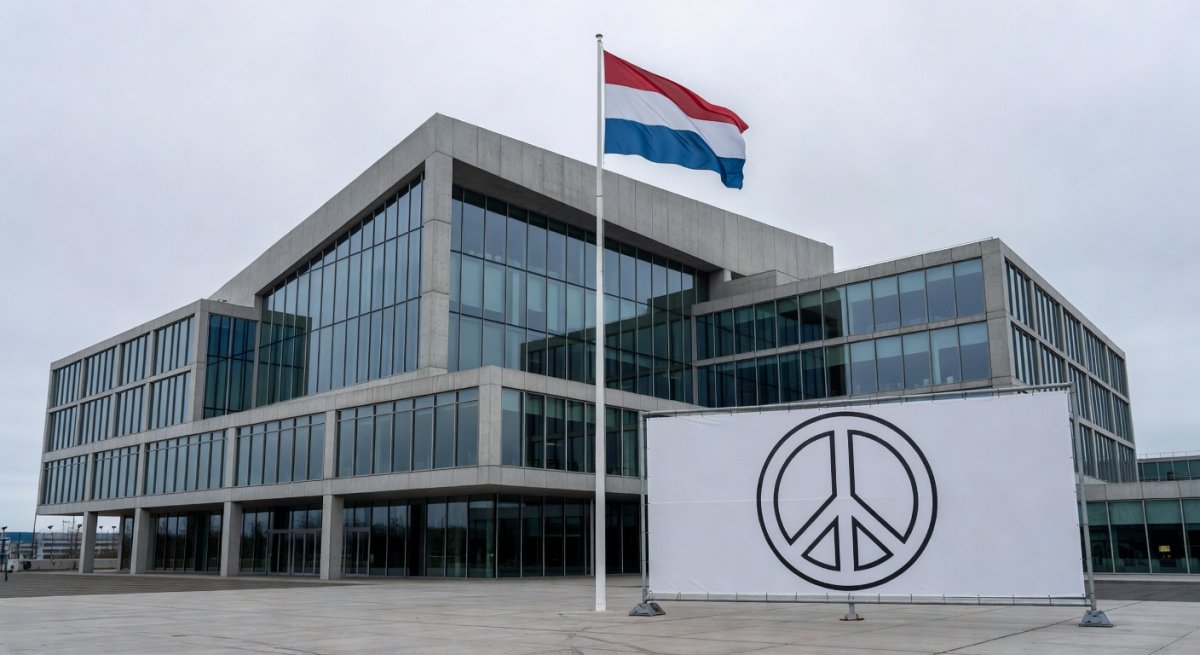
The ICC Calls for Filipino Language Experts
The International Criminal Court has opened opportunities for Tagalog and Cebuano translators as preparations continue for the upcoming proceedings involving former president Rodrigo Duterte. This development highlights how language can bridge distances between The Hague and communities across the Philippines. Many families in Manila, Cebu, and even far-flung provinces follow news of the case closely, wondering how their voices might be heard in such an important setting.
Ordinary Filipinos, from jeepney drivers navigating busy streets to sari-sari store owners chatting with neighbors, often discuss these matters during quiet evenings. The need for interpreters who truly understand our languages shows respect for the way we express ourselves in daily life and in moments of national importance.
Details on the Interpreter Positions
Two separate job postings have been released for paraprofessional interpreters and associate court interpreters. Both roles come with contracts that extend until the end of the year. These positions focus on interpreting witness testimonies, offering consecutive interpretation during hearings, correcting transcripts, and helping build terminology databases for the ICC's Language Services Section.
Applicants need mother-tongue proficiency in Filipino or Cebuano along with strong English skills. An advanced university degree is preferred, though candidates with a first-level degree may qualify with extra years of experience. Prior work in interpretation gives an advantage, especially for the associate role. Shortlisted individuals will undergo aptitude tests, interviews, and intensive training before any courtroom accreditation.
Compensation and What It Means for Filipino Families
Paraprofessional interpreters start at a minimum net annual salary of 55,665 euros, while associate court interpreters begin at 71,173 euros. At current exchange rates, these figures represent meaningful earnings that could support households back home. For many overseas Filipino workers and their relatives, such opportunities remind us of the value placed on our linguistic heritage.
Think of a young graduate from a provincial university or a seasoned translator who has helped in local courts. This kind of work could ease financial pressures on families, allowing them to invest in education or small businesses that strengthen barangay economies. The recruitment process remains open until July 4, giving interested individuals time to prepare their applications thoughtfully.
Ensuring Proceedings Reach Everyday Filipinos
The ICC Trial Chamber II has directed the Registry to arrange interpretation services ahead of the trial scheduled to begin on November 30. During an earlier status conference, Presiding Judge Joanna Korner emphasized the value of making opening statements understandable to people in the Philippines. Court proceedings here often use English, which may help in identifying and training suitable interpreters.
This focus on accessibility matters deeply in a country where communities gather around radios or share updates through social media. Farmers in the provinces, students preparing for exams, and workers returning from abroad all deserve to follow developments without language barriers. It reflects a broader spirit of bayanihan, where collective understanding strengthens national participation.
Human Stories Behind the Language Needs
Consider how this affects real people in our neighborhoods. A mother in Cebu whose family has long spoken Bisaya might see her linguistic skills valued on an international stage. Or a teacher in Mindanao who has guided students through both English and local dialects could find new purpose contributing to accurate record-keeping.
These roles connect directly to Philippine realities, from the bustling terminals where tricycle drivers wait for passengers to the quiet discussions in local government units about justice and accountability. When interpreters help convey testimonies clearly, they honor the experiences of communities that have lived through complex times. The effort also ties into ongoing national conversations involving institutions like the Senate and the Supreme Court, reminding us that language serves as a tool for inclusion.
Looking Ahead with Community in Mind
As applications close in early July, many across the archipelago will weigh whether their background fits these specialized positions. The process includes training and testing, ensuring that those selected can handle the demands of courtroom work. This measured approach respects both the ICC's standards and the cultural nuances that make Tagalog and Cebuano rich and expressive.
In the end, the search for translators underscores how global institutions can engage with Philippine culture in practical ways. It offers a chance for skilled individuals to represent our languages while supporting proceedings that draw national attention. Families, workers, and students continue to watch these developments, hopeful that clear communication will keep everyone informed as events unfold toward the November timeline.
By Bella Reyes, Staff WriterThis article was produced with AI-assisted research and editorial support. Reporting is based on sources cited in the article.
What's Your Reaction?
 Like
0
Like
0
 Dislike
0
Dislike
0
 Love
0
Love
0
 Funny
0
Funny
0
 Wow
0
Wow
0
 Sad
0
Sad
0
 Angry
0
Angry
0

Philippines/Southeast Asia Correspondent at Global1.News. Manila-based journalist covering Philippine politics, environment, maritime security, and social issues. Passionate about marine conservation and the communities protecting the Philippines' natural heritage.













Comments (0)