
Gulf of Paria Widens as Venezuela Demands Compensation from Trinidad Over Oil Spill
Gulf of Paria Widens as Venezuela Demands Compensation from Trinidad Over Oil Spill The Spill That Strained a Shared Gulf The Gulf of Paria has long served as a vital lifeline for fishing communities along the southern coast of Trinidad and the western shores of Venezuela. Families in both nations have depended on its waters for generations, harvesting fish and shellfish that s
The Spill That Strained a Shared Gulf
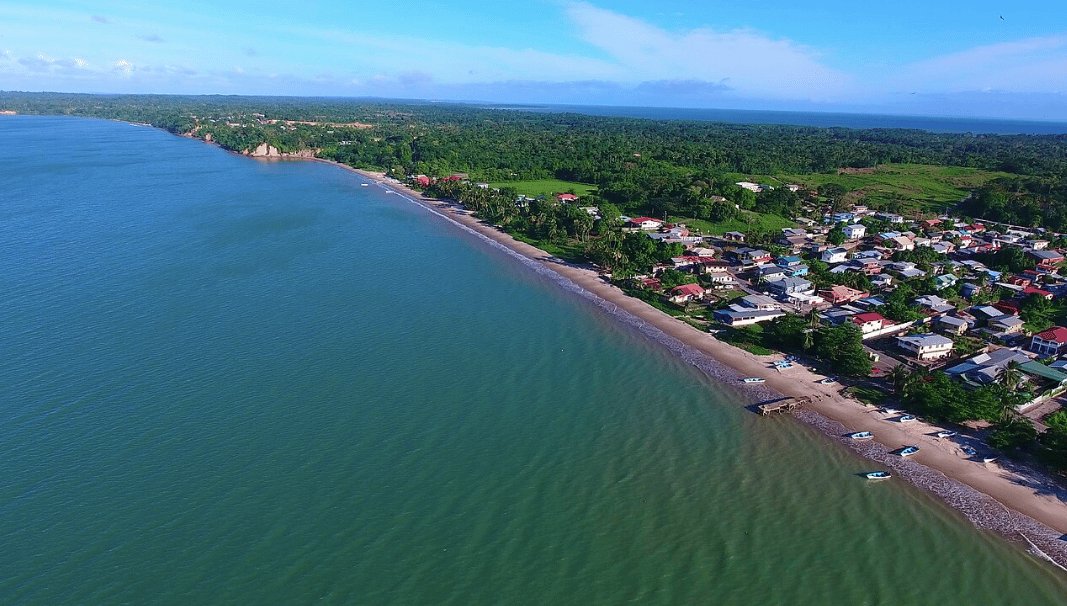
The Gulf of Paria has long served as a vital lifeline for fishing communities along the southern coast of Trinidad and the western shores of Venezuela. Families in both nations have depended on its waters for generations, harvesting fish and shellfish that support local markets and household incomes amid rising cost of living pressures. The recent oil spill, reported around 1 May 2026, has now introduced fresh diplomatic friction between Trinidad and Tobago and Venezuela, testing the already delicate balance of shared maritime resources. Trinidad Energy Minister Dr Roodal Moonilal described the incident as minor, involving approximately ten barrels that were contained using dispersants, while trajectory modelling indicated potential cross-border movement if left untreated. Venezuela, however, has taken a firmer stance through Foreign Minister Yvan Gil, who cited serious environmental damage affecting at least two Venezuelan states and called for compensation.
This development carries wider implications for CARICOM relations and regional stability. Trinidad and Tobago, as a key energy player with operations tied to Atlantic LNG and the ongoing restructuring of Petrotrin, must navigate these claims carefully to maintain investor confidence. At the same time, small island developing states across the Caribbean face mounting climate change threats, including stronger storms and shifting marine ecosystems that already strain fishing livelihoods. The spill underscores how environmental incidents in shared waters can quickly escalate into bilateral disputes, particularly when historical maritime boundary questions remain unresolved. Communities on both sides of the Gulf now watch closely, concerned that any prolonged tension could disrupt cross-border cooperation on sustainable resource management and tourism initiatives that help diversify economies beyond oil and gas.
Regional observers note that such events highlight the need for stronger joint protocols, especially as hurricane season approaches and places additional stress on coastal defences. The diplomatic exchange also reflects broader CARICOM efforts to foster dialogue with Venezuela on energy and environmental matters, even as political dynamics in Caracas evolve. For Trinidadian households already coping with energy sector transitions, the incident serves as a reminder of how interconnected the Gulf remains, both ecologically and economically. Failure to address these concerns transparently risks undermining trust built through years of quiet diplomacy and could affect future collaboration on climate resilience projects vital to the entire region.
What Happened in the Gulf of Paria
Reports indicate that on or about 1 May 2026 an oil spill occurred in the Gulf of Paria, prompting immediate response from Trinidadian authorities. Energy Minister Dr Roodal Moonilal stated that the release was limited to roughly ten barrels and was addressed promptly with dispersants to prevent wider spread. Trajectory modelling conducted at the time suggested that untreated oil could potentially drift across the maritime boundary into Venezuelan waters, raising the prospect of transboundary effects. Officials in Trinidad and Tobago emphasised that containment measures were effective and that no large-scale impact was detected on local shores in the initial assessment.
Fishing communities in southern Trinidad expressed concern despite the official characterisation of the spill as minor. Fisherfolk who rely on the Gulf for daily catches noted changes in water appearance and reduced activity in certain areas, prompting questions about long-term effects on marine life. These worries align with ongoing challenges in the energy sector, where Petrotrin restructuring has already altered employment patterns and Atlantic LNG operations continue to shape the national economy. Any perception of inadequate oversight could further erode public confidence in regulatory frameworks that are meant to protect both livelihoods and the environment.
The incident also occurs against a backdrop of heightened awareness about pollution risks in the Gulf. Past experiences with energy infrastructure have taught communities that even small releases can accumulate over time, affecting biodiversity that supports both commercial and subsistence fishing. Trinidadian authorities have reiterated their commitment to monitoring, yet residents continue to call for greater transparency and independent verification of clean-up results. As the country balances its role within CARICOM and its energy partnerships, the handling of this event will likely influence future discussions on environmental safeguards and regional cooperation in shared marine spaces.
Venezuela Demands Answers — and Compensation
Venezuelan Foreign Minister Yvan Gil held a press conference in which he demanded compensation from Trinidad and Tobago, citing serious environmental damage to at least two Venezuelan states following the Gulf of Paria spill. The statement highlighted concerns over potential harm to marine ecosystems and fishing grounds that support communities on the Venezuelan side of the border. A subsequent report from UPI on 12 June referenced the interim government’s position, which decried what it described as a new spill allegedly originating from Trinidadian waters.
Venezuelan fishing communities have voiced similar anxieties to their Trinidadian counterparts, noting possible disruptions to catches that form the backbone of local food security and small-scale trade. These concerns are particularly acute given existing economic pressures and the shared nature of the Gulf’s resources. The diplomatic language used by Minister Gil signals a formal escalation, moving the matter beyond technical assessments into the realm of bilateral negotiations that could involve CARICOM facilitation.
The compensation demand introduces new complexity for Trinidad and Tobago’s foreign policy, especially as the country seeks to maintain stable energy sector relations and attract investment in Atlantic LNG and related projects. Venezuelan authorities have framed the issue as one of accountability for transboundary pollution, a principle that resonates with broader international discussions on environmental responsibility. For both nations, resolving the matter will require careful documentation of impacts and a willingness to engage in joint scientific reviews. Failure to do so could prolong uncertainty for coastal populations already navigating climate-related challenges and fluctuating energy markets across the Caribbean.
A History of Maritime Tension
The Gulf of Paria has been the site of longstanding maritime boundary discussions between Trinidad and Tobago and Venezuela, with negotiations over resource sharing dating back several decades. Past agreements have sought to clarify rights to fishing zones and potential hydrocarbon deposits, yet periodic incidents continue to test these arrangements. The current spill has revived attention to these historical questions, reminding both governments of the need for clear protocols when environmental events cross borders.
CARICOM has played a constructive role in encouraging dialogue on such matters, recognising that stable relations with Venezuela benefit regional energy security and trade. Trinidad and Tobago’s energy infrastructure, including links to Atlantic LNG and the restructuring efforts at Petrotrin, remains intertwined with developments in the wider Gulf area. Any perception of unresolved disputes can influence investor sentiment and complicate efforts to expand cooperation on climate adaptation measures that are essential for small island developing states.
Communities on both sides have adapted to these tensions over time, developing informal networks for sharing information about water conditions and fish stocks. However, formal mechanisms for joint monitoring remain limited, leaving room for misunderstandings when spills or other incidents occur. The present situation therefore offers an opportunity to strengthen existing frameworks, particularly as climate change intensifies pressures on marine environments and coastal economies throughout the Caribbean. Addressing these historical frictions through transparent, science-based approaches could help prevent future diplomatic strains while supporting sustainable development goals shared by both nations.
What This Means for Trinidad and Tobago
The Venezuelan compensation demand carries significant diplomatic and economic implications for Trinidad and Tobago. Energy sector stakeholders are monitoring how the situation might affect investor perceptions of regulatory stability, especially given ongoing work around Petrotrin and Atlantic LNG operations. Any prolonged dispute risks introducing uncertainty at a time when the country seeks to diversify its economy and strengthen tourism offerings that depend on clean coastal environments.
Within CARICOM, Trinidad and Tobago’s response will be watched closely as a test of regional solidarity and environmental leadership. Questions around oversight capacity have already surfaced among civil society groups, who argue that stronger preventive measures could reduce the likelihood of similar incidents. These discussions intersect with broader concerns about cost of living increases tied to energy prices and the need for resilient infrastructure in the face of climate threats to small island developing states.
Local communities in southern Trinidad continue to emphasise the importance of transparent communication from authorities. Fisherfolk and tourism operators alike recognise that reputational damage from unresolved cross-border claims could affect livelihoods beyond the immediate spill site. Moving forward, Trinidad and Tobago will need to balance national interests with regional expectations, ensuring that environmental protection remains central to energy policy and diplomatic engagement. This approach could ultimately reinforce the country’s position as a constructive partner in Caribbean affairs while safeguarding the shared Gulf resources that sustain so many families.
The Bottom Line
Looking ahead, the path forward will likely involve renewed calls for joint monitoring arrangements between Trinidad and Tobago and Venezuela, particularly as hurricane season approaches and brings additional risks to coastal infrastructure. Climate pressures on small island developing states make such cooperation increasingly urgent, since extreme weather can exacerbate the effects of any pollution event in the Gulf of Paria. Both nations share an interest in protecting fishing communities and maintaining the ecological health of these waters, which support food security and economic activity across borders.
CARICOM frameworks offer potential avenues for facilitating technical discussions and confidence-building measures that could prevent future escalations. Energy sector considerations, including the restructuring of Petrotrin and the operations of Atlantic LNG, further underscore the value of stable bilateral relations. By prioritising evidence-based assessments and transparent reporting, the two countries can address the compensation question while laying groundwork for stronger environmental safeguards.
Ultimately, the incident serves as a reminder that shared maritime spaces require sustained attention and mutual respect. For communities in Trinidad and Venezuela alike, the health of the Gulf of Paria remains central to daily life and long-term prosperity. Regional cooperation on these matters will be essential if Caribbean nations are to navigate energy transitions, climate challenges, and economic pressures together. Strengthened dialogue now could yield lasting benefits for environmental protection and neighbourly relations in the years ahead.
By Sharon Sahatoo, Staff WriterThis article was produced with AI-assisted research and editorial support. Reporting is based on sources cited in the article.
What's Your Reaction?
 Like
0
Like
0
 Dislike
0
Dislike
0
 Love
0
Love
0
 Funny
0
Funny
0
 Wow
0
Wow
0
 Sad
0
Sad
0
 Angry
0
Angry
0

Caribbean Correspondent at Global1.News. Based in Port of Spain, Trinidad, covering Caribbean politics, economy, energy, climate, and culture. Amplifying the voices and stories of the Caribbean region.












Comments (0)