
Gulf of Paria widens as Trinidad pours oil on troubled Venezuelan waters
Gulf of Paria widens as Trinidad pours oil on troubled Venezuelan waters The Incident Unfolds in Shared Waters The Gulf of Paria, that familiar stretch of sea between Trinidad and Tobago and Venezuela, has once again become the centre of attention following reports of an oil spill on May 1. According to sources from Caracas, the spill originated in Trinidadian waters and now th
The Incident Unfolds in Shared Waters
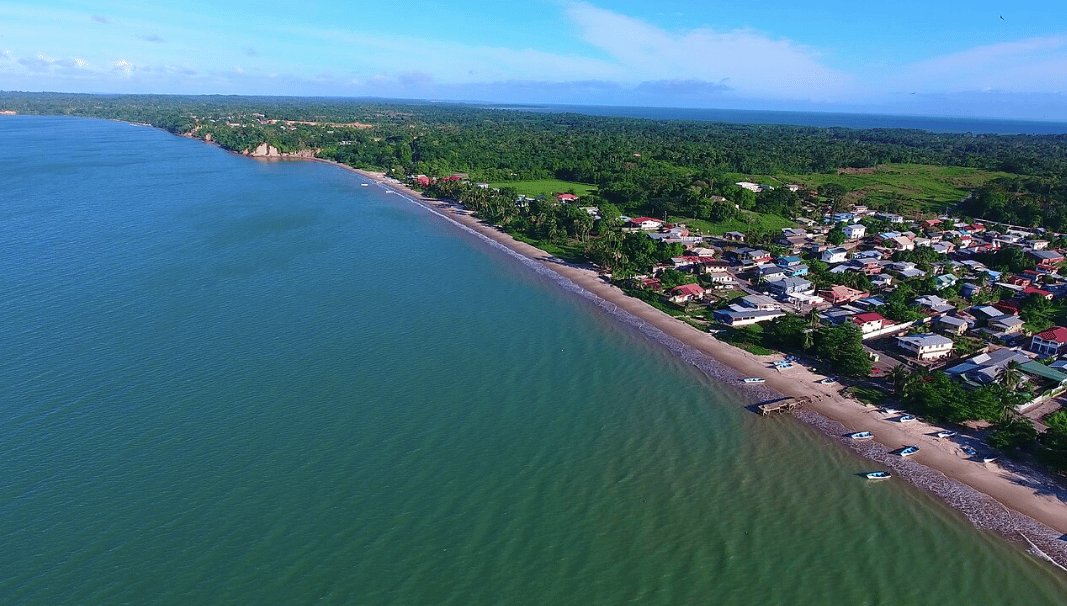
The Gulf of Paria, that familiar stretch of sea between Trinidad and Tobago and Venezuela, has once again become the centre of attention following reports of an oil spill on May 1. According to sources from Caracas, the spill originated in Trinidadian waters and now threatens the delicate ecosystems that both nations rely upon. Trinidad and Tobago has responded by describing the event as a minor incident involving roughly ten barrels, one that was quickly contained and posed little lasting risk.
Yet Venezuela's environment minister has formally demanded information and compensation, highlighting the potential for serious environmental damage across the shared maritime boundary. This exchange comes at a time when communities on both sides of the Gulf watch the waters with growing concern, mindful of how even small incidents can ripple through mangroves and fisheries that sustain daily life.
Local observers in Trinidad note that the timing adds pressure, as families already grappling with rising costs of living look to the sea for their livelihoods. The dispute underscores how quickly a contained spill can widen into a broader diplomatic matter when ecosystems know no borders.
Historical Context of Maritime Boundaries
The Gulf of Paria has long served as a bridge and a boundary between Trinidad and Tobago and Venezuela, with maritime agreements dating back decades shaping how resources are shared. Tensions over these waters have surfaced periodically, often tied to energy exploration and fishing rights that affect both nations. Past incidents have reminded residents that the sea connects rather than divides, even when official positions differ.
Trinidad and Tobago's energy sector, anchored by facilities such as Petrotrin and Atlantic LNG, has historically drawn on these waters for production that supports the national economy. Venezuela, too, holds significant interests in the region, making any environmental concern a matter that touches on long-standing questions of resource management and mutual responsibility.
Within CARICOM circles, discussions about transboundary issues have grown more frequent, reflecting the reality that small island states and their neighbours must navigate shared challenges together. The current disagreement builds on this history without resolving the underlying need for clearer cooperation mechanisms.
Strains on Bilateral Relations
Relations between Port of Spain and Caracas have carried an undercurrent of caution in recent years, particularly around maritime boundaries and energy resources. The latest exchange over the spill has introduced fresh friction, with each side presenting its account of events and responsibilities. Trinidad and Tobago maintains that the matter was handled promptly, while Venezuela seeks formal assurances and potential redress.
Diplomats on both sides appear to recognise that escalation could complicate ongoing talks about joint environmental monitoring. Community voices in Trinidad express hope that cooler heads will prevail, noting that ordinary citizens on either shore share the same concerns about clean waters and stable livelihoods.
Observers suggest that measured dialogue remains essential, especially as both countries face domestic pressures that make environmental disputes more visible. The episode serves as a reminder that bilateral ties require ongoing attention to prevent small incidents from becoming larger divides.
Impacts on Fishing Communities
Fishing families along the Trinidad coast and in Venezuelan communities bordering the Gulf of Paria depend directly on the health of these waters for their daily catch. A spill, even one described as limited, raises immediate worries about contamination affecting fish stocks and the mangroves that serve as nurseries for marine life. Local fishermen have spoken of the anxiety that follows any report of oil in the sea, knowing how quickly it can affect income and food security.
On the Trinidad side, communities already balancing higher living costs with unpredictable weather patterns view the incident as another layer of uncertainty. Similar concerns echo across the water in Venezuela, where fishing remains a vital part of coastal economies. The shared nature of the Gulf means that damage in one area can influence catches and ecosystems on the other.
Regional analysts point out that such events highlight the need for joint monitoring programmes that involve fishers themselves. Without practical cooperation, the burden falls heaviest on those whose boats and nets provide for families across generations.
Energy Sector Implications
Trinidad and Tobago's energy industry plays a central role in the national economy, with operations in the Gulf of Paria contributing to exports and employment. Any perception of environmental risk can influence investor confidence and regulatory scrutiny, even when officials describe an incident as minor. The current disagreement with Venezuela adds a diplomatic dimension to what might otherwise remain a technical matter.
Companies operating in the region must now navigate heightened attention to spill response and cross-border communication. This comes as the sector continues to adapt to global shifts in energy demand and the push for more sustainable practices. Local workers and contractors watch developments closely, aware that stability in relations supports steady operations.
Broader questions about environmental safeguards in energy production have gained attention across CARICOM, with calls for stronger regional standards that protect shared resources. The spill episode reinforces the link between energy activities and the need for transparent, coordinated oversight.
CARICOM's Approach to Environmental Responsibility
The Caribbean Community has increasingly turned its focus to transboundary environmental issues, recognising that pollution and climate impacts do not respect national lines. This latest development in the Gulf of Paria tests the region's capacity to address such matters through established channels. Member states share an interest in frameworks that encourage timely information sharing and joint preparedness.
Discussions within CARICOM often emphasise practical steps, from improved monitoring to support for affected communities. The current exchange between Trinidad and Tobago and Venezuela illustrates both the challenges and the opportunities for collective action. A coordinated response could strengthen trust while protecting the ecosystems that underpin regional food security and tourism.
Advocates argue that clearer protocols would benefit all parties, reducing the scope for misunderstandings that can strain relations. The episode offers a chance to refine approaches that have evolved over years of regional cooperation.
Urgency Amid Hurricane Season and Climate Realities
Hurricane season brings its own pressures to the Caribbean, with storms capable of spreading pollutants further and damaging already sensitive coastal areas. The timing of the May spill adds weight to calls for robust preparedness, as communities prepare for potential weather events that could interact with any residual environmental concerns. Trinidad and Tobago, like its neighbours, has experienced how quickly conditions can change during this period.
Climate change has already altered patterns of rainfall and storm intensity across the region, making environmental incidents more consequential. Fishing communities and energy operators alike recognise the value of proactive measures that account for these shifting realities. The Gulf of Paria, as a shared space, stands to benefit from approaches that integrate climate considerations into everyday governance.
Residents in coastal areas continue to draw on traditional knowledge alongside official guidance, fostering a sense of collective responsibility. This approach reflects the warm, community-centred spirit that has long characterised life in Trinidad and the wider Caribbean.
By Sharon Sahatoo, Staff WriterThis article was produced with AI-assisted research and editorial support. Reporting is based on sources cited in the article.
What's Your Reaction?
 Like
0
Like
0
 Dislike
0
Dislike
0
 Love
0
Love
0
 Funny
0
Funny
0
 Wow
0
Wow
0
 Sad
0
Sad
0
 Angry
0
Angry
0

Caribbean Correspondent at Global1.News. Based in Port of Spain, Trinidad, covering Caribbean politics, economy, energy, climate, and culture. Amplifying the voices and stories of the Caribbean region.











Comments (0)