
Martinique makes history as newest associate member of CARICOM
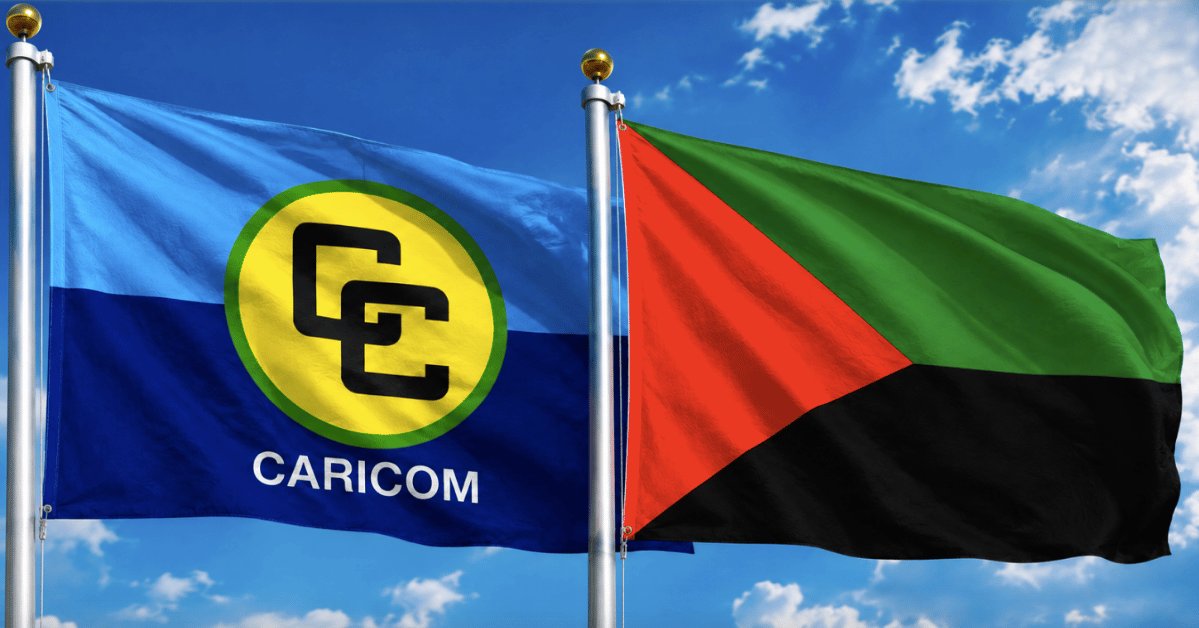
Martinique makes history as newest associate member of CARICOM The Historic Event In our Caribbean community, news of Martinique joining CARICOM as its newest associate member on 16 June 2026 brings a real sense of pride and possibility. The accession marks a fresh chapter where this French overseas territory steps into regional gatherings, sharing ideas and building ties with
The Historic Event
In our Caribbean community, news of Martinique joining CARICOM as its newest associate member on 16 June 2026 brings a real sense of pride and possibility. The accession marks a fresh chapter where this French overseas territory steps into regional gatherings, sharing ideas and building ties with neighbours across the sea. Folks in Trinidad and Tobago will feel the warmth of this development, as it reminds us how our shared waters connect us all in practical ways.
The moment carries weight because CARICOM, founded back in 1973 with its fifteen full member states, now opens its doors wider through associate status. Martinique can now sit at tables discussing common concerns like health, education and disaster response. This is not just paperwork; it is about people meeting people, exchanging stories and finding solutions together in a region that has always valued community over isolation.
From a Trinidadian viewpoint, the development feels like an extension of the family table. We have long welcomed visitors from Martinique at cultural events and trade shows. Now the formal link allows more structured conversations that could benefit small businesses and cultural groups on both sides. The spirit remains one of inclusion rather than exclusion.
Observers note that this accession follows careful legal steps supported by France. The French Embassy described it as a decisive step towards the regional integration of overseas territories. That language resonates here in Port of Spain, where we understand the value of steady, patient progress in regional affairs.
The Road to Membership
The journey to this point stretches back to the signing of the agreement on 20 February 2025 in Bridgetown, Barbados. That gathering set the framework for Martinique to pursue associate membership through the Protocol on the Privileges and Immunities of CARICOM. Such milestones show how diplomacy across the Caribbean can move forward when all parties stay committed.
France played its part through its own parliamentary process. The French Senate voted on 28 January 2026 to authorise the step, clearing an important hurdle. Then on 16 April 2026 the National Assembly gave its approval, completing the domestic requirements on the French side. These dates illustrate the layered nature of bringing an overseas territory into a regional body like CARICOM.
Minister for Europe and Foreign Affairs Jean-Noël Barrot and Minister for Overseas Territories Naïma Moutchou both welcomed the National Assembly decision. Their support helped steer the complex legal process to a successful conclusion. France stated that it had fully rallied behind Martinique throughout, recognising the importance of this regional opening.
For those of us watching from Trinidad, the timeline offers reassurance that integration need not happen overnight. The careful sequence of votes and signatures demonstrates respect for both French institutions and CARICOM procedures. It sets a model that others might study in years to come.
What Associate Membership Means
Associate membership opens doors for Martinique to take part in CARICOM organs, agencies and programmes. This allows representatives to join discussions on matters affecting the wider region, from environmental protection to youth development. The arrangement keeps the focus on cooperation without granting full decision-making powers.
Important limits remain in place. Martinique will not hold a vote on binding decisions and will not have a seat in the Single Market and Economy. These boundaries preserve the core structure of CARICOM while still offering meaningful avenues for contribution. The distinction helps maintain clarity for all involved parties.
In practical terms, participation can translate into joint projects on fisheries, tourism promotion and cultural exchanges. Communities across the islands stand to gain from shared knowledge on hurricane preparedness and public health initiatives. The emphasis stays on action that benefits ordinary citizens rather than abstract political gains.
The French Embassy statement captured the spirit well when it noted that membership is not a symbolic achievement, but the starting point for a regional participation that will be translated into action. That outlook aligns with the pragmatic approach many Trinidadians bring to regional matters, preferring results over rhetoric.
The French Connection
France has shown consistent backing for Martinique throughout the accession process. By supporting the legal steps required, Paris demonstrated a willingness to see its Caribbean territories engage more closely with neighbours. This policy choice reflects an understanding that geography often matters more than distant administrative ties.
Ministers Jean-Noël Barrot and Naïma Moutchou played visible roles in welcoming the National Assembly approval. Their involvement highlighted the coordinated effort between European and overseas affairs ministries. Such coordination proved essential in navigating the requirements of both French law and CARICOM protocols.
The approach taken by France opens conversations about how European nations with Caribbean holdings can support regional integration. It shows a pragmatic side to foreign policy that values neighbourly relations. For Trinidad and Tobago, this model offers food for thought on how external partners can assist without overshadowing local voices.
Observers in the region note that France has positioned itself as a facilitator rather than an obstacle. The statement that the country fully rallied behind Martinique underscores this supportive stance. It creates space for future dialogue on similar arrangements while respecting the sovereignty of CARICOM processes.
Wider Implications for CARICOM
With Martinique now the newest associate member, the growing list of associate members who have joined before includes Anguilla, Bermuda, the British Virgin Islands, the Cayman Islands and the Turks and Caicos Islands, among others. This expanded group brings additional perspectives to CARICOM discussions without altering the voting structure of full members. The growth signals a maturing organisation comfortable with different levels of engagement.
The development paves the way for other French territories such as Guadeloupe, French Guiana and Saint-Martin to consider similar paths. Each territory can assess its own readiness and interests before moving forward. The precedent set by Martinique provides a clear reference point for those future conversations.
CARICOM has always balanced unity with flexibility, and this latest accession fits that tradition. Associate members enrich debates on shared challenges while full members retain control over binding commitments. The arrangement strengthens the organisation overall by widening its reach across the Caribbean basin.
From the standpoint of regional stability, the inclusion of Martinique adds another voice familiar with both European and Caribbean realities. This dual perspective can prove useful in areas like trade facilitation and climate advocacy. The net effect is a more connected Caribbean community ready to face common issues together.
A Trinidad and Tobago Perspective
Here in Trinidad and Tobago, Martinique’s associate membership sparks conversations about how we can deepen practical links with French Caribbean territories. Our ports and cultural festivals already see regular exchanges; the new status could encourage more structured cooperation on training programmes and small enterprise support. The warmth of Caribbean hospitality extends naturally to these neighbours.
Regional integration gains fresh momentum from this step. Trinidad and Tobago has long championed CARICOM as a vehicle for collective strength, and Martinique’s participation reinforces that vision. It reminds us that the Caribbean story includes diverse languages and histories yet shares common hopes for prosperity and security.
Trade and cultural ties stand to benefit in quiet but meaningful ways. Musicians, chefs and artisans from Martinique may find easier pathways to collaborate with counterparts in Port of Spain and beyond. These human connections often outlast formal agreements and build the trust needed for larger projects.
Ultimately, the news encourages all of us across CARICOM to keep an open mind about who belongs at the regional table. Martinique’s journey shows that steady diplomacy can produce tangible results. As we move forward together, Trinidad and Tobago remains ready to play its part in a more integrated and welcoming Caribbean family.
By Sharon Sahatoo, Staff WriterThis article was produced with AI-assisted research and editorial support. Reporting is based on sources cited in the article.
What's Your Reaction?
 Like
0
Like
0
 Dislike
0
Dislike
0
 Love
0
Love
0
 Funny
0
Funny
0
 Wow
0
Wow
0
 Sad
0
Sad
0
 Angry
0
Angry
0

Caribbean Correspondent at Global1.News. Based in Port of Spain, Trinidad, covering Caribbean politics, economy, energy, climate, and culture. Amplifying the voices and stories of the Caribbean region.











Comments (0)