
Thai Activists Rally at Chinese Embassy Over Mekong River Pollution
The Pollution Crisis in Thai River Basins The heavy metal contamination affecting tributaries of the Mekong River in Thailand has drawn close attention from communities in the Kok, Sai, Ruak and Mekong river basins. Reports indicate contaminants detected in water sources that flow through northern Thailand, raising direct concerns for local residents who rely on these waterways
The Pollution Crisis in Thai River Basins
The heavy metal contamination affecting tributaries of the Mekong River in Thailand has drawn close attention from communities in the Kok, Sai, Ruak and Mekong river basins. Reports indicate contaminants detected in water sources that flow through northern Thailand, raising direct concerns for local residents who rely on these waterways for daily life and agriculture. The issue involves transboundary rivers shared with Myanmar, where mining projects in Shan State have been cited in activist statements as potential sources of the pollution.
Thai communities along these rivers have voiced worries about environmental risks and public health impacts. The Kok River, which joins the Mekong system, and the Sai and Ruak rivers carry water that supports farming and fishing in provinces near Chiang Mai and further downstream. These specific waterways connect directly to the broader Mekong basin, affecting areas that extend toward the Isaan region where river resources remain central to traditional livelihoods.
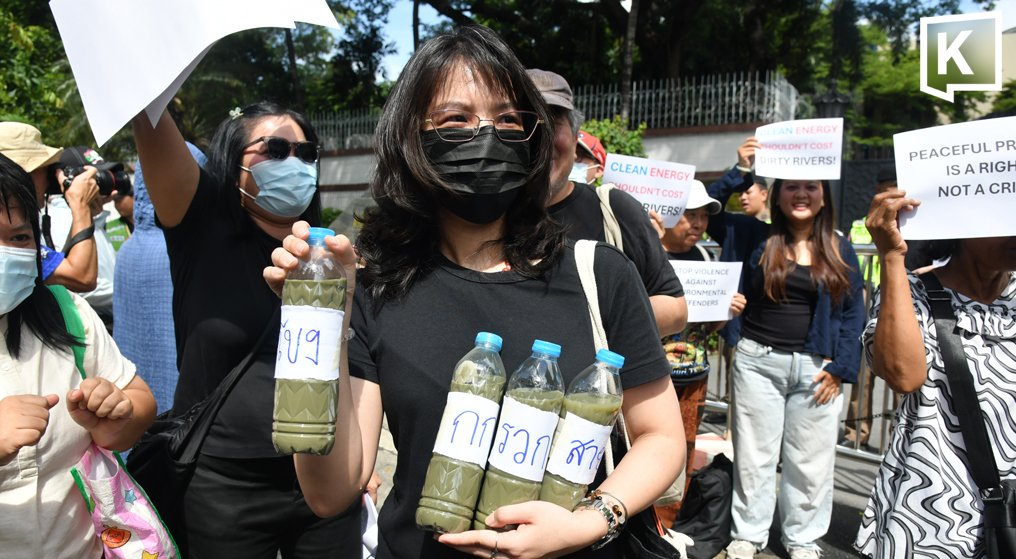
Activists have highlighted how cross-border investment must pair with environmental protection. The demonstration on 8 July 2026 emphasized corporate responsibility toward affected communities in Thailand. Water collected from the impacted basins was used in a symbolic gesture to illustrate the spread of contamination across Thailand and Myanmar.
Local networks stress that the Mekong ecosystem supports tourism in northern Thailand, including areas around Chiang Mai that draw visitors to river-based cultural sites. Any prolonged contamination could influence seasonal travel patterns and the economic activities tied to these natural resources in Southeast Asia.
Activists Gather in Bangkok on 8 July 2026
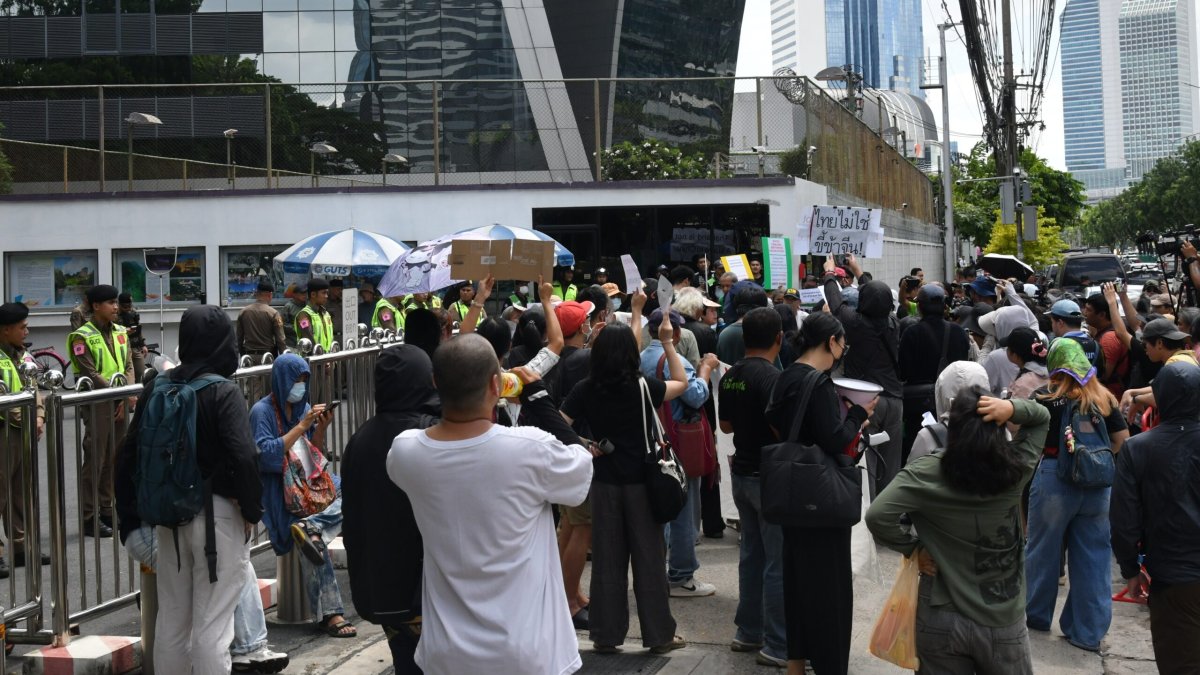
On 8 July 2026, members of the NGO Coordinating Committee, known as NGO-COD, organized a demonstration outside the Chinese Embassy in Bangkok. The event brought together civil society networks to submit formal demands regarding cross-border pollution in the Mekong tributaries. Participants included representatives who traveled from affected northern regions to present their concerns directly to embassy officials.
Lertsak Kamkongsak, chairman of NGO-COD, read a prepared statement during the gathering. The statement called on the Chinese government to prioritize resolution of the pollution issue and to examine the role of businesses connected to mining operations in Myanmar's Shan State. The protest remained peaceful throughout, with participants maintaining orderly conduct as they delivered their message.
Some demonstrators wore masks depicting Wisarut Srichan, the activist injured during an earlier protest at the Chinese Consulate-General in Chiang Mai. This action served to request a transparent inquiry into police conduct at that previous event. The group also urged the House of Representatives to establish a fact-finding committee to review the full circumstances.
The Chinese Embassy in Bangkok responded by announcing it would close for half a day following the demonstration. This decision came after the activists completed their submission of demands and dispersed without incident. The event highlighted ongoing public engagement with diplomatic channels on environmental matters affecting Thailand.
The Symbolic Act and Demands from NGO-COD
Protest leaders poured water collected from the affected Kok, Sai, Ruak and Mekong river basins onto a map showing Thailand and Myanmar. This act drew attention to the flow of contaminants across borders and the shared nature of the waterways. The gesture connected directly to reports of heavy metal presence in these specific rivers that support communities in northern Thailand.
The demands presented by NGO-COD focused on accountability for pollution sources linked to mining activities in Shan State. Lertsak Kamkongsak emphasized that investment across borders should include safeguards for the environment and support for local populations impacted by any resulting damage. The statement called for immediate steps to address the contamination detected in Thai water sources.
Civil society participants stressed the importance of protecting river ecosystems that hold cultural significance in Thai society. Rivers such as the Kok and Mekong have long featured in regional traditions and daily practices in areas from Chiang Mai province southward. The protest sought to ensure these resources remain viable for future generations in Thailand and neighboring countries.
The demonstration concluded without disruption, allowing the focus to remain on the environmental message. Organizers expressed hope that the action would prompt stronger coordination between Thailand and Myanmar on water quality monitoring in the shared basins.
China's Embassy Statement and Commitment
The Chinese Embassy in Thailand issued a statement acknowledging reports of heavy metal contamination in Mekong tributaries. The spokesperson noted that China has monitored developments closely and recognizes public concern over environmental and health effects in the affected areas. The statement addressed gatherings outside the embassy in Bangkok and the consulate in Chiang Mai.
China expressed support for Thailand and Myanmar to conduct a joint investigation based on facts and scientific evidence. The embassy stressed that the rivers involved are transboundary waterways, requiring coordinated efforts to determine responsibility. This approach aligns with calls from Thai activists for clarity on pollution sources in the Kok, Sai, Ruak and Mekong systems.
The statement affirmed China's readiness to enhance cooperation with Mekong basin nations on water resource management. It highlighted the shared duty of all countries to protect the river ecosystem and maintain ecological security. Embassy representatives indicated ongoing attention to community concerns along the river basin in Thailand.
Officials at the embassy confirmed they would facilitate dialogue to address the issue. The response came directly after the 8 July 2026 protest in Bangkok, where demands were submitted regarding cross-border pollution and related investigations.
Transboundary Nature and Joint Investigation Calls
The rivers in question, including the Kok, Sai, Ruak and Mekong, cross the border between Thailand and Myanmar. This geography means pollution in Shan State mining areas can affect downstream water quality in Thai provinces. Activists and the Chinese Embassy both identified the need for a fact-based inquiry involving both nations to trace the contamination.
Lertsak Kamkongsak and NGO-COD have advocated for mechanisms under the House of Representatives to support such an investigation. The peaceful protest on 8 July 2026 reinforced this request while also seeking accountability for events at the Chiang Mai consulate. These steps aim to clarify responsibilities tied to specific mining projects.
Thai authorities and civil society groups view joint efforts as essential for safeguarding water supplies that serve agricultural communities in the north. The transboundary character of the waterways requires consistent communication to prevent further spread of heavy metals into the broader Mekong system.
The embassy statement supported immediate coordination between Thailand and Myanmar. This position matches activist calls for scientific assessment of the pollution affecting the listed river basins and the communities that depend on them.
Implications for Thai Communities and Regional Cooperation
Communities in northern Thailand, particularly around Chiang Mai and along the Kok River, face direct effects from the contamination reports. The pollution concerns extend to fishing and farming activities that sustain local economies and connect to cultural practices centered on river resources. Tourism in these areas could also experience shifts if water quality issues persist.
The events of 8 July 2026 in Bangkok underscore the role of civil society in raising awareness about ASEAN-level environmental challenges. NGO-COD's involvement highlights how Thai organizations engage with neighboring countries and external partners on shared river management. The focus on corporate responsibility in Shan State mining reflects broader regional trade considerations.
China's expressed willingness to work with Mekong nations opens pathways for improved water resource policies across Southeast Asia. Such cooperation could strengthen monitoring systems for the Mekong and its tributaries, benefiting Thailand's position in regional discussions on ecological security.
Continued attention to these issues supports long-term stability for communities in the Isaan region and other areas downstream. The peaceful nature of the Bangkok demonstration provides a model for constructive dialogue on transboundary matters affecting Thailand and its neighbors.
By Ann Srisawat, Staff WriterThis article was produced with AI-assisted research and editorial support. Reporting is based on sources cited in the article.
What's Your Reaction?
 Like
0
Like
0
 Dislike
0
Dislike
0
 Love
0
Love
0
 Funny
0
Funny
0
 Wow
0
Wow
0
 Sad
0
Sad
0
 Angry
0
Angry
0

Southeast Asia Correspondent at Global1.News. Based in Bangkok, covering Thai and Southeast Asian politics, economy, technology, and culture. Deep regional perspective on one of the world's most dynamic regions.














Comments (0)