
Gulf of Paria Spill Dispute Tests Trinidad and Tobago's Neighbourly Ties
The Spill That Stirred the Waters On the first of May 2026, an oil spill was reported in the Gulf of Paria, the body of water that lies between Trinidad and Venezuela. Local fishermen in Icacos and Cedros noticed unusual sheens on the water early that morning while heading out for their usual catches. Word travelled quickly through the coastal villages, reaching Point Fortin by
The Spill That Stirred the Waters
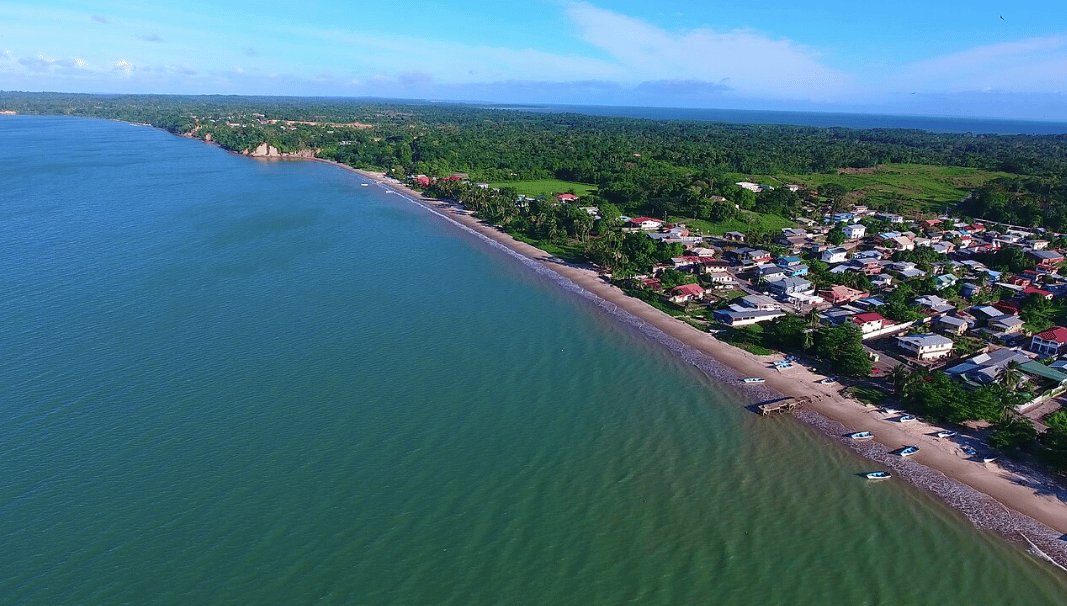
On the first of May 2026, an oil spill was reported in the Gulf of Paria, the body of water that lies between Trinidad and Venezuela. Local fishermen in Icacos and Cedros noticed unusual sheens on the water early that morning while heading out for their usual catches. Word travelled quickly through the coastal villages, reaching Point Fortin by midday as energy workers at nearby facilities began to discuss the incident during shift changes. The event immediately raised concerns among families who depend on the sea for their daily bread.
Residents in Icacos described how the news spread through mobile phones and community gatherings at the beachfront. Fishermen recalled seeing small patches of oil drifting towards the mangroves that line the shore. Many expressed worry that even a limited spill could affect the fish stocks they rely on for income and food. Community leaders quickly organised informal meetings to share information and decide on next steps for monitoring the situation.
In Cedros, the reaction was one of quiet frustration mixed with calls for calm. Older fishermen spoke of past incidents and how the community has always come together during difficult times. Energy sector employees from Point Fortin noted that operations continued under strict safety protocols, yet they too felt the tension in the air. The shared waters mean that any incident affects livelihoods on both sides of the Gulf.
By evening, local radio stations and social media groups were buzzing with updates from the affected areas. Families in these south-western communities gathered to discuss how the spill might influence their weekend fishing plans. The warm Trinidadian spirit of looking out for one another was evident as neighbours offered support and shared what little information they had gathered throughout the day.
Venezuela's Demands: Compensation and Information
Caracas issued a formal demand for information and compensation following the May 1 incident in the Gulf of Paria. Venezuelan officials stated that the spill originated in Trinidadian waters and posed risks of serious environmental damage to the shared ecosystem. This position was communicated through diplomatic channels, highlighting concerns about long-term effects on marine life and coastal areas. The request fits into ongoing discussions between the two nations regarding resource management.
Environmental worries raised by Venezuela centre on the potential spread of oil across the Gulf, which could impact fishing grounds used by communities in both countries. Officials emphasised the need for transparency in reporting the exact volume and response measures taken. Such demands reflect broader sensitivities about how incidents in shared waters are handled. The Gulf of Paria serves as a vital link for marine biodiversity that supports regional food security.
Diplomatic relations between Venezuela and Trinidad and Tobago have historically involved careful navigation of maritime issues. This latest development adds another layer to conversations about joint environmental protection. Caracas has called for detailed assessments to determine any cross-border consequences. Community voices in Trinidad acknowledge the importance of maintaining open lines of communication during such events.
The formal nature of the demand underscores the significance both nations place on the Gulf's health. Venezuelan statements have stressed cooperation while seeking accountability for any damage. This approach aligns with regional efforts to manage shared natural resources responsibly. Observers note that timely responses could help preserve the trust built through years of dialogue.
Port of Spain Pushes Back
Port of Spain has described the incident as a minor spill involving approximately ten barrels that was quickly contained. Government statements emphasise that containment procedures were activated immediately after detection on May 1. Officials maintain that the response followed established protocols designed to limit any spread in the Gulf of Paria. This position highlights the energy sector's experience in managing such occurrences.
The Trinidadian authorities have pointed to their track record of rapid containment in previous small-scale events. Energy workers in Point Fortin confirmed that safety measures remain a priority at facilities operating near the coast. The government has reiterated its commitment to environmental standards while disputing claims of larger impacts. Community members in Cedros and Icacos have been kept informed through local updates.
Port of Spain's response also addresses the need for accurate information sharing with neighbouring countries. Officials stress that the contained nature of the spill reduces risks to the shared waters. The energy sector continues to operate under regulatory oversight that includes regular drills and equipment checks. This approach aims to reassure both local communities and international partners.
Despite the differing views, Trinidadian representatives have expressed willingness to provide further details as assessments continue. The focus remains on protecting livelihoods in fishing villages along the south coast. Energy companies have reinforced their dedication to best practices in the Gulf. Such measures reflect the importance of balancing economic activity with environmental care.
Environmental Stakes in a Shared Gulf
The Gulf of Paria holds significant ecological value for Trinidad and Venezuela, supporting diverse marine species and vital fishing grounds. Mangroves along the Trinidadian coast act as natural filters and nurseries for fish that sustain families in Icacos and Cedros. Biodiversity in these waters contributes to the broader Caribbean ecosystem, making any incident a matter of regional concern. Communities have long understood this delicate balance through generations of fishing.
Fishing communities depend on the Gulf's health for their economic survival and cultural traditions. The legacy of Petrotrin operations has left some residents cautious about environmental monitoring in the area. Past experiences have shown that even limited spills can affect water quality and sediment over time. Local voices call for stronger, ongoing surveillance to protect these shared resources.
Mangrove forests and coastal wetlands in the region provide essential protection against erosion and storms. These natural barriers also support birdlife and other wildlife that form part of the Gulf's rich tapestry. Environmental groups in Trinidad have advocated for improved protocols following historical incidents. The shared nature of the waters means cooperation remains essential for long-term preservation.
Concerns about monitoring stem from the need to detect changes early and respond effectively. Communities in Point Fortin and surrounding areas hope for enhanced collaboration on data collection. The ecological stakes extend beyond immediate fishing yields to future generations who will inherit these waters. Careful stewardship can help maintain the Gulf's productivity for all who rely on it.
A History of Maritime Tension
Relations between Trinidad and Tobago and Venezuela over the Gulf of Paria have involved careful diplomacy for many decades. Maritime boundaries have been a topic of discussion within CARICOM frameworks, where shared interests in resources often require balanced approaches. Previous disputes have centred on fishing rights and access to energy reserves beneath the seabed. These conversations have shaped how both nations address incidents today.
CARICOM has played a constructive role in encouraging dialogue on regional maritime matters. Fishing communities on both sides have at times raised concerns about equitable access to stocks in the Gulf. Energy exploration has added another dimension, with joint interests in sustainable development. Diplomacy has helped prevent escalation while allowing economic activities to continue.
Historical sensitivities around boundaries stem from the Gulf's strategic location and resource potential. Trinidadian and Venezuelan officials have met regularly to discuss protocols for environmental protection. Past incidents have tested these arrangements but also led to improved communication channels. The current situation builds on this foundation of managed cooperation.
Community perspectives in south Trinidad reflect an awareness of these broader dynamics. Fishermen understand that stable relations support their livelihoods across the shared waters. Diplomatic efforts continue to focus on mutual benefit and respect for sovereignty. This history informs the measured responses seen in recent days.
What Happens Next for Trinidad and Tobago?
Next steps will likely involve continued assessments of the May 1 spill and any necessary follow-up measures. Trinidad and Tobago may engage further with Venezuelan counterparts to address the formal request for information. The energy sector is expected to review containment procedures to maintain high standards. Community hopes centre on minimal long-term effects for fishing families in Icacos, Cedros and Point Fortin.
Potential outcomes include strengthened environmental protocols for operations in the Gulf of Paria. Such developments could enhance monitoring systems and foster greater regional collaboration. Implications for the energy sector involve balancing production with responsible practices that protect shared ecosystems. Officials have signalled openness to dialogue that supports both economies.
Community voices express cautious optimism that lessons from this incident will lead to better preparedness. Fishermen hope for continued access to healthy waters that sustain their way of life. Environmental advocates call for transparent reporting that builds confidence across borders. These aspirations align with broader Caribbean goals of sustainable resource management.
The importance of robust environmental protocols cannot be overstated in a region where the sea connects nations. Future cooperation may focus on joint exercises and shared data platforms. Trinidad and Tobago remains committed to its role as a responsible energy producer while valuing its coastal communities. This balanced approach can help navigate the challenges ahead.
By Sharon Sahatoo, Staff WriterThis article was produced with AI-assisted research and editorial support. Reporting is based on sources cited in the article.
What's Your Reaction?
 Like
0
Like
0
 Dislike
0
Dislike
0
 Love
0
Love
0
 Funny
0
Funny
0
 Wow
0
Wow
0
 Sad
0
Sad
0
 Angry
0
Angry
0
Caribbean Correspondent at Global1.News. Based in Port of Spain, Trinidad, covering Caribbean politics, economy, energy, climate, and culture. Amplifying the voices and stories of the Caribbean region.









Comments (0)