
Senate Trial Examines VP Sara Duterte Confidential Funds
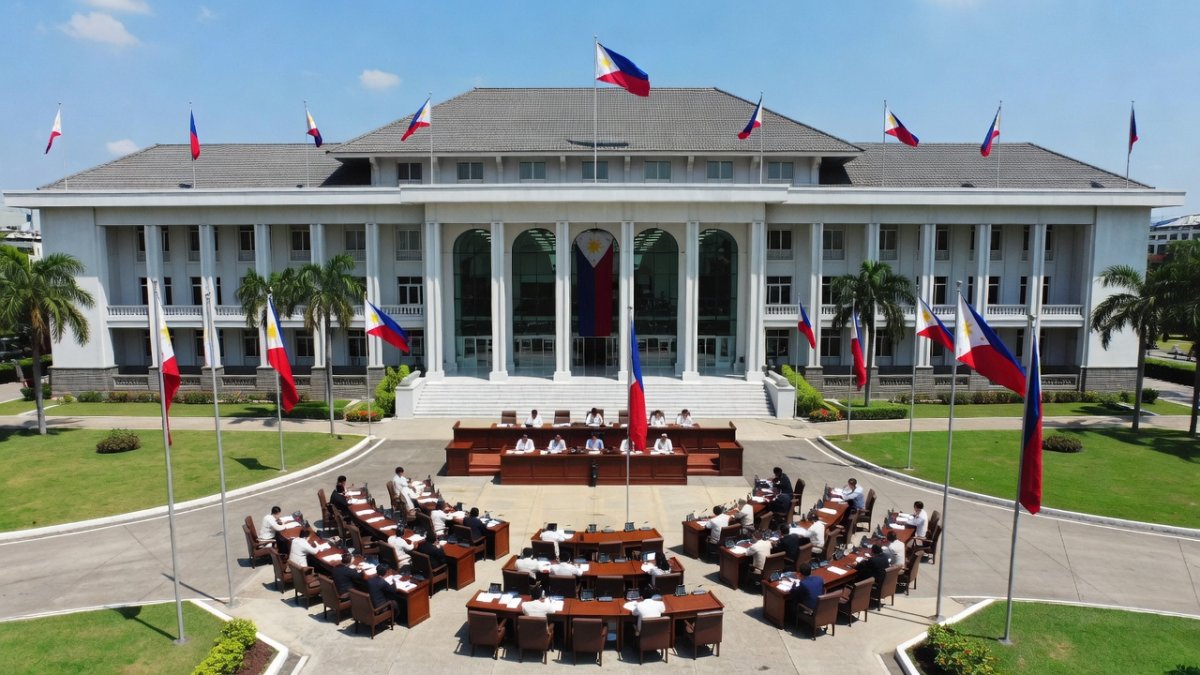
VP Sara Duterte's Senate impeachment trial enters its third week focusing on alleged confidential funds misuse at OVP and DepEd. The money trail article covers multiple fiscal years across both offices, making it the most complex charge in Philippine history for a sitting vice president.
Senate Trial Examines VP Sara Duterte Confidential Funds
Manila, Philippines — Article continues...
The Impeachment Trial Enters Its Third Week
The third week of the Senate impeachment trial against Vice President Sara Duterte has turned its focus to the most detailed of the four articles of impeachment. Prosecutors stated on July 17 that the article covering alleged misuse of confidential funds will require the longest presentation because it spans two offices: the Office of the Vice President and the Department of Education, which she led until mid-2024.
This phase brings forward extensive documentary evidence and witness testimony aimed at tracing how confidential and intelligence funds were allocated and spent. The Senate, acting as the impeachment court, continues its work under the rules set by the 1987 Constitution, where a two-thirds vote is needed for conviction and removal from office.
Understanding Confidential Funds in the Philippine Budget
Confidential funds form a specific line item in the national budget approved each year by Congress. These allocations are intended for sensitive operations that require discretion, such as intelligence gathering or security-related activities. In practice, agencies like the Office of the Vice President and the Department of Education receive these amounts through the General Appropriations Act, with oversight mechanisms that include post-audit reviews by the Commission on Audit.
Unlike regular operating budgets, confidential funds allow limited public disclosure at the time of spending. This design aims to protect operational secrecy, yet it also places heavy responsibility on agency heads to ensure every peso serves its stated purpose. The current trial examines records from both the Office of the Vice President and the Department of Education during overlapping periods of leadership.
A Historic Moment for the Vice Presidency
Impeachment proceedings against a sitting vice president remain rare in Philippine history. The Senate has previously handled cases involving presidents and other high officials, but the current trial marks a significant test of accountability for the second-highest elected position. The four articles of impeachment include the confidential funds matter alongside other charges, each requiring separate presentation and defense.
Under the Constitution, the House of Representatives acts as the initiator of impeachment, while the Senate conducts the trial. This separation ensures that both chambers of Congress play distinct roles in checking executive power. The proceedings continue to draw attention from lawmakers across party lines and from citizens who follow the daily updates from the Senate session hall.
No sitting vice president has faced impeachment since the restoration of democracy, setting this trial apart from the high-profile cases of Joseph Estrada in 2001, Gloria Macapagal-Arroyo’s various legal challenges, and the 2012 removal of Chief Justice Renato Corona. Estrada’s trial centered on plunder charges tied to jueteng collections, while Corona’s focused on undisclosed assets. The present proceedings uniquely target the second-highest elected office through the narrow lens of confidential fund management, testing constitutional boundaries never fully explored for the vice presidency.
The political stakes extend directly into the 2028 electoral cycle. Analysts note that any conviction or even prolonged public scrutiny could fracture alliances within the Duterte political network, influencing how regional leaders position themselves ahead of presidential and senatorial races. The family’s response has emphasized institutional respect while questioning procedural fairness, with statements from Davao City underscoring loyalty to constitutional processes yet warning against what they describe as selective accountability.
This moment also reframes the vice presidency itself. Historically viewed as a largely ceremonial post, the office under Sara Duterte expanded into active departmental leadership, raising fresh questions about how future vice presidents will balance ceremonial duties with executive portfolios. The outcome may prompt legislative proposals to clarify CIF guidelines for the position, ensuring that expanded responsibilities carry matching transparency requirements long before the next national election.
Tracing the Money Trail from OVP and DepEd
Prosecutors have indicated that the confidential funds article will rely on detailed records from two separate offices. The Office of the Vice President received its own allocations, while the Department of Education operated under Vice President Duterte’s leadership as secretary until mid-2024. Witnesses are expected to walk through budget documents, disbursement reports, and related paperwork that show the flow of these funds.
The presentation is described as the most complex because it covers multiple fiscal years and two distinct agencies. Senators serving as judges will review the evidence and hear testimony before deliberating on whether the allegations meet the threshold for conviction. The process follows established Senate rules for impeachment, including opportunities for cross-examination and defense rebuttals.
The Commission on Audit plays a pivotal gatekeeping role that extends far beyond routine checks. Under the 1987 Constitution and the Government Auditing Code, COA examiners possess authority to demand liquidation documents even for confidential and intelligence funds, though access remains tightly controlled. In past reviews of similar allocations in the Philippine National Police and Armed Forces, auditors flagged instances where expenditures lacked sufficient supporting receipts or failed to demonstrate operational necessity, prompting supplemental guidelines issued in 2019 that required post-facto justification within sixty days.
Philippine law defines confidential funds as those used for intelligence, counter-intelligence, and security operations whose disclosure could compromise sources or methods, while intelligence funds cover broader information-gathering activities. Both fall under the General Appropriations Act yet escape line-item scrutiny during budget deliberations. Previous administrations, including that of President Benigno Aquino III, maintained smaller CIF envelopes for the Office of the President and transferred oversight to the Office of the Executive Secretary, creating paper trails that later COA reports described as more transparent than current practices.
These historical patterns now inform the Senate’s examination of overlapping OVP and DepEd records. When auditors previously examined confidential spending in the Department of the Interior and Local Government, they noted recurring patterns of bulk cash advances that complicated verification. The current trial therefore tests whether the same safeguards applied across two agencies under one leader, highlighting how legal definitions alone cannot substitute for consistent documentation that protects both operational secrecy and public accountability.
How This Affects Everyday Filipinos
Filipino families across the country watch these proceedings with a mix of hope and concern. Public funds, including those labeled confidential, ultimately come from taxes paid by jeepney drivers, sari-sari store owners, teachers, and overseas Filipino workers who send remittances home. When questions arise about how these resources are managed, the impact reaches barangay halls and community gatherings where people discuss accountability during ordinary conversations.
The principle of bayanihan reminds many that collective trust in leaders supports national progress. When the Senate examines spending from the Office of the Vice President and the Department of Education, it touches on programs that affect students in public schools and community projects tied to the vice presidential office. Citizens in provinces and cities alike follow the trial updates, aware that outcomes can influence how future budgets are scrutinized and how local government units receive support.
In quiet corners of provincial life, the impeachment trial has become more than a Manila spectacle. Tricycle drivers in Cebu and Davao pause between fares to debate over steaming bowls of goto whether the confidential funds truly served students or simply vanished into untraceable ledgers. These conversations ripple outward, shaping how ordinary citizens view the entire machinery of government. When trust erodes, participation in local programs declines, and barangay assemblies see fewer hands raised for community projects funded by national allocations.
Civil society organizations and church groups have stepped into the gap with quiet determination. Parishes in the Visayas now host after-mass discussions where priests remind parishioners that stewardship of public resources echoes the same values of bayanihan that built many rural chapels. Groups like the Legal Rights and Natural Resources Center have issued monitoring reports shared on Facebook and Viber communities, helping sari-sari store owners and teachers track developments without needing to travel to the Senate. Their presence keeps the proceedings grounded in the lived realities of families who rely on DepEd feeding programs and OVP medical missions.
Provincial voices reveal both weariness and resolve. Barangay captains in Bukidnon report that residents now ask pointed questions during monthly meetings about how local shares of the national budget might be affected. On TikTok and X, hashtags mixing Tagalog and Bisaya trend with clips of testimony, turning the trial into a shared national classroom. This sustained attention, though exhausting, strengthens the collective insistence that public office must remain accountable to the people who pay for it through every withheld centavo at the market.
The Road Ahead in the Senate Proceedings
As the third week concludes, the prosecution continues to prepare its case on the confidential funds article, with more witnesses and documents scheduled. The Senate maintains its schedule while balancing other legislative work, including budget deliberations handled by the Department of Budget and Management. Observers note that each article requires careful presentation to allow both sides full opportunity to present their positions.
Throughout the process, the focus remains on evidence and constitutional standards rather than speculation. For communities from Manila to Mindanao, the trial serves as a reminder that public office carries responsibilities tied directly to the welfare of ordinary people. The coming weeks will show how the Senate weighs the detailed records now being introduced.
By Bella Reyes, Staff WriterThis article was produced with AI-assisted research and editorial support. Reporting is based on sources cited in the article.
What's Your Reaction?
 Like
0
Like
0
 Dislike
0
Dislike
0
 Love
0
Love
0
 Funny
0
Funny
0
 Wow
0
Wow
0
 Sad
0
Sad
0
 Angry
0
Angry
0

Philippines/Southeast Asia Correspondent at Global1.News. Manila-based journalist covering Philippine politics, environment, maritime security, and social issues. Passionate about marine conservation and the communities protecting the Philippines' natural heritage.














Comments (0)