
El Niño 2026: Super Event Threatens Amazon and Pantanal
NOAA Confirms El Niño Conditions in the Tropical Pacific US scientists at the National Oceanic and Atmospheric Administration have declared that El Niño conditions are now under way in the tropical Pacific. Sea surface temperatures have risen sharply in recent months and crossed the 0.5C-above-average threshold that defines the event. The announcement follows the end of the coo
NOAA Confirms El Niño Conditions in the Tropical Pacific
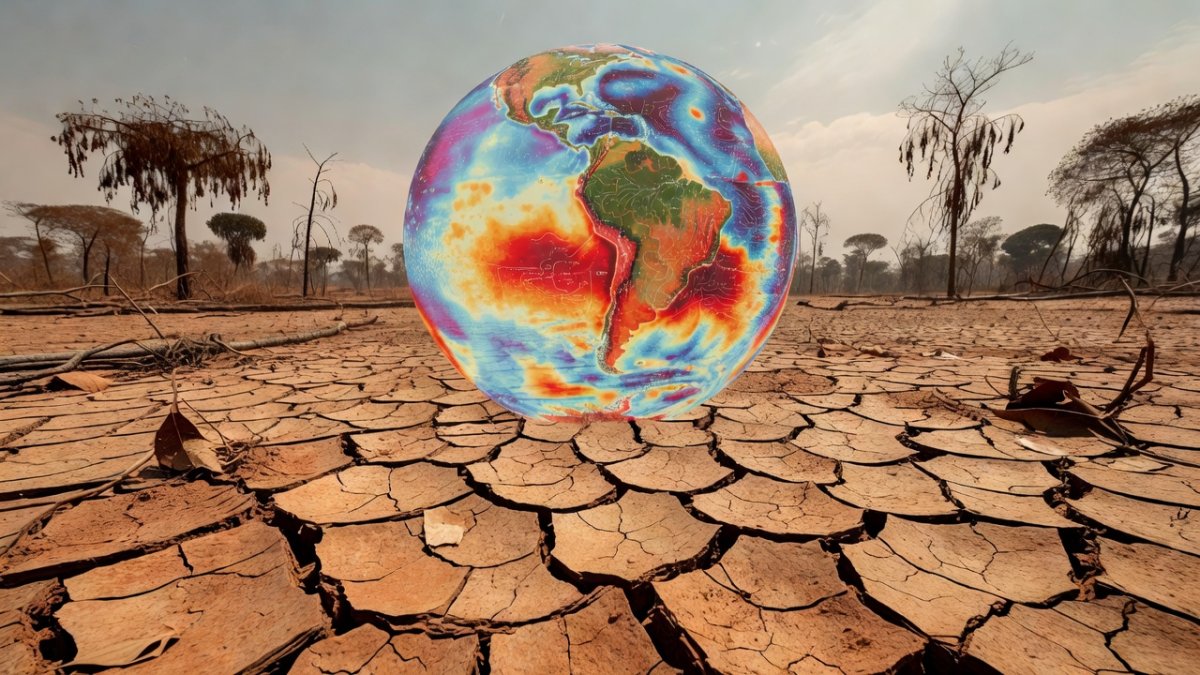
US scientists at the National Oceanic and Atmospheric Administration have declared that El Niño conditions are now under way in the tropical Pacific. Sea surface temperatures have risen sharply in recent months and crossed the 0.5C-above-average threshold that defines the event. The announcement follows the end of the cooler La Niña phase earlier this year and aligns with forecasts that anticipated this warming shift.
The agency noted that winds above the equatorial Pacific have also begun to shift, showing that the atmosphere is responding to the warmer ocean. This development is not unexpected, yet the speed at which models project its potential strength has drawn attention from researchers monitoring the pattern.
Forecasts Point to a Potentially Very Strong Event
NOAA's June outlook assigns a 63 percent chance of a very strong El Niño during November through January. Such an event would rank among the largest since records began in 1950. The three strongest episodes in that period occurred in 1982/83, 1997/98 and 2015/16. Some models from the United States and the European Centre for Medium-Range Weather Forecasts suggest temperatures in the tropical Pacific could climb more than 3C above average by the end of the year.
Prof Adam Scaife, head of monthly to decadal prediction at the UK Met Office, stressed the need for concern. "We do need to worry about the impacts," he said. "The current El Niño is riding on top of a substantial amount of global warming. This means that the actual temperatures in affected regions could well be unprecedented, as the warming from El Niño is being topped up by climate change."
Drought and Fire Risks Rise Across the Amazon and Northern South America
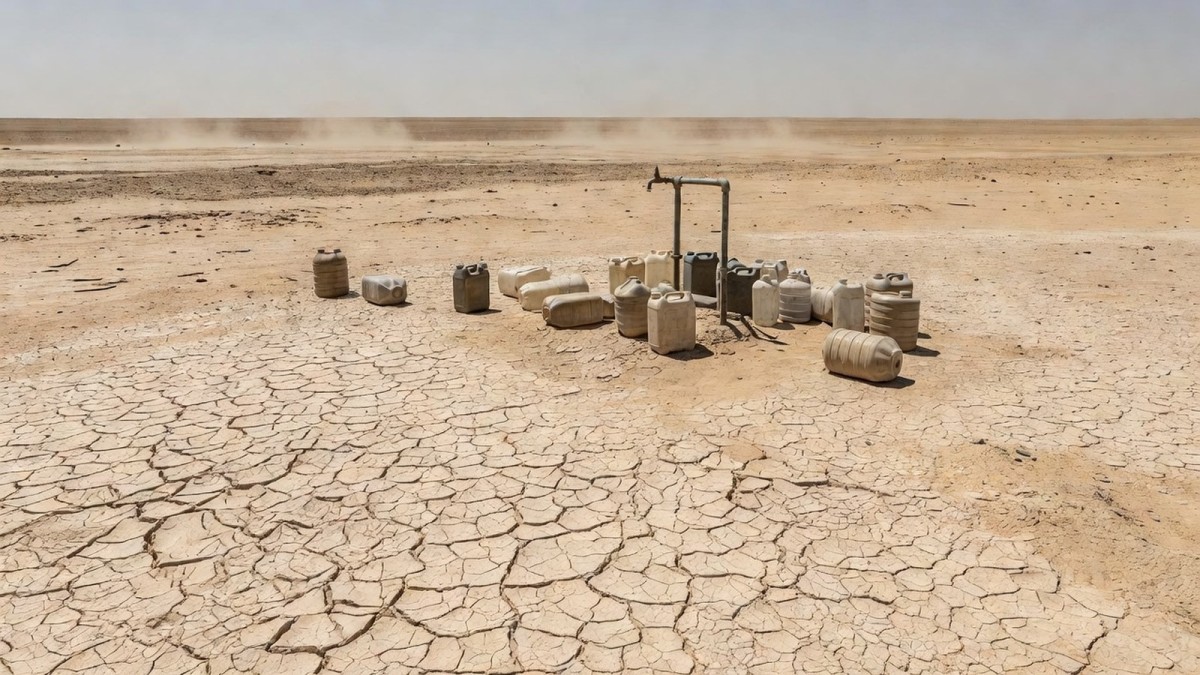
El Niño typically brings drier conditions to northern South America, raising the risk of drought and wildfire across the Amazon basin. These changes threaten the vast rainforest that regulates regional rainfall and stores enormous amounts of carbon. Communities in Brazil, Colombia and Venezuela that depend on the forest for water, food and livelihoods face heightened pressure when rains fail.
The pattern also disrupts agriculture in the region. Reduced rainfall can shrink crop yields and strain water supplies for both rural families and growing cities. Historical episodes show that these effects often extend well beyond the peak of the event, affecting planting seasons and market prices in the following year.
Brazil's Pantanal and Cerrado Face Heightened Vulnerability
In Brazil, the Pantanal wetlands and the Cerrado savanna stand among the areas most exposed to El Niño-driven drying. The Pantanal, already stressed by previous droughts, could see further reductions in seasonal flooding that sustains its unique biodiversity. Ranchers and fishing communities in Mato Grosso do Sul and Mato Grosso states watch river levels closely, knowing that prolonged dry spells affect both cattle and fish stocks.
The Cerrado, a critical biome for Brazil's agricultural output, faces similar risks. Soybean and corn producers in Goiás and Minas Gerais have experienced yield losses during past strong events. With global food supplies already under pressure, any additional shortfall here ripples through export markets and domestic prices.
Peru, Ecuador and Central America Brace for Contrasting Extremes
Flooding remains a recurring threat in northern Peru and southern Ecuador during El Niño years. Heavy rains can overwhelm rivers and damage roads, homes and farmland in regions such as Piura and Guayas. At the same time, Central American nations including Nicaragua, Honduras and Guatemala often experience the opposite problem: sharply reduced rainfall that can trigger drought conditions.
Liz Stephens, professor of climate risk and resilience at the University of Reading, highlighted the regional stakes. "While that sounds like a good thing, for Central America that leads to a lot less rainfall and potentially drought conditions," she said, referring to the typical suppression of Atlantic hurricanes. Farmers who rely on consistent rains for staple crops face difficult choices when the season turns unusually dry.
Global Warming Amplifies Every El Niño Impact
The current event arrives on a planet that has already warmed substantially from human emissions. A very strong El Niño typically lifts global air temperatures by around 0.2C. That additional heat now compounds existing records. Prof Adam Scaife noted that excess warmth could push temperatures higher into 2027. "At the end of this year and into 2027, we're likely to see very high temperatures globally," he said.
Mohamed Adow, director of the campaign group Power Shift Africa, framed the human stakes clearly. "An El Niño declaration is not just another weather forecast - for millions of people it is a deadly siren to be feared," he said. "It means failed rains, dying crops, rising food prices, and families pushed to the edge yet again." In Latin America, where many communities already navigate shifting rainfall patterns, the combination of natural variability and long-term warming demands urgent attention from governments and local institutions.
By Elena Vasquez, Staff WriterThis article was produced with AI-assisted research and editorial support. Reporting is based on sources cited in the article.
What's Your Reaction?
 Like
0
Like
0
 Dislike
0
Dislike
0
 Love
0
Love
0
 Funny
0
Funny
0
 Wow
0
Wow
0
 Sad
0
Sad
0
 Angry
0
Angry
0

Latin America Correspondent at Global1.News. Based in Mexico City, covering politics, economics, energy, and culture across the region. Brings an on-the-ground perspective to stories spanning from the Rio Grande to Patagonia.











Comments (0)