
Argentina World Cup Brawl: SA Sportsmanship Lessons
Argentina's post-match brawl with Spain at the 2026 World Cup final sparked a FIFA investigation. For South African fans, the contrast with Springboks' sportsmanship and Bafana Bafana's discipline offers powerful lessons about character in sport.
The Argentina-Spain World Cup final descended into chaos on July 19 at MetLife Stadium, leaving South African fans reflecting on the values that define true sporting excellence. This incident, set against Bafana Bafana's disciplined campaign and the Springboks' legacy of unity, highlights how national teams carry their countries' reputations far beyond the pitch. South Africans now look inward to reinforce respect and character in every code.
Argentina's World Cup Chaos Sparks FIFA Probe: A South African Call for True Sportsmanship
Johannesburg, South Africa — Spain defeated Argentina 1-0 in the World Cup 2026 final on July 19 at MetLife Stadium in East Rutherford, New Jersey, with Ferran Torres scoring the winner in the 106th minute of extra time. Moments after the final whistle, Argentina players and staff clashed with Spain players on the pitch in a brawl that drew immediate global attention. Leandro Paredes appeared to grab Spain's Eric García by the throat during the melee, while Thiago Almada, Nahuel Molina, and Argentina staff member Roberto Ayala were also directly involved in the confrontation.
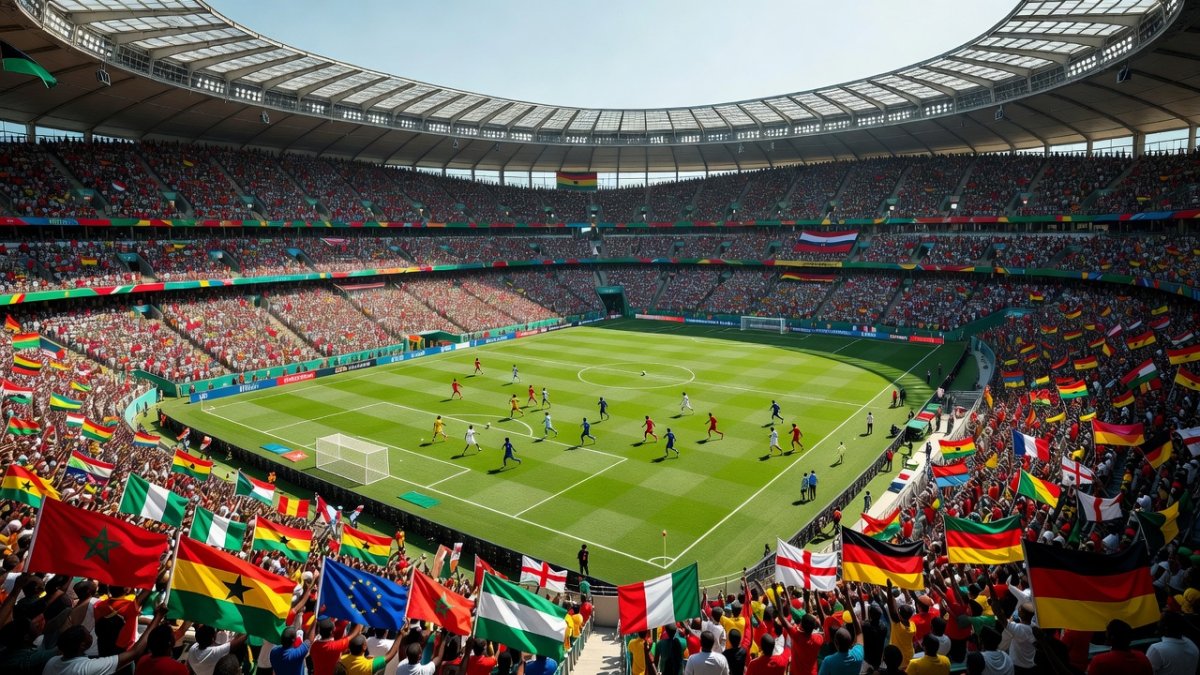
The Final Whistle at MetLife Stadium Turns Ugly
The brawl erupted immediately after Ferran Torres' extra-time goal secured Spain's victory, turning what should have been a moment of celebration into a scene of disorder. South African observers noted how such scenes contrast sharply with the disciplined exits often seen from Bafana Bafana squads, where players like those under Hugo Broos have accepted results with grace even in knockout disappointments. Deeper analysis reveals that the involvement of staff members like Roberto Ayala signals deeper cultural issues within the Argentine setup, issues that South African rugby and football administrators have worked hard to eliminate through strict codes of conduct.
Leandro Paredes' actions in grabbing Eric García drew particular scrutiny, echoing past incidents that have marred Argentina's international image. In South Africa, where the Springboks have built a reputation for on-field intensity paired with off-field respect, this kind of confrontation would likely trigger immediate internal reviews by SA Rugby. The MetLife incident underscores how quickly tempers can override the spirit of the game, a lesson Bafana Bafana absorbed during their Round of 32 run when they maintained composure despite tough losses.
Global broadcasts captured the full extent of the melee involving Thiago Almada and Nahuel Molina, prompting questions about leadership within the Argentine camp. South African sports journalists have long praised figures like Aaron Mokoena for setting examples of restraint, and this final serves as a reminder that such leadership prevents escalations. The event at MetLife Stadium will likely influence how future World Cup finals are policed, with South African federations already discussing similar preventive measures for their teams.
FIFA Launches Disciplinary Investigation the Next Day
FIFA appointed a disciplinary and ethics prosecutor to investigate the incident on July 20, the day after the final. The probe focuses on the on-pitch violence and the conduct of Argentina's players and staff throughout the tournament. This swift action follows a pattern where Argentina faced repeated criticism for dirty tactics and poor sportsmanship, including a separate fight with England during the semi-final.
The rapid FIFA response on July 20 demonstrates the organization's commitment to protecting the game's integrity, a stance South African football authorities have consistently supported through their own disciplinary frameworks. Deeper analysis shows that repeated incidents during Argentina's campaign, including the England semi-final clash, created a pattern that FIFA could no longer ignore. Bafana Bafana's clean record at the same tournament stands as proof that African teams can compete without inviting such scrutiny.
Investigators will examine video evidence from MetLife Stadium alongside tournament-wide complaints, a process that mirrors how SAFA handles internal reviews after international fixtures. South African fans have expressed relief that their team's joint-25th finish came without similar headlines, reinforcing the value of Hugo Broos' emphasis on unity. The probe's outcome could set precedents that benefit developing nations like South Africa by promoting fairer competition standards.
Argentina's Tournament Reputation as Repeated Villains
Argentina entered the final with a reputation as the tournament's villains due to consistent displays of unsportsmanlike behavior. Their clashes extended beyond the final, as they had already fought with England in the semi-final. Actor Samuel L. Jackson publicly called Argentina historically racist and urged Black fans not to support them, highlighting how the team's actions overshadowed their on-field performances.
Samuel L. Jackson Racism Controversy Deepens Scrutiny
Samuel L. Jackson's public statements about Argentina's historical issues added another layer to the post-final fallout, resonating strongly within South African communities that have fought their own battles against exclusion in sport. Deeper analysis indicates that such comments force global conversations about representation, conversations that South Africa has led through initiatives like the Springboks' transformation policies under Siya Kolisi. Bafana Bafana's inclusive squad selections during the 2026 World Cup provided a positive counter-example that local fans proudly highlighted.
The controversy surrounding Jackson's remarks extended beyond the pitch, prompting South African media to examine how national teams reflect broader societal values. Unlike Argentina's repeated clashes, South African sides have prioritized unity across racial lines, a principle rooted in the country's post-apartheid sporting ethos. This incident serves as a cautionary tale for any federation tempted to overlook character in pursuit of results.
Comparing Argentina's Behavior with Springboks' Sportsmanship
The Springboks' 2023 Rugby World Cup triumph under Siya Kolisi showcased a model of leadership that elevated the entire nation, a stark contrast to Argentina's MetLife brawl. South African rugby fans have long celebrated how Kolisi's "Team of the People" approach fostered unity across communities, proving that sportsmanship builds lasting pride. Deeper analysis reveals that Argentina's pattern of confrontations, from the England semi-final to the final melee, undermines any on-field achievements by damaging international perceptions.
Where the Springboks embraced collective responsibility after every match, Argentina's players and staff allowed tensions to boil over publicly. This difference highlights why South African sports administrators continue to study Kolisi's methods when developing young athletes in both rugby and football. The comparison reinforces that true champions represent their countries with dignity long after the final whistle.
Bafana Bafana's Discipline vs Argentina
Bafana Bafana reached the Round of 32 at the same World Cup and finished joint-25th, marking their first-ever appearance in the knockout stage. Unlike Argentina, the South African side maintained a clean disciplinary record with no reported brawls or incidents of poor sportsmanship. Coach Hugo Broos emphasized discipline and unity as core principles, ensuring the team represented the nation with respect even in defeat.
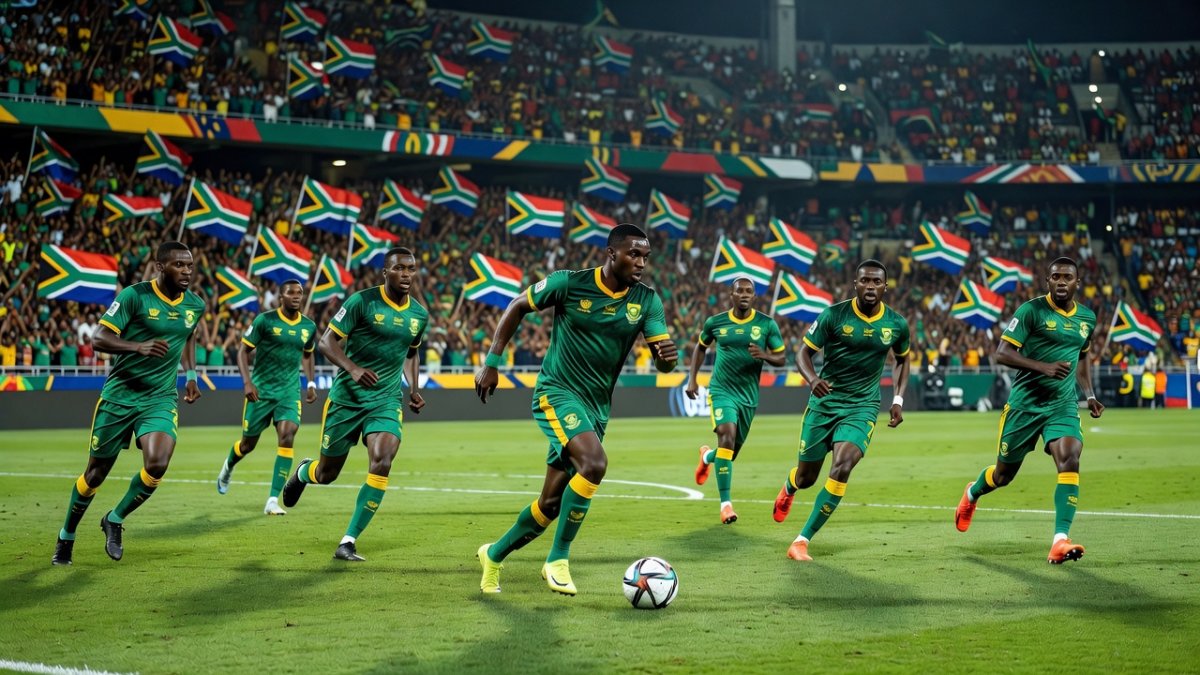
What This Means for the Beautiful Game
The Argentina incident raises fundamental questions about the future of football's global appeal, particularly for nations like South Africa that view the sport as a vehicle for social cohesion. Deeper analysis shows that repeated controversies risk alienating fans who value the game's unifying power, a concern Bafana Bafana addressed through their respectful campaign. South African stakeholders now advocate for stronger FIFA measures to protect the sport's integrity worldwide.
Lessons from the MetLife brawl could influence how African federations prepare teams for future tournaments, building on Morocco's quarter-final success as an example of disciplined progress. The beautiful game thrives when character matches skill, a principle South Africa has championed across codes. This episode ultimately challenges every federation to prioritize respect alongside results.
Role Models Like Mokoena and Williams Guide SA Sports Forward
South African sports history features role models such as Aaron Mokoena and Benni McCarthy-style figures who embodied respect and national pride during their careers. These examples stand in sharp contrast to players like Leandro Paredes involved in the MetLife brawl. By celebrating such figures, South Africa reinforces that true victory comes from character, not just results, as seen in the Springboks' enduring legacy.
England's Third-Place Finish Highlights Broader Tournament Context
England defeated France 6-4 to claim third place in the 2026 World Cup, providing a clean conclusion to their campaign. This result, alongside Morocco's quarter-final achievement, underscores how disciplined teams advance the sport positively. South Africa can draw direct lessons here, using Bafana Bafana's joint-25th finish as a foundation to build a culture where sportsmanship strengthens national identity.
Winning Is Not Everything When Character Defines Legacy
The Argentina brawl after the July 19 final and the subsequent FIFA investigation on July 20 remind every South African sports fan that winning without respect damages a nation's image. The Springboks' 2023 Rugby World Cup spirit and Bafana Bafana's disciplined run prove that character builds lasting pride. South African sports must continue championing these values to inspire future generations across rugby, football, and beyond.
By Dante Williams, Staff WriterThis article was produced with AI-assisted research and editorial support. Reporting is based on sources cited in the article.
What's Your Reaction?
 Like
0
Like
0
 Dislike
0
Dislike
0
 Love
0
Love
0
 Funny
0
Funny
0
 Wow
0
Wow
0
 Sad
0
Sad
0
 Angry
0
Angry
0

Breaking News and Investigations Correspondent at Global1.News. Based in London, covering global breaking news, security, and investigative stories. Known for digging deeper and connecting the dots across continents.









Comments (0)