
Shared Waters, Shared Worries: The Gulf of Paria Spill Dispute Unfolds
Trinidad and Tobago and Venezuela now find themselves facing a delicate situation in the waters that connect our two nations. The Gulf of Paria has long been more than a boundary; it is a living space for fishermen, energy workers and coastal communities on both sides. Recent incidents have brought environmental concerns to the forefront, reminding us how closely our futures are tied.
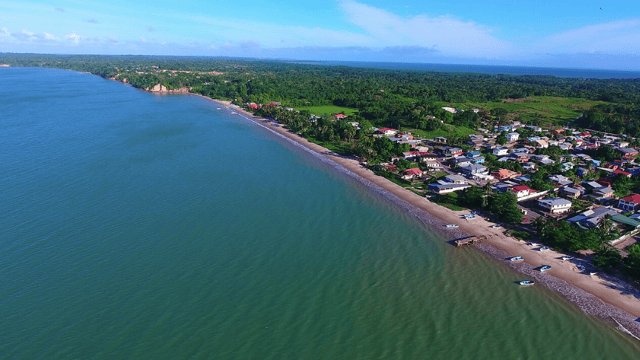
Trinidad and Tobago and Venezuela now find themselves facing a delicate situation in the waters that connect our two nations. The Gulf of Paria has long been more than a boundary; it is a living space for fishermen, energy workers and coastal communities on both sides. Recent incidents have brought environmental concerns to the forefront, reminding us how closely our futures are tied.
The May Incident at Main Soldado Field
Heritage Petroleum detected a spill of roughly ten barrels at the Main Soldado field on 1 May. The company contained the release the same day, yet Trinidad and Tobago did not issue a public statement until Venezuela raised the matter. Officials later explained that the response focused first on stopping any further release and protecting local marine life.
Energy Minister Roodal Moonilal confirmed that vessels and drones from the Trinidad and Tobago Air Guard joined Heritage Petroleum teams in the immediate response. The joint effort aimed to verify the extent of the release and ensure nothing remained in the water column. For many in south Trinidad, such quick containment is familiar, though the lack of early public notice left some residents uneasy.
Communities along the southwestern peninsula understand that even small releases can affect livelihoods. Fishermen who set out from Icacos and Cedros know the currents can carry material across the Gulf, reaching Venezuelan shores within hours. This reality has shaped how Trinidadians view any incident in these waters.
Venezuela Raises Alarm Over Environmental Damage
Venezuelan authorities described serious effects on the states of Sucre and Delta Amacuro. Foreign Minister Yvan Gil stated that pollutants drifted toward Venezuelan waters and affected mangroves, wetlands and the wider Gulf of Paria ecosystem. Acting President Delcy Rodriguez also highlighted risks to marine habitats in statements reported by international agencies.
Venezuela claimed the May release impacted approximately 647 square miles, touching four national parks, twelve wetland systems and the habitats of 140 marine species. Around 500 artisanal fishermen reportedly felt the consequences through reduced catches and restricted fishing zones. These figures, drawn from Venezuelan assessments, underscore the cross-border nature of any spill in the shared gulf.
Trinidad and Tobago has maintained that the release remained minor and fully contained. Officials point to the rapid deployment of response teams as evidence that damage stayed limited on the Trinidad side. The differing assessments now sit at the centre of ongoing discussions between the two governments.
A Second Spill Confirmed by Satellite Imagery
On 12 June, Venezuela reported a second, larger release detected through satellite imagery. Foreign Minister Yvan Gil noted the drift of pollutants once again moving toward Venezuelan waters and reserved the right to pursue international legal action if necessary. The announcement added new urgency to talks already under way.
Trinidadian authorities responded by expanding monitoring across the Main Soldado area. Heritage Petroleum increased patrols while the Energy Ministry coordinated with the Air Guard for additional drone coverage. The goal remained the same: prevent any further movement of material across the maritime boundary.
The 1990s delimitation treaty continues to guide how both nations manage these shared waters. The agreement sets out responsibilities for environmental protection and resource use, providing a framework that officials on both sides have referenced during the current exchanges.
Joint Investigation and Trinidad's Containment Measures
Minister Roodal Moonilal announced a joint investigation involving the Energy Ministry, Heritage Petroleum and the Trinidad and Tobago Air Guard. Teams deployed vessels and drones to map any remaining traces and to confirm that containment measures held. The ministry emphasised transparency with Venezuelan counterparts throughout the process.
Local energy workers understand the stakes. The oil and gas sector supports thousands of households across south Trinidad, from Point Fortin to San Fernando. Any prolonged dispute risks affecting not only the environment but also the steady operation of platforms that have operated in the Gulf for decades.
Trinidad and Tobago has stressed that both incidents were addressed promptly. Officials continue to share data with Venezuelan authorities in the hope of reaching a common understanding of what occurred and how to prevent recurrence.
Fishing Communities on Both Sides Feel the Strain
Fishermen from Trinidad's southwest coast and Venezuela's Sucre and Delta Amacuro states share the same waters and the same concerns. When catches drop, families on both sides feel the pinch. Many have fished these grounds for generations, passing knowledge of tides and seasons from parent to child.
The Gulf of Paria supports not only commercial fishing but also the small-scale operations that feed coastal villages. Artisanal fishers often work without large vessels, relying on knowledge of local currents that can shift quickly after any release. Their voices remind us that environmental protection and economic survival remain closely linked.
Community leaders in both countries have called for clearer communication whenever incidents occur. They argue that early notice allows families to adjust their fishing plans and protects the trust that has existed between neighbours for many years.
CARICOM Ties and the Path to Regional Cooperation
Trinidad and Tobago's membership in CARICOM places the matter within a wider Caribbean context. Neighbouring states watch how the two countries manage the dispute, knowing that similar shared resources exist elsewhere in the region. Stable relations between Port of Spain and Caracas matter for broader Caribbean stability.
Energy cooperation has long formed part of the relationship between the two nations. Platforms in the Gulf of Paria represent decades of investment and technical exchange. Both governments recognise that continued dialogue protects these assets while addressing environmental responsibilities.
Officials have indicated that further technical meetings will take place under the framework of the existing delimitation treaty. The focus remains on practical steps: improved monitoring, faster information sharing and joint environmental assessments that involve scientists from both sides.
Protecting the Gulf for Future Generations
The Gulf of Paria has sustained communities on both coasts for centuries. Its mangroves, wetlands and fisheries represent natural capital that no single nation can claim alone. Recent events have shown how quickly concerns in one country can affect the other.
Trinidadians understand that strong environmental stewardship supports both the fishing industry and the energy sector that underpins the national economy. Venezuela's concerns reflect the same reality from its side of the water. Finding common ground now will determine how well both nations manage future challenges in these shared waters.
As talks continue, the priority for many remains practical cooperation. Fishermen, energy workers and coastal families on both sides hope that measured dialogue will lead to clearer protocols and stronger protection for the Gulf that connects us all.
By Sharon Sahatoo, Staff Writer
This article was produced with AI-assisted research and editorial support. Reporting is based on sources cited in the article.
What's Your Reaction?
 Like
0
Like
0
 Dislike
0
Dislike
0
 Love
0
Love
0
 Funny
0
Funny
0
 Wow
0
Wow
0
 Sad
0
Sad
0
 Angry
0
Angry
0
Caribbean Correspondent at Global1.News. Based in Port of Spain, Trinidad, covering Caribbean politics, economy, energy, climate, and culture. Amplifying the voices and stories of the Caribbean region.










Comments (0)