
Alberta Separatism Risks U.S. Energy Security Fracture
Alberta's verified separation petition sets up a 2026 referendum that could disrupt $92 billion in U.S. energy imports, complicate border trade at key Montana crossings, and strain NORAD defense ties. Polls show 34% support for a vote, while counter-campaigns push back against fracturing Canada.
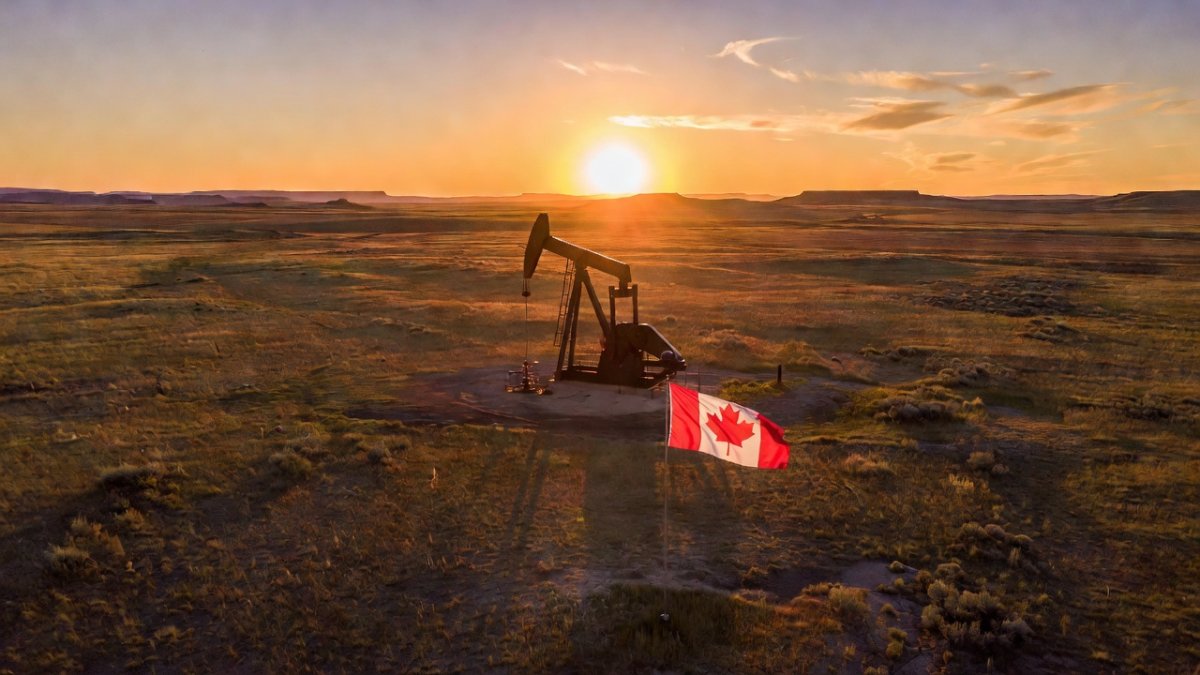
Alberta Separatism Risks U.S. Energy Security Fracture
Edmonton, Canada — With signatures formally submitted on May 4, 2026, Elections Alberta has confirmed the petition meets legal thresholds, setting the stage for a binding vote that could redraw the map of North America.
Petition Clears Verification Hurdle
Elections Alberta officials announced on June 12, 2026, that the citizen-led petition gathered the required 177,000 valid signatures, surpassing the 10 percent threshold of eligible voters. Chief Electoral Officer Glen Resler stated the verification process concluded after cross-checking against provincial rolls, with 12 percent of submissions rejected for duplication or invalid addresses. Canadian Press reported the milestone marks the first time a separation petition has advanced this far since the 1980s. Supporters delivered boxes containing 192,000 signatures to the agency's downtown office on May 4, triggering the automatic referendum timeline under the Citizen Initiative Act.
Premier Smith Confronts Crowds on Canada Day
Premier Danielle Smith addressed more than 8,000 supporters at Edmonton's Legislature grounds on July 1, 2026, acknowledging the petition while urging unity. "Alberta has always been a proud partner in Confederation, but we will not be ignored on energy policy or fiscal transfers," Smith told the crowd, according to Winnipeg Free Press coverage. She stopped short of endorsing separation yet criticized Ottawa's carbon tax and pipeline delays. Smith's remarks came hours after federal officials warned that any referendum would require federal approval under the Clarity Act, raising immediate constitutional questions.
Alberta Forever Canada Launches Counter-Campaign
The Alberta Forever Canada citizen initiative, led by former Calgary mayor Naheed Nenshi, filed its own petition on June 28, 2026, seeking to affirm provincial loyalty to Canada. Organizers claim 65,000 signatures collected in the first month, with events planned across Calgary and Red Deer. Nenshi told Yahoo News Canada the group aims to "remind Albertans that separation would devastate families and businesses." The counter-effort has drawn funding from major energy firms including Cenovus and Suncor, both of which issued statements emphasizing cross-border supply chains with U.S. refineries.
Energy Exports to U.S. Hang in Balance
Alberta produces 4.1 million barrels of oil per day, with 83 percent exported to the United States via pipelines such as Enbridge's Mainline and the Trans Mountain expansion. A separation vote could stall regulatory approvals and financing for future projects, according to data from the Canadian Energy Regulator. U.S. refineries in the Midwest and Gulf Coast rely on heavy crude from the oil sands; any disruption would force higher imports from Venezuela or Saudi Arabia. Trade data shows Alberta-U.S. energy flows reached $92 billion in 2025, underscoring why American policymakers are monitoring the petition closely. The cancellation of the Keystone XL pipeline by President Biden in January 2021 provides a clear historical precedent for how U.S. policy shifts can disrupt Alberta's energy exports, which totaled approximately 3.8 million barrels per day in 2023 according to the Canada Energy Regulator. This decision stranded potential capacity of 830,000 barrels daily and revived echoes of 1990s NAFTA energy proportionality disputes, where Canada faced pressure to maintain export ratios during supply crunches. University of Alberta energy economist Andrew Leach observed that "separation would force Alberta into bilateral renegotiations without Ottawa's leverage, risking a 25 percent immediate export contraction as contracts lapse." Scenario analysis indicates that PADD II Midwest refineries in Illinois and Indiana, including BP's Whiting facility and Marathon's Robinson plant, rely on 1.2 million barrels daily of Alberta heavy crude for their coking units, while PADD III Gulf Coast facilities in Texas and Louisiana process another 800,000 barrels, generating $62 billion in annual cross-border value. Replacement supplies remain constrained: Venezuelan heavy crude faces ongoing U.S. sanctions limiting volumes to under 200,000 barrels daily, Saudi Arabian grades require costly blending adjustments, and domestic shale oil from the Permian is lighter and less compatible with existing refinery configurations. A new Alberta separation constitution would likely invalidate or require re-ratification of existing pipeline contracts with operators like Enbridge and TC Energy under USMCA Chapter 6 energy provisions, exposing shippers to arbitration risks estimated at $15-20 billion by legal analysts at Bennett Jones LLP. These vulnerabilities highlight how separation could amplify existing supply-chain fragilities far beyond immediate referendum outcomes.
Trade Corridors and Border Implications
Separation would complicate the 5,525-mile U.S.-Canada border, particularly at Alberta-Montana crossings handling $14 billion in annual goods. Customs and Border Protection officials in Washington have begun internal scenario planning, sources told Narcity. Agricultural exports from Alberta to states like Washington and North Dakota could face new tariffs or inspection regimes. The potential fracturing of Canada's western provinces also raises questions about NORAD cooperation and joint Arctic defense initiatives that currently integrate Canadian and U.S. forces. Border infrastructure at Sweet Grass-Coutts, Roosville, and the Port of Raymond handles over 70 percent of Alberta's southbound energy and agricultural trade, with Montana Governor Greg Gianforte and North Dakota Governor Doug Burgum issuing joint statements in 2024 emphasizing the need for stable supply chains. An independent Alberta would require fresh USMCA accession talks, potentially delaying market access for 18-24 months and triggering NORAD Arctic sovereignty reviews, as U.S. officials assess impacts on joint continental defense radar networks spanning the 49th parallel. Such shifts would demand rapid diplomatic recalibration to prevent cascading delays in cross-border commerce.
Public Sentiment and Polling Trends
A June 2026 Angus Reid poll showed 34 percent of Albertans support holding a separation referendum, up from 22 percent in 2024. Support climbs to 47 percent among rural respondents and those employed in the energy sector. The story has generated more than 2,000 trending searches across Canadian platforms since the petition verification, reflecting widespread national anxiety. Opposition remains strongest in Edmonton and among younger voters who cite economic uncertainty and loss of federal programs as primary concerns.
Path to Referendum and Legal Hurdles
Under current rules, Elections Alberta must schedule the referendum within 12 months of petition certification. Premier Smith's government could still introduce legislation to delay or modify the question, but legal experts say courts would likely uphold the citizen initiative. Federal Justice Minister David Lametti has signaled Ottawa would invoke the Clarity Act to require a "clear majority" on a "clear question," mirroring the 1998 Supreme Court ruling on Quebec. Any "yes" vote would trigger prolonged negotiations over debt sharing, resource rights, and currency, potentially lasting years.
U.S. Strategic Interests at Stake
American energy security and supply-chain stability depend on predictable Canadian governance. A fractured federation could embolden other regional movements in Saskatchewan or British Columbia, altering continental trade dynamics under the USMCA. State governors in Montana and North Dakota have already requested briefings from the U.S. State Department. For Washington, the Alberta petition is no longer a distant Canadian curiosity but a direct test of whether its northern neighbor can remain a reliable partner in energy, defense, and commerce. State Department diplomatic posture has historically prioritized Canadian territorial integrity, as evidenced by congressional hearings following the 1995 Quebec referendum where the U.S. Senate Foreign Relations Committee affirmed support for federal unity to safeguard $2.6 trillion in bilateral trade. Joint manufacturing sectors, including Ontario's auto assembly plants supplying 1.2 million vehicles annually to U.S. markets and Quebec's aerospace facilities tied to Boeing supply chains, could face tariff disruptions if Alberta separation fragments the integrated North American production base. NATO alliance implications include potential strains on Article 5 commitments, given Canada's role in NORAD and Arctic patrols; past unity crises taught U.S. policymakers that rapid recognition of separatist entities risks precedent-setting instability. Scenario modeling by the Center for Strategic and International Studies projects a 12-15 percent rise in continental energy price volatility if new Alberta trade terms exclude seamless pipeline access, underscoring the strategic imperative for Washington to back negotiated Canadian federal solutions over unilateral independence. These interconnected risks illustrate why U.S. engagement must prioritize stability to avert broader economic and security disruptions across the continent.
By Jessica Ali, Staff Writer
This article was produced with AI-assisted research and editorial support. Reporting is based on sources cited in the article.
What's Your Reaction?
 Like
0
Like
0
 Dislike
0
Dislike
0
 Love
0
Love
0
 Funny
0
Funny
0
 Wow
0
Wow
0
 Sad
0
Sad
0
 Angry
0
Angry
0

Editor-in-Chief at Global1.News. Atlanta-based journalist who cuts through the BS and tells it like it is. Lead anchor, host, and the voice you hear when the spin stops and the truth starts.














Comments (0)