
Gulf of Paria Spill Sparks Fresh Diplomatic Strain Between Neighbours
Venezuela has demanded compensation from Trinidad and Tobago over a May 1 oil spill in the Gulf of Paria, claiming serious environmental damage to Sucre and Delta Amacuro states. Port of Spain disputes the scale, describing a 10-barrel spill at Heritage Petroleum's Main Soldado field that was quickly contained. The dispute tests Trinidad-Venezuela relations and cross-border energy projects.
The Facts of the Spill
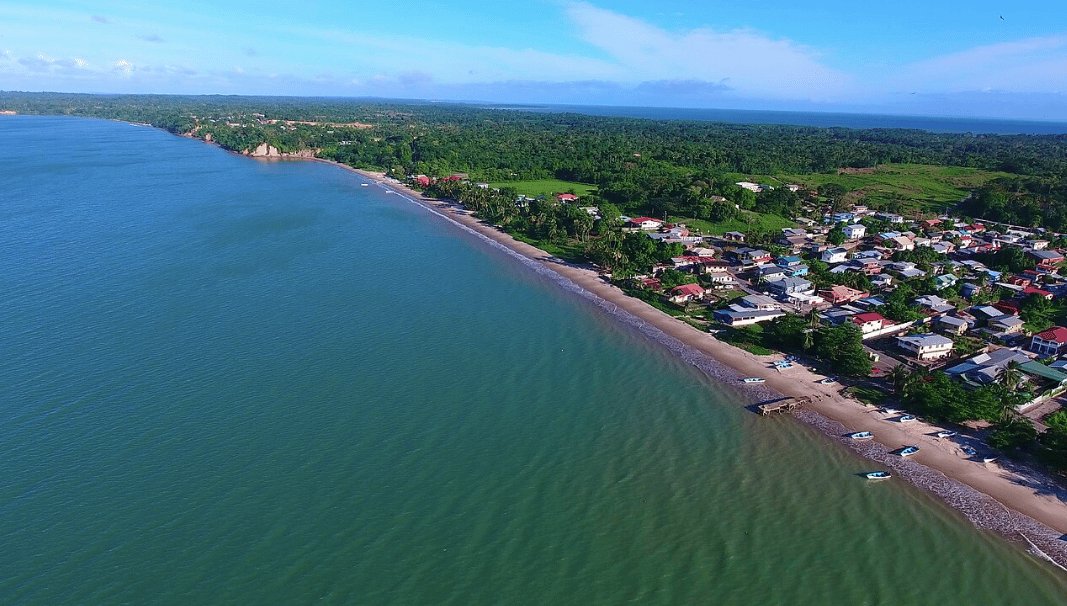
Heritage Petroleum reported a spill at its Main Soldado field offshore Trinidad on May 1, 2026. The company described the release as roughly 10 barrels that was quickly contained within its operational area. Trinidad and Tobago authorities deployed the Air Guard, Coast Guard and drones to monitor the site and requested precise coordinates from Venezuelan counterparts to verify any wider movement. The incident remained undisclosed publicly until after Caracas raised concerns.
Heritage Petroleum, formed in 2018 after the restructuring of Petrotrin, has managed the Main Soldado field since taking over operations in the Gulf of Paria. The field, located roughly 15 kilometres off the southwest coast near Point Fortin, produces around 8,000 barrels of oil daily from platforms installed in the 1950s and upgraded in the 1990s. Local engineers often speak of the ageing infrastructure that still supports hundreds of jobs in the energy sector, with crews rotating from Cedros and La Brea. Production figures from the Ministry of Energy show the field contributed nearly TT$1.2 billion in revenue last year, underscoring its importance to national coffers amid fluctuating global prices.
The spill was first detected by platform sensors at 04:15 on 1 May 2026, prompting an immediate shutdown of the affected well. Within four hours, response vessels from Heritage’s fleet had deployed booms, while the Air Guard conducted aerial surveys by midday. Trinidad and Tobago’s disclosure delay mirrors earlier incidents, such as the unreported 2019 leak at the same field that only surfaced after fisherfolk complaints reached the media. Officials cited the need for verification before public release, a practice that has drawn criticism from environmental groups in the south who argue communities deserve earlier warnings.
Competing Claims Over Responsibility
Venezuela’s Foreign Minister Yvan Gil formally demanded information and compensation on May 19, 2026. Caracas maintains the spill originated in Trinidadian waters and affected up to 1,625 square kilometres across Sucre and Delta Amacuro states. Port of Spain strongly disputes the scale, insisting the release stayed minor and localised. Both nations share a maritime boundary in the Gulf of Paria, making any cross-border movement a matter of joint concern rather than distant accusation.
Venezuelan Foreign Minister Yvan Gil held a televised press conference in Caracas on 19 May 2026, demanding full compensation and joint monitoring access. He cited satellite imagery showing oil sheen extending into Sucre state waters and insisted on reparations covering affected fishing zones in Delta Amacuro. The 1,625 square kilometres figure represents an area larger than the entire island of Tobago, highlighting how even modest releases can spread under prevailing currents in the shallow gulf. Caracas framed the incident as a threat to its coastal communities already struggling with economic hardship.
Trinidad and Tobago’s Energy Minister Stuart Young responded the following day, stating that all available data pointed to containment within the Main Soldado operational zone and calling for precise Venezuelan coordinates to allow independent verification. Historical tensions over Gulf resources date back to the 1970s when both nations disputed fishing rights and later the 1990s maritime delimitation talks under UNCLOS. Earlier disputes, including a 2002 standoff over seismic surveys, were resolved through quiet diplomacy, yet they left lingering mistrust that resurfaces whenever pollution crosses the invisible line.
Environmental Stakes in the Shared Gulf
The Gulf of Paria supports extensive mangroves and vital fishing grounds for communities on both sides. Small island developing states like Trinidad and Tobago already face rising sea levels and changing ocean patterns that threaten coastal livelihoods. A spill, even one limited to 10 barrels, raises worries about long-term effects on fish stocks and the delicate brackish ecosystem that sustains families from Point Fortin to the Venezuelan coast. Local fishers in Trinidad have long voiced fears that any pollution adds pressure to already strained household budgets amid regional inflation.
The Gulf of Paria harbours over 40,000 hectares of mangrove forests that act as nurseries for species such as red snapper, tarpon and shrimp, supporting biodiversity vital to both nations. These wetlands filter pollutants and buffer against storms, yet they face mounting pressure from industrial activity. Fishing industries on the Trinidad side generate approximately TT$180 million annually, while Venezuelan communities in Sucre report similar dependence, with thousands of households relying on daily catches sold at local markets. A single spill, however small, can disrupt breeding cycles for months.
Previous incidents, including the 2024 oil spill off Tobago that affected 12 kilometres of coastline, demonstrated how quickly pollutants reach fishing grounds and damage livelihoods. Climate change compounds these risks for small island developing states, with rising sea temperatures already reducing fish stocks by an estimated 15 percent in the southern Caribbean over the past decade. In Point Fortin, La Brea and Cedros, families have reported smaller hauls and higher fuel costs, forcing many to seek alternative work in construction or remittances from relatives abroad.
Implications for Trinidad-Venezuela Relations
Diplomatic exchanges between Port of Spain and Caracas have grown cautious since the complaint. Energy Minister Stuart Young has emphasised the need for verified data before any further steps. The episode tests the shared boundary arrangements that both countries have worked to maintain. CARICOM partners watch closely, aware that stable ties between Trinidad and Tobago and Venezuela influence wider regional cooperation on migration, trade and security.
Diplomatic ties between Port of Spain and Caracas have oscillated since the 1960s, shaped by shared cultural links and energy interests. The 1990 maritime boundary agreement under UNCLOS established joint management zones, yet enforcement remains patchy. CARICOM has offered mediation in past disputes, providing a neutral platform that helped de-escalate tensions during the 2010s migration surge when over 40,000 Venezuelans arrived in Trinidad. This latest episode tests those mechanisms once more.
Migration patterns continue to influence relations, with many Venezuelan families now integrated into southern Trinidad communities, contributing to local markets while sending support home. Any prolonged disagreement over the spill could strain these human connections and affect broader cooperation on security and trade. Geopolitically, the incident draws attention from larger powers watching Caribbean energy routes, reminding neighbours that stable bilateral ties remain essential for regional stability.
The Energy Dimension and Cross-Border Projects
Heritage Petroleum operates the Main Soldado field as Trinidad and Tobago’s state-owned energy company. The spill arrives while both nations explore cross-border gas development, including the bp Loran initiative. Energy Minister Stuart Young has highlighted the economic importance of these projects for jobs and revenue. Any prolonged disagreement risks slowing momentum on joint ventures that could ease cost-of-living pressures through steadier gas supplies and related investment.
The bp Loran gas field, straddling the maritime boundary, forms part of a wider initiative that includes the Dragon gas project aimed at supplying Trinidad’s LNG plants. Heritage Petroleum plays a central role in these ventures, managing state interests and ensuring local content requirements that create jobs in engineering and logistics. The energy sector accounts for roughly 35 percent of Trinidad and Tobago’s GDP and employs over 20,000 people directly, many from coastal villages.
Tension from the spill risks undermining investor confidence in these cross-border schemes, as companies weigh political uncertainty against potential returns. Energy Minister Stuart Young has repeatedly stressed that steady gas supplies could ease household electricity costs, yet delays in joint approvals may push timelines back by years. Communities in the south watch closely, knowing that reliable energy projects often bring infrastructure improvements alongside employment.
Regional Context and Community Concerns
Trinidadian fishing villages along the Gulf coast depend on clean waters for daily catches that feed families and supply markets. Similar communities in Venezuela face parallel challenges. Climate change already stresses these small-scale operations through warmer waters and stronger storms. The current dispute underscores how environmental incidents in shared spaces can quickly touch household economies across the Caribbean basin.
Fishing families in Trinidad’s southwest report average daily catches worth TT$800 to TT$1,200 per boat, yet these figures have declined steadily as pollution and warmer waters alter marine patterns. Similar pressures affect Venezuelan fishers across the gulf, where market prices for fresh catch have risen 20 percent in the past year. Parallel challenges appear throughout the Caribbean, from oil incidents in Guyana to sargassum blooms in Barbados, all underscoring how shared waters link distant communities.
Cost-of-living pressures intensify when fisheries suffer, forcing households to spend more on imported protein. Caribbean small island developing states remain especially vulnerable to such incidents because their economies depend heavily on marine resources and tourism. Residents in Cedros and La Brea often gather at community centres to discuss these threats, sharing stories of grandparents who fished the same waters and calling for stronger regional protocols.
What Happens Next
Trinidad and Tobago continues to seek detailed coordinates from Venezuela to complete its assessment. Officials on both sides have signalled willingness to discuss technical findings, though no firm timeline for joint inspections has been confirmed. Heritage Petroleum maintains its containment measures remain in place while further monitoring proceeds. The episode serves as a reminder that the Gulf of Paria’s health requires ongoing cooperation between neighbours who share its waters and its future.
Escalation paths include referral to the International Court of Justice if technical talks stall, though both governments prefer CARICOM-mediated dialogue to preserve neighbourly relations. Should Venezuela share coordinates promptly, joint assessments could begin within weeks, allowing scientists from the University of the West Indies and Venezuelan institutes to sample sediments together. Lessons from this episode may encourage other Caribbean nations to establish standing environmental response teams for shared maritime zones.
Readers in Trinidad can follow updates through the Ministry of Energy website and local radio stations in the south that broadcast fishing advisories. Community groups in Point Fortin continue to organise clean-up training sessions, reminding everyone that the gulf’s future depends on collective vigilance and honest cooperation between the two nations that call its shores home.
By Sharon Sahatoo, Staff WriterThis article was produced with AI-assisted research and editorial support. Reporting is based on sources cited in the article.
What's Your Reaction?
 Like
0
Like
0
 Dislike
0
Dislike
0
 Love
0
Love
0
 Funny
0
Funny
0
 Wow
0
Wow
0
 Sad
0
Sad
0
 Angry
0
Angry
0

Caribbean Correspondent at Global1.News. Based in Port of Spain, Trinidad, covering Caribbean politics, economy, energy, climate, and culture. Amplifying the voices and stories of the Caribbean region.








Comments (0)