
China's Glycerin Enema Fad Threatens Indian Health
A dangerous new weight-loss fad originating on Chinese platforms like Douyin and Weibo is rapidly crossing borders into India, where users are ingesting glycerin enema solutions mixed with tea in pursuit of rapid results. This practice, promoted through viral short videos, triggers severe dehydration and electrolyte imbalances rather than genuine fat loss, leading to hospital admissions.
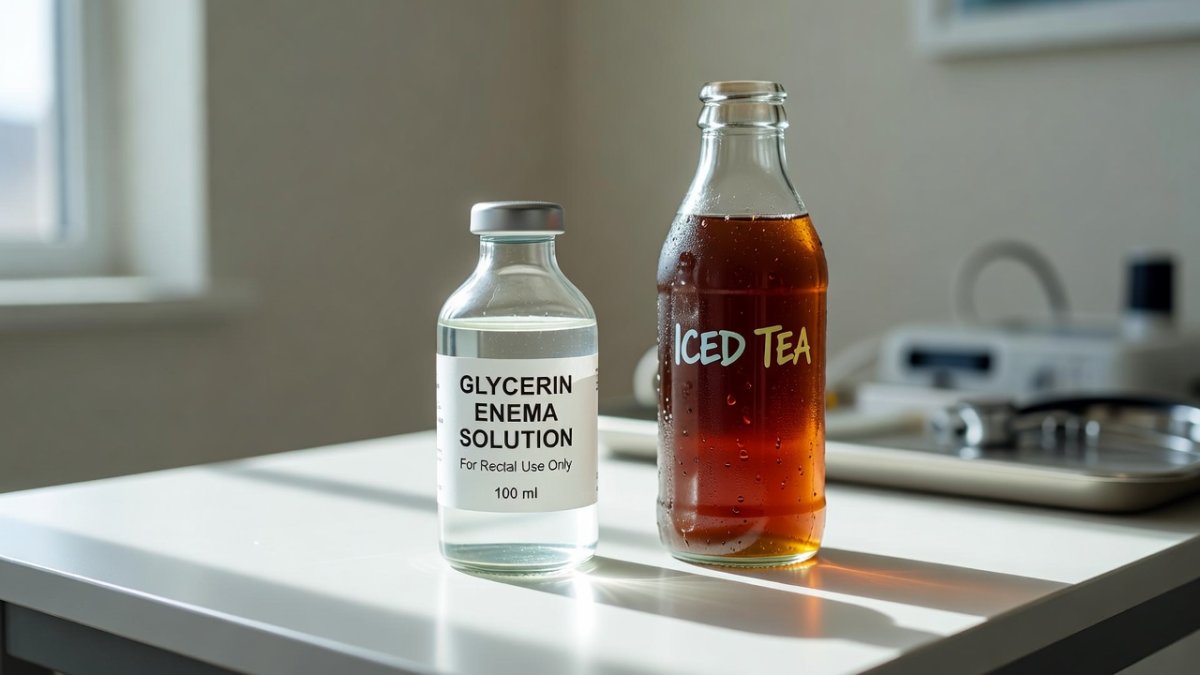
A dangerous new weight-loss fad originating on Chinese platforms like Douyin and Weibo is rapidly crossing borders into India, where users are ingesting glycerin enema solutions mixed with tea in pursuit of rapid results. This practice, promoted through viral short videos, triggers severe dehydration and electrolyte imbalances rather than genuine fat loss, leading to hospital admissions. With India’s overweight population already at 24 percent of women and 23 percent of men per National Family Health Survey-5 data, the trend exposes critical gaps in digital health regulation.
China’s Glycerin Enema Fad Threatens Indian Health
New Delhi, India – July 25, 2026 — Chinese social-media influencers are promoting the ingestion of glycerin enema solution mixed with sugar-free tea as a shortcut to lose up to 4 kg in two days, a practice now appearing among Indian users on Instagram, YouTube and ShareChat.
What the Viral Trend Is
Chinese influencers on Douyin and Weibo have amplified the trend through short-form videos that rack up tens of millions of views within days, often featuring young female creators aged 18-35 demonstrating the mixture in sleek home settings. These clips target followers struggling with post-pandemic weight gain. The content spreads rapidly among demographics seeking visible results before social events or fitness challenges. The practice involves mixing two bottles of glycerin enema solution with sugar-free bottled tea, claimed to produce up to 4kg weight loss in two days. The mixture triggers immediate and repeated bowel movements through oral ingestion of a product designed exclusively for rectal administration.
Why It Is Dangerous
Glycerin enemas stimulate bowel contractions and draw water into the colon when used rectally. When swallowed, the solution causes explosive diarrhoea, severe dehydration, electrolyte imbalance and vomiting. Multiple users across Chinese cities required hospital treatment for these effects. Scientifically, glycerin enemas function as hyperosmotic agents that draw water into the rectal mucosa to soften stool, a mechanism strictly calibrated for localized rectal delivery. Oral ingestion floods the gastrointestinal tract with an irritant solution never formulated for the stomach or small intestine. The touted 4kg loss in two days primarily reflects acute water expulsion and temporary glycogen depletion rather than adipose tissue reduction. Swallowing glycerin enema solution risks severe hypokalemia as repeated diarrhea depletes potassium stores, paving the way for cardiac arrhythmias and muscle weakness. Dehydration further strains renal function, leading to acute kidney injury. In India, similar laxative misuse has contributed to rising hospitalizations, with studies from Mumbai and Delhi reporting hundreds of annual cases linked to unregulated detox products. National data indicates a 15-20% uptick in electrolyte-related admissions among young adults experimenting with social media fads.
How It Spread on Chinese Social Media
The Douyin and Weibo algorithms accelerate dangerous health trends by prioritising content with extreme before-and-after visuals that generate rapid likes, shares and comments. This engagement loop rewards shock value: a single video claiming rapid weight loss can reach tens of millions of views within days. Platform algorithms amplify such content before moderation catches up; even after South China Morning Post reported hospital admissions on 25 July 2026, Douyin removed only a fraction of flagged videos while Weibo issued generic warnings rather than account suspensions.
China’s 2025 health claims law mandated pre-approval for medical assertions, yet enforcement has proven inconsistent. The same mechanics now appear on Indian platforms. ShareChat and YouTube Shorts replicate the loop through regional-language reels promising “Bengali belly fat cure” or “Mumbai model secret,” while Instagram Reels push similar content to 18–34-year-old users. Economic incentives compound the risk: creators earn significant ad revenue from viral clips, encouraging repetition of unverified claims across platforms.
The India Connection
Indian users on Instagram, ShareChat and YouTube have mirrored the Chinese trend by promoting variants such as green tea infusions with lemon or garcinia cambogia supplements, often endorsed by micro-influencers promising similar rapid results. National Family Health Survey-5 data shows 24 percent of women and 23 percent of men are already overweight or obese, fueling demand for accessible hacks. Urban youth in Bangalore and Hyderabad face heightened body image pressures amplified by social media algorithms. The Ministry of Health has repeatedly cautioned against unverified social media health claims, noting their potential to mislead consumers on efficacy and safety.
India's Weight Loss Market and Regulation Gap
India’s $10 billion weight-loss and wellness sector thrives on influencer-driven promotions, yet FSSAI and MoHFW advisories lack teeth due to absent pre-approval requirements for health claims on digital platforms. The Advertising Standards Council of India's guidelines rely on post-complaint enforcement. In contrast, China's 2025 regulations mandate verification for social media health assertions, imposing fines and content removals that India could emulate.
What Indian Health Authorities Should Do
The Ministry of Health and Family Welfare, ICMR and FSSAI should establish real-time monitoring dashboards that scan health-related hashtags across major platforms daily, triggering automatic alerts when view counts exceed 500,000 without verified backing. Pre-certification of health claims in advertisements, modelled on Australia’s Therapeutic Goods Administration, would require FSSAI clearance before any paid promotion appears. A joint task force with MeitY could mandate algorithmic transparency reports from platforms operating in India, with penalties scaled to ad revenue generated from non-compliant content.
AIIMS and state medical councils must issue monthly public advisories through All India Radio and regional television, citing specific case data such as the 2025 Kerala hospital cluster linked to unregulated “detox teas.” Integration of digital health literacy into NCERT and CBSE curricula from Class 8 onward would equip students to recognise red flags like “no effort required” promises. India can move faster than the trend’s spread: a coordinated alert within 10 days, followed by platform compliance audits in 30 days, mirrors the rapid response that contained the 2024 steroid-cream misuse campaign in Tamil Nadu, whereas delays beyond six weeks allow exponential reach through Shorts and Reels.
Health Literacy and Social Media Responsibility
Low health literacy leaves many citizens vulnerable to quick-fix promises that ignore long-term metabolic and kidney risks. Drinking glycerin enema solution mixed with tea offers no safe path to weight loss and directly harms the body.
The Bottom Line
Viral weight-loss trends that bypass diet and exercise carry documented risks of electrolyte imbalance, cardiac strain and hospitalisation, as seen in the Chinese cases. Regulatory gaps in both China and India allow algorithms to monetise misinformation before authorities intervene, leaving citizens exposed to content optimised for views rather than safety.
Indian users should treat any claim promising rapid results without lifestyle change as a warning sign, cross-check against ICMR or FSSAI portals, and avoid products lacking batch numbers or medical endorsements. Safe weight management remains anchored in evidence-based calorie control, 150 minutes of weekly moderate activity and physician-supervised monitoring for those with comorbidities.
Policy action must combine pre-certification of health claims, algorithmic audits and curriculum reform to close the gap between trend velocity and regulatory response. Without these steps, platforms will continue prioritising engagement over public health, repeating the cycle observed across borders.
— By Dr. Raj Patel, Staff WriterThis article was produced with AI-assisted research and editorial support. Reporting is based on sources cited in the article.
What's Your Reaction?
 Like
0
Like
0
 Dislike
0
Dislike
0
 Love
0
Love
0
 Funny
0
Funny
0
 Wow
0
Wow
0
 Sad
0
Sad
0
 Angry
0
Angry
0

India/South Asia Correspondent at Global1.News. Analytical voice with a background in science and health journalism. Based in New Delhi, covering Indian politics, education, healthcare, technology, and policy. Breaks down complex data into clear, actionable reporting.















Comments (0)