
US Treasury Takes Record Action Against CJNG Cartel
The Record-Breaking Sanctions Hit CJNG Hard On July 24 2026 the US Treasury's Office of Foreign Assets Control announced sanctions against 39 individuals and 16 companies connected to the Jalisco New Generation Cartel. This marks the largest single action ever taken against the group by US authorities. The measures freeze assets and block US persons from dealing with those named, striking at the cartel's ability to move money from drug sales.
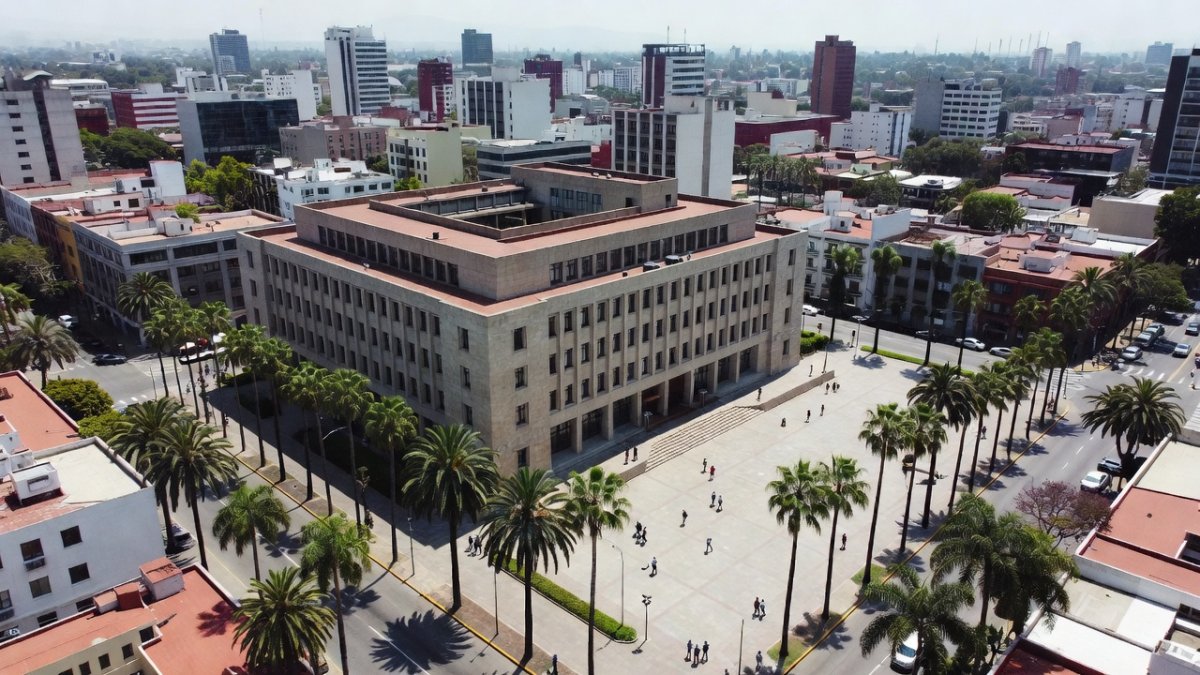
The Record-Breaking Sanctions Hit CJNG Hard
On July 24 2026 the US Treasury's Office of Foreign Assets Control announced sanctions against 39 individuals and 16 companies connected to the Jalisco New Generation Cartel. This marks the largest single action ever taken against the group by US authorities. The measures freeze assets and block US persons from dealing with those named, striking at the cartel's ability to move money from drug sales. President Sheinbaum's government worked closely with US officials on the package, with Mexico's Financial Intelligence Unit filing a criminal complaint with the FGR for money laundering and adding the sanctioned names to its Blocked Persons List.
In the colonias of Guadalajara and the rural ejidos around Puerto Vallarta, families watched cartel-linked businesses like Petrocoda gas stations suddenly halt operations after the freezes. Small tianguis vendors who once paid cuotas now report a brief easing of demands, allowing them to keep more earnings from selling fresh produce and handmade goods. The sanctions also cover companies such as Casa Tequilera El Origen del Tequila, an agave and spirits firm that allegedly helped launder proceeds from fentanyl, cocaine, and methamphetamine produced in clandestine labs in Jalisco and Zacatecas.
The CJNG rose from splinter groups in the 2010s under El Mencho's leadership, turning Jalisco into a hub for fentanyl labs that supplied much of the US market. By 2025 the group controlled routes through Zacatecas and Michoacan, using construction firms and agave operations to hide profits. President Sheinbaum's approach pairs financial pressure with expanded social programs, while Guardia Nacional checkpoints near production sites help protect campesinos growing legal crops.
Key Figures Named in the Treasury Action
Among those sanctioned is Juan Carlos Gonzalez, known as "El Pelón" or "Pelon," the stepson of the late CJNG leader Nemesio Oseguera, called El Mencho. Gonzalez was born on September 12 1984 in Santa Ana, California, and holds dual US-Mexican nationality. The US State Department offers a five-million-dollar reward for information leading to his arrest and conviction. He managed key fentanyl routes from his base in Jalisco before the sanctions froze his US assets, with his network extending into Nayarit where local families saw increased violence after El Mencho's February 2026 death.
Gonzalo Mendoza Gaytan, called El Sapo, oversaw money laundering through furniture companies in Michoacan, employing dozens of workers who now face unpaid wages. Julio Alberto Castillo Rodriguez, known as El Tarjetas, handled regional finances in Guerrero using agricultural fronts that distorted local markets for legal farmers. Jose Octaviano Garcia Martinez operated from Florencia, Zacatecas, where his construction firms employed local men balancing cartel work with raising families. Treasury Secretary Scott Bessent stated that the action strikes CJNG's leadership, financiers, and criminal networks, denying the cartel resources used to traffic fentanyl and terrorize communities.
El Mencho was killed in a police operation in February 2026 after being injured and captured; he died en route to the hospital. The sanctions build on the earlier Trump administration designation of CJNG as a foreign terrorist organization in February 2025. The network once headed by Audias Flores Silva, known as El Jardinero, continues operating after his April 2026 arrest, with operations spanning Jalisco, Nayarit, Michoacan, Guerrero, and Zacatecas.
Violence That Followed El Mencho's Death
After El Mencho's death, more than 70 people died in related violence, including 25 National Guard members. The cartel responded by setting up blockades and setting fire to vehicles in 20 of Mexico's 32 states. These events touched rural roads and highways that connect ejidos and comunidades indígenas to larger towns, stranding teachers and patients for weeks.
The ultra-violent paramilitary tactics of CJNG, including extortion and global drug trafficking, have long disrupted daily life in western Mexico. Families in pueblos mágicos near production sites live with constant uncertainty about when the next clash will occur, while small farmers who grow legal crops alongside agave fields worry about being caught between rival groups fighting for territory.
Coordination Between Mexico and the United States
Mexico's UIF and the US Treasury shared information that led to the simultaneous account freezes. This cooperation reflects ongoing work between the Sheinbaum administration and US agencies to disrupt the financial backbone of the cartel, with SEDENA and Guardia Nacional operations on the ground complementing the financial measures. State governments in Jalisco and Zacatecas are monitoring how the sanctions affect local economies.
Municipal authorities note that legitimate businesses sometimes get caught in the crossfire when banking services slow down. Yet the shared goal remains protecting communities from the fentanyl that reaches both Mexican and American streets. CON EVAL data on poverty in rural zones shows how cartel money can distort local markets, and when sanctions limit that flow, some families hope for safer conditions to sell produce at tianguis or run small stores without paying cuotas.
Impact on Families Across Western Mexico
Campesinos and maquiladora workers in the region carry the heaviest burden when cartel activity rises. Children grow up seeing blockades instead of normal school days, and indigenous communities in Michoacan and Guerrero have lost members to the violence that followed El Mencho's death. Campesinos in the hills of Jalisco describe how cartel money once bought silence but also brought deadly clashes to their ejidos.
After the sanctions, some tianguis vendors in Zacatecas report selling more goods without paying protection fees, though they still watch for signs of retaliation. Teachers in pueblos mágicos near Michoacan production sites recall students missing weeks of classes during the February 2026 blockades. Healthcare workers at ISSSTE facilities in Nayarit treated dozens injured in the resulting clashes, including National Guard members.
Maquiladora workers in Guadalajara colonias often balanced factory jobs with side work tied to sanctioned firms, creating economic dependence that the freezes now disrupt. Small business owners in rural Zacatecas note that frozen accounts at sanctioned tequila firms have slowed payments to suppliers, yet many say the trade-off feels worthwhile compared to the certainty of extortion that has long plagued their colonias.
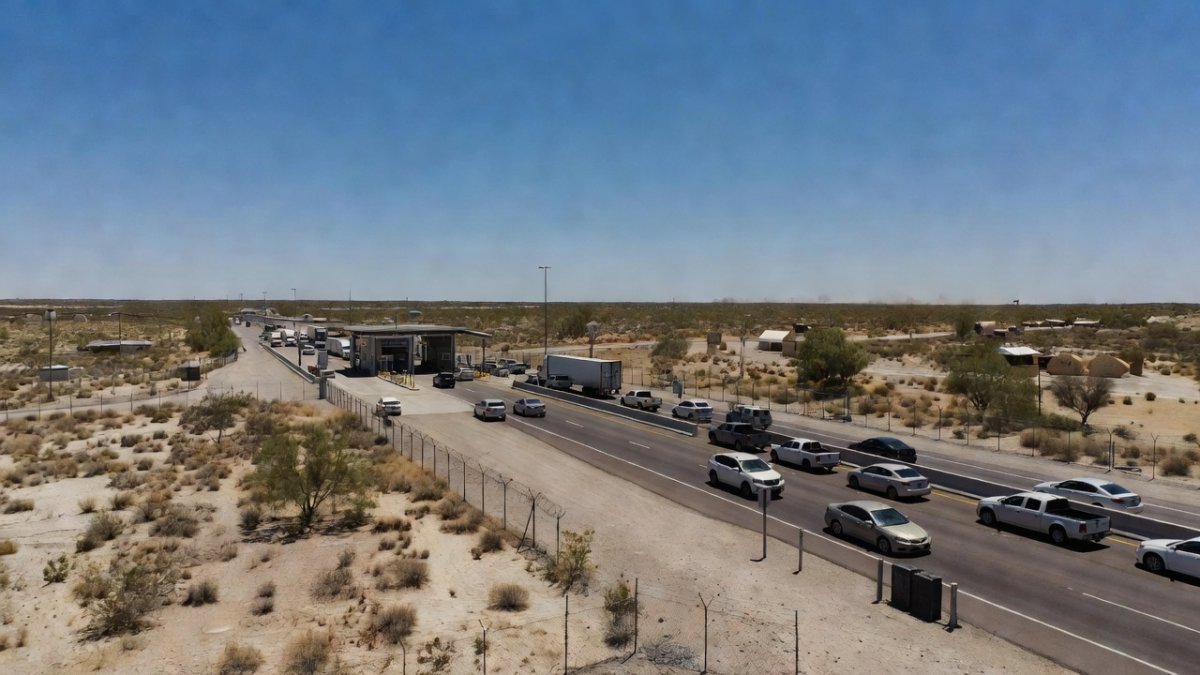
Paths Forward for Affected Communities
President Sheinbaum has emphasized that financial measures must pair with social programs that reach the most vulnerable. In states like Nayarit and Guerrero, families look to expanded support from federal programs to replace any income once tied to cartel-linked work. She has called for pairing sanctions with federal programs that support ejido farmers transitioning away from cartel influence in Jalisco and Nayarit.
Local leaders in Zacatecas push for more Guardia Nacional presence to protect tianguis vendors rebuilding their stalls without fear. Teachers in affected colonias continue holding classes despite past disruptions, using mañanera updates to explain how financial measures target the roots of violence. SEDENA and SEMAR operations complement the Treasury action by securing roads once blocked during cartel responses, allowing campesinos to reach markets safely.
Healthcare workers at rural clinics report families seeking care without the shadow of extortion payments, a change they link to the coordinated freezes. As cross-border ties strengthen, communities in western Mexico look toward programs that build on this momentum, fostering safer environments where children can grow up free from the cycle of cartel violence. Residents in pueblos mágicos express quiet optimism that sustained pressure will open paths to stronger local businesses and fewer threats to daily life.
Tags: US sanctions CJNG, Jalisco New Generation Cartel, fentanyl trafficking Mexico, OFAC sanctions 2026, Sheinbaum administration, UIF blocked persons, El Mencho death, Mexican communities impact
By Rosa Martinez, Staff Writer
This article was produced with AI-assisted research and editorial support. Reporting is based on sources cited in the article.
What's Your Reaction?
 Like
0
Like
0
 Dislike
0
Dislike
0
 Love
0
Love
0
 Funny
0
Funny
0
 Wow
0
Wow
0
 Sad
0
Sad
0
 Angry
0
Angry
0
Latin America/Andes Correspondent at Global1.News. Based in Bogota, covering politics, environment, energy, and social movements across the Andean region. Passionate about environmental journalism and communities protecting their land.











Comments (0)