
Amazon Oil Drilling vs. Conservation: Lula's Balancing Act
President Luiz Inácio Lula da Silva’s approval of controversial oil drilling at Foz do Amazonas has ignited fierce debate, pitting his administration’s energy ambitions against its conservation record even as new data shows the Amazon’s burned area plummeting to a historic low of 3.1 million hectares last year.
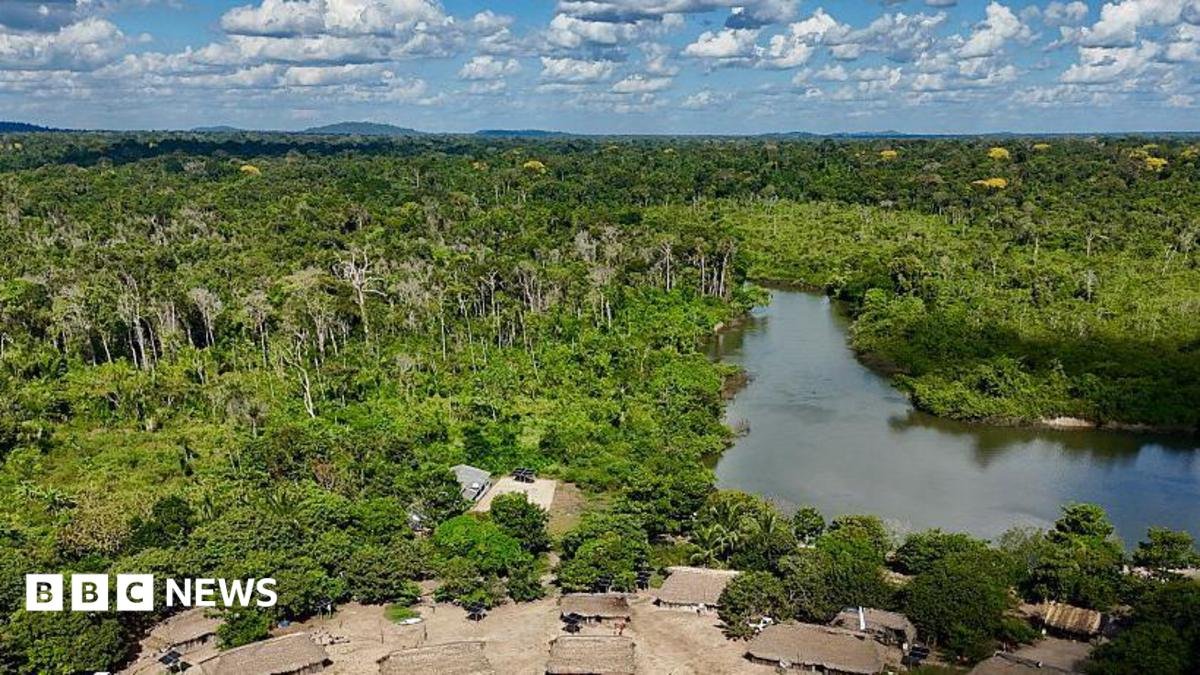
Brasília, Brazil — The latest findings from monitoring efforts underscore both progress and the need for sustained vigilance in protecting one of the planet's most critical ecosystems.
Sharp Drop in Burned Territory Across the Amazon
The area burned in Brazil's Amazon last year reached just 3.1 million hectares, a striking reduction from the 15.8 million hectares recorded in 2024, according to data compiled by the deforestation monitoring group MapBiomas. This marks the smallest burned area since MapBiomas began tracking such figures in 1985. Across all of Brazil, the total fell to around 12.7 million hectares from 30 million the previous year. These numbers reflect a broad easing of fire activity that affected not only remote forest zones but also regions tied to daily life for millions of Brazilians who rely on the forest for water cycles and economic stability.
MapBiomas researchers noted that the decline covered the entire country, with the Amazon showing the most pronounced improvement. The figures stand in contrast to the record high of 30.7 million hectares burned nationwide in 2007. Local communities in states such as Amazonas and Acre have felt the difference, as fewer fires mean reduced smoke that disrupts schools, health services, and small-scale farming operations common throughout the region.
Role of Weather Patterns in the Improvement
The drop partly stems from cooler La Niña conditions that replaced the warmer El Niño phase responsible for much of the extreme fire activity in 2024, as noted by the Copernicus Climate Change Service. El Niño events push global temperatures higher and can lengthen dry seasons, raising fire risks in tropical zones. MapBiomas warned that a return of El Niño patterns could extend dry periods this year and heighten the chance of renewed outbreaks.
The contrast between 3.1 million hectares burned last year and the 15.8 million recorded in 2024 tells a story of relief that reaches far beyond statistics, especially for families along the Tapajós and Xingu rivers who watched smoke choke their schools and clinics just twelve months earlier. MapBiomas data shows this 31 percent drop below the historical average stems largely from the lowest fire count in the Amazon in 41 years, a shift that eases pressure on the forest’s role as Brazil’s natural air conditioner and water regulator. Vera Arruda’s measured words at IPAM remind us that one good year cannot yet be called a trend, yet they also carry quiet hope that sustained enforcement can turn temporary gains into lasting protection for the communities who live inside the forest’s rhythms.
For conservation policy, these numbers arrive at a pivotal moment, proving that when federal resources flow toward monitoring and indigenous territories receive real support, the Amazon responds. Brazilian policymakers now face a clear choice: lock in this progress with permanent funding for brigades and satellite alerts, or risk watching the next dry spell erase the advantage. The data strengthens Lula’s hand in international climate talks while underscoring that Amazon health directly shapes rainfall for soybean fields in Mato Grosso and coffee plantations in Minas Gerais alike.
La Niña’s cooler waters helped tame the fires that El Niño had fueled across the basin in 2024, according to Copernicus data showing reduced temperature anomalies and shorter dry spells last season. Still, scientists at Brazil’s National Institute for Space Research warn that a possible return of El Niño this year could extend the dry window from July through October, raising the risk of renewed outbreaks in already stressed areas of southern Pará and northern Mato Grosso. The same pattern has already driven record fires in Bolivia’s Chiquitano forest and across parts of Paraguay and Colombia, illustrating how one country’s forest management ripples across the continent.
These climate swings tie directly to daily life for Brazilian farmers who depend on the Amazon’s flying rivers to water crops as far south as Rio Grande do Sul. Without continued prevention on the ground, even favorable La Niña years offer only brief respite. The 2025 improvement therefore serves as both celebration and caution, reminding us that active stewardship, not weather alone, will decide whether the forest continues to shield our continent from intensifying heat and erratic rains.
Similar climate swings affect other parts of Latin America, where countries like Bolivia and Peru have also battled expanded fire seasons in recent years. The Amazon's response to these oscillations influences rainfall that supports crops in Argentina and Uruguay, tying Brazil's forest management directly to food security across the continent. While the 2025 relief offers breathing room, experts stress that natural weather cycles alone cannot replace active prevention measures on the ground.
Policy Contrasts Between Lula and Bolsonaro Eras
President Luiz Inácio Lula da Silva made protecting the Amazon a central pledge during his campaign four years ago, promising to reverse the deforestation surge seen under his predecessor, Jair Bolsonaro. During Bolsonaro's term, tree loss in the Amazon rose by 75 percent three years into his four-year presidency, as policies favored expanded farming and mining to address regional poverty. Lula, upon taking office on 1 January 2023, declared that the goal was zero deforestation in the Amazon, a stance welcomed by environmental groups at the time.
Bolsonaro maintained that greater economic activity in the forest would lift living standards for residents in northern states. Lula's administration has prioritized enforcement and monitoring, contributing to the current reduction in burned areas. This policy turn aligns with broader Latin American debates, where governments in Colombia and Ecuador weigh similar tensions between resource extraction and forest preservation amid pressure from international markets.
Persistent Criticisms and the Oil Exploration Debate
Despite the positive 2025 numbers, Lula faces ongoing criticism for approving oil exploration at the mouth of the Amazon river, a move activists argue contradicts his protection commitments. Environmental organizations contend that such projects risk new pressures on coastal ecosystems connected to the wider rainforest basin. The decision highlights the difficult balance between energy needs and conservation in a country where fossil fuel revenues support public programs in cities like Rio de Janeiro and São Paulo. Groups including Greenpeace Brazil and the Socio-Environmental Institute (ISA) have mounted vocal opposition to the Foz do Amazonas project, citing risks to biodiversity and climate goals. The approval came after a contentious process at Ibama, where regulators initially flagged concerns over environmental impact assessments before ultimately granting clearance under pressure from energy ministry priorities. Riverine communities along the northern coast have expressed alarm that any spill could devastate vital mangroves, threatening fishing livelihoods and the delicate interface between river and forest ecosystems.
Bolsonaro’s 75 percent surge in deforestation three years into his term left deep scars on the forest and on Brazil’s global reputation, as loosened rules invited miners and loggers deeper into protected zones. Lula’s zero-deforestation pledge, announced on his first day back in office, reversed that tide through stronger Ibama operations and renewed cooperation with state governments. Yet the decision to green-light oil exploration at Foz do Amazonas has drawn sharp criticism from scientists and riverine communities who fear spills could reach the same mangroves that buffer the rainforest basin from Atlantic storms.
With elections in October, these policy contrasts will shape voter sentiment from Belém to São Paulo. Supporters praise Lula for restoring Brazil’s environmental credibility and attracting green investment, while opponents argue that energy development must not be sacrificed. The tension reveals a broader Latin American dilemma: how to honor climate commitments without abandoning the revenue that funds schools and hospitals in the north.
Critics point out that true progress requires consistent alignment across all sectors, from agriculture in the cerrado to energy planning along the northern coast. This tension mirrors challenges in other Latin American nations, where governments seek development funds while facing calls to safeguard biodiversity hotspots that benefit the global climate system.
Expert Views on Sustainability and Next Steps
Vera Arruda, a researcher at the Amazon Environmental Research Institute (IPAM) and co-ordinator at MapBiomas, described the 2025 figures as significant proof that burned areas can be reduced. She stated, "The 2025 figures are significant and show that it is possible to reduce the burned area in the country. The 31% drop compared to the historical average - driven primarily by the lowest number of fires recorded in the Amazon in 41 years - is positive news, but it does not yet allow us to conclude that this is an established trend or to scale back prevention efforts."
Arruda's assessment emphasizes that one year's improvement does not guarantee long-term results without continued investment in monitoring and community involvement. In Brazil's northern regions, where indigenous groups and small farmers depend on stable forest conditions, such efforts directly affect daily resilience against climate variability seen across South America.
Broader Stakes for Latin America and Global Climate
Tropical rainforests like the Amazon absorb large amounts of carbon dioxide and support millions of species, yet decades of land clearance for agriculture and logging have increased their vulnerability. The 2024 fires, linked by the Copernicus Climate Change Service to climate extremes combined with human activity, demonstrated how quickly conditions can deteriorate. The 2025 turnaround provides evidence that policy focus can counteract some of those pressures.
Outcomes in Brazil influence neighboring countries facing parallel threats, from expanded dry seasons in Central America to shifting weather in the southern cone. As Lula campaigns for re-election in October, the MapBiomas data offers concrete support for his environmental record while underscoring the need for vigilance against returning El Niño risks. Sustained action remains essential to protect the forest's role in regional stability and planetary health.
By Elena Vasquez, Staff WriterThis article was produced with AI-assisted research and editorial support. Reporting is based on sources cited in the article.
What's Your Reaction?
 Like
0
Like
0
 Dislike
0
Dislike
0
 Love
0
Love
0
 Funny
0
Funny
0
 Wow
0
Wow
0
 Sad
0
Sad
0
 Angry
0
Angry
0

Latin America Correspondent at Global1.News. Based in Mexico City, covering politics, economics, energy, and culture across the region. Brings an on-the-ground perspective to stories spanning from the Rio Grande to Patagonia.















Comments (0)