
World Cup 2026 Review: Spain Final Triumph and What It Means for SA Football
The 2026 FIFA World Cup has been and gone, and what a tournament it was — 48 teams, 39 days of football across three host nations, and a final that delivered drama, controversy, and a coronation for arguably the finest national team of the modern era. Spain defeated Argentina 1-0 at MetLife Stadium in New Jersey, with Ferran Torres' extra-time strike settling a battle that went far deeper than the scoreline.
The 2026 FIFA World Cup has been and gone, and what a tournament it was — 48 teams, 39 days of football across three host nations, and a final that delivered drama, controversy, and a coronation for arguably the finest national team of the modern era. Spain defeated Argentina 1-0 at MetLife Stadium in New Jersey, with Ferran Torres' extra-time strike settling a battle that went far deeper than the scoreline. For South African football fans watching on SuperSport, this tournament offered lessons, inspiration, and a glimpse of what is possible when a nation commits to a footballing identity and sticks with it.
World Cup 2026 Review: Spain's Final Triumph and What It Means for SA Football
Johannesburg, South Africa — Spain defeated Argentina 1-0 in the World Cup 2026 final at MetLife Stadium in New Jersey, with Ferran Torres scoring the only goal in the 106th minute of extra time. Spain recorded 65 percent possession, 20 shots with 11 on target, and 1.94 expected goals while completing 852 passes compared to Argentina's 464. This victory marked Spain's second World Cup title after their 2010 success and extended their unbeaten run to 38 matches, the longest by any European team in history.
Spain's Tactical Mastery: How Possession Won the Day
Spain's 4-3-3 possession game was pure poetry against Argentina's stubborn low block. Rodri sat deep like a general, dictating tempo with 92 percent pass accuracy and winning 11 duels to starve Messi's side of oxygen. At just 19, Pau Cubarsi showed ice in his veins, stepping out with the composure of a veteran to break lines and launch Lamine Yamal time and again. Those 852 passes weren't just numbers — they choked Argentina's transitions and forced errors in the final third that tiki-taka legends Andres Iniesta and Xavi would have applauded back in 2010.
South African fans following the match on SuperSport saw a performance that highlighted the gap between elite European sides and the rest of the world. Bafana Bafana supporters noted how Spain's control mirrored the disciplined approach needed in DStv Premiership matches, where possession often decides outcomes in tightly contested PSL fixtures. But more than that, they saw a team that trusted its system — that is the kind of identity SAFA must build toward.
Unai Simon and Rodri Lead Spain's Historic Dominance
Unai Simon claimed the Golden Glove award after keeping seven clean sheets in eight matches and conceding just one goal throughout the tournament — the fewest conceded by any winning team in World Cup history. Rodri earned player of the tournament honors, completing 101 passes in the final alone. Spain also hold the world, Olympic, and European titles simultaneously, a level of dominance unmatched by any other national program.
Unai Simon commanded his box with authority while Lamine Yamal terrorised the right flank with two key dribbles that set up the winner. Ferran Torres' 106th-minute strike, a clinical finish after a lightning counter, summed up Spain's patience. This wasn't just a win — it was a reminder that disciplined possession still rules when executed with hunger and precision.
For SAFA and the South African Sports Ministry, these results underscore the value of long-term technical development. Bafana Bafana coaches have repeatedly stressed the need for similar consistency in African qualifiers, where domestic clubs in the PSL must produce players capable of maintaining possession under pressure. The message from this World Cup is clear: build a system, trust the system, and the results will follow.
Cape Verde and Africa's Rising Tide at the Expanded World Cup
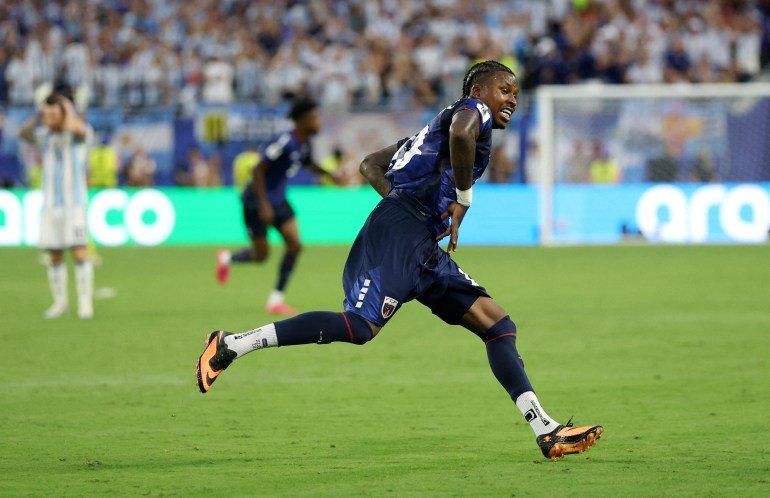
The expanded 48-team format proved a resounding success as the gap between top and lower-ranked sides narrowed dramatically. Cape Verde, making their World Cup debut as rank outsiders, held Spain to a 0-0 draw and forced Argentina into extra time during the group stage. The small island nation captured hearts worldwide with their journeymen professionals and raw youngsters playing without fear.
Cape Verde's historic debut lit up the tournament, showing how Africa's 10 sides now get real breathing room at the expanded World Cup. Morocco's continued rise since their 2022 semifinal run continues to inspire, with their organised press and set-piece threat closing the gap on Europe and South America. The DStv Premiership can learn plenty from Cape Verde's academy structure and tactical discipline — our PSL sides need that same hunger if Bafana Bafana are to punch above their weight on the global stage.
SAFA officials have pointed to Cape Verde's achievement as motivation for grassroots programs across South Africa. Transformation efforts in townships and rural areas now receive fresh attention, with the hope that PSL academies can replicate the defensive organisation that allowed Cape Verde to frustrate Spain and Uruguay.
Argentina's Fall from Grace: Zero Shots and the Dark Arts
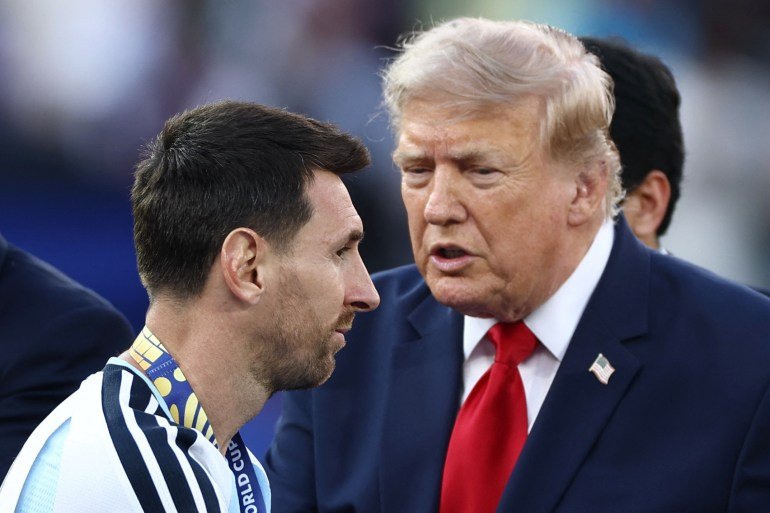
Argentina managed zero shots in the 90 minutes of the final — the first team in World Cup final history to record that statistic. Enzo Fernandez received a red card in the 90th minute for a late challenge on Pau Cubarsi, while Leandro Paredes was involved in post-match altercations that included throwing punches at Spain players. Four Argentina players were booked, and manager Lionel Scaloni admitted through tears that Spain deserved the victory.
Wayne Rooney described the behaviour as "embarrassing," while Alan Shearer stated simply that the right team won. Argentina's negative approach betrayed their talent and left Lionel Messi isolated in what should have been a fitting farewell. Emiliano Martinez made 11 saves — the most on record in a World Cup final — but Argentina's defensive spoiling tactics ultimately cost them their crown.
South African viewers on DStv saw parallels to the gamesmanship sometimes witnessed in heated PSL derbies, prompting calls from SAFA for stricter refereeing standards in domestic competitions. The lesson is clear: discipline and character matter as much as talent at the highest level.
Young Spanish Talents Signal the Future of Football
Pau Cubarsi, aged 19, was named young player of the tournament after completing 121 passes in the final — the most by any player in a World Cup final on record. Lamine Yamal, also 19, became the third-youngest player to appear in a World Cup final after Pele in 1958 and Giuseppe Bergomi in 1982, and is now the third-youngest winner of the tournament.
These performances have prompted SAFA to accelerate youth identification programs across South Africa. The success of teenage players at the highest level reinforces the need for better scouting pipelines from school football into the DStv Premiership, ensuring South African talents receive the technical coaching that produced Spain's young stars. Cubarsi and Yamal came through Barcelona's La Masia academy — South Africa needs its own version of that system.
Lessons for Bafana Bafana and South African Football's Path Forward
Spain's 38-match unbeaten run and triple crown of major titles demonstrate the results possible when national teams maintain a clear playing identity. Bafana Bafana have struggled with consistency in recent AFCON campaigns and made a brave but brief appearance at this World Cup, exiting in the round of 32 after a 1-0 loss to Canada. SAFA now faces pressure to adopt similar long-term planning rather than short-term fixes.
The tournament also highlighted hydration break controversies and the Folarin Balogun suspension review — issues that touched on governance questions relevant to how SAFA manages player discipline and tournament protocols. Fans across South Africa expect clearer communication from the federation on these matters ahead of upcoming AFCON and World Cup qualifiers.
SAFA's pathway needs urgent investment in youth academies that mirror Europe's elite standards while keeping PSL talent grounded. SuperSport's broadcasting role is key — they must push more local content and academy showcases. The 2030 64-team expansion could open doors for South Africa, but only if we fix grassroots coaching and player conduct right now. The time to build is today, not tomorrow.
The 2026 World Cup is over, and Spain are deserved champions. For South African football, the message from this tournament is unmistakable: the gap is closing, opportunity is expanding, and the teams that invest in systems — not just star players — will reap the rewards. Bafana Bafana have taken the first step. The real work starts now.
By Dante Williams, Staff Writer
This article was produced with AI-assisted research and editorial support. Reporting is based on sources cited in the article.
What's Your Reaction?
 Like
0
Like
0
 Dislike
0
Dislike
0
 Love
0
Love
0
 Funny
0
Funny
0
 Wow
0
Wow
0
 Sad
0
Sad
0
 Angry
0
Angry
0

Breaking News and Investigations Correspondent at Global1.News. Based in London, covering global breaking news, security, and investigative stories. Known for digging deeper and connecting the dots across continents.










Comments (0)