
NEET 2026 Leak Crisis: NTA Overhaul and CJP Protests
The NEET-UG 2026 paper leak has exposed deep cracks in India’s medical entrance system, leaving 22.7 lakh aspirants and their families reeling from compromised merit, financial ruin, and delayed careers. With up to 120 questions leaked for Rs 50 lakh each and the exam cancelled mid-process, the crisis threatens the pipeline of doctors needed to address India’s persistent healthcare shortages. As protests intensify and reforms accelerate, the integrity of the single national test that shapes t...
The NEET-UG 2026 paper leak has exposed deep cracks in India’s medical entrance system, leaving 22.7 lakh aspirants and their families reeling from compromised merit, financial ruin, and delayed careers. With up to 120 questions leaked for Rs 50 lakh each and the exam cancelled mid-process, the crisis threatens the pipeline of doctors needed to address India’s persistent healthcare shortages. As protests intensify and reforms accelerate, the integrity of the single national test that shapes the nation’s future physicians hangs in the balance.
NEET 2026 Leak Forces NTA Reforms Amid Protests
New Delhi, India — July 25, 2026 —
The Scale of the 2026 NEET-UG Crisis
The NEET-UG 2026 examination took place on 3 May for 22.7 lakh registered aspirants seeking admission to MBBS and BDS programmes across India. Up to 120 of the 180 questions matched a leaked paper, concentrated in Chemistry and Biology sections. The paper was sold for Rs 50 lakh per candidate through WhatsApp groups. This breach directly undermined the single national entrance test that determines entry into medical colleges, a system central to India’s healthcare workforce pipeline.
Indian students from rural and semi-urban areas, who rely on NEET as the primary route to government medical seats, faced the sharpest impact. With healthcare delivery already strained by doctor shortages in states like Bihar and Uttar Pradesh, repeated exam failures erode trust in the merit-based selection process that feeds the national health system.
The 2026 NEET-UG crisis dwarfs the 2024 controversy that reached the Supreme Court, where petitions alleged irregularities affecting over 24 lakh candidates and led to a re-examination order for some. Unlike 2024’s grace mark disputes, this year’s breach exposed systemic vulnerabilities persisting despite the 2022 NTA reforms that introduced stricter centre audits and biometric checks. With 22.7 lakh aspirants registered, families have collectively spent an estimated ₹8,000–12,000 crore on coaching, travel and lost wages, pushing many lower-middle-class households into debt.
India’s doctor-patient ratio of 1:834 already falls short of the WHO benchmark of 1:1,000 in several states, yet repeated exam scandals threaten to shrink the future supply of qualified physicians. Rural districts in Bihar, Uttar Pradesh and Rajasthan, which rely heavily on NEET-qualified graduates for primary health centres, face the prospect of prolonged vacancies. Analysts note that each leaked paper not only undermines merit but also delays the induction of 1.1 lakh new MBBS seats created since 2014, widening the urban-rural healthcare gap.
Mechanics of the Leak and Immediate Aftermath
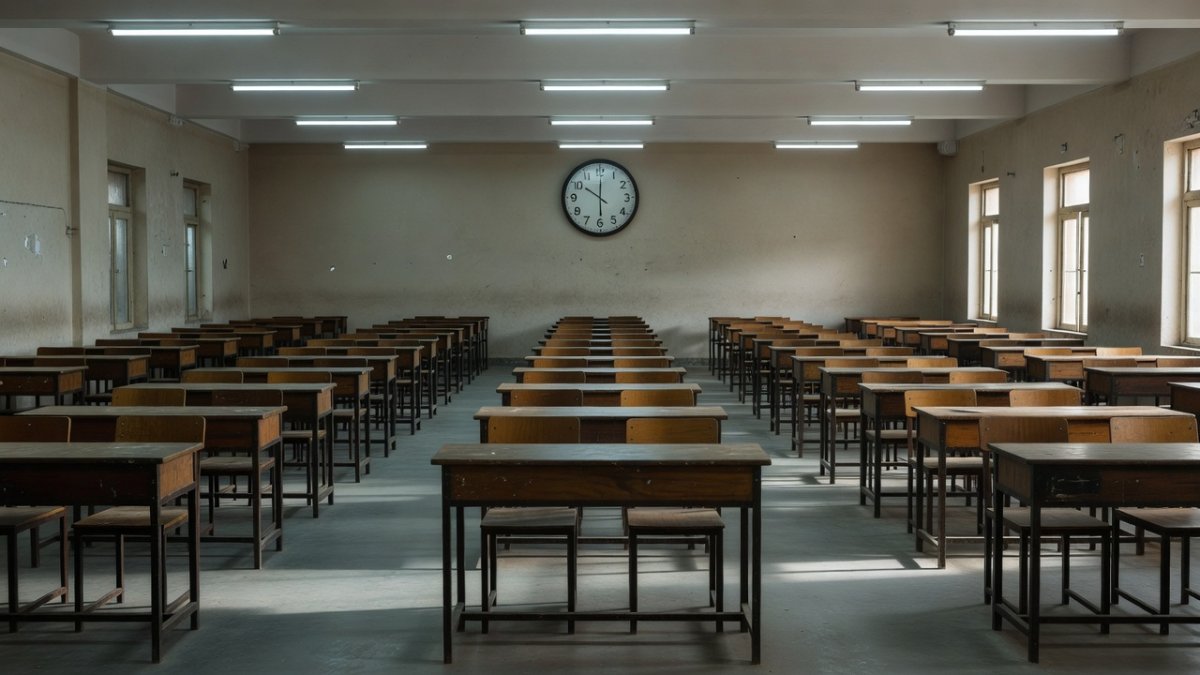
The Central Bureau of Investigation arrested a Pune chemistry professor identified as the kingpin, along with a Pune biology professor and a Latur coaching institute owner. Forty-five people were detained in Latur and Nashik alone. The same racket had compromised the NEET-UG 2025 paper. The National Testing Agency cancelled the 2026 examination on 12 May. A re-examination was conducted on 21 June under armed escort for question papers. Results declared on 16 July showed 11.21 lakh of nearly 20 lakh candidates qualified.
The leak surfaced when a chemistry teacher in Sikar noticed identical questions in a “guess paper” circulated on Telegram channels two days before the exam. His comparison with the official question paper triggered the first FIR. The CBI, which took over the probe on 18 June, has so far arrested 19 individuals, including a former NTA observer and a printing press owner in Rajasthan. The network reportedly spanned 14 centres across Rajasthan and Maharashtra, using encrypted apps and dummy candidates to transport question papers hours before the test.
Student mental-health fallout has been severe: at least four reported suicides in Kota and one in Patna within ten days of the results, according to local police records. This echoes the 2024 leak that also reached the Supreme Court, where the bench had warned of “irreparable damage to the integrity of the examination”. Families describe prolonged anxiety, with many aspirants now refusing to reappear without guaranteed safeguards.
NTA Overhaul and Structural Reforms
On 24 July, the NTA sacked 47 officials as part of a comprehensive overhaul. An expert committee recommended creation of a leak-proof system. The agency conducts 15-20 national exams including JEE, NEET and CUET. The outsourcing framework is being revamped, and NEET will move to a computer-based format from 2027.
The expert committee headed by former UGC chairman recommended a hybrid model combining computer-based testing with AI-driven question bank randomisation, modelled on the USMLE’s multi-stage adaptive format and the UKMLA’s emphasis on clinical reasoning. It also called for a permanent testing authority independent of the NTA, with state-level oversight boards. The 2025–26 Union Budget allocated ₹1,250 crore for digital testing infrastructure, including secure servers and biometric kiosks. However, states such as Bihar and Jharkhand have flagged inadequate power reliability and last-mile connectivity, raising doubts about full CBT readiness by 2027.
Student Protests Led by Cockroach Janta Party
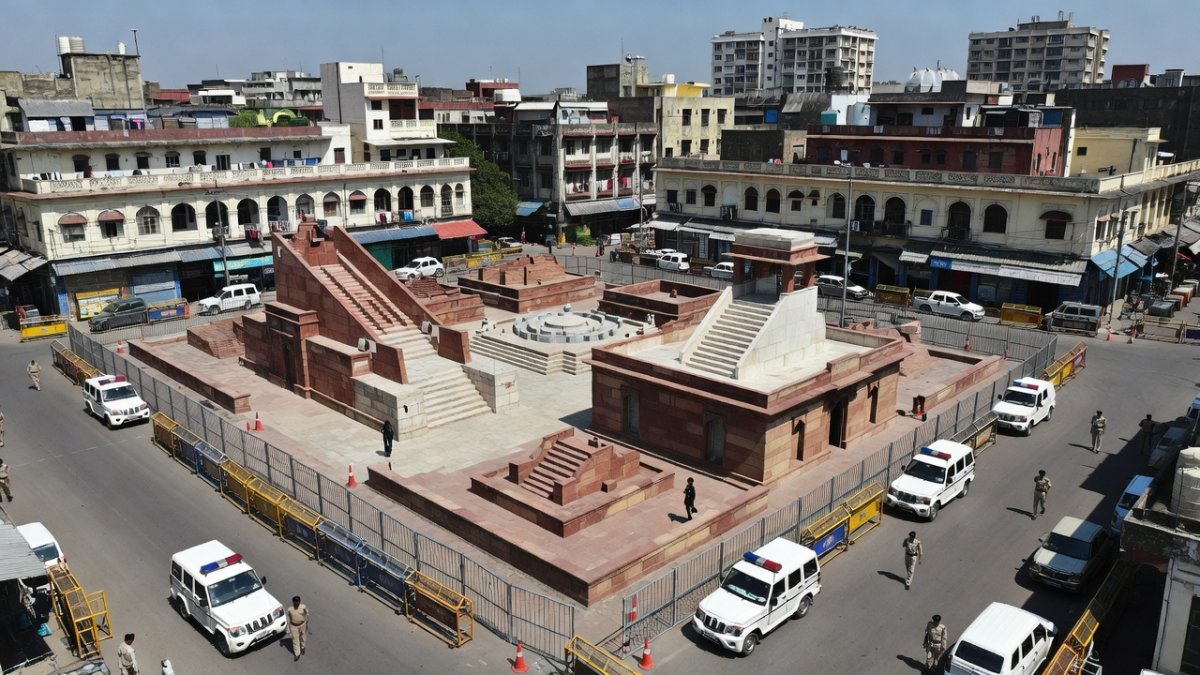
The Cockroach Janta Party (CJP) has led nationwide student protests at Jantar Mantar since June. Sonam Wangchuk began a hunger strike. On 20 July, the “Sansad Chalo” march drew tens of thousands of participants. Security forces used tear gas and baton charges, and central Delhi experienced a mobile internet shutdown. On 21 July, Rahul Gandhi, Priyanka Gandhi and Akhilesh Yadav were detained. Education Minister Dharmendra Pradhan faces calls for resignation. BJP President J.P. Nadda held two rounds of talks. Prime Minister Modi described the leak as “ghor paap”. NEET victim Akanksha Chaturvedi’s mother joined protests in Nagpur. The government agreed to a Parliament discussion.
The name “Cockroach Janta Party” was adopted after Prime Minister Modi’s 2023 remark comparing opposition parties to cockroaches that “survive every crackdown”. Students reclaimed the slur to symbolise resilience against institutional pressure. Their charter demands include a CBI-monitored re-examination within 30 days, a judicial inquiry into NTA officials, and a permanent student representative on the NTA governing body. Authorities imposed internet shutdowns targeting Telegram between 21–22 June, a pattern previously seen during the 2024 protests. Police response drew criticism after videos showed pellet-gun use in Jaipur, injuring at least 11 students.
Implications for Indian Students and Healthcare Framework
The 2026 leak and subsequent re-examination placed additional financial and emotional burdens on families already investing heavily in coaching. Students from lower-income backgrounds, who form a significant portion of NEET aspirants, lost months of preparation time. This directly affects the pipeline of doctors entering primary healthcare centres and district hospitals, where shortages remain acute.
The shift to computer-based testing from 2027 offers a structural solution but demands parallel investment in digital literacy and exam centres in tier-2 and tier-3 cities. Without such measures, the reform risks widening the urban-rural divide in medical admissions. The NTA’s expanded oversight of 15-20 exams means lessons from NEET must translate into system-wide safeguards if India is to maintain a credible route for students entering both medical and other professional fields.
Path Forward for Credible Medical Admissions
The combination of arrests, official sackings, and the move to computer-based NEET from 2027 represents the most significant restructuring of the testing agency in recent years. For the 22.7 lakh aspirants who sat the original 2026 paper and the 11.21 lakh who ultimately qualified after re-examination, the immediate crisis has passed. The longer-term test lies in whether the new framework prevents recurrence and restores confidence among students who view NEET as the gateway to serving in India’s healthcare system.
Parliamentary discussion and continued student mobilisation will determine whether these reforms receive sustained implementation. The stakes extend beyond one examination: they concern the integrity of the process that selects the next generation of Indian doctors.
— By Dr. Raj Patel, Staff WriterThis article was produced with AI-assisted research and editorial support. Reporting is based on sources cited in the article.
What's Your Reaction?
 Like
0
Like
0
 Dislike
0
Dislike
0
 Love
0
Love
0
 Funny
0
Funny
0
 Wow
0
Wow
0
 Sad
0
Sad
0
 Angry
0
Angry
0

India/South Asia Correspondent at Global1.News. Analytical voice with a background in science and health journalism. Based in New Delhi, covering Indian politics, education, healthcare, technology, and policy. Breaks down complex data into clear, actionable reporting.














Comments (0)