
Morocco's 30-Year Love Affair with the Spoken Word: The International Storytelling Festival Returns to Rabat
For 30 years, the International Morocco Storytelling Festival has been proving that the oldest form of human communication — the spoken word, passed from one listener to the next — is alive and thriving in the heart of North Africa.
For 30 years, the International Morocco Storytelling Festival has been proving that the oldest form of human communication — the spoken word, passed from one listener to the next — is alive and thriving in the heart of North Africa. This year's 23rd edition, which unfolded across Rabat from July 13 to 20, brought together storytellers from a dozen countries under the evocative theme "If the Homeland Were Told to Me," a meditation on nationhood, identity, and the stories that bind communities together.
Morocco's 30-Year Love Affair with the Spoken Word: The International Storytelling Festival Returns to Rabat
Rabat, Morocco — The Moroccan capital transformed into a living storybook this July as the 23rd International Morocco Storytelling Festival (FIMS) took over squares, gardens, boats, and elderly homes across the Rabat-Salé-Kénitra region. The weeklong celebration of oral tradition, running from July 13 to 20, marked 30 years since the founding organization began its mission to safeguard Morocco's intangible cultural heritage through the ancient art of the halqa — the storytelling circle.
The Halqa: Where Morocco's Stories Come Alive
The halqa tradition, a traditional open-air storytelling circle, anchored the festival each night at Bab El Had square from 8:30 p.m. to midnight. Conteurs and hakawatis drew listeners into intimate gatherings where voices carried tales of ancestors and daily life under the open sky. This format kept the ancient practice vibrant in Rabat's historic heart.
Festival activities spread far beyond the main square to the Oudayas, Al Manal, Harhoura, the Khemisset youth center, and the Bouregreg riverbanks. These outreach spots allowed storytellers to reach families in neighborhoods and along the water's edge. The variety of locations reflected the festival's commitment to making oral heritage accessible across the Rabat-Salé-Kénitra region.
Special visits brought the halqa to Lalla Meryem center for children, Lalla Amina center for teenagers, and the Al Nahda and Ain Aouda homes for the elderly. Young and old alike sat together as performers wove stories that bridged generations. These sessions emphasized how the spoken word builds connection in everyday community spaces.
On July 18, a unique halqa took place on boats along the Bouregreg at 7 p.m., turning the river into a floating stage. Listeners gathered on vessels as storytellers shared narratives that echoed across the water. The setting highlighted Morocco's deep ties to its waterways and coastal traditions.
The heritage parade on July 16 started at Bab Chellah and wound through Souika and Legza before reaching Bab El Had. It featured the Baba Aichour caravan, with musicians and performers in traditional dress. Crowds lined the streets to witness this living procession of Morocco's storytelling legacy.
Each halqa invited passersby to pause and join the circle, creating spontaneous moments of shared listening. The format preserved the communal spirit that has defined Moroccan oral culture for centuries. In these gatherings, the past remained present through every spoken word.
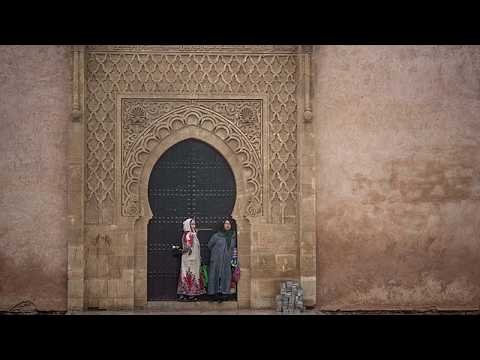
If the Homeland Were Told to Me — Aicha Kandicha's Voice
This edition centered on two intertwined themes: "Si la Patrie m'était contée" and "Paroles de Aicha Kandicha." The first invited reflections on nationhood through personal and collective stories. The second focused on reimagining the voice of a powerful figure from Moroccan folklore.
Aicha Kandicha stands as a legendary female jinn in Moroccan oral tradition, linked to water, seduction, danger, and the natural world. Her stories have passed down through generations in homes and marketplaces. Storytellers at the festival explored what this mythical character might say about belonging and homeland today.
Performers drew on her image to examine themes of identity and resilience. Some tales portrayed her as a guardian of the land, while others highlighted her role in warning against forgetting ancestral ties. These reinterpretations kept the legend alive as a living conversation.
An academic symposium ran July 15-16 at the Institute of African, Euro-Mediterranean and Ibero-American Studies. Titled "If the Legend Spoke of the Homeland," it examined myths of nationhood across cultures. Scholars from multiple countries discussed how oral narratives shape collective memory.
The dual themes encouraged storytellers to blend personal memory with mythic elements. Participants from across North Africa shared how Aicha Kandicha's stories mirror their own experiences of place and displacement. The approach turned folklore into a tool for contemporary reflection.
Listeners left the sessions with fresh perspectives on how legends carry national stories forward. The focus on Aicha Kandicha reminded everyone that Morocco's oral heritage holds space for both the mystical and the everyday. This blend strengthened the festival's role in cultural preservation.
30 Years of Safeguarding Morocco's Oral Heritage
The 23rd edition marked 30 years of the International Academy of Intangible Cultural Heritage's work to preserve oral traditions. Since its founding, the organization has championed the halqa as a vital practice. This milestone edition celebrated three decades of consistent effort across Morocco.
Since 2023, the festival has held registration in ICESCO's Best Practices Registry for intangible cultural heritage safeguarding. This recognition placed Morocco's storytelling efforts on an international stage. It affirmed the academy's methods as models for other nations.
Festival director Najima Thay Thay Rhozali spoke often of storytelling as something that "accompanies humanity since its origins." She described it as a means of transmission, resistance to forgetting, and the construction of meaning. Her words framed the entire week as part of a long human continuum.
Secretary General of the Culture Department Mohamed Benyacoub stressed the link between storytelling and childhood. He noted how early exposure to tales shapes the individual and builds cultural foundations. His remarks highlighted the festival's outreach to young audiences.
The academy organized the event with support from the Ministry of Youth, Culture and Communication and the Rabat-Salé-Kénitra regional authority. These partnerships ensured broad reach across the region. The collaboration demonstrated how institutions can sustain living heritage together.
Thirty years of dedication have turned the festival into a cornerstone of Moroccan cultural life. Each edition builds on the last, passing knowledge to new generations of conteurs. The milestone underscored the enduring power of spoken stories in a changing world.
Global Storytellers, One Circle
Storytellers arrived from India, Nigeria, Ireland, Colombia, Saudi Arabia, Mauritania, Yemen, and Tunisia. Their presence turned Rabat into a crossroads of narrative traditions. Each performer brought rhythms and styles that enriched the local halqa format.
One evening focused on desert and Bedouin traditions with artists from Laayoune-Sakia El Hamra, Saudi Arabia, Mauritania, and Yemen. Tales of sand, camels, and nomadic life filled the night. The program connected Morocco's southern regions with wider Arab storytelling currents.
Another night shifted to Mediterranean voices, featuring performers from Tunisia and countries along the sea's northern shore. Stories of ports, trade, and shared histories flowed between languages. These sessions highlighted the sea as a bridge rather than a barrier.
The storytellers' cafe on July 16 at Hay Al Nahda training center ran from 11 a.m. to 2 p.m. Participants exchanged techniques and discussed challenges facing oral artists today. Informal conversations there strengthened professional bonds across borders.
A heritage trades workshop complemented the performances, teaching practical skills tied to storytelling culture. Artisans demonstrated crafts that often accompany tales in markets and homes. The combination kept both words and objects alive.
Rabat's role as host allowed African, Arab, Mediterranean, and Latin American traditions to meet in one circle. Nigerian griot styles mingled with Colombian legends and Irish seanachaí tales. This gathering showed how oral arts thrive through exchange.
Cultural Diplomacy Through Storytelling
The opening ceremony on July 15 at Jardin d'Essais Botaniques paid homage to Mexican Ambassador Mabel Gómez Oliver. Organizers recognized her for the warm reception Moroccan football fans received during the World Cup. The gesture linked sports and storytelling as paths to mutual understanding.
The festival served as a vector of cultural diplomacy between peoples. Storytellers carried messages of hospitality and shared humanity across languages. Their performances built bridges that official channels sometimes overlook.
Partnerships between the International Academy of Intangible Cultural Heritage, the Ministry of Youth, Culture and Communication, and the Rabat-Salé-Kénitra regional authority made the event possible. These ties ensured resources reached community venues. The collaboration modeled how culture can unite institutions and citizens.
The festival operated under the High Patronage of King Mohammed VI. This support signaled national commitment to intangible heritage. It placed oral traditions alongside Morocco's celebrated monuments and arts.
Guided visits to historical monuments on July 19 gave international guests deeper context. Storytellers walked through sites that appear in local legends. The tours connected physical heritage with the spoken stories that animate it.
Summer camps on July 17 at Abdelkrim Flouss in Salé, Sidi Taibi, and Mamora forest introduced children to storytelling techniques. Young participants learned to craft their own tales under the guidance of visiting artists. These sessions planted seeds for future generations of conteurs.
What This Means for Africa's Storytelling Renaissance
Morocco's halqa tradition forms part of a wider African oral heritage that includes Senegal's griots, Mali's epic of Sundiata Keita, Ghana's Ananse stories, and Nigeria's folktales. Each region keeps its own rhythms while sharing the core practice of spoken transmission. The festival in Rabat reminded Senegalese listeners of these common roots.
The halqa holds clear parallels with the Senegalese kàll, where elders gather youth in circles to share wisdom and history. Both forms treat storytelling as a living act rather than a relic. Festivals like FIMS strengthen these practices across the continent.
Events such as the 23rd International Morocco Storytelling Festival represent a continent-wide revival of oral traditions as active cultural forces. They reject the idea that these arts belong only in museums. Instead, they place storytellers in public squares and community centers where they belong.
Storytelling preserves languages, transmits values between generations, and builds cultural resilience in the digital age. In Senegal and Morocco alike, the spoken word counters the pull of screens with direct human connection. This role grows more vital each year.
For African audiences, gatherings like FIMS offer tools for cultural identity, community healing, and intergenerational bonds. They show that heritage remains dynamic when communities choose to keep it alive. The Rabat edition carried this message home to listeners from Dakar to the Sahel.
The festival's success in 2026 points toward future collaborations that could link North and West African storytelling networks. Such exchanges would honor the shared griot spirit that runs from the Atlantic coast to the Atlas Mountains. Morocco's commitment lights a path others can follow.
By Amara Diop, Staff Writer
This article was produced with AI-assisted research and editorial support. Reporting is based on sources cited in the article.
What's Your Reaction?
 Like
0
Like
0
 Dislike
0
Dislike
0
 Love
0
Love
0
 Funny
0
Funny
0
 Wow
0
Wow
0
 Sad
0
Sad
0
 Angry
0
Angry
0

West Africa/Sahel Correspondent at Global1.News. Dakar-based journalist covering politics, security, climate, and development across Francophone and Anglophone West Africa. Tells the stories of a region undergoing profound transformation.











Comments (0)