
Trump Imposes New 12.5% Tariffs on 60 Nations Over Forced Labor Claims
Breaking: Tariffs Slam Into Effect Overnight Folks, if you blinked this week you might have missed the latest thunderclap from the White House. President Donald Trump just dropped a fresh round of tariffs ranging from 10 percent to 12.5 percent on a staggering 60 U.S.
Breaking: Tariffs Slam Into Effect Overnight
Folks, if you blinked this week you might have missed the latest thunderclap from the White House. President Donald Trump just dropped a fresh round of tariffs ranging from 10 percent to 12.5 percent on a staggering 60 U.S. trading partners, and those levies slammed into force at precisely 12:01 a.m. ET on Friday. This is not a drill. This is not a trial balloon. This is breaking news happening right now, and it covers nations that together account for 99 percent of everything America imports. Mexico, Canada, China, the entire European Union—no one got a free pass. In my years covering trade wars I have rarely seen a move this sweeping land with so little warning yet so much legal scaffolding underneath it. The administration is framing it as a moral stand against forced labor, but make no mistake: wallets from Main Street to Shanghai are already feeling the heat.
These new duties replace a temporary 10 percent global levy that quietly expired this week after 150 days on the books. That stopgap itself was born out of judicial chaos earlier this year. Now the White House has pivoted hard to Section 301 of the Trade Act of 1974, a statute with real teeth and a five-month investigation behind it. Goods already on the water got a narrow grace period until next week, but after that the higher rates bite. High-octane policy? Absolutely. Facts-first reality? American importers just woke up to a more expensive world.
The Five-Month Probe That Changed Everything
Let’s cut through the spin. This did not appear out of thin air. For the past five months the U.S. Trade Representative’s office has been digging into forced labor practices buried deep inside global supply chains. Investigators looked at everything from cotton fields to electronics factories, and what they found—or claimed to find—gave the president the legal runway he needed. Section 301 was built for exactly this kind of unfair trade practice, and the White House is using it to the hilt.
The distinction they drew is sharp. Countries that have laws on the books banning forced labor but are allegedly asleep at the enforcement wheel get hit with the 10 percent rate. Nations judged to lack any meaningful prohibition on importing goods made with forced labor? They get the full 12.5 percent. That two-tier system is already sparking furious debate among trade lawyers. Is it precise enough? Is the evidence public enough? Those questions will be fought out in courtrooms soon enough, but right now the tariffs are live and collecting revenue.
I have to say it: using forced labor as the trigger is politically potent. It lets the administration wrap an economic weapon in a human-rights flag. Whether the data fully supports painting 60 countries with the same broad brush is a fight for another day. Today the duties are real.
Who Got Hit and How Hard
Sixty countries. Ninety-nine percent of U.S. imports. Let that sink in. The list is a who’s-who of American commerce: our largest partners Mexico and Canada, the manufacturing juggernaut China, and the 27-nation European Union bloc. No major supplier escaped. For China the pain is layered; its overall tariff rate from the United States already sat at 21.9 percent before these new levies stacked on top. That is not a rounding error—that is a structural shift in the cost of doing business.
Smaller economies are reeling too. Many of them export critical components that American factories cannot easily replace overnight. The administration insists the rates are calibrated—10 percent for the “not enforcing” crowd, 12.5 percent for the “no laws” crowd—but from the loading docks in Long Beach to the auto plants in Ontario the message feels the same: prices are going up. Retailers are already warning of pass-through costs on everything from apparel to appliances. Consumers should brace.
The Temporary Levy That Just Died
Remember the 10 percent global tariff that had been hanging over every import for the past 150 days? It expired this week, right on schedule. That measure had been imposed under Section 122 of the Trade Act of 1974—a dusty provision never before used for broad tariffs. It was pure stopgap theater after the Supreme Court dismantled the president’s earlier gambit. Now that temporary shield is gone, replaced by this more targeted but still massive Section 301 action. The baton pass happened at midnight, and the new rates are higher for many of the same countries.
This is classic Trump trade doctrine: keep the pressure constant, switch legal authorities when one gets struck down, and never let the market settle. Critics call it chaos. Supporters call it leverage. Either way, the temporary measure has expired and the new reality is more expensive.
Supreme Court Shadows and the Liberation Day Ghost
You cannot understand Friday’s move without rewinding to the judicial bombshell earlier this year. In a 6-3 decision the Supreme Court ruled that the president lacked authority under the International Emergency Economic Powers Act to impose the sweeping “Liberation Day” tariffs announced last year. Those duties had threatened rates as high as 50 percent on global partners and sent markets into a tailspin. The Court said no. Overnight the legal foundation crumbled.
The fallout was immediate and measurable. Analysts calculated that the average American household was looking at a $600 tax increase this year from the trade actions already in motion. Small businesses screamed. Supply chains froze. The White House scrambled, first with the Section 122 temporary levy and now with this Section 301 forced-labor package. Liberation Day may be dead as a legal matter, but its spirit is alive in every new tariff line. The president was blocked once; he simply found another statute. That is the pattern, and anyone who thinks the courts have ended the trade war is not paying attention.
Households, Small Businesses, and the Lawsuit Flood
Let’s talk kitchen-table economics. That $600 hit per household estimated after the Supreme Court ruling earlier this year was bad enough. These new 10-to-12.5 percent duties will compound it. Importers do not eat costs for fun; they pass them on. Expect higher prices on electronics, clothing, auto parts, and furniture in the coming months. The administration argues the long-term gain—cleaner supply chains and revived domestic manufacturing—outweighs the short-term pain. Middle-class families filling carts this weekend may disagree.
Small businesses are not waiting to find out. They have already filed lawsuits challenging the new Section 301 tariffs, arguing the investigation was rushed, the evidence thin, and the economic damage disproportionate. These are not giant multinationals with lobbying armies; these are the firms that keep local economies humming. Their legal papers landed almost as fast as the tariffs themselves. Courts will now decide whether the forced-labor rationale holds water or whether this is simply Liberation Day in new packaging. Either way, the uncertainty is its own tax.
Global Fury and the Xi Visit Looming
The international reaction was instant and blistering. Trading partners called the move “extremely disappointing” within hours of the Friday implementation. Diplomats in Brussels, Mexico City, Ottawa, and Beijing are scrambling for retaliatory options. Some are already drafting their own tariff lists. Others are racing to prove their forced-labor enforcement is tougher than Washington claims. The risk of a full-blown spiral is real.
Yet a diplomatic off-ramp may be approaching. Chinese President Xi Jinping is expected to visit Washington next month for talks with President Trump. That meeting suddenly carries enormous stakes. Will the new 12.5 percent layer become a bargaining chip? Can the two leaders walk back any of this before the costs lock in? History says summits can produce surprises, but the tariffs are already collecting money. Momentum is a powerful thing in trade wars, and right now the momentum is toward escalation.
Allies are watching nervously. Canada and Mexico, deeply integrated into U.S. supply chains, face particular pain. The European Union is signaling it will not roll over. The next few weeks will test whether this is leverage or just punishment.
What Happens Next on the Ground
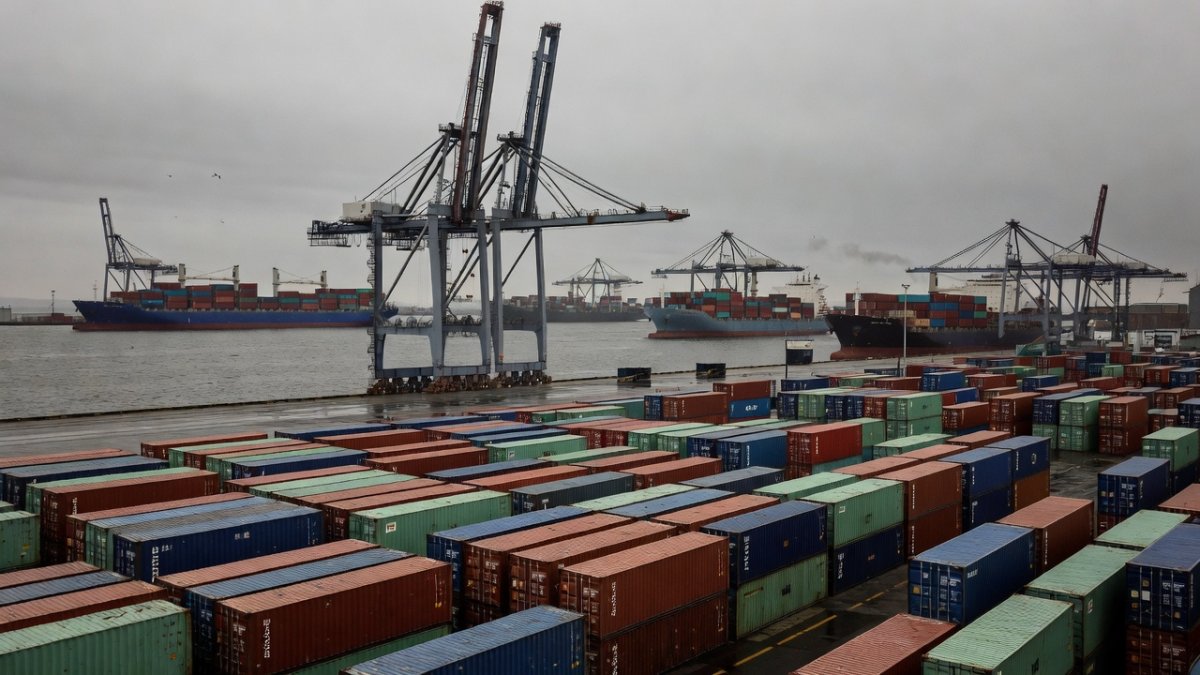
Goods already in transit caught a break until next week, but that window is slamming shut. After that, every container hitting a U.S. port from those 60 nations faces the new rates. Customs brokers are working overtime. Retailers are rewriting price tags. Manufacturers are hunting for non-tariffed suppliers that simply may not exist at scale. The administration insists this is about ending forced labor in the shadows of global commerce. Opponents counter that it is protectionism wearing a halo.
I will stay facts-first: the legal authority is Section 301, the investigation lasted five months, the rates are 10 or 12.5 percent, and 99 percent of imports are in the crosshairs. Everything else—motives, effectiveness, collateral damage—is up for debate. What is not debatable is that American trade policy just got more expensive, more complicated, and more confrontational overnight. Buckle up. The next chapter starts at the cash register and ends in the courtroom, with a high-stakes summit next month hanging over it all.
By Jessica Ali, Staff Writer.This article was produced with AI-assisted research and editorial support. Reporting is based on sources cited in the article.
What's Your Reaction?
 Like
0
Like
0
 Dislike
0
Dislike
0
 Love
0
Love
0
 Funny
0
Funny
0
 Wow
0
Wow
0
 Sad
0
Sad
0
 Angry
0
Angry
0

Editor-in-Chief at Global1.News. Atlanta-based journalist who cuts through the BS and tells it like it is. Lead anchor, host, and the voice you hear when the spin stops and the truth starts.












Comments (0)