
Morocco Bets Big on Gaming as Rabat Expo Showcases Africa's Rising Esports and Development Industry
The global gaming industry is worth an estimated 300 billion dollars, and Morocco wants a piece of it. At the third Morocco Gaming Expo in Rabat, developers, investors, and esports fans from across the continent and beyond gathered to showcase a future that is already taking shape on African soil.
The global gaming industry is worth an estimated 300 billion dollars, and Morocco wants a piece of it. At the third Morocco Gaming Expo in Rabat, developers, investors, and esports fans from across the continent and beyond gathered to showcase a future that is already taking shape on African soil.
Morocco Bets Big on Gaming as Rabat Expo Showcases Africa's Rising Esports and Development Industry
Rabat, Morocco — The third edition of the Morocco Gaming Expo brought together more than 100 exhibitors from 24 countries, placing North Africa firmly on the global gaming map. Under the patronage of King Mohammed VI and inaugurated by Crown Prince Moulay El Hassan, the five-day event highlighted Morocco's ambition to capture one percent of the world's 300-billion-dollar gaming market.
From Passion to Industry: Morocco's Gaming Transformation
The Morocco Gaming Expo began with its first edition in 2024 and has grown swiftly into a major continental gathering. By the third edition held May 20-24, 2026 in Rabat, the event carried the theme "Moroccan Talent" and drew official support from the Ministry of Youth, Culture and Communication.
Under the high patronage of King Mohammed VI and inaugurated by HRH Crown Prince Moulay El Hassan, the expo moved from a modest showcase to a professional platform in just two years. Organizers tracked this shift through official accounts that shared daily updates on new partnerships and local talent emerging across the kingdom.
Morocco's gaming sector expanded from roughly 195 million euros in 2025 toward a projected 2.6 billion euros by 2030. This rapid climb reflects deliberate policy choices that treat gaming as a serious economic driver rather than a passing hobby — a lesson that Senegal's own creative industries have also embraced as music and film exports grow.
The Ministry of Youth, Culture and Communication played a central role by linking the expo to national youth programs. Officials emphasized training in programming, design, and esports to create steady career paths for young Moroccans looking to build sustainable livelihoods in the digital economy.
Early editions focused on casual play, but the 2026 gathering stressed industry standards including contracts, investment pipelines, and export strategies. This change mirrors how Senegalese music festivals evolved from neighborhood gatherings into structured cultural exports that reach audiences across the continent.
Local observers note that the five-day format allowed deeper conversations between developers and government representatives. The result is a clearer roadmap for turning passion projects into sustainable businesses across North Africa.
The Global Stage Comes to Rabat
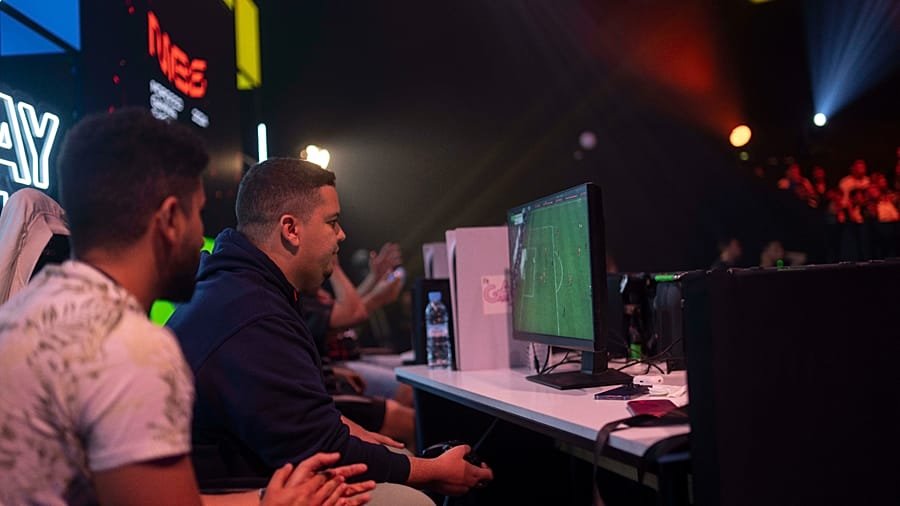
More than 100 exhibitors from 24 countries including the United States, South Korea, and France filled the Rabat venue. International studios used the platform to test new titles and scout African talent for future collaborations, signaling that the continent is no longer just a consumer market but a creative source.
Garena presented "Choppy Cuts" and "Delta Force" to enthusiastic crowds while British developer Erin Roberts stressed the need to support emerging talent and attract serious investment. Her workshops highlighted practical steps for turning prototypes into funded projects, offering African developers a rare direct line to international expertise.
Twenty-plus masterclasses featured international experts on current gaming trends. Participants learned about monetization strategies and cross-platform development directly from studios that already operate at global scale, giving local teams actionable insights they could apply immediately.
MGE Talks and MGE Playtest spaces gave developers quiet rooms for networking and live demos. These areas hosted daily sessions where small teams received feedback from publishers and investors — often the kind of mentorship that determines whether a game reaches the market or stays on a hard drive.
Cosplay competitions drew hundreds of participants while AI-assisted game development workshops and augmented reality projects ran alongside them. The mix showed how traditional creative expression and new technology can coexist on the same exhibition floor, reflecting the hybrid nature of modern African creativity.
Visitors from Senegal and other West African nations compared notes on infrastructure needs. Many left with concrete contacts that could lead to joint ventures in the coming year, laying the groundwork for a truly interconnected African gaming network.
Moroccan Studios Take Centre Stage
The educational game "1001 Questions about Morocco," developed with the Ministry of Youth, Culture and Communication, offered players an interactive tour of national heritage. School groups tested the title during dedicated sessions and teachers noted its potential for classroom use across the country.
Indie studios displayed "XOLBOR," "Lost in Toys Kingdom," "DROUGHTFALL," "ZOUHRI: The Cursed Blood," and "ZREY Raven's Echo." Each title drew on Moroccan landscapes, stories, and visual motifs that resonated with local audiences while remaining accessible to international players.
Kawtar Jalili, founder of Kiddo Interactive, spoke about African gaming markets gaining momentum. She described how regional developers are moving from simple mobile games to richer narrative experiences that travel well across borders, competing on storytelling quality rather than budget size alone.
Locally inspired projects reflected Moroccan culture and heritage through architecture, music, and folklore. Developers explained that these elements help games stand out in crowded international marketplaces where players increasingly seek authentic experiences rooted in real cultures.
Young creators shared how they balance traditional storytelling with modern mechanics. Their work echoes the way Senegalese filmmakers blend griot narratives with contemporary cinema techniques, creating art that is both deeply local and globally legible.
Exhibitors reported strong interest from European and Asian publishers seeking fresh intellectual property. Several Moroccan teams left the expo with letters of intent for co-production deals, a tangible sign that African game development has arrived on the international radar.
Minister Bensaid's Vision: One Percent of a 300-Billion-Dollar Market
Minister Mohamed El Mehdi Bensaid set the clear target of capturing one percent of the global 300 billion dollar gaming market. He framed the goal as both economic and social, stating that gaming can open doors for thousands of young people across the kingdom.
The minister highlighted opportunities in programming, design, and esports during public addresses. He linked these fields to Morocco's broader push to position Rabat as Africa's largest gaming hub, a status that would bring investment, jobs, and international visibility to the continent.
Economic diversification through tech and entertainment forms a key part of national strategy. Officials see gaming as a natural extension of existing film and music industries that already export across the continent and attract global attention to Moroccan creativity.
A National Child Day talk show examined gaming's impact on children and discussed balanced approaches to screen time. Experts from education and health sectors joined developers to address parental concerns, reflecting a mature conversation about the industry's social responsibilities.
Ministry programs now include grants for student game projects and internships with international studios. These initiatives aim to build a pipeline of skilled workers ready for the projected growth to 2.6 billion euros by 2030, ensuring that Moroccan talent drives the expansion rather than watching it from the sidelines.
Observers note that government backing gives Moroccan developers an advantage when competing for regional investment. The 2026 expo served as a public demonstration of this coordinated approach — a model that other African nations, including Senegal, are watching closely as they consider their own gaming strategies.
Esports and the Competitive Gaming Revolution
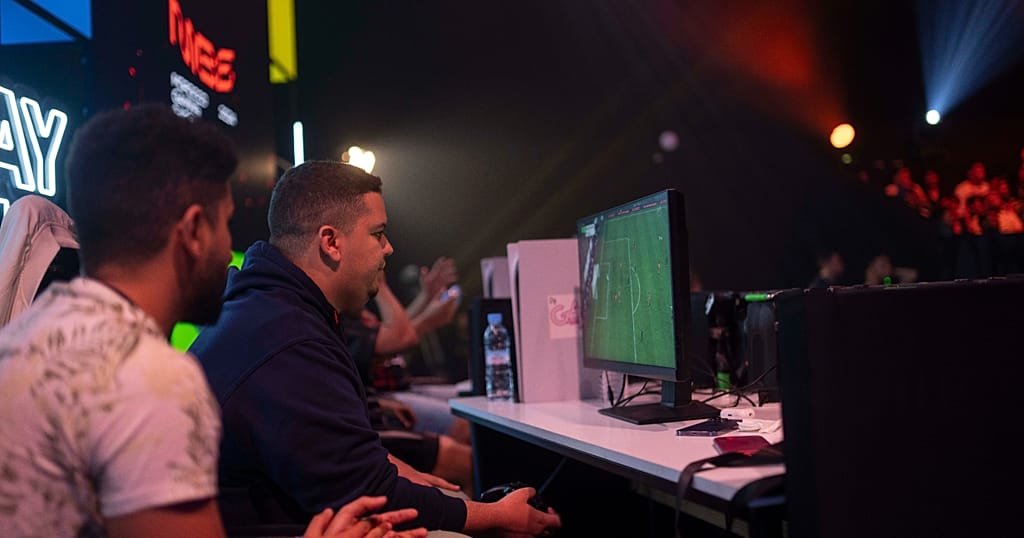
Fortnite esports tournaments and EA FC 26 competitions ran throughout the five days, drawing regional and international competitors. Prize pools and live streams attracted spectators who filled the main arena each evening, proving that competitive gaming has mainstream appeal in North Africa.
African esports ecosystems continue to expand as reliable internet reaches more cities. Morocco's event provided a neutral ground where teams from different countries could compete and form alliances, strengthening the continent's competitive gaming infrastructure one tournament at a time.
Senegal's own emerging gaming scene includes regular local tournaments in Dakar and Thiès. Young players there follow the Rabat results closely and dream of qualifying for future editions of the expo, seeing a clear pathway from local competition to continental recognition.
B-girl Jeanny, the Togolese breakdance champion, connected competitive gaming to wider youth culture during a panel. She noted that both esports and street dance reward creativity, discipline, and community support — values that resonate across African youth culture regardless of the specific medium.
Competitive gaming creates visible career paths for African youth including streaming, content creation, and coaching. Several Moroccan players announced sponsorship deals during the event, demonstrating that esports can provide real economic opportunity for talented individuals.
Organizers plan to expand tournament brackets in future years to include more West African nations. This step would strengthen the pan-African network already forming around events like MGE, building a competitive ecosystem that spans the entire continent.
African Gaming: A Continent at the Starting Line
African gaming markets gain momentum as audiences connect with locally made content. Moroccan titles that incorporate regional stories perform well because players see their own environments, languages, and cultural references reflected on screen rather than imported narratives from other continents.
The challenge remains for African companies to capture even one percent of the global market. Current estimates place the continent's share far below that figure despite rapid growth in player numbers, but Morocco's ambitious targets signal that the gap is closing as infrastructure and investment improve.
Nigeria, South Africa, and Kenya already host active development scenes and regular tournaments. Morocco's push to become Africa's largest gaming hub adds another strong node to this emerging network, creating multiple centers of gravity that can support the continent's gaming ecosystem as a whole.
The cultural shift from viewing gaming as a hobby to a legitimate career is underway across the continent. Families that once discouraged the activity now ask about training programs and scholarships, recognizing that the digital economy offers pathways that traditional employment cannot match.
Internet infrastructure improvements enable the sector by supporting faster downloads and smoother online play. Rural areas still lag, but urban centers show clear progress year after year, with mobile gaming acting as the primary entry point for millions of new African players.
Senegal's gaming scene forms part of this broader ecosystem with active communities in Dakar and Saint-Louis. Local developers watch Morocco's progress and seek similar government partnerships at home, hoping to replicate the Rabat model of coordinated industry building across West Africa.
What to Watch For
Morocco's annual MGE serves as a flagship event for the African gaming ecosystem. Its steady growth from 2024 onward signals that the continent can host world-class industry gatherings that attract international attention and investment.
Projected expansion toward 2.6 billion euros by 2030 will require continued investment in training and infrastructure. Success depends on keeping young talent engaged and connected to international partners who can help bring African-made games to global audiences.
Pan-African gaming collaboration could accelerate if more countries send delegations and co-develop titles. Shared platforms for distribution and marketing would help smaller studios reach wider audiences without the prohibitive costs of individual global launches.
Government support remains essential for nurturing the sector through policy incentives and public events. Without sustained backing, many promising projects risk fading after initial enthusiasm — a lesson that Senegal's cultural industries have learned through both success and setback over the past decade.
The next MGE edition will likely expand tournament categories and add more workshops on export strategies. Observers expect even stronger representation from West African nations including Senegal, as the momentum from Rabat spreads southward along the Atlantic coast.
By Amara Diop, Staff Writer
This article was produced with AI-assisted research and editorial support. Reporting is based on sources cited in the article.
What's Your Reaction?
 Like
0
Like
0
 Dislike
0
Dislike
0
 Love
0
Love
0
 Funny
0
Funny
0
 Wow
0
Wow
0
 Sad
0
Sad
0
 Angry
0
Angry
0

West Africa/Sahel Correspondent at Global1.News. Dakar-based journalist covering politics, security, climate, and development across Francophone and Anglophone West Africa. Tells the stories of a region undergoing profound transformation.










Comments (0)