
Senate grills ERC on soaring power costs
The Senate energy committee grilled the ERC over soaring power costs in the Philippines, now the highest in Southeast Asia at P12.43 per kWh. Sen. Tulfo criticized the ERC as inutile, while Sen. Gatchalian presented data showing costs rising from P11.74 to P14 per kWh for 200 kWh households. ERC ...
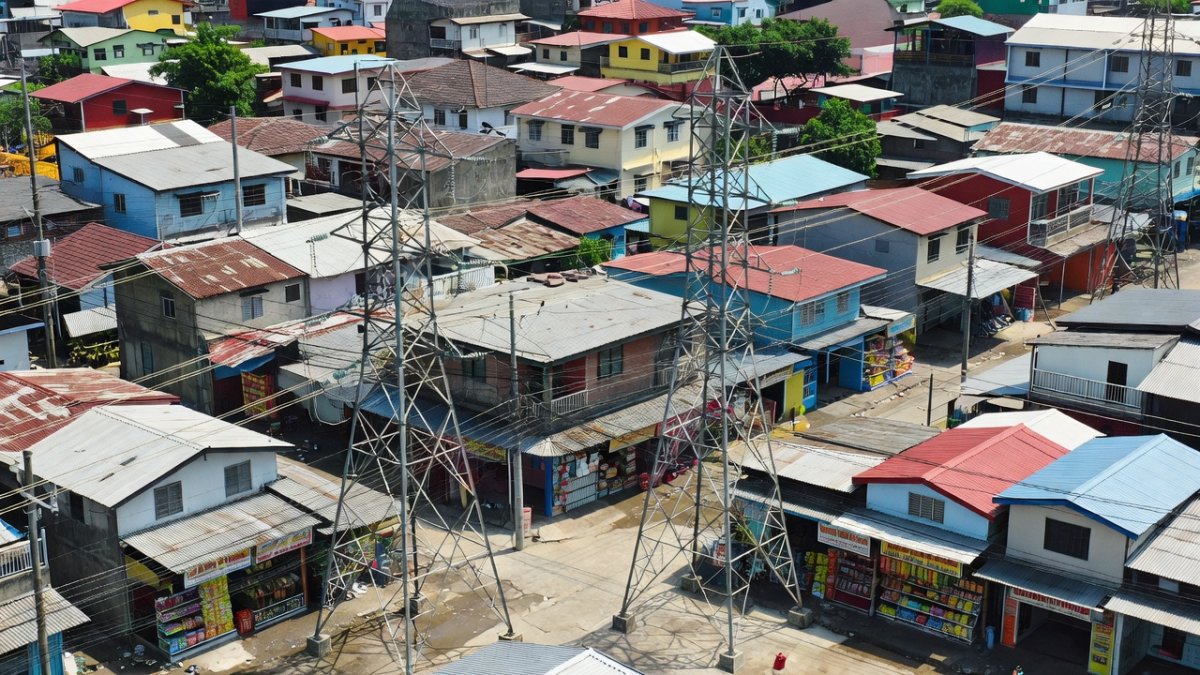
Every month, when the electric bill arrives in mailboxes and sari-sari store counters across the Philippines, families feel the weight of decisions that stretch far beyond their control. A mother in a small provincial home turns off the lights earlier each evening so her children can still finish homework under a single bulb, while a tricycle driver in the barangay weighs whether to charge his phone at the corner store or risk missing a call for work. These quiet struggles form the real backdrop to the Senate energy committee's recent confrontation with the Energy Regulatory Commission, where the human cost of soaring power rates took center stage.
Senate Energy Committee Confronts ERC Over Uncontrolled Electricity Prices
The Senate energy committee yesterday grilled the Energy Regulatory Commission for its failure to control the soaring electricity prices in the country, which reportedly surpassed that of Singapore in Southeast Asia. Sen. Erwin Tulfo led the hearing as panel chair and criticized the ERC for being "inutile" in controlling the cost of electricity. The DOE earlier reported that the Philippines had the highest electricity rate in Southeast Asia last month, or an average electricity rate of P12.43 per kilowatt-hour, surpassing Singapore by less than a centavo.
This exchange at the Senate highlighted how ordinary Filipino families continue to shoulder the burden of rising power costs. Households across the archipelago, from urban centers to rural barangays, feel the pinch each time a bill arrives. The hearing brought into sharp focus the daily reality for millions who must stretch limited incomes to cover basic needs like lighting, cooking, and keeping small appliances running.
The roots of this regulatory bind trace back to the Electric Power Industry Reform Act, or EPIRA, enacted years ago to open the sector to competition. While the law aimed to lower costs through market forces, it left generation charges largely outside direct ERC oversight, creating a system where pass-through mechanisms now dominate household bills. This historical shift means that even as transmission and distribution remain regulated, the bulk of price movements escape scrutiny, leaving communities to absorb fluctuations that ripple through every neighborhood.
ERC President Explains Limited Regulatory Reach Under EPIRA
ERC president Francis Saturnino Juan explained that the commission is only mandated under the Electric Power Industry Reform Act to regulate transmission and distribution sectors, not generation and supply. Transmission and distribution only accounts for 20 to 22 percent of the total electricity bill. Juan said the latest spike in electricity bill is due to the "pass-through charges" from the rising costs of power generation inputs like oil and liquefied natural gas.
These details from the hearing underscore the structural limits placed on the ERC. Because generation and supply fall outside its direct oversight, the commission cannot directly intervene when input costs climb. Filipino consumers, many of whom run sari-sari stores or operate small family businesses from their homes, end up absorbing these pass-through charges without any buffer from regulators.
Under the EPIRA framework, the Energy Regulatory Commission only oversees transmission and distribution charges that make up 20 to 22 percent of a typical bill, leaving generation and supply costs unregulated and subject to market forces. This structure emerged to promote competition in the power sector, yet it has created gaps where consumers remain vulnerable to fluctuations without direct oversight on the largest portion of their expenses.
ERC President Francis Saturnino Juan explained during the grilling that the commission lacks authority over generation and supply segments, allowing power generators to set prices that get passed on fully to end users. Senators noted this deregulation leaves the public at the mercy of these entities, as transmission and distribution regulation alone cannot curb the bulk of rising costs.
The system has led to a situation where economic analysis shows limited tools for the ERC to intervene in price spikes, with historical reliance on market mechanisms failing to shield households from the creeping increases documented in Senate charts comparing past and present rates.
At the heart of these generation charges sits the Wholesale Electricity Spot Market, or WESM, where power producers sell electricity in real time based on supply and demand. When fuel prices rise, those costs flow directly through WESM into consumer bills as pass-through charges, bypassing the limited regulatory reach of the ERC. This market-driven flow explains why even modest input increases quickly translate into higher monthly payments for families who have no choice but to pay what arrives on their statements.
Consider a typical family of five in a rural barangay who uses around 200 kilowatt-hours each month. With the rate climbing from P11.74 to P14 per kilowatt-hour, their bill now demands an extra portion of an already tight budget that once covered school supplies or a small medical emergency. The mother, who sells vegetables at the local market, must now decide whether to reduce evening study time for her children or cut back on fresh produce for the household table, choices that echo across similar homes nationwide.
Barangay-level businesses feel the same pressure in immediate ways. Sari-sari store owners who keep refrigerators running to stock cold drinks and frozen goods see their operating costs rise, forcing small price adjustments that can turn away customers already watching every peso. Jeepney drivers who rely on electricity for charging stations or small repair shops likewise pass along added expenses, weakening the local economy that depends on these everyday enterprises staying afloat.
Human Cost for Families Already Managing Tight Budgets
Senate President Sherwin Gatchalian sat in the hearing and criticized the ERC for its failure to audit the price shock. He showed a chart showing the "slowly creeping" increase in electricity cost, up by over two centavos per kWh between January 2025 and June 2026. "For a family consuming 200 kilowatt-hours in January of 2025, they only paid P11 and 74 centavos per kilowatt. Now, they pay P14," Gatchalian said.
That jump from P11.74 to P14 per kilowatt-hour translates into real strain for households that use around 200 kilowatt-hours monthly. Such families often include parents working multiple jobs, students needing light for evening study, and elderly relatives requiring medical equipment. The added expense forces difficult choices between paying the electric bill and covering other essentials like food or school supplies.
Filipino families consuming 200 kilowatt-hours monthly now face bills that have crept up from P11.74 per kWh in January 2025 to P14 per kWh, adding noticeable strain to household budgets already stretched by daily necessities. This increase, highlighted during the Senate energy committee hearing, translates to higher monthly expenses that force many to cut back on food, education supplies, or medical needs just to keep the lights on.
Sari-sari store owners and jeepney drivers, who rely on consistent electricity for refrigeration, lighting, and operations, absorb these pass-on charges directly into their costs, often passing them on to customers through slight price hikes that reduce their competitiveness. OFW remittance-dependent households, already managing tight margins, find that a larger share of incoming funds goes toward power, limiting savings or investments in home improvements.
The practical tradeoffs include choosing between running appliances during peak hours or enduring blackouts in comfort, with many families delaying payments or seeking informal credit to cover soaring bills amid the Philippines' position as having the highest electricity rate in Southeast Asia at P12.43 per kWh.
Looking toward the 2027 national budget, these unchecked generation charges could widen the gap between household needs and available support programs. Without stronger oversight mechanisms, the same families navigating P14 per kilowatt-hour rates may find local government assistance stretched thinner, underscoring the need for audits that could inform more targeted relief in future fiscal planning.
Tulfo Highlights Pass-On Systems and Consumer Vulnerability
Tulfo said the consuming public is "at the mercy of the power generators and distributors" because of "pass-on" systems loss and other charges. This description from the hearing captures the frustration shared by countless households that see their bills rise even when they conserve energy. The pass-on mechanisms mean that losses and input cost increases flow directly to end users, leaving little room for relief.
Communities that rely on bayanihan spirit to support one another during hard times now face a collective challenge. When electricity costs climb steadily, the shared burden affects neighborhood dynamics, from tricycle operators who need power for charging stations to families hosting simple gatherings during fiestas or Pasko celebrations.
Gatchalian Urges ERC Audit to Address Creeping Price Increases
Gatchalian urged the ERC to audit the price increases to put a check on the soaring electricity costs. The call for an audit stems directly from the chart presented during the hearing, which documented the gradual rise over the period from January 2025 to June 2026. Without such scrutiny, the pattern of incremental increases risks becoming permanent for Filipino ratepayers.
Ordinary citizens in provinces and cities alike watch these developments closely. A family that once budgeted carefully for P11.74 per kilowatt-hour must now plan around P14, affecting everything from monthly savings to emergency funds. The Senate's focus on this issue reflects growing concern that regulatory gaps leave households exposed to ongoing price pressures.
Senate President Sherwin Gatchalian urged the ERC to conduct an audit of recent price increases to identify the drivers behind the jump from P11.74 to P14 per kWh for 200 kWh users. Such an audit would examine pass-on mechanisms and generator pricing practices to recommend targeted adjustments within existing rules.
Legislative changes could expand ERC oversight or introduce caps on generation charges, while consumers can advocate through public consultations or by monitoring their bills closely and reporting anomalies to push for greater transparency in the deregulated segments.
Looking Ahead for Households and Regulatory Accountability
The Senate energy committee's grilling of the ERC yesterday brought renewed attention to how electricity pricing affects daily life across the Philippines. With the average rate at P12.43 per kilowatt-hour last month, higher than Singapore's, the discussion centered on the need for better oversight within the bounds of existing law.
As families continue to navigate these costs, the emphasis remains on practical steps like the proposed audit. The hearing made clear that transmission and distribution represent only a portion of bills, while generation inputs drive much of the recent spike. For communities already balancing rising expenses, any move toward greater transparency offers a measure of hope amid ongoing challenges.
By Bella Reyes, Staff WriterThis article was produced with AI-assisted research and editorial support. Reporting is based on sources cited in the article.
What's Your Reaction?
 Like
0
Like
0
 Dislike
0
Dislike
0
 Love
0
Love
0
 Funny
0
Funny
0
 Wow
0
Wow
0
 Sad
0
Sad
0
 Angry
0
Angry
0

Philippines/Southeast Asia Correspondent at Global1.News. Manila-based journalist covering Philippine politics, environment, maritime security, and social issues. Passionate about marine conservation and the communities protecting the Philippines' natural heritage.















Comments (0)