
Dakar 2026: Africa's First Olympic Games
The Dakar 2026 Youth Olympics stand as a defining moment in African history — the first time any Olympic event will unfold on the continent's soil. For Senegal, a nation whose median age hovers near nineteen, the Games arrive at a time when young people are seeking alternatives to irregular migration and economic uncertainty.
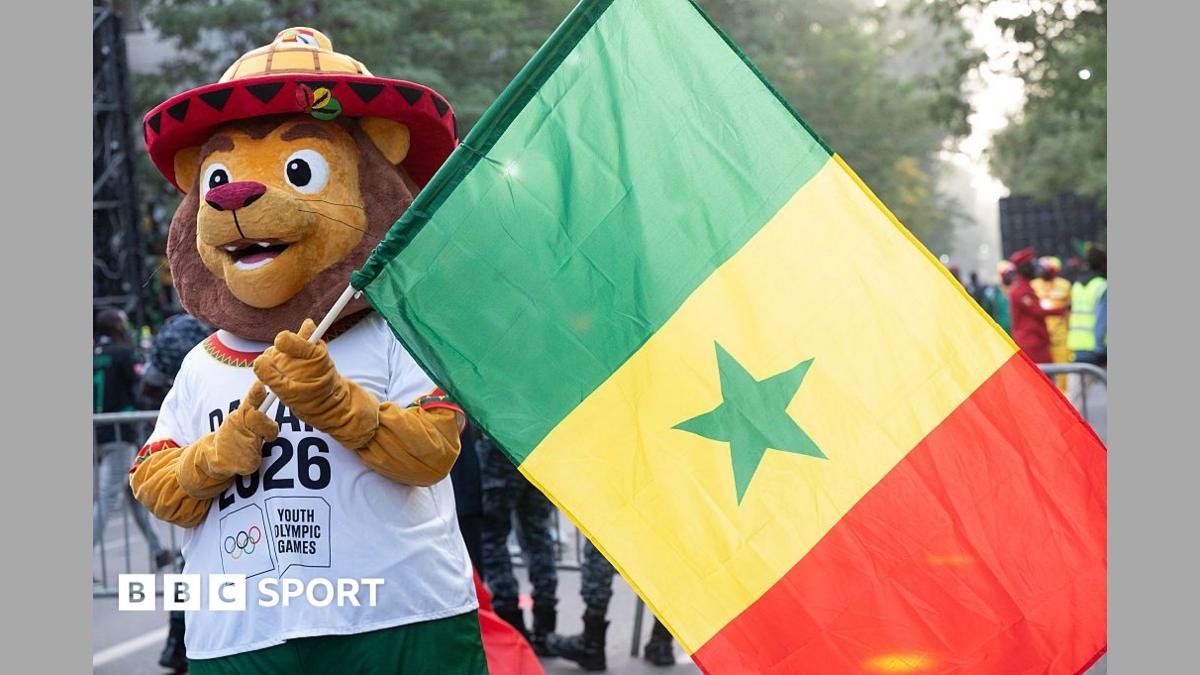
The Dakar 2026 Youth Olympics stand as a defining moment in African history — the first time any Olympic event will unfold on the continent's soil. For Senegal, a nation whose median age hovers near nineteen, the Games arrive at a time when young people are seeking alternatives to irregular migration and economic uncertainty. This October 31 opening will showcase not only athletic talent but also Senegal's deep traditions of hospitality and community resilience, turning global attention toward Dakar's neighborhoods and training venues.
Dakar 2026: Africa's First Olympic Games
Dakar, Senegal — As the countdown reaches 100 days, Senegal is putting the finishing touches on a historic event that promises to reshape how the continent is viewed on the global sporting stage.
A Historic First for Africa
The Dakar 2026 Youth Olympics mark a turning point for the continent. Set to open on October 31, 2026, these Games will be the first Olympic competition ever held on African soil. Around 2,700 young athletes from across the world will compete in 25 sports, with venues spread through Dakar, Diamniadio, and Saly. For many Senegalese families, this moment carries deep meaning. It places our capital at the center of global attention and shows that Africa can host events of this scale with pride and care.
Dakar's Journey to the Olympic Stage
Senegal was awarded the Games in 2018. The original plan for 2022 was delayed by the COVID-19 pandemic, yet the country stayed committed. Local organizers have worked steadily to prepare. IOC official Christophe Dubi described the occasion as monumental, noting that the entire continent will be celebrating. This long road reflects Senegal's steady approach to big projects, one that values preparation over haste.
Youth, Opportunity, and Senegal's Unemployment Challenge
Senegal's youth unemployment rate stands at 27 percent for those aged 15 to 34. The Games offer a chance to create visible pathways into work. Thierno Cisse, deputy chief operating officer of the local organizing committee, has said the team aims to serve as ambassadors for Africa and demonstrate that the continent maintains high standards. Dakar resident Issa Diao echoed this view, explaining that events like these help people secure jobs. In neighborhoods from Medina to Grand Yoff, conversations often turn to how the influx of visitors and training programs could support small businesses and skilled trades.
In neighborhoods like Medina, Grand Yoff, and Pikine, young Senegalese often gather under mango trees or at corner kiosks to discuss futures that feel both urgent and uncertain. The 27% youth unemployment rate weighs heavily here, where many see irregular migration as the only path forward. The "Barça ou Barzak" mindset, born from years of watching peers risk everything on the Atlantic, still lingers. Yet the Dakar 2026 Games are shifting that conversation. Local youth now speak of training in venue management or digital logistics instead of boarding fragile boats.
The IOC's programs, already preparing more than 400 young Africans in these fields, offer concrete skills that reach beyond the Games themselves. Senegal's median age sits near 19, part of a continent that remains the world's youngest. When these training opportunities land in Pikine or Grand Yoff, they carry the weight of family expectations and national pride. Young people begin to picture themselves not as spectators but as builders of an event that belongs to them.
Ambassadors and Role Models: Africa on Display
Senegal has drawn on familiar faces to carry the message forward. Football captain Kalidou Koulibaly, content creator Khaby Lame, and actor Omar Sy serve as ambassadors. The IOC has also named 36 athlete role models to provide mentorship. A youth refugee team will compete for the first time at these Games. These choices highlight both sporting excellence and the broader stories of resilience that many young Africans recognize in their own lives.
Kalidou Koulibaly's journey from Pikine to captaining Senegal's AFCON-winning side in 2021 continues to inspire the same neighborhoods that raised him. His quiet leadership on the pitch mirrors the grounded confidence many young Senegalese seek. Khaby Lame, who rose from a modest Dakar household to global TikTok fame while living in Italy, shows another face of Senegalese talent that travels without forgetting its roots. Both men embody paths that feel reachable.
The IOC's partnership with the Olympic Refuge Foundation brings young athletes from East African refugee communities into the spotlight as well. Their presence alongside Koulibaly and Lame highlights Africa's wide range of stories and strengths. Together these ambassadors remind viewers that Senegal's Games celebrate not a single narrative but the continent's full, living diversity of talent and resilience.
Building for Legacy, Not Just Competition
Organizers have focused on restoring existing venues rather than constructing new ones. Senegal invested roughly 270 million dollars in the Abdoulaye Wade Stadium and about 60 million dollars directly in the Games. A new skate park in the Ngor neighborhood adds a community space that will remain after the competition ends. More than 400 young Africans are receiving training in event operations, building skills that extend beyond October 2026. Ten non-competitive engagement sports will also run alongside the main program, inviting wider participation from local youth.
Diamniadio's new stadium rises from what was once open savanna, designed with restoration in mind rather than pure spectacle. Senegal chose to upgrade existing structures where possible and build only what communities can continue using long after the closing ceremony. This approach stands in contrast to hosts that left behind costly monuments and debt. The Ngor skate park, carved into the rocky coastline, already draws local children who once had few safe spaces for sport. Its concrete ramps now host evening sessions where girls and boys practice together, turning a once-marginal activity into a shared youth culture.
Beyond the Games, Diamniadio is growing into a genuine urban center with new roads, markets, and housing. The infrastructure built for 2026 will serve daily commutes and small businesses for decades. Senegal's measured pace reflects lessons from earlier African bids that promised much but delivered little lasting benefit. Here, the focus stays on practical spaces that strengthen daily life rather than temporary grandeur.
A Continental Moment Under African Leadership
Kirsty Coventry of Zimbabwe, the first African to serve as IOC president, previously chaired the coordination commission for these Games. Her presence underscores a shift in how African voices shape Olympic decisions. Christophe Dubi’s words capture the shared feeling: the continent will celebrate together. Across West Africa and beyond, the event connects to everyday hopes for better infrastructure, stronger youth programs, and recognition on the world stage.
Kirsty Coventry's election as the first African IOC president marks a quiet but profound shift in global sports governance. For many Senegalese, her leadership signals that African voices now help shape the rules rather than simply follow them. Previous bids from Cape Town in 2004 and Durban in 2022 fell short, yet those efforts built the networks and confidence that allowed Dakar to succeed. The breakthrough feels collective, not isolated.
Across the continent, African nations are gaining seats at tables once dominated by others, from climate talks to trade forums. Dakar 2026 sits within this wider pattern. When an African president leads the Olympic movement, decisions about youth programs, funding, and event locations begin to reflect realities on the ground. The moment carries the steady pride of a continent claiming its rightful place without fanfare.
The Countdown Begins
With the opening date approaching, preparations continue across Dakar and its surrounding areas. The Youth Olympics will showcase not only athletic talent but also Senegal’s tradition of hospitality and community. As athletes train and volunteers learn new skills, the focus remains on what these Games can leave behind: jobs, confidence, and a lasting sense that African cities can deliver world-class events. The continent watches with quiet pride as Dakar readies itself for this historic chapter.
By Amara Diop, Staff WriterThis article was produced with AI-assisted research and editorial support. Reporting is based on sources cited in the article.
What's Your Reaction?
 Like
0
Like
0
 Dislike
0
Dislike
0
 Love
0
Love
0
 Funny
0
Funny
0
 Wow
0
Wow
0
 Sad
0
Sad
0
 Angry
0
Angry
0
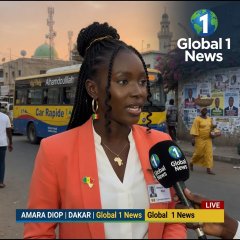
West Africa/Sahel Correspondent at Global1.News. Dakar-based journalist covering politics, security, climate, and development across Francophone and Anglophone West Africa. Tells the stories of a region undergoing profound transformation.











Comments (0)